
Are you my mother? A test of matrilineal social organization in mass strandings and living groups of rough-toothed dolphins.
20th Biennial Conference on the Biology of Marine Mammals .
More details
Collapse details
Date Published:
Filesize:
- December 9, 2013
Rough-toothed dolphins (Steno bredanensis) are reported to form isolated communities with stable groups around some oceanic islands. Within these communities, this species exhibits cooperative foraging and care-giving behavior including the sharing of large prey. These group behaviors could be driving community level structure where there are clear differences in habitat use between island groups, and limited movement among islands. Similar social characteristics are found in other cetacean species, e.g. killer whales, where individuals remain in maternally related groups indefinitely, forming “extended matrilines” as reflected by a single mitochondrial (mt) DNA haplotype. Here we test the hypothesis that rough-toothed dolphins also form “extended matrilines” using mtDNA control region haplotypes as a marker for maternal lineages. Alternatively, we test the influence of maternal fidelity on group structure within communities. The sample collection comprises adults from Pacific Ocean Islands and the continental Atlantic USA spanning 1976-2010. We sequenced mtDNA from 4 deceased groups (3 mass strandings and 1 bycatch; 350bp; n=28 teeth samples) and 14 living groups (460bp; n=106 skin samples) identifying 22 haplotypes. Differentiation and haplotype diversity were evaluated for groups within island communities in the Hawaiian Islands (Kauai and Hawaii) and Society Islands (Moorea and Raiatea) as well as between islands communities. Our results revealed multiple matrilines in 16 of the 18 groups, allowing us to reject the hypothesis of strict matrilineal structure. Although an AMOVA detected significant differentiation between island communities, groups did not significantly partition any genetic diversity within island communities. This is consistent with permutation tests where no strong signal of matrilineal influence was identified within island communities. Our study provides evidence of genetic structure at the community level, but demonstrates negligible structure at the group level. Fine-scale analyses to evaluate kinship and temporal association patterns are underway to further our understanding of group structure for this species.
- 3,807.46 KB
Strengths and weaknesses of using DCLDE algorithms to track baleen whales and examine their behavior using long-term acoustic recordings with a large-scale hydrophone array.
Detection, Classification, Localization, and Density Estimation of Marine Mammals Workshop .
More details
Collapse details
Date Published:
- June 3, 2024
- 502.82 KB
Effects of Pile Driving on Marine Mammal Behavior in Puget Sound, Washington, USA.
ESOMM - 2014 5th International Meeting on the Effects of Sound in the Ocean on Marine Mammals .
More details
Collapse details
Date Published:
Filesize:
- September 7, 2014
Marine mammal (MM) monitoring was conducted during in-water pile driving (PD) at Hood Canal, Washington, during fall 2011. Monitoring was performed on construction days, during active-construction (“AC”, defined as 30 minutes prior to, during, and 30 minutes after PD) and non-construction (“NC”, downtime) periods. Baseline surveys were also conducted throughout Hood Canal on days when no PD occurred. Monitoring and baseline surveys occurred over 53 days. Marine Mammal Observers (MMOs) recorded 1,207 sightings totaling 2,269 individual MM.
- 1,481.12 KB
Marine Mammal Behavior in Relation to In-Water Pile Driving in Puget Sound, Washington, USA..
20th Biennial Conference on the Biology of Marine Mammals .
More details
Collapse details
Date Published:
Filesize:
- December 9, 2013
Marine mammal (MM) monitoring was conducted during inwater pile driving (PD) at Naval Base Kitsap Bangor, Washington in Hood Canal during Fall 2011. Vessel-based monitoring was performed on construction days, during both active-construction (“AC”, defined as 30 minutes prior to, during, and 30 minutes after PD) and non-construction (“NC”, downtime) periods. Baseline surveys were also conducted throughout Hood Canal on days when no PD occurred. Monitoring and baseline surveys occurred over 53 days, during which Marine Mammal Observers (MMOs) recorded 1,207 sightings totaling 2,269 individual MM. Species observed included California sea lion (Zalophus californianus), Steller sea lion (Eumetopias jubatus), harbor seal (Phoca vitulina), and harbor porpoise (Phocoena phocoena). Harbor seals were the most frequently observed MM on construction days (n=782 sightings) and baseline survey days (n=197 sightings). The only cetaceans observed were harbor porpoise (n=68 construction, 34 baseline sightings). Harbor seal sighting rates were lower on construction days than on baseline days (0.73 and 1.80 sightings/observer hour [obs hr], respectively). Likewise, harbor porpoise were sighted less often on construction days than on baseline days (0.13 and 0.31 sightings/obs hr, respectively). On construction days, harbor seal sighting rates were actually higher during AC periods than NC periods (3.31 and 0.23 sightings/obs hr, respectively). This is consistent with MMOs’ qualitative observations that harbor seals (particularly juveniles) appeared to be attracted to PD, and often moved towards the construction area when PD was initiated. On construction days, pinnipeds were most often observed “diving,” “looking,” “sinking,” and “swimming”. During AC, 4% more pinnipeds were observed “diving” vs. NC periods (n=124). On construction days, harbor porpoise were most often observed “traveling”. During AC, 27% fewer harbor porpoise were observed “traveling” vs. NC periods (n=18). Overall, minor behavioral disruptions were observed in relation to PD, and were within “take” numbers in the issued Incidental Harassment Authorization.
- 4,632.51 KB
Mapping marine mammal activity in and near U.S. Navy training areas..
Esri User Conference .
More details
Collapse details
Date Published:
- July 10, 2017
- 8,776.79 KB
Calling behavior and localization of blue whales in Southern California.
Detection, Classification, Localization, and Density Estimation of Marine Mammals using Passive Acoustics. June 3–7, 2024. Rotterdam, The Netherlands .
More details
Collapse details
Date Published:
- June 3, 2024
- 478.47 KB
North Atlantic right whale sightings and group composition in the VA/NC Mid-Atlantic: 2018–2023.
North Atlantic Right Whale Consortium Annual Meeting, 24-25 October 2023, Halifax, Nova Scotia, Canada .
More details
Collapse details
Date Published:
- October 24, 2023
- 1,607.74 KB
Humpback whale affinity for shipping channels near the mouth of the Chesapeake Bay can prove fatal.
6th International Bio-logging Science Symposium .
More details
Collapse details
Date Published:
- September 25, 2017
- 5,778.32 KB
Humpback whale presence and habitat-use in high-traffic areas off Virginia.
21st Biennial Conference on the Biology of Marine Mammals .
More details
Collapse details
Date Published:
Filesize:
- December 13, 2015
The endangered North Atlantic humpback whale (Megaptera novaeangliae) migrates from six northern feeding grounds in the Gulf of Maine, the Gulf of St. Lawrence, Newfoundland/ Labrador, western Greenland, Iceland, and Norway to Caribbean Sea waters during the winter months (Katona and Beard 1990, Christensen et al. 1992, Palsbøll et al 1997). Understanding the occurrence and behavior of humpback whales in the vicinity of United States (U.S.) Navy training and vessel-transiting activities off the coast of Virginia is important in mitigating potentially harmful impacts on the species.
- 9,464.70 KB
A closer look at an unusual late-spring aggregation of North Atlantic right whales off Virginia using tag and environmental data.
North Atlantic Right Whale Consortium Annual Meeting, Providence, Rhode Island, 23–24 October 2024 .
More details
Collapse details
Date Published:
- February 13, 2026
Comparison of blue and fin whale behavior, headings, and group characteristics in the Southern California Bight during summer and fall 2008-2010.
19th Biennial Conference on the Biology of Marine Mammals .
More details
Collapse details
Date Published:
Filesize:
- November 27, 2011
Baseline undisturbed behavior and social patterns of blue (Balaenoptera musculus) and fin whales (B. physalus) are not well described and are needed to identify and understand potential effects of anthropogenic activities. Behavioral data for blue and fin whales were collected during line-transect and focal-follow effort. Initially observed behavior state, heading, and minimum and maximum interindividual dispersal distance were recorded during line-transect sampling. Focal groups were circled for 10-60+ minutes and videotaped from outside Snell’s sound cone to avoid disturbance. During 24,736 km of survey effort, 51 fin whale sightings (85 individuals) and 49 blue whalesightings (81 individuals) were seen. Over 7 hours of video was collected for16 blue and 15 fin focal follows. During the summer seasons, blues (n=48) were seen more commonly than fins (n=35); in fall, fins (n=16) were seen significantly more frequently than blues (n=1). Mean group size was 1.7 whales for both species. Initially observed blue behavior was usually travel (85%) or mill (11%). Observed fin whale behavior was also mostly travel (90%), mill (4%), or surface-active travel (4%). Both species were seen socializing in fall but not summer; foraging was observed in summer through fall. Mean initial dispersal for blues and fins was 9.1 and 14.2 body lengths, respectively. In summer, blues were most frequently (26%) seen headed S; in fall (n=2), they were headed only inshore (E). In summer, fin whales were most commonly headed SSW (26%) or WNW (26%); in fall, they were headed mostly NE (38%) or WSW (38%). Dive/respiration/behavioral event rates were also collected. Both species may directly compete for food based on observations of inter-specific maneuvering for a bait ball. Data represent the most extensive record of systematic undisturbed behavior on these species in SOCAL and include social interactions not previously documented in this region.
- 146.36 KB
Comparison of blue and fin whale behavior and group characteristics in the Southern California Bight (SCB) 2008-2012.
27th Conference of the European Cetacean Society .
More details
Collapse details
Date Published:
Filesize:
- April 8, 2013
Baseline undisturbed behavior and social patterns of blue (Balaenoptera musculus) and fin whales (B. physalus) are not well described and are needed to identify and understand potential effects of anthropogenic activities in the SCB. In 2008-2012, 72,467 km of aerial line transect and focal-follow effort was conducted in the SCB. Initially observed location, group size, behavior state, heading, and minimum and maximum inter-individual dispersal distance were recorded. Focal groups were circled for 10-60+ minutes and videotaped from outside the plane’s sound cone to avoid disturbance. A total of 122 fin whale sightings (208 individuals) and 65 blue whale sightings (104 individuals) were made. Behavior, occurrence and distribution were related to season, location, bathymetry, and time of day. Blue whales were seen only from summer-fall and concentrated primarily close to shore (
- 3,180.74 KB
Comparison of Blue and Fin Whale Behavior, Headings and Group Characteristics in the Southern California Bight during Summer and Fall 2008-2010.
10th Annual Pathways Student Research Symposium, Galveston, TX .
More details
Collapse details
Date Published:
Filesize:
- November 9, 2011
Baseline undisturbed behavior/social patterns of blue/fin whales are not well described and are needed to identify and understand potential effects of anthropogenic activities. Behavioral data were collected during aerial effort. Initially observed behavior state, heading, minimum/maximum inter-individual dispersal distance were recorded during line-transect sampling. During the summer seasons, blues were seen more than fins; in fall, fins were seen more. Initially observed blue behavior was usually travel or mill. Observed fin behavior was mostly travel, mill, or surface-active travel. Both species were seen socializing in fall but not summer; foraging was observed in summer through fall. In summer, blues were seen headed S; in fall, headed inshore. In summer, fins were headed SSW or WNW; in fall, they were headed NE or WSW. Data represent the most extensive record of systematic undisturbed behavior on these species in SOCAL and include social interactions not previously documented in this region.
- 238.87 KB
Comparison of blue and fin whale behavior, headings and group characteristics in the Southern California Bight during Summer and Fall 2008-2010.
Southern California Marine Mammal Workshop 2012 .
More details
Collapse details
Date Published:
Filesize:
- February 3, 2012
Baseline undisturbed behavior and social patterns of blue (Ba/aenoptera musculus) and fin whales (8. physa/us) are not well described and are needed to identify and understand potential effects of anthropogenic activities. Behavioral data for blue and fin whales were collected during aerial survey line-transect and focal-follow effort. Initially-observed behavior state, group size, heading, and minimum and maximum inter-individual dispersal distance were recorded during line-transect sampling and / or subsequent verification circling by the aircraft. Focal groups were circled for 3- 60+ minutes and videotaped from outside Snell's sound cone to avoid disturbance. During 24,736 km of survey effort, 51 fin whale sightings (86 individuals) and 49 blue whale sightings (84 individuals) were seen . Over 7 hours of video was collected for 16 blue and 15 fin focal follows. During the summer, blues (n=48) were seen more commonly than fins (n=35); in fall, fins (n=16) were seen much more frequently than blues (n= 1 ). Mean group size was 1. 7 whales for both species. Initially observed blue behavior was usually travel (85%) or mill (11%). Observed fin whale behavior was also mostly travel (87%), mill (6%), or surface-active travel (3%). Both species were seen socializing (e.g., touching) in fall but not summer; foraging was observed in summer through fall. Mean initial dispersal for blues and fins was 8 and 16 body lengths, respectively. In summer, blues were most frequently (26%) seen headed S; in fall (n=2), they were headed only inshore (E). In summer, fin whales were most commonly headed SSW (26%) or WNW (26%); in fall, they were headed mostly NE (38%) or WSW (38%). Both species directly compete for food based on observations of inter-specific maneuvering for a bait ball. Data represent the most extensive record of systematic undisturbed behavior on these species in SOCAL and include social interactions not previously documented in this region. Dive / respiration / behavioral event rates were also collected and are currently being analyzed. Bacon, C., M.A. Smultea, B. Wursig, K. Lomac-MacNair, and J. Black.
- 1,075.32 KB
Mixed-species associations seen in the Southern California Bight during aerial surveys 2008-2012.
Southern California Marine Mammal Workshop 2013 .
More details
Collapse details
Date Published:
Filesize:
- February 1, 2013
Fifteen aerial surveys (72,647 km) occurred during 2008-2012 to monitor occurrence, abundance, and behavior of marine mammals in the Southern California Bight (SCB) on behalf of the U.S. Navy. Thirty-six (2%) of 2,151 total sightings of at least 11 species were mixed-species associations (i.e., at least two different species swimming together/interacting). Little is known about these associations. Risso’s dolphins were most frequently associated with another marine mammal species (19 [7%] of 238 total Risso’s sightings) as follows: with sperm whales (1x), California sea lions (CaSL) (3x), and bottlenose (7x), northern right whale (NRWD) (4x), long-beaked common (1x), unidentified (1x), and common dolphin sp. (2x). Up to 3 species occurred together on 3 different occasions: (1) sperm whales/Risso’s/NRW dolphins, (2) Risso’s/unidentified dolphins/CaSL, and (3) Pacific white-sided/common dolphins with CaSL. The most unusual mixed species sighting was 24 sperm whales (including 4 calves) with 11 Risso’s and ~50 NRW dolphins: Risso’s repeatedly charged adult sperm whales’ heads who responded by dropping their lower jaw, perhaps related to kleptoparasitism. Potential reasons for mixed-species associations include increased protection from predators via dilution, increased prey detection/consumption, and “play” (i.e., fin whale calf touching NRWD). Data include interactions not previously documented in the SCB among these socially complex animal groups.
- 2,082.37 KB
Behavior and group characteristics differ in mixed-species associations (MSA) of cetaceans in the Southern California Bight.
Southern California Marine Mammal Workshop 2014 .
More details
Collapse details
Date Published:
Filesize:
- January 31, 2014
Effects of mixed-species associations (MSA [at least two different species swimming together and / or inte racting]) on cetacean behavior rarely have been quantified, but are important for identifying and differentiating potential anthropogenic impacts . Baseline marine mammal behavior was assessed during 83 ,005 km of U.S. Navy supported aerial line-transect surveys in the Southern California Bight during 2008-2013.
- 1,649.75 KB
Behavior and group characteristics differ in mixed-species associations of cetaceans in the Southern California Bight.
20th Biennial Conference on the Biology of Marine Mammals .
More details
Collapse details
Date Published:
Filesize:
- December 9, 2013
Effects of mixed-species associations (MSA [at least two differentspecies swimming together and/or interacting]) on cetacean behavior rarely have been quantified, but are important for identifying and differentiating potential anthropogenic impacts. Baseline marine mammal behavior was assessed during 77,390 km of U.S. Navy supported aerial line-transect surveys in the Southern California Bight during 2008-2013. Multinomial logistic regression was used to assess effects of MSA on group size, maximum nearest neighbor distance (a “cohesion” index, in body lengths), behavior state, and heading. Two percent (43) of 2,330 sightings were MSA involving 13 species (5 baleen whales, 7 toothed whales, 1 pinniped). Behavior and group size of some species differed significantly in MSA vs. non-MSA. MSA were predominated by Risso’s dolphins (44%; 19 of 43 MSA). Risso’s dolphins were most frequently associated with bottlenose dolphins (37% of 19 Risso’s MSA groups) followed by northern right whale dolphins (NRWD; 3% of 19). Risso’s dolphins tended to change headings more often in MSA (p
- 1,649.75 KB
More details
Collapse details
Date Published:
- June 3, 2024
- 479.73 KB
Unintended consequences of using dolphins to catch tuna: Examining the extent and nature of hook and line fishery interactions with pantropical spotted dolphins off the island of Hawai'i.
21st Biennial Conference on the Biology of Marine Mammals .
More details
Collapse details
Date Published:
Filesize:
- December 13, 2015
In Hawai'i fishermen use a variety of hook and line methods to catch tuna associated with pantropical spotted dolphins. In response to reports of dolphins being hooked in fisheries, the National Marine Fisheries Service (NMFS) proposed recategorizing two fisheries ("charter vessel" and "trolling, rod and reel") in 2011 from Category III (those having a remote likelihood of serious injury/mortality) to Category II (those having occasional serious injury/mortality). After reviewing comments received in response to the proposal, NMFS did not re-categorize the fisheries, in part because of statements that fishing effort around dolphins may have been overestimated and that many vessels just trolled near dolphins, not through groups. We used photo-identification of individually distinctive vessels fishing in association with dolphin groups and observations on the number and behavior of vessels with dolphins to examine the extent and nature of interactions between fishing vessels and spotted dolphins off Hawai'i Island. Since 2010, 34.5% of spotted dolphin encounters had fishing vessels present within the group envelope of the dolphins (mean=3.7, SD=3.5, range=1-19, n=57 of 165 encounters). Two primary fishing methods were used, either trolling through groups of dolphins or repeatedly transiting through a group at high speed to the advancing front of the group and stopping and fishing as the group passed by, with some vessels alternating methods during encounters. Since 2010, 133 different vessels were documented fishing in association with dolphins; of these, 38 (28.6%) were documented on two or more occasions, and 26 were documented in two or more years. A mark-recapture abundance estimate of the number of vessels fishing in association with spotted dolphins in 2012 and 2013 was 322 (CV=0.05). In 2015 NMFS recognized three distinct island-associated populations of spotted dolphins in Hawai'i, including one off Hawai'i Island, thus the population of dolphins involved in these interactions is smaller than originally expected. While many factors likely influence the probability of boats fishing associated with dolphin groups, continued reports of occasional hooking combined with the relatively large number of vessels "fishing" dolphins suggest the fisheries categories should be re-evaluated.
- 92.10 KB
Effects of Navy sonar on whales and dolphins in the Hawaiian Islands: some data, some speculation, some gaps..
Presentation to the Hawaiian Islands Humpback Whale National Marine Sanctuary Advisory Council (virtual event) .
More details
Collapse details
Date Published:
- September 15, 2020
- 5,898.74 KB
LIMPET tagging of Hawaiian odontocetes: Assessing reproduction and estimating survival of tagged and non-tagged individuals.
20th Biennial Conference on the Biology of Marine Mammals .
More details
Collapse details
Date Published:
- December 9, 2013
- 2,262.75 KB
Combining association and movement analyses of short-finned pilot whales in the Hawaiian Islands: evidence for multiple populations within the Hawaiian Archipelago.
20th Biennial Conference on the Biology of Marine Mammals .
More details
Collapse details
Date Published:
Filesize:
- December 9, 2013
Currently a single stock of short-finned pilot whales is recognized in Hawaiian waters, with an estimated abundance of over 12,000 individuals in the EEZ. However, preliminary genetic results suggest that pilot whales around the main Hawaiian Islands are reproductively isolated from those elsewhere in the tropical Pacific. Since the type and extent of anthropogenic interactions varies both among the main Hawaiian Islands and offshore, we test the hypothesis that there is only a single stock of this species in Hawai‘i using a combination of association analyses of photo-identification data and movement/habitat use analyses from satellite tags. Photographs over 13 years included over 6,500 identifications of 868 distinctive individuals. Satellite tag data from 64 deployments averaged 37 days (max=228 days). Combining tag and association analyses indicate individuals do not mix freely among the islands and suggest the existence of three socially isolated but partially overlapping insular communities and an offshore population. The ranges of the three insular communities are from Ni‘ihau to western O‘ahu, from O‘ahu to Lana‘i, and primarily off Hawai‘i Island. Tagged individuals from these insular communities (n=61 deployments) remained an average of 57.5 km from their tagging location, with a grand mean of depth used and distance from shore of 1,564 m and 15.2 km, respectively. Evidence for an offshore population comes from three individuals tagged in two isolated social clusters with mean distances from their tagging locations of 249 km, with a grand mean of depth used and distance from shore of 4,336 m and 81.1 km (max=381 km) respectively. Anthropogenic interactions vary among the population ranges, with long-line fishing in offshore waters, Navy activities primarily off Ni‘ihau, Kaua‘i and O‘ahu, and vessel-based whale watching and swim-with operations primarily off Hawai‘i Island. As each community is exposed to different anthropogenic threats they should be managed independently.
- 5,597.02 KB
Fishery interactions for three populations of false killer whales in Hawai’i: Assessment using dorsal fin line injuries.
20th Biennial Conference on the Biology of Marine Mammals .
More details
Collapse details
Date Published:
- December 9, 2013
- 4,123.37 KB
Acoustic telemetry with sea turtles in Virginia.
GARSCON 2015 (Greater Atlantic Region Stranding Conference 2015). .
More details
Collapse details
Date Published:
Filesize:
- October 1, 2015
The Virginia Aquarium Foundation (VAQF) and the U.S. Navy have been working together since 2013 to determine the efficacy of using acoustic telemetry for investigating the fine scale movements of sea turtles in the vicinity of Navy facilities in southeastern Virginia. To date, we have deployed 56 acoustic tags (VEMCO V16, V13 and V9 69 kilohertz tags), 14 from Jul-Nov of 2013, 24 in 2014 and 18 May-Jul of 2015. The U.S. Navy maintains an array of 71 acoustic receivers (VEMCO VR2W) in southeastern Virginia and downloads and processes data every other month. There is a four to six month delay from the time of detection to VAQF receiving processed tag detection data. For this reason, we will discuss results for turtles tagged in 2013 and 2014. Of the 38 turtles tagged in 2013-14, five were wild caught (incidentally or directly captured) and 33 were stranded, rehabilitated and released. Of the stranded turtles, 14 were caught on recreational hook and line, 13 were cold-stunned and the rest were boat strikes (n=3), diseased (n=2) or entangled in other gear (n=1). In total we deployed tags on 18 loggerheads, 15 Kemp’s ridleys (one was released twice) and 4 green turtles. Of these 15 (83%) of the loggerheads were detected, 11 (73%) of the Kemp’s ridleys were detected and 3 (75%) of the greens were detected. Seven of the turtles stranded dead since release (3 wild and 4 stranded) and of these one was never detected. Seven turtles were released after mid-Oct south of the Navy receiver array and, of these, four were never detected. For loggerheads, Kemp’s and greens that were detected, mean number of detections were 220, 57, and 187, number of different days detected were 6, 3, and 10, and days post-release were 97, 21, and 53 respectively.
- 9,579.31 KB
Evidence of pier fidelity in hooked and released loggerhead and Kemp's ridley sea turtles using acoustic and satellite telemetry.
3rd Southeast Regional Sea Turtle Meeting (SERSTM) .
A comparative spatial analysis of location data from satellite-tagged Blainville’s (Mesoplodon densirostris) and Cuvier’s (Ziphius cavirostris) beaked whales off Hawaii Island..
26th Annual Meeting of the Northwest Student Chapter of the Society for Marine Mammalogy, May 6, 2023, Newport, Oregon .
More details
Collapse details
Date Published:
- May 6, 2023
- 5,049.97 KB
Diel and lunar variations of marine ambient sound in the North Pacific.
162nd Meeting: Acoustical Society of America .
More details
Collapse details
Date Published:
Filesize:
- November 3, 2011
Marine ambient sound was recorded on autonomous high-frequency acoustic recording packages (bandwidth 10 Hz to 100 kHz) during long term deployments at multiple sites across the North Pacific, from the high latitude Aleutian Islands to tropical Palmyra Atoll in depths of 600–1 000 m. Most intertropical but no temperate locations showed a distinct diel pattern in ambient sound. The soundscape at each location was unique, yet there was a similar recurring sound of unknown origin in lower latitude locations. This sound had a peak frequency around 3–5 kHz and was recorded only for several hours after sunset. Additionally, at some locations, a broadband acoustic signal with bandwidth up to 60 kHz was recorded at night with crepuscular peaks. Both sound patterns were lunar dependent with lower acoustic levels during full moon phases. Site-specific diel and seasonal acoustic patterns have been observed for various odontocete species. Correlations between odontocete presence and levels of ambient sound are investigated. [Work supported by NOAA-Pacific Islands Fisheries Science Center, US Navy-N45/PACFLT, ONR, Pacific Life, Ocean Foundation, University of California, San Diego.]
- 43.94 KB
Impact of mid-frequency active sonar on beaked whale echolocation from long-term passive acoustic recordings..
ESOMM-2018, 6th International Meeting on the Effects of Sounds in the Ocean on Marine Mammals, The Hague, The Netherlands, 9-14 September 2018 .
More details
Collapse details
Date Published:
- September 9, 2018
- 557.82 KB
Mouthline injuries as an indicator of fisheries interactions for false killer whales and pygmy killer whales in Hawai'i.
21st Biennial Conference on the Biology of Marine Mammals .
More details
Collapse details
Date Published:
Filesize:
- December 13, 2015
Evidence from strandings and anecdotal reports indicate that a number of odontocete species interact with near-shore fisheries in Hawai'i. In the absence of observer programs in these fisheries, we evaluated mouthline injuries from known resident populations of false killer whales and pygmy killer whales, to assess the viability of this method to document injuries associated with hook and line fishery interactions. All individuals with mouthlines visible were selected from photo-ID catalogs and scored for presence of mouthline injuries consistent with fisheries interactions. Ninety-seven false killer whales and 47 pygmy killer whales had ≥50% of the mouthline visible using fair to excellent quality photos, with a mean of 67% and 59% mouthline visible, respectively. Preliminary analysis suggests that main Hawaiian Islands insular false killer whales have high rates of mouthline injuries- 20% of adult and sub-adult individuals with ≥50% mouthline visible have injuries consistent with fisheries interactions, supporting studies using dorsal fin injuries that indicate individuals from this population regularly interact with fisheries. Pygmy killer whales also appear to interact with fisheries at high rates. Of adult and sub-adult individuals off Hawai'i and O'ahu with ≥50% of the mouthline visible, 31% have injuries consistent with fisheries interactions. Since pygmy killer whales feed primarily at night, and there are few reports of them depredating lines, mouthline injury analysis provides new insight into fisheries interactions for this species. Scars on pygmy killer whales heal white and are easier to detect than healed injuries on false killer whales, thus a greater proportion of individuals with such injuries may be detected for pygmy killer whales. With both species, the proportion of mouthline visible increased the likelihood of mouthline injuries being detected. Injury rates are negatively biased, since those individuals scored as having no mouthline injury may not have had their entire mouthline visible. Further efforts will aim to identify injury rates in short-finned pilot whales and rough-toothed dolphins. An examination of differences in injury rates between age classes, and multi-species comparisons will also be undertaken to better understand fisheries interactions.
- 115.50 KB
U.S. Navy Integrated Comprehensive Monitoring Program.
19th Biennial Conference on the Biology of Marine Mammals .
More details
Collapse details
Date Published:
Filesize:
- November 27, 2011
The Integrated Comprehensive Monitoring Program (ICMP) provides an overarching framework for coordination of U.S. Navy marine species monitoring. It is intended for use as a planning tool to focus Navy monitoring priorities pursuant to ESA and MMPA requirements and as an adaptive management tool to analyze and refine monitoring and mitigation techniques over time. It has been developed in direct response to Navy Range permitting requirements established in the various MMPA Final Rules, ESA consultations, and other applicable regulations. In early 2011 the Navy established a Scientific Advisory Group (SAG) consisting of experts in marine mammal ecology, passive acoustic monitoring, and cetacean behavior. The Navy convened the SAG with the initial task of evaluating current monitoring approaches under the ICMP and existing Letters of Authorization and developing objective scientific recommendations that will serve as the basis for a Strategic Plan for Navy monitoring. The Strategic Plan will be integrated as a primary component of the ICMP and provide a comprehensive 3-5 year “vision” for Navy monitoring across geographic regions - serving as guidance for determining how to most efficiently and effectively invest the U.S. Fleet marine species monitoring budget to address ICMP objectives and satisfy Marine Mammal Protection Act Letter of Authorization regulatory requirements for Fleet testing and training activities.
- 169.53 KB
Longitudinal comparisons of digital photography of marine mammals from aircraft and shore.
Southern California Marine Mammal Workshop 2014 .
More details
Collapse details
Date Published:
Filesize:
- January 31, 2014
Rapid progress and affordability of photographic technology with increasing improvements in image resolution have facilitated advancements in efficiency and alternative approaches in data collection for marine mamma ls. We report these recent improvements by comparing marine mammal photographs taken during 2008-2013 aerial surveys of 16 marine mammal species in the Southern California Bight, shore-based studies of bottlenose dolphins (Tursiops truncatus) in Galveston Bay, Texas (2011 - 2013), and gray whales (Eschrichtius robustus) off Sakhalin Island, Russia (2004 -2010).
- 1,436.95 KB
Longitudinal comparisons of digital photography of marine mammals from aircraft and shore.
20th Biennial Conference on the Biology of Marine Mammals .
More details
Collapse details
Date Published:
Filesize:
- December 9, 2013
Rapid progress and affordability of photographic technology with increasing improvements in image resolution have facilitated advancements in efficiency and alternative approaches in data collection for marine mammals. We report these recent improvements by comparing marine mammal photographs taken during 2008-2013 aerial surveys of 16 marine mammal species in the Southern California Bight, shorebased studies of bottlenose dolphins (Tursiops truncatus) in Galveston Bay, Texas (2011-2013), and gray whales (Eschrichtius robustus) off Sakhalin Island, Russia (20042010). Various Canon and Nikon high-definition cameras ranging from 8.2-36.3 MP resolution and 70-1600 mm lenses with image stabilization were used during the studies. Results of these photographic comparisons demonstrate the evolution of digital photography advancements with the successful capture of individuals, as well as detailed information for behavioral ecology studies. For example, (1) individual identification of marine mammal species from aircraft not previously reported (Risso’s dolphins (Grampus griseus), killer whales (Orcinus orca), and blue and fin whales (Balaenoptera musculus and B. physalus)), (2) shore-based individual identification of bottlenose dolphins up to 500 m and of gray whales up to 2 km from shore, (3) instantaneous differentiation/confirmation of short-beaked vs. long-beaked common dolphins (Delphinus delphis and D. capensis) from 1,500-ft altitude with a 36 MP camera, (4) reduced proportion of “unidentified” dolphin and whale species, and (5) potential tracking of the behavior, social associations and durations, and relative position within the group of some individually identified delphinids and other species not previously studied in this manner. High- definition digital photography reduces costs and acquisition/processing time from earlier “tried and true” analog photography. This facilitates, advances, and compliments the efficacy of data collection for population and behavioral ecology studies on marine mammals, most recently allowing capture of individual identification images at distances of up to 2 km away.
- 1,436.95 KB
U.S. Navy Marine Mammal Compliance and Mitigation Program in the Atlantic: A review.
21st Biennial Conference on the Biology of Marine Mammals .
More details
Collapse details
Date Published:
Filesize:
- December 13, 2015
The U.S. Navy's Atlantic Fleet conducts training and testing activities within the Northwest Atlantic Ocean and Gulf of Mexico, including the use of active sonar and explosives. While training and testing activities have the potential to impact the environment, the Navy employs every means available, without jeopardizing the safety of Sailors or impacting military readiness, to mitigate the potential environmental effects of these activities. Prior to training and testing activities, the Navy consults extensively with environmental regulators to determine appropriate mitigations to protect marine species, particularly marine mammals. Additionally, in order to evaluate the impacts of Navy activities on marine mammals and other protected species, the Navy has implemented a monitoring program to collect data on baseline animal presence, as well as exposure and response to Navy training and testing activities. Passive acoustic monitoring remains a cornerstone of addressing revised long term objectives of the monitoring program, and continues to provide key data on marine mammal presence and behavior. Future work will focus on species classification and animal behavior before, during, and after exposure to potential stressors. This presentation will provide an overview of Navy environmental compliance in the Atlantic, including monitoring efforts. This presentation will also discuss the tools and processes that Navy uses to assess the potential impacts of activities, how mitigation is used to reduce those impacts, and protective measures such as the restrictions employed in the North Atlantic right whale critical habitat areas. The Navy remains committed to marine stewardship and responsible management of the potential impacts of training and testing activities on protected species.
- 91.18 KB
U.S. Navy East Coast passive acoustic monitoring efforts from 2009 to present.
7th International Workshop on Detection, Classification, Localization and Density Estimation of Marine Mammals using Passive Acoustics .
More details
Collapse details
Date Published:
Filesize:
- July 13, 2015
The U.S. Navy’s Atlantic Fleet conducts training and testing activities within the Northwest Atlantic Ocean and Gulf of Mexico, including the use of active sonar and explosives. In order to evaluate the impacts of these activities on marine mammals and other protected marine species, the Navy implemented a monitoring program to collect data on baseline animal presence, as well as exposure and response to Navy training and testing activities. Passive acoustic monitoring is an important component of the Navy’s monitoring efforts. Between 2009 and 2013, the Navy utilized effort-based monitoring metrics and targeted a number of different training and testing events for monitoring. Passive acoustic data was collected to monitor mysticete migration patterns in the mid-Atlantic, the effects of MFAS on odontocete vocalizations in North Carolina and Florida, and the potential effects of explosive training events off the coast of Virginia Beach, VA. Platforms included Marine Autonomous Recording Units (MARUs), High Frequency Acoustic Recording Packages (HARPs), Ecological Acoustic Recorders (EARs), and sonobuoys, among others. Additionally, the Marine Species Monitoring Program has funded the deployment of acoustic recording tags on several marine species including pilot whales and North Atlantic right whales, as well as behavioral response playback experiments with short-finned pilot whales off Cape Hatteras, North Carolina. In November 2013, the Navy began replacing effort-based monitoring metrics with objective based monitoring projects as a result of new environmental permits for Atlantic Fleet Training & Testing (AFTT). Passive acoustic monitoring remains a cornerstone of the revised long term goals, and continues to provide key data on marine mammal presence and behavior. Future work will focus on species classification and animal behavior.
- 897.80 KB
Interactions Between Sperm Whales and Risso's and Northern Right Whale Dolphins off San Diego, CA.
Southern California Marine Mammal Workshop 2012 .
More details
Collapse details
Date Published:
Filesize:
- February 3, 2012
Aerial surveys provide a valuable platform to record and document behavior of marine mammals above and below the sea surface. This approach is advantageous in avoiding disturbance from the observational platform while circling outside the sound cone of the plane. Since 2008, the U.S. Navy has instituted a marine mammal monitoring program in southern California from several platforms, including aerial surveys, and has successfully captured previously undocumented behaviors and species interactions during the aerial effort. This included focal behavioral interactions between sperm whales, northern right whale dolphins, and Risso's dolphins on 14 May 2011, 24 nm west of San Diego, CA. This -1.5-hour encounter was documented in detail with high- definition digital photographs and video as the group traveled NE along the edge of a steep underwater drop-off. Risso's dolphins initiated charges towards the heads of the sperm whales on multiple occasions, followed by fast retreats. Sperm whale adults responded by displaying an open lower jaw. Risso's dolphins appeared to direct this behavior only toward adult sperm whales that had recently surfaced from long (> 20 min) dives; it was not directed toward the four calves in the group. Northern right whale dolphins intermingled with the Risso's dolphins and sperm whales, although they did not approach sperm whales as closely or abruptly as the Risso's dolphins. While similar apparently aggressive Risso's dolphin behavior has been documented toward other cetacean species, this is the first known occurrence of head-on charging by Risso's dolphins, accompanied by the elicited jaw display response from sperm whales. The interaction may be similar to aggressive pilot whales behavior towards sperm whales, and may function in acquiring regurgitated sperm whale food, or other needs by the Risso's dolphins.
- 1,074.61 KB
Marine mammal acoustic survey findings from Pagan Island, Commonwealth of the Northern Mariana Islands (CNMI).
21st Biennial Conference on the Biology of Marine Mammals .
More details
Collapse details
Date Published:
Filesize:
- December 13, 2015
Passive acoustic monitoring was conducted during a survey of marine mammals in nearshore waters surrounding Pagan Island, a remote volcanic island in the western tropical Pacific, part of the Commonwealth of the Northern Marianas Islands. The objective was to collect baseline information for Department of Defense's CNMI Joint Military Training Environmental Impact Statement. The primary effort was conducted over 11 days in August 2013. Visual/acoustic line-transect surveys were conducted using a towed hydrophone array system during daytime, and moored sonobuoys were deployed at night. Fourteen acoustic encounters occurred during line-transect surveys consisting of the following (subtotal in parentheses): bottlenose dolphin (1), spinner dolphin (1), beaked whales (4), and unidentified dolphins (8). Of this total, eleven were acoustic only encounters and three were concurrently sighted by observers. The four beaked whale acoustic encounters could not be classified in the field so data were post-processed resulting in the following classifications: Blainville's beaked whales (3) and Cuvier's beaked whale (1). Localization ranges (perpendicular to trackline) were between 0.3 and 2 km and varied by species/species groups. Sonobuoys were moored in depths of 30-50m at two sites located off sand beach areas on the west side of the island. Approximately 67 hours of recordings were made for an average recording duration of 7.4 hours per night. The majority of detection events (55) were of dolphins (undetermined species). Sperm whales were detected once by each sonobuoy. In summary, passive acoustic methods were able to detect delphinids, as well as deep diving species during both line-transect surveys and shallow water sonobuoy monitoring sites. Although brief in duration, this effort provided important information about the occurrence of several species of marine mammals documented for the first time at this remote island.
- 91.91 KB
Use of Passive Acoustic Monitoring to assess beaked whale distribution and habitat use in the Gulf of Alaska.
Southern California Marine Mammal Workshop 2014 .
More details
Collapse details
Date Published:
Filesize:
- January 31, 2014
Beaked whales are among the most poorly understood marine mammals. They are deep-diving odontocetes, spending most of their time submerged with infrequent, short surface intervals. Due to this behavior, they are difficult to study using visual observation methods alone . However, recent advancements in passive acoustic detection and survey techniques have shown to provide viable methods for stu dying beaked whales (Yack et al. 2013). In the Gulf of Alaska (GOA), there is little known abo ut beaked whale abundance and distribution.
- 1,726.45 KB
Virtual Alaska Marine Science Symposium, 24-27 January 2022 .
More details
Collapse details
Habitats occupied by Chinook salmon in the Gulf of Alaska and in the U.S. Navy’s Temporary Maritime Activities Area..
Alaska Marine Science Symposium, Anchorage, Alaska, January 2023 .
More details
Collapse details
Date Published:
- February 1, 2023
- 198.11 KB
Sperm whale (Physeter macrocephalus) presence and behavior off the mid-Atlantic states of North Carolina and Virginia from 2011 to 2016.
SEAMAMMS (Southeast and Mid-Atlantic Marine Mammal Symposium) .
More details
Collapse details
Date Published:
- April 7, 2017
- 335.58 KB
Protected species monitoring in Onslow Bay, NC: January – December 2010.
SEAMAMMS (Southeast and Mid-Atlantic Marine Mammal Symposium) .
More details
Collapse details
Date Published:
Filesize:
- April 11, 2011
A protected species monitoring program was initiated in 2007 when the US Navy identified Onslow Bay, NC as a potential site for an Undersea Warfare Training Range. To estimate marine mammal density, distribution and seasonality, traditional visual line transect surveys from both aerial and vessel platforms have been augmented with passive acoustic monitoring techniques. In 2010, 20 aerial (10,939 km of trackline) and 14 vessel (958 km of trackline) survey days were completed. In order of decreasing frequency Tursiops truncatus, Stenella frontalis, Grampus griseus, Globicephala macrorhynchus, Delphinus delphis, and Balaenoptera physalus were sighted. T. truncatus and S. frontalis comprised most sightings in both aerial (85%) and vessel (100%) surveys. Approximately 1,000 digital images were taken for species and individual identification during vessel‐based surveys. To date, six T. truncatus and one S. frontalis have been re‐sighted across seasons and years, suggesting some degree of residency in the study area. Passive acoustic monitoring techniques include towing a four‐element hydrophone array during vessel surveys and deploying High‐frequency Acoustic Recording Packages (HARPs) on the sea floor. Analysis of towed array recordings suggests that visual surveys detect approximately half of the dolphin groups that were acoustically detected. Hundreds of vocal detections are present in the HARP data, which will provide insights into of diel and seasonal patterns of marine mammal vocalization. This project, now in its fourth year, is providing a valuable long‐term window into abundance and residency patterns of cetaceans in offshore waters of North Carolina.
- 129.32 KB
A hand-held tool for rapid assessment of underwater sound to inform decision making.
21st Biennial Conference on the Biology of Marine Mammals .
More details
Collapse details
Date Published:
Filesize:
- December 13, 2015
Measurements of underwater noise from pile driving have been collected in San Diego Bay during a marine construction project, to inform placement of marine mammal observers, and adhere to Incidental Harassment Authorization (IHA) requirements. This presentation will focus on a subset of these measurements made with a hand-held device, or Underwater Sound Level Meter (USLM). The USLM employs an intuitive operating menu, requires no specialized training, and rapidly delivers fully calibrated results expressed in the relevant metric, such as peak level, rms level and sound exposure level. Several examples will be discussed involving the documentation of isopleths associated with the 190 dB and 180 dB isopleths (rms level, dB re 1 µPa) that define Level A injury thresholds for pinnipeds and cetaceans, respectively. One represents a unique set of measurements made during which the USLM documented the evolution of the underwater sound field from impact pile driving versus range every approximately 5 m. This made possible by recording from a small vessel that slowly opened in range from the pile source (the USLM also records its own position via GPS. ) The results of such fine-scale range sampling are also compared with modeling of transmission loss with range from the pile. Stakeholders in both industry and government share the same goal of rapid, calibrated measurements of underwater noise to protect marine life and comply with statuary environmental regulations. The USLM is a time and labor saving device that meets this goal.
- 91.71 KB
Surveying marine mammals with high-powered "bigeye" binoculars from a shore-based platform.
21st Biennial Conference on the Biology of Marine Mammals .
More details
Collapse details
Date Published:
Filesize:
- December 13, 2015
A shore-based platform, incorporating high-powered 25×150mm binoculars ("bigeyes"), was evaluated as an alternative approach for surveying marine areas for protected species (marine mammals and sea turtles). During a pilot study at a test site on Oahu (273m elevation), humpback whale blows were visible through bigeyes 37km away in Beaufort Sea State (BSS) 2. This suggests the approach could be effective at detecting baleen and sperm whales from long distances, priority species under the U.S. Navy's Marine Species Monitoring Program. Systematic scans using bigeyes were performed in Guam over 20 days from a north-facing (193m) and a northeast-facing (157m) shore station in May 2014 and March 2015. These two sites were chosen because of mostly unobstructed views of the ocean, as well as generally high BSS that prohibit visual surveys from small vessels in this area. A SnapZoom digiscoping adapter, equipped with an iPhone or GoPro, was attached to the bigeye eyepiece allowing collection of photos and video, complementing supertelephoto (500-800mm) photography on a DSLR to assist with species confirmation. Observers recorded 33 odontocete sightings comprised of 4 confirmed species (spinner and bottlenose dolphins, pilot and melon-headed whales), but no baleen or sperm whales were observed. Several sightings were distant from shore, including two unidentified dolphins observed 9 km offshore in BSS 6, cued by diving birds, and a group of 160 melon-headed whales 14km offshore in BSS 5. The species observed and the sighting rate of 0.28 per hour, or 1.7 per day, were comparable to results from smallvessel surveys in Guam, suggesting an overall low density of marine mammals, and large whales in particular, during this time of year. These results demonstrate that shore-based surveys can provide an alternative means of surveying an area where use of other research platforms are impractical or cost prohibitive.
- 91.65 KB
Effects of simulated military sonar on sound production by blue whales, sperm whales, Risso’s dolphin, and Cuvier’s beaked whale.
4th International Science Symposium on Bio-logging .
More details
Collapse details
Date Published:
Filesize:
- March 14, 2011
Whales and dolphins use sound for different functions including echolocation and social communication, and thus changes in sound production patterns are a likely component of any behavioral response to anthropogenic sounds such as military mid-frequency sonar (MFA). To simultaneously log whale and dolphin movements, sound production and reception, and anthropogenic sound exposure levels, we used Dtags (Woods Hole Oceanographic Institution) and bioacoustic probes (Greeneridge Sciences). Tags were deployed on wild, free-ranging cetaceans in Southern California waters. Tagged animals were then exposed to simulated MFA or, as a control, pseudo-random noise (PRN). In total, the August-September 2010 SoCal10 behavioral response study included 28 playbacks: 19 to blue whales (11 MFA, 8 PRN), 5 to fin whales (3 MFA, 2 PRN), 2 to a single sperm whale (1 MFA, 1 PRN), 1 to a Risso’s dolphin (MFA), and 1 to a Cuvier’s beaked whale (MFA). For this analysis we focus first on baleen whale call production and reception rates (particularly blue whale D calls and variable calls) in relation to sound exposure level, dive behavior, and lunge feeding rates. We then examine echolocation-based foraging behavior and social call production by the toothed whales as a function of sound exposure level. This rich dataset, including multiple cetacean species of conservation concern, provides insight into the wide potential range of responses to sound, and the dependence of those responses on ecological, social and behavioral context. Investigations like SoCal10 can help guide inferences for related topics, such as assessment of population effects of anthropogenic noise.
- 22.83 KB
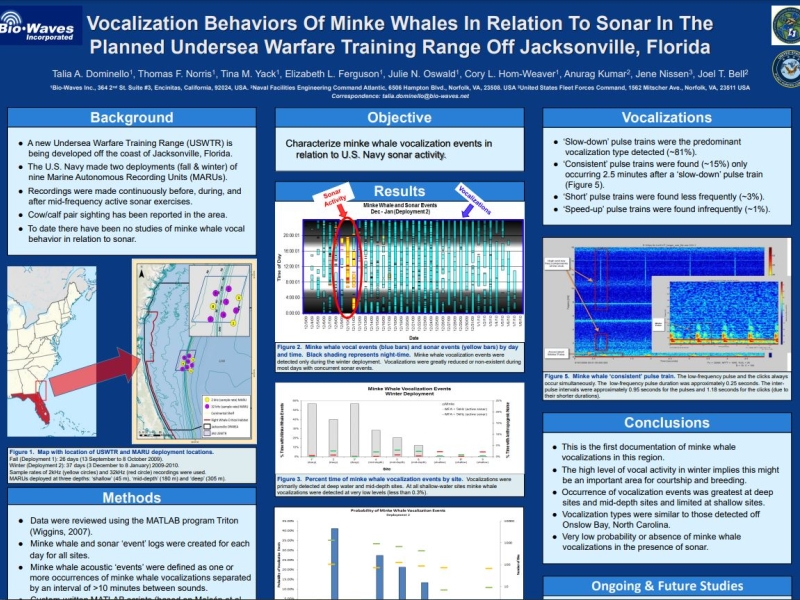
Vocalization behaviors of minke whales in relation to sonar in the planned Undersea Warfare Training Range off Jacksonville, FL.
20th Biennial Conference on the Biology of Marine Mammals .
More details
Collapse details
Date Published:
Filesize:
- December 9, 2013
Autonomous acoustic recorders are effective for investigating the distribution, occurrence, and acoustic behaviors of a variety of marine mammals in remote and deep-water locations. Nine Marine Autonomous Recording Units (MARU’s) were deployed in a rectangular array at a site coinciding with the United States (U.S.) Navy’s planned Undersea Warfare Training Range (USWTR) approximately 60-150 kilometers offshore Jacksonville, FL. All 9 units were deployed for 26 days in fall (13 September to 8 October) and 37 days in winter (3 December to 8 January) 2009-2010 at shallow, mid-depth, and deep sites (45, 183, 305 meters). The timing of the deployments allowed recordings of cetacean vocalizations and sonar activity to be made before, during, and after two U.S. Navy training exercises. The goal of this study was to characterize minke whale vocal activity in relation to U.S. Navy mid-frequency sonar signals. Data were reviewed in detail using the MATLAB program Triton (Wiggins 2007). Event logs were created for each day at every site. Custom-written MATLAB scripts were used to calculate the probability of minke whale vocalization events occurring in the presence and in the absence of mid-frequency sonar. Minke whale vocalization events were completely absent in the fall deployment period, but occurred almost continuously during the winter deployment, indicating a strong seasonal pattern of occurrence. Minke whale vocalizations were detected most frequently at deep-water sites, but only at low levels (
- 212.40 KB
Comparison of echolocation clicks produced by four killer whale communities in the northeastern Pacific Ocean.
21st Biennial Conference on the Biology of Marine Mammals .
More details
Collapse details
Date Published:
Filesize:
- December 13, 2015
Visually validated towed hydrophone array recordings made in the presence of four killer whale communities (northern and southern residents, offshores, and west coast transients) were collected during the Pacific Orca Distribution Surveys (PODS) conducted by the Northwest Fisheries Science Center in the winters of 2006-2009, 2012, 2013, and 2015. Killer whale communities are known to exhibit differences in their prey preferences, genetic structure, and acoustic call repertoire, but little is known about differences in echolocation clicks. Over 20,000 echolocation clicks were measured from 49 independent killer whale acoustic encounters that were recorded during these cruises to compare signal parameters between communities. Echolocation click parameters were measured automatically using tools available in PAMGuard software. Results of pairwise comparisons indicated that duration, center frequency, peak frequency, sweep rate, number of zero crossings, and inter-click interval were significantly different (Kolmogorov-Smirnov test, p
- 91.96 KB
More than just a migration corridor: Important North Atlantic right whale surface-active behaviors observed in the western Mid-Atlantic.
North Atlantic Right Whale Consortium Annual Meeting, 24-25 October 2023, Halifax, Nova Scotia, Canada .
More details
Collapse details
Date Published:
- October 24, 2023
In the strike zone? Tag data provides a better understanding of dive and surface behavior of North Atlantic right whales in the western Mid-Atlantic.
24-25 October 2023, Halifax, Nova Scotia, Canada. .
More details
Collapse details
Date Published:
- October 24, 2020
- 3,074.71 KB
Seasonal variation of occurrence, distribution, and density of bottlenose dolphins in the southern Chesapeake Bay and Virginia coastline.
21st Biennial Conference on the Biology of Marine Mammals .
More details
Collapse details
Date Published:
Filesize:
- December 13, 2015
A combination of visual line-transect survey and photo-identification methods is being used to gather baseline information on the occurrence, distribution, and density of marine mammals near areas of substantial U.S. Navy activity in Virginia. Forty-seven line-transect surveys were completed in two zones (INSHORE and MINEX) between August 2012 and December 2014, with 5,106 km and 276.5 hours completed on-effort. The majority of sightings were of common bottlenose dolphins (Tursiops truncatus), although humpback whales (Megaptera novaeangliae) and shortbeaked common dolphins (Delphinus delphis) were also sighted. Conventional line-transect analysis of bottlenose dolphin sightings showed both spatial and seasonal variation in density (D) and abundance (N), with greatest abundance in the MINEX zone during fall months, followed closely by the INSHORE zone during fall months. Densities in the INSHORE zone were calculated as 4.12 individuals per km2 (abundance [N] =1,279) in fall, 0.45 (N=138) in winter, 1.02 (N=316) in spring, and 2.86 (N=887) in summer. Densities in the MINEX zone were calculated as 2.23 individuals per km2 (N=1,333) in fall, 0.06 (N=35) in winter, 0.24 (N=145) in spring, and 1.19 (N=709) in summer. Nineteen photo-ID surveys were completed, and a catalog was created using photos taken during both dedicated photo-ID and line-transect surveys. Approximately 500 unique individuals were added to the catalog from the first year of survey efforts. Re-sighting rates across surveys were low, indicating an open population, with short-term visits to the area. Most re-sightings were less than 3 months and 21 km apart, and between-year re-sightings showed seasonal occurrence in the study area-with animals not sighted for the majority of the year then returning the following year in the same season. Further analyses are needed to better define the distribution patterns of the dolphins utilizing the area, and the extent of overlap with bottlenose dolphin stocks along the coast.
- 91.82 KB
Sitka WhaleFest, Sitka Sound Science Center, November 2-5, 2023, Sitka, Alaska .
More details
Collapse details
Modeling of zones of influence and ambient noise metrics to inform decision making.
21st Biennial Conference on the Biology of Marine Mammals .
More details
Collapse details
Date Published:
Filesize:
- December 13, 2015
Measurements of underwater noise from pile driving were collected in San Diego Bay during a marine construction project to inform placement of marine mammal observers, and adhere to Incidental Harassment Authorization (IHA) requirements. This work presents the modeling of Zones of Influence (ZOIs) for pile driving noise as well as results from ambient noise monitoring. Results from real-time monitoring showed good agreement with the modeling isopleths associated with the 190 dB and 180 dB isopleths (rms level, dB re 1 µPa) that define Level A injury thresholds for pinnipeds and cetaceans, respectively. Ambient noise measurements were also collected in the bay; we evaluate the L10, L50 and L90 exceedance levels (where Lx means these values were exceeded x% of the time) from a regulatory standpoint.
- 91.82 KB
Estimation of acoustic-based detection functions for sperm whale encounters in the Northern Mariana Islands.
6th International Workshop on Detection, Classification, Localization and Density Estimation of Marine Mammals using Passive Acoustics. .
More details
Collapse details
Date Published:
Filesize:
- June 12, 2013
A three month visual and acoustic line-transect survey of a large (584,800 km2) study area centered on the Northern Mariana Islands (MISTCS) was conducted in winter of 2007 (DoN 2007). Line-transect survey and analytical methods are well developed for estimating abundance of marine mammals using visual sighting data. These methods also can be applied to acoustic data when a perpendicular distance from the trackline to the "detection" is obtained. Sperm whales produce distinctive broadband (100 Hz to 25 kHz) echolocation signals. Although sperm whales typically produce "regular" clicks, males are known to produce high amplitude clicks with slow inter-click intervals (i.e. "slow" clicks). Previous studies have used a combination of acoustic and visual survey methods to estimate sperm whale densities. The aim of this study was to use acoustic localizations of sperm whales to estimate a detection function for the MISTCS study area. Sperm whale acoustic encounters were post-processed using PAMGuard software to obtain "click files" that were then processed using Rainbow Click software (IFAW). Rainbow Click was used to visualize time/bearing and map displays of detected clicks and associated bearing estimates, and mark individual click trains ("events") for each encounter. Target motion analysis methods utilizing a least squares algorithm to calculate perpendicular distances to each "animal/event" were applied using custom MATLAB code that interfaced with Rainbow Click. Next, perpendicular distances and transect length data were imported into the software program Distance (6.0 release 2) to model detection functions. Models were fit for all clicks types combined, regular clicks only, and slow clicks only. Slow and regular click localizations exhibited different shapes in their distribution, likely because slow clicks have higher amplitudes and can be detected over greater ranges than regular clicks. A discussion of these results and comparisons to similar research using acoustic-based line-transect data will be presented.
- 189.52 KB
Western Pacific Ocean Sperm Whale Coda Repertoires.
Southern California Marine Mammal Workshop 2013. .
More details
Collapse details
Date Published:
Filesize:
- February 1, 2013
Sperm whales are highly social cetaceans that live in matrilineal family units and inhabit all ocean basins from the tropics to polar regions. They produce stereotyped patterns of 3 to 40 broadband clicks, termed “codas,” that typically occur within a period of less than 3 seconds. Coda repertoires are unique for different sperm whale social units. These have been referred to as "dialects" and can be assigned to one of several larger social groups termed "vocal clans," which have been used to define sperm whale population structure. Extensive studies of vocal clans have been conducted in the eastern tropical Pacific Ocean (ETP), however little is known about sperm whale coda repertoires in the western Pacific Ocean. Codas can be classified into types according to the number and temporal pattern of the clicks. Rendell and Whitehead (2003) identified five vocal clans across the ETP and south Pacific oceans. The three dominant clans are termed “regular,” “+1” and “short” based on the predominant coda type represented in the repertoire. We reviewed codas recorded from independent sperm whale groups that were acoustically and visually encountered during two marine mammal surveys in the Northern Mariana Islands and Palau regions, conducted in 2007 and 2012 respectively. Using the sperm whale click detector module and event identification modules in the acoustic processing software PAMGuard, we isolated and identified coda inter-click intervals for ten sperm whale groups from the Mariana Islands survey and three groups from the Palau survey. Three bioacousticians classified each coda to type. Codas that were not classified the same by two or more bioacousticians were excluded from further analysis. This qualitative process of identifying coda types resulted in large representation of the "regular" vocal clan. The identification of regular vocal clans within this region has implications for understanding the culturally-linked stock distribution and population structure of sperm whales in this region and across the Pacific Ocean. Several studies have evaluated the relationship between genetic variation and vocal repertoire to inform sperm whale stock management. To better understand the potential relationship between genetics and population structure of sperm whale stocks within the Pacific Ocean basin, we recommend future studies of sperm whales in the western Pacific Ocean that include genetic sampling paired with passive acoustic monitoring.
- 321.30 KB
Should I stay or should I go: Movement and residency patterns of satellite tagged pilot whales offshore of Cape Hatteras, NC.
21st Biennial Conference on the Biology of Marine Mammals .
More details
Collapse details
Date Published:
Filesize:
- December 13, 2015
We deployed 20 Low-Impact Minimally-Percutaneous External-electronics Transmitter (LIMPET) satellite-linked transmitters and dive recorders on short-finned pilot whales (Globicephala macrorhynchus) off Cape Hatteras, NC during the summer of 2014. Our objective was to obtain information on medium-term movement and diving patterns of individual animals to complement existing information on long-term residency patterns derived from photo-identification and shortterm diving behavior from Digital Acoustic Tags. We deployed 14 location-only (SPOT5) tags and six MK 10-A tags, which provided information on depth of dive, as well as location data. We received transmissions and data from these tags for up to 194 days (median=43 days). Tagged individuals ranged from Onslow Bay, NC north to Georges Bank, MA, and east to the New England seamounts. Most tagged individuals showed a very strong affinity for the continental shelf break, but there was wide variation in movement patterns and habitat use at the individual level. Maximum distances from the tagging location ranged from 7 - 1192 km (median=252 km), while cumulative distances traveled spanned 55 - 7564 km (median=2322 km). Despite these long-distance movements, however, we observed a high degree of site fidelity of short-finned pilot whales off Cape Hatteras, with 25 inter-annual and inter-season photographic matches (11%) in a preliminary catalog of 229 individuals. Some individuals have been matched over periods of up to six years. We matched three of the satellite-tagged animals (15%) to our existing photo-identification catalog. One hypothesis for this apparent conundrum is that the shelf break offshore of Cape Hatteras, NC is an important area for this species, to which individuals return frequently. We are conducting additional satellite tagging efforts off Cape Hatteras, NC and continuing to examine photo-identification records and social structure of short-finned pilot whales to further refine patterns of their long-term spatial and habitat use of the species in the Northwest Atlantic.
- 91.96 KB
Occurrence and distribution of marine mammals in a proposed Undersea Warfare Training Range off Jacksonville, FL.
19th Biennial Conference on the Biology of Marine Mammals .
More details
Collapse details
Date Published:
Filesize:
- November 27, 2011
The U.S. Navy has proposed establishing an Undersea Warfare Training Range (USWTR) in an area between 60 and 150 km off the coast of Jacksonville, Florida. To establish baseline information on the occurrence and distribution of marine mammals in this area we conducted aerial and shipboard line-transect surveys and a passive acoustic monitoring program. Here we report the results of aerial and shipboard line-transect surveys conducted between January 2009 and April 2011. During this period, we flew 42,895 km of aerial tracklines and recorded 477 sightings of ten cetacean species (n=5,736 individuals). Tursiops truncatus was encountered most commonly (202 sightings, n=1,699), followed by Stenella frontalis (184 sightings, n=3,213). Other species observed during aerial surveys include Grampus griseus (n=350), Globicephala macrorhynchus (n=174), Steno acutorostrata (n=13), Eubalaena bredanensis (n=118),Balaenoptera glacialis (n=3), Physeter macrocephalus (n=2), Kogia spp. (n=1), and Megaptera novaeangliae (n=1). In 35 vessel surveys totaling 2,486 km we encountered three cetacean species in 77 sightings (n=576). S. frontalis and T. truncatus were observed most often, followed by G. griseus (n=351, 160, and 43, respectively). T. truncatus was observed throughout the entire survey area, but S. frontalis and S. bredanensis were seen exclusively on the continental shelf. All E. glacialis sightings, including a rare observation of an offshore birth, occurred on the western edge of the survey area. All other species were detected only in pelagic waters. Stenella frontalis, T. truncatus, and G. griseus were observed throughout the year (12, 11, and 9 calendar months, respectively); G. macrorhynchus and S. bredanensis were detected from April to October, and all mysticete species were seen only between December and March. This monitoring program, combining a variety of survey modalities, is providing a rich picture of the cetacean fauna in these poorly studied offshore waters.
- 147.41 KB
Protected Species Monitoring in the Proposed Undersea Warfare Training Range Offshore of Jacksonville, FL .
SEAMAMMS (Southeast and Mid-Atlantic Marine Mammal Symposium). .
More details
Collapse details
Date Published:
Filesize:
- March 22, 2013
A multi-institutional marine protected species monitoring program involving aerial, vessel and acoustic surveillance techniques was implemented at the proposed Undersea Warfare Training Range (USWTR) offshore of Jacksonville, Florida in January 2009. Visual surveys, in conjunction with acoustic sampling methods, have been conducted to investigate cetacean and sea turtle occurrence, distribution and abundance. Through December 2012 a total of 722 aerial tracklines (60687 km) were flown, resulting in 641 cetacean sightings, encompassing 8079 individuals. Tursiops truncatus and Stenella frontalis were the most frequently encountered, followed by Grampus griseus, Globicephala macrorhynchus, Balaenoptera acutorostrata, Steno bredanensis, Eubalaena glacialis, Megaptera novaeangliae, Physeter macrocephalus, and Kogia spp. Cetaceans were encountered 126 times during the 3403 km of vessel surveys, totaling 950 individuals. Sightings consisted of S. frontalis, T. truncatus, G. macrorhynchus, and G. griseus. Across all visual platforms, T. truncatus were encountered throughout the range, whereas S. frontalis, S. bredanensis, and E. glacialis were recorded exclusively in shelf waters. All other species were detected only in pelagic waters. The towed passive acoustic array was deployed during 21 vessel surveys, generating 24.2 hours of recordings, detecting all four sighted species. High frequency acoustic recording packages (HARPs) were deployed at two sites in the study area for long‐term passive acoustic monitoring. The HARP data have been analyzed for diel, seasonal, and interannual trends in cetacean occurrence. Surveys are scheduled to continue in order to asses long‐term habitat usage patterns in the USWTR.
- 399.45 KB
Movement and residency patterns of satellite tagged odontocetes offshore of Cape Hatteras, NC.
SEAMAMMS (Southeast and Mid-Atlantic Marine Mammal Symposium) .
More details
Collapse details
Date Published:
Filesize:
- March 27, 2015
We deployed satellite-linked transmitters and dive recorders on several odontocete species off Cape Hatteras, NC as part of a multi-institutional marine protected species monitoring program, involving vessel, aerial, and acoustic survey methods. Our objective was to obtain information on medium-term movement and diving patterns of individual animals to complement existing information on long-term residency patterns derived from photo-identification and short-term dive records obtained from Digital Acoustic Tags (DTags). We deployed 29 Low-Impact Minimally-Percutaneous Externalelectronics Transmitter (LIMPET) tags on individuals of four species during the summer of 2014: 20 Globicephala macrorhynchus, 5 Tursiops truncatus, 3 Ziphius cavirostris, and 1 Delphinus delphis. Nineteen location-only (SPOT5) tags were deployed, while ten tags provided information on depth of dive, as well as location data (MK 10-A). We received data from these tags for up to 193 days. Tagged individuals ranged from Onslow Bay, NC north to Georges Bank, MA, and east to the New England seamounts. Pilot whales in particular showed a very strong affinity for the continental shelf break, but there was variation in movement patterns at both the species and individual levels. Maximum dive depths were 2,800 m for beaked whales (n=2), 1,104 m for pilot whales (n=4) and 944 m for pelagic bottlenose dolphins (n=2). We either re-sighted or matched five of the tagged animals (17%) to our existing photo-identification catalogs. Our results show both strong habitat affinities for these animals and a high and surprising degree of residency, especially for the beaked whales and bottlenose dolphins. We hope to conduct additional tagging efforts off Cape Hatteras, NC and Jacksonville, FL to further refine patterns of long-term spatial and habitat use of odontocetes in the Northwest Atlantic.
- 93.52 KB
Fine scale movements and swimming kinematics of blue whales off southern California including reaction to simulated military sonar.
19th Biennial Conference on the Biology of Marine Mammals .
More details
Collapse details
Date Published:
Filesize:
- November 27, 2011
The effects of anthropogenic sound on marine mammal behavior remains poorly understood, particularly with respect to fine-scale movement patterns. We exposed tagged blue whales to simulated navy sonar during the SOCAL10 behavioral response study in Southern California. We used two different high-resolution, suctioncup digital archival tags to examine fine-scale whale movement: DTAGs and Bioacoustic Probes. The Bioacoustic probe, which included a hydrophone, a pressure transducer, and a dual-axis accelerometer, allowed us to estimate speed and pitch. The DTAGs are equipped with stereo hydrophones, a pressure transducer, and three-axis accelerometers and magnetometers. These sensors allowed us to determine fine-scale movement in three dimensions and received levels of sound. Our study included 19 sound exposures, consisting of 11 playbacks of mid-frequency sonar and 8 control playbacks of pseudo-random noise. We analyzed 24 parameters related to dive and body kinematics for each dive before, during and after sound exposure. Statistical models were applied to assess the significance of changes in these parameters in relation to the received sound level and distance from the source to the whale. During some exposures there were increases in speed and changes in ascent behavior as well as an apparent displacement away from the sound source after the onset of exposure. However, no clear responses were seen in these behaviors for other exposures. Given the range of factors that can characterize behavior and the potential for infrequent or subtle reactions, these data highlight the need for sufficient baseline data and a comprehensive understanding of the behavioral (social interactions), ecological (prey distribution), and evolutionary (fight or flight) contexts in which assessments of sound effects are made. Blue whales produce low-frequency calls and have generally not been considered sensitive to mid-frequency sounds, however, the current study indicates they may respond under certain situations.
- 146.02 KB
Satellite-tagging and photo-ID provide further evidence of multiple island-associated populations of common bottlenose dolphins in the main Hawaiian Islands.
20th Biennial Conference on the Biology of Marine Mammals. .
More details
Collapse details
Date Published:
Filesize:
- December 9, 2013
In 2011 the National Marine Fisheries Service recognized four separate island-associated stocks of common bottlenose dolphins within the main Hawaiian Islands, based on photoidentification studies over a 7-year period (2000-2006) as well as genetic analyses of skin biopsy samples. However, uncertainty remains regarding movements outside of the photoID study areas due to spatial biases in sampling effort, particularly the general restriction of small-boat based sampling efforts to the leeward sides of the islands. Since these earlier studies, we have obtained an additional seven years of photoidentification data (2007-2013) from among all the island areas, and deployed satellite tags on nine individual bottlenose dolphins from three of the four stocks (Kaua‘i/Ni‘ihau, 4islands, Hawai‘i Island). Here we assess movements using photo-ID and satellite tag data to ascertain whether these new data sets support or refute the designation of four islandassociated stocks. The photo-ID catalog spanning 2000-2013 includes 1,130 identifications of 509 distinctive individuals. Earlier analyses documented no movements among island areas; with the larger sample size, movements of one individual from O‘ahu to Moloka‘i, across stock boundaries has been documented, although this individual was not observed associating with the main social cluster documented from the 4island stock. Satellite tagged individuals traveled an average of 1,208 km with average tag attachment durations of 18 days (range 9-34), yet median distance from deployment location was only 21 km (maximum distances from deployment location range = 38.6 to 61.4 km). All tagged individuals remained within their recognized stock boundaries, and individuals used both leeward and windward sides of the islands, suggesting the spatially-biased boat-based efforts sample individuals that use both sides of the islands. Our results support earlier assessments of limited movements among island areas and the existence of multiple island-associated populations of this species in the Hawaiian Archipelago.
- 8,528.55 KB
Navy Living Marine Resources Meeting, Santa Barbara, California. November 2023 .
More details
Collapse details
SMART SEED Annual Review. Tysons, Virginia .
Oral Presentation, Effects of Sound on Marine Mammals, Beaufort, North Carolina, 15-18 March 2022 .
More details
Collapse details
Date Published:
- March 15, 2022
Acoustic detection of Atlantic bottlenose dolphin (Tursiops truncatus) vocalizations using SSQ53F sonobuoys modified for autonomous data collection.
19th Biennial Conference on the Biology of Marine Mammals .
More details
Collapse details
Date Published:
Filesize:
- November 27, 2011
SSQ53F sonobuoys provide an expendable acoustic monitoring capability for Navy aircraft and surface vessels. Data is transmitted from the buoy to a receiver system on either platform via selectable VHF frequencies. While this sensor has proven valuable in nonmilitary marine mammal detection and localization scenarios, VHF interference encountered during near shore monitoring often precludes continuous coverage. The use of autonomous recording packages, constructed from expended SSQ-53F hardware and hydrophones would provide a cost effective solution to this challenge. In August of 2010, five recording packages were deployed during a three day visual and acoustic survey onboard the U.S. Naval Academy’s 109’ research vessel. The survey was conducted in support of the monitoring plan for the Virginia Capes (VACAPES) Letter of Authorization under the MMPA. When deployed, the constant shallow omni-directional (CSO) hydrophone output voltage was recorded directly from the sonobuoy’s Electronic Function System (EFS) circuit board at a 96 kHz sampling rate using a MicroTrack II digital recorder. The packages proved successful as numerous Tursiops truncatus vocalizations were detected. Sonobuoy deconstruct, feasibility test methodology, and lessons learned will be presented.
- 157.72 KB
Acoustic detection of Atlantic bottlenose dolphin (Tursiops truncatus) vocalizations using SSQ53F sonobuoys modified for autonomous data collection.
Fifth International Workshop on Detection, Classification, Localization, and Density Estimation of Marine Mammals using Passive Acoustics .
More details
Collapse details
Date Published:
Filesize:
- August 21, 2011
SSQ53F sonobuoys provide a reliable though expendable passive monitoring capability for both aircraft and surface Navy vessels. Acoustic data is transmitted from the buoy to a receiver system on either platform via selectable VHF frequencies. While this sensor has proven valuable in most marine mammal detection and localization applications, monitoring regions with significant VHF interference preclude continuous coverage. The use of GPS tracked, autonomous recording packages, constructed from expended SSQ-53F hardware and hydrophones would best suit this purpose. In August of 2010, five “spar buoy” packages were deployed during a three day visual and acoustic survey onboard the U.S. Naval Academy’s 109 foot research vessel in the Virginia Capes Operating Area. Portions of the survey track were within 3 miles of the Virginia coastline and as expected, VHF interference was encountered. When deployed, the constant shallow omni-directional (CSO) hydrophone output voltage was recorded directly from the sonobuoy’s Electronic Function System (EFS) circuit board at a 96 kHz sampling rate using a MicroTrack II digital recorder. The system proved successful as numerous Tursiops truncatus vocalizations were detected. S onobuoy deconstruct, feasibility test methodology, and lessons learned will be presented.
- 575.41 KB
Marine mammal monitoring during a Navy explosives training event off the coast of Virginia Beach, Virginia.
Fifth International Workshop on Detection, Classification, Localization, and Density Estimation of Marine Mammals using Passive Acoustics .
More details
Collapse details
Date Published:
Filesize:
- August 21, 2011
Navy explosives training events pose a risk to marine mammals and sea turtles. In order to minimize the potential impacts and in support of the monitoring plan for the Virginia Capes (VACAPES) Letter of Authorization under the MMPA, visual and acoustic surveys were conducted during explosive training events conducted in August of 2009, 2010 and 2011. Each year's monitoring plan consists of visual and acoustic surveys onboard the U.S. Naval Academy's 109 foot research vessel one day prior to, during and following the explosive training events. In 2009, visual surveys were conducted and a single hydrophone was deployed as a feasibility study and approximately 20 minutes of acoustic data was collected. I n 2010, visual and acoustic surveys were conducted which included the use of five SSQ53F sonobuoys modified for autonomous use. Approximately 20 hours of acoustic data was collected over three days. The August 2011 monitoring cruise will include visual surveys and will utilize six autonomous hydrophones able to record data locally with a sampling rate of 96 kHz. Methods, preliminary results, and lessons learned will be presented.
- 574.61 KB
Follow-up observations of satellite-tagged sperm whales in the Gulf of Mexico for evaluation of potential tag effects and wound healing.
21st Biennial Conference on the Biology of Marine Mammals .
More details
Collapse details
Date Published:
Filesize:
- December 13, 2015
Long-term implantable satellite tags provide valuable distribution and behavior information for wide-ranging large whales. Follow-up observations of whales tagged with these telemetry devices are critical in evaluating potential health effects from tagging, but are especially difficult for species with cosmopolitan distributions with the ability to travel 100+ km/day. Sperm whales in the Gulf of Mexico are good subjects for such studies, in that animals can be predictability relocated year-round in areas around bathymetric features and have been tagged over a period of many years. A total of 134 Argos satellite-monitored radio tags were deployed on sperm whales from 2001 to 2013: 94 Telonics ST-15 location-only tags (1.9 cm diameter, 26.3 cm long implantable portion), 20 Wildlife Computers Spot-5 location only tags (2.1 cm diameter, 27.2 cm long implantable portion), and 20 Wildlife Computers MK-10 Advanced Dive Behavior tags (2.6 cm diameter, 24.8 cm long implantable portion). Whales were photographed at the time of tagging for identification and to assess tag application. Follow-up observations were undertaken in subsequent tagging seasons and on dedicated resighting trips. Twenty-nine whales were resighted (some up to four times in multiple years) from 1 day to 10 years after tagging. Fifteen of these had tags still attached and 28 were resighted without tags. Some whales were initially resighted with tags, but without tags on subsequent observations. Swelling occurred at two tag sites. Scars after tag loss consisted of fully re-pigmented divots (1-3 cm deep by 4-8 cm diameter). None of the resighted whales showed signs of emaciation or having other health issues, and their behavior was similar to that of untagged whales. One whale was observed with a new calf one year after tagging. These results indicate that satellite tagging poses little or no observable adverse health effects for sperm whales.
- 91.67 KB
Cue rate and track kinematics of calling Bryde's whales (Balaenoptera brydei) transiting through the U.S. Pacific Missile Range Facility (PRMF).
21st Biennial Conference on the Biology of Marine Mammals .
More details
Collapse details
Date Published:
Filesize:
- December 13, 2015
A Time Difference of Arrival (TDOA) method was used to acoustically localize vocalizing Bryde's whales (Balaenoptera brydei) on the Navy's Pacific Missile Range Facility (PMRF) in Hawaii. Over 130 days of data were recorded from 2011- 2015, resulting in over 12 Bryde's tracks. The tracks were analyzed for cue rates, swim patterns, bearing, directivity, speed, and dive depths. In six of the encounters the Bryde's appear to be traveling in fairly constant headings (typically south-southwest or westerly) crossing the range area over distances ranging from 12 to 27 km over time periods of 1.5 to 6 h with estimated swim speeds up to 12 km/h. Vocalizing whales produced acoustic cues every 3-7 minutes while transiting. Although the occurrence of transiting Bryde's whales is relatively low, the tracks can provide valuable information about the habitat use of this offshore region, particularly because both visual surveys and animal tagging is difficult in this area.
- 91.57 KB
The 9th International Workshop on Detection, Classification, Localization, And Density Estimation of Marine Mammals Using Passive Acoustics, Honolulu, Hawaii, 7–11 March 2022 .
More details
Collapse details
Navy Living Marine Resources Meeting, Santa Barbara, California. November 2023. .
More details
Collapse details
Behavior and habitat use of humpback whales (Megaptera novaeangliae) on a US Navy training range.
21st Biennial Conference on the Biology of Marine Mammals .
More details
Collapse details
Date Published:
Filesize:
- December 13, 2015
A Time Difference of Arrival (TDOA) method was used to acoustically localize singing humpback whales (Megaptera novaeangliae) on the US Navy's Pacific Missile Range Facility (PMRF) in Hawaii. 2090 hours of recorded data were collected during non-training event periods between September and June, 2011-2014. Eighty-one three-dimensional tracks were obtained with one to six tracks occurring on 42 separate days. The minimum detection rate occurred in January 2012 with 0.01 dives per hour of effort, and a maximum detection rate of 0.18 dives per hour of effort occurred in March 2011. Tracks were determined to fall into three behavioral categories - Travel, Localized Dive, and Mill. Metrics including bearing, directivity, speed, and dive depths were measured and compared between behavior categories, as well as across the breeding season. While the mean track bearings were not statistically different across months, the range of bearings was more restricted in December-February (152° - 250°, S-SW) than in March-May (114° - 346°, SE-NNW). Tracks of Travel behavior had the highest mean speed, longest distances, deepest dives, and the most direct path. Localized Dives had the least direct path and occurred over the shortest distances. Most tracks started and finished during the daytime period with some continuing into the night, but no tracks started and ended at night, indicating some diel periodicity to the behavior in this area. This analysis can provide valuable information about the habitat use of an offshore portion of humpback whale breeding grounds and the baseline behavior of humpback whales on a US Navy range.
- 91.64 KB
Navy Marine Species Monitoring Meeting, San Diego, California, April 2022 .
More details
Collapse details
The Effects of Noise on Aquatic Life, Berlin, Germany, 10-15 July 2022 .
Southern California Marine Mammal Workshop 2018 .
More details
Collapse details
Behavioral Response of Blainville’s Beaked Whales (Mesoplodon densirostris) to U.S. Navy Training Activity.
8th International Bio-Logging Science Symposium. 4–8 March 2024. Tokyo, Japan .
More details
Collapse details
Date Published:
- March 4, 2024
- 2,030.26 KB
Short-finned pilot whales (Globicephala macrorhynchus) of the Marianas.
21st Biennial Conference on the Biology of Marine Mammals .
More details
Collapse details
Date Published:
Filesize:
- December 13, 2015
Prior to this study, very little was known about short-finned pilot whales (Globicephala macrorhynchus; SFPW) in the Marianas. Small-boat surveys were conducted on 152 days in February - September 2010-2014 within the waters surrounding the southernmost islands of the Mariana Archipelago. Photo-identification data from 19 encounters with SFPWs and satellite-tag data from 6 encounters with SFPWs were used to investigate individual associations, movements, and space use. A total of 178 distinctive individuals were used in the analysis. Over half (63%) were photographed more than once across multiple years. A network diagram of cataloged individuals suggests there may be separate social networks within the southern Marianas. Ten location-only (SPOT-240C, Wildlife Computers) and one location-depth (SPLASH-292B, Wildlife Computers) satellite tags were deployed in the summer of 2013 and 2014. Individual kernel densities estimates (kde) were calculated for tagged SFPWs with >30 (2 daily) tag locations during summer (June-August). These kdes were then combined to get a single kde for all tagged SFPWs, as well as for each of the two largest social networks in order to estimate probability density contours to find areas with the highest probability of use (10%), core areas (50%), and home ranges (95%) during summer. The areas with highest probability of use during summer were off the west sides of Guam and Rota with no overlap between the two networks. Overlap occurred in both core areas and home ranges. Satellite tag data indicate occasional distant offshore movements by individuals, up to 417 km from shore, though the median distance from shore (17 km) indicates a greater use of near island waters. The location-depth tag duration was 35 days during which 1,321 dives ≥30 m were recorded. The deepest dive recorded was 1,183 m with a 16 min duration. The longest dive was 24 min to a depth of 512 m.
- 111.97 KB
Cetacean Research in the Marianas.
NMFS-PIFSC External Program Review of Protected Species Science .
More details
Collapse details
Date Published:
Filesize:
- April 16, 2026
Goals: Understand species occurrence and distribution. Determine the population structure and abundance of the those species. Study the movements and habitat use of individuals and populations. Methods: Small boat-based and ship-based surveys. Passive acoustic recordings (HARPs & towed array). Photo-ID, biopsy sampling, and satellite tagging.
- 5,971.92 KB
Temporal variation in odontocete vocal events in Onslow Bay, North Carolina.
19th Biennial Conference on the Biology of Marine Mammals .
More details
Collapse details
Date Published:
Filesize:
- November 27, 2011
Long-term recordings from passive acoustic monitoring allow examination of diel, seasonal, and inter-annual variation in the occurrence of vocalizing marine mammals. We used High-frequency Acoustic Recording Packages (HARPs) to determine how odontocete vocal events varied temporally in Onslow Bay, North Carolina from October 2007 to April 2010. The recordings showed Risso’s dolphins, sperm whales, and unidentified delphinids are present throughout the year, with sporadic occurrence of Kogia spp. Risso’s dolphins and sperm whales showed a nocturnal increase in the occurrence of clicks; Kogia spp. showed no significant diel variation in the occurrence of clicks; and unidentified delphinids showed either an increase in vocal events at dawn or at night, depending on the time of year and recording site. From mid-November to January, a pattern of long-duration and clustered vocal events is evident in the latenight, early-morning period at a shallow site along the shelf break. These signals were not seen at a deeper site during the same time period, suggesting that animals are moving toward the shelf break area, are staying in the shallow area for longer periods of time, are composed of larger group sizes, and/or are from a migratory species or stock. In addition, these extended vocal events may be indicative of a behavioral change, such as an increase in foraging. Future studies will focus effort on discriminating vocalizations belonging to unidentified delphinids as the majority of the vocalizations came from this group and could shed light on the species responsible for the dawn increase in vocal events.
- 146.32 KB
Protected Species Monitoring in the Proposed Undersea Warfare Training Range Offshore of Jacksonville, FL: January – December 2010 .
SEAMAMMS (Southeast and Mid-Atlantic Marine Mammal Symposium) .
More details
Collapse details
Date Published:
Filesize:
- April 1, 2011
A multi-institutional, marine protected species monitoring program, involving aerial, vessel and acoustic surveillance techniques, has been implemented at the proposed Undersea Warfare Training Range (USWTR) offshore of Jacksonville, Florida. This abstract reports on the second year of aerial and vessel visual line-transect and acoustic surveys used to investigate cetacean and sea turtle occurrence, distribution and abundance. During aerial surveys, a total of 269 track‐lines (22,695 km) were completed, the majority of which were flown in low Beaufort Sea State (BSS) conditions (94% in BSS 3 or lower). A total of 3,285 cetaceans were recorded in 286 sightings. Tursiops truncatus and Stenella frontalis were the most frequently encountered, followed by Grampus griseus, Globicephala macrorhynchus, Balaenoptera acutorostrata, Steno bredanensis, Eubalaena glacialis, Megaptera novaeangliae, and Physeter macrocephalus. On March 20, an E. glacialis birth was observed, an event which has only been witnessed once before. Cetaceans were encountered 46 times during the 18.5 days of vessel surveys. Sightings consisted of S. frontalis, T. truncatus, G. macrorhynchus, and G. griseus. The towed passive acoustic array was deployed during 12 vessel surveys, generating a total of 13.75 hrs of recordings including all four sighted species. Two autonomous high frequency acoustic recording packages (HARPs) were deployed in the study region between March 1‐December 31 for long‐ term passive acoustic monitoring. HARP recordings have been recovered from the seafloor and are being analyzed for diel, seasonal, and interannual trends in cetacean occurrence. Surveys are scheduled to continue through 2012 to provide long‐term habitat usage patterns in the USWTR.
- 175.57 KB
The acoustic behavior of minke whales in relation to mid-frequency active sonar.
21st Biennial Conference on the Biology of Marine Mammals .
More details
Collapse details
Date Published:
Filesize:
- December 13, 2015
A preliminary analysis of minke whale (Balaenoptera acutorostrata) acoustic behavior using data collected from Marine Acoustic Recording Units moored off Jacksonville, Florida in the fall and winter of 2009-2010 indicated that the duration of detected minke whale pulse trains was negatively influenced by the presence of Mid-Frequency Active Sonar (MFAS) activity. Other possible responses to MFAS include changes in characteristics of vocalizations, and movement away from the study area, which would result in a perceived change in vocal activity. Due to a low sample size, more data were needed to further investigate this potential change in vocal activity. Additional analysis was conducted by examining the occurrence and characteristics of minke whale pulse trains twenty-four hours before, during, and twenty-four hours after sonar activity. Acoustic data used for this analysis were collected in 2010-2012 with four High-frequency Acoustic Recording Packages (HARPs) deployed off of Jacksonville, Florida, Onslow Bay, North Carolina, and Cape Hatteras, North Carolina. Periods of MFAS activity were detected and characterized using custom MATLAB® code (SonarFinder). Of the four datasets analyzed, two contained minke whale pulse trains that occurred before, during, and/or after periods of MFAS activity. Over 120 hours of recordings containing minke whale pulse trains from 49 encounters (a sequence of pulse trains with no more than 30 minutes between calls) were reviewed. Pulse trains were annotated and characterized by pulse train type (slow-down, speed-up, or constant), signal to noise ratio (SNR), and frequency range. Only pulse trains with an SNR of greater than 8dB were further analyzed to measure additional variables, including duration and pulse repetition rate. Our statistical analysis to assess changes in the occurrence and characteristics of minke whale pulse trains in relation to MFAS activity will provide insight into minke whale behavior and help guide the development of mitigation strategies for this species.
- 92.11 KB
Source levels and spectral characteristics of sound produced during pile driving at US East Coast Navy Installations.
4th International Conference on the Effects of Noise on Aquatic Life .
More details
Collapse details
Date Published:
- July 10, 2016
- 2,143.89 KB
Near real-time passive acoustic monitoring of baleen whales from autonomous platforms in the Gulf of Maine.
4th International Conference on the Effects of Noise on Aquatic Life .
More details
Collapse details
Date Published:
- July 10, 2016
- 2,716.21 KB
Diving and foraging behavior of blue whales tracked with intermediate-duration Advanced Dive Behavior tags off Southern California.
21st Biennial Conference on the Biology of Marine Mammals .
More details
Collapse details
Date Published:
Filesize:
- December 13, 2015
We deployed four Advanced Dive Behavior tags on blue whales near Pt. Mugu, California, in August 2014. The tags recorded data at 1 Hz from 3-axis accelerometers, magnetometers, and a pressure sensor (depth), while also recording FastLoc GPS locations. Tag attachment duration ranged from 18.3-20.0 d, recording 1068-2918 dives and 185-2539 GPS locations while attached. Whales foraged near the tagging area for up to seven days before dispersing as far as Ensenada, Mexico, and Cape Mendocino, California. Foraging lunges were detected as peaks in the Minimum Specific Acceleration and Jerk during dives, and foraging effort was summarized by identifying sequences of dives (foraging clusters) with no more than three consecutive non-foraging dives. The median foraging cluster contained 10 dives over 1.6 h bouts (min = 3 dives over 0.4 h; max = 68 dives over 12.3 h). Variability between foraging clusters in terms of median dive depth, duration, and number of lunges per dive likely reflects local prey availability. The number and duration of foraging clusters decreased substantially during more linear travel segments after departure from the tagging area. The area covered by lunge clusters was calculated for two tracks with high numbers of GPS locations (2297 and 2539 locations) to compare the spatial scales of foraging effort. Foraging clusters were generally small (median = 1.2 and 1.5 km2, respectively) and temporally distinct (median = 1.8 h and 2.2 h apart, respectively) for both whales. The two whales were in close proximity (
- 91.83 KB
Rare sightings of Bryde’s whales (Balaenoptera brydei/edeni) in the Southern California Bight.
Southern California Marine Mammal Workshop .
More details
Collapse details
Date Published:
Filesize:
- February 4, 2012
Bryde’s whales (Balaenoptera brydei/edeni) have been considered an anomalous occurrence in the Southern California Bight (SCB). Thus, they typically have been excluded from species lists associated with SCB management documents. In the last 40 years only two visual sightings of Bryde’s whales were documented in California waters, the last one in 1991 (Carretta et al. 2007). This is despite extensive systematic vessel and aerial surveys and presumed recent recordings of Bryde’s whale vocalizations in the SCB. Bryde’s whales are notoriously difficult to differentiate in the field and from fin (B. physalus) and sei whales (B. borealis), given the subtle differences in physical characteristics. Between August 2006 and September 2010, we photo-documented five sightings of five single Bryde’s whales in the SCB. Two of the five sightings occurred in October 2008 and September 2010 during 33,880 km of aerial surveys. The remaining three sightings occurred during small-vessel surveys that included offshore waters: two in June 2006 and one in September 2010. These sightings combined with other reports of presumed vocalizations suggest that Bryde’s whale numbers may be increasing in the SCB. This may be related to global warming, large-scale oceanographic events (e.g., El Niño and La Niña) and resulting changes in prey availability. However, no clear association pattern was evident between ENSO events and our sightings. The recent sightings reported herein indicate that the Bryde’s whale should be considered as a species present in the SCB and photodocumentation is critical to ascertain species.
- 1,555.47 KB
Bryde's whale (Balaenoptera brydei/edeni) sightlngs in the Southern California Bight.
Southern California Marine Mammal Workshop 2012 .
More details
Collapse details
Date Published:
Filesize:
- February 3, 2012
Bryde's whales (Balaenoptera brydeij edem) have been considered an anomalous occurrence in the Southern California Bight (SCB). Thus, they typically have been excluded from species lists associated with SCB management documents. In the last 40 years only two visual sightings of Bryde's whales were documented in California waters, the last one in 1991 (Carretta et al. 2008). This is despite extensive systematic vessel and aerial surveys and presumed recent recordings of Bryde's whale vocalizations in the SCB. Bryde's whales are notoriously difficult to differentiate in the field, both from each other and also from fin (B. physa/us) and sei whales (B. borealis), given the subtle differences in physical characteristics. Between August 2006 and September 2010, we photo-documented five sightings of five single Bryde's whales in the SCB. Two of the five sightings occurred in October 2008 and September 2010 during 33,880 km of aerial surveys. The remaining three sightings occurred during small-vessel surveys that included offshore waters: two in June 2006 and one in September 2010. These sightings combined with other reports of presumed vocalizations suggest that Bryde's whale numbers may be increasing in the SCB. This may be related to global warming, large-scale oceanographic events (e.g., El Nino and La Nina) and resulting changes in prey availability. Recent sightings reported herein indicate that the Bryde's whale should be considered as a species present in the SCB and photo-documentation is critical to ascertain species.
- 1,033.33 KB
U.S. Navy funded marine mammal monitoring in the Gulf of Alaska 2011-2014.
Alaska Marine Science Symposium 2013 .
More details
Collapse details
Date Published:
Filesize:
- January 21, 2013
The U.S. Navy’s framework for marine mammal monitoring in the Gulf of Alaska will be presented. Regulatory permit drivers, ongoing monitoring and future monitoring through 2015 will be described. Ongoing monitoring in agreement with National Marine Fisheries Service (NMFS) includes deployment of two bottom-mounted highfrequency acoustic recording packages (HARP) from Scripps Institute of Oceanography. These devices were deployed on the shelf (200 m) and slope (1100 m) south of Seward, Alaska, in July of 2011. Data was recovered in May 2012, returned to Scripps for analysis, and the HARPs subsequently redeployed at the same locations for continued recording. Refinements in classification and analysis have benefited greatly from improvements identified from similar Navy-funded monitoring at other locations within the Pacific over the past eight years. A technical report on the Gulf of Alaska HARP analysis including species identification, seasonality, and identification of anthropogenic sounds will be presented by the Navy to NMFS in December 2013, and publically available by early 2013. New monitoring has also begun in 2012. A third Gulf of Alaska HARP was deployed offshore at Pratt Seamount (990 m) in September 2012. This HARP along with the previous two HARPs will have data retrieved in May 2013 for subsequent December 2013 reporting. In addition, the Navy is funding a vesselbased visual line transect survey within the Gulf of Alaska in the spring to summer 2013 time frame. This survey, similar to a Navy-funded one in 2009, will be conducted in association with NMFS to included visual transects, towed and sonobuoy passive acoustics, and where possible marine mammal biopsies and satellite tagging. Results from this survey should be available later in 2013.
- 2,259.34 KB
U.S. Navy Funded Marine Mammal Monitoring Efforts In California 2008-2010.
Southern California Marine Mammal Workshop 2011 .
More details
Collapse details
Date Published:
Filesize:
- January 21, 2011
The U.S. Navy represented by the Pacific Fleet Environmental Directorate, Chief of Naval Operations Environmental Readiness and Energy, Office of Naval Research, and Naval Postgraduate School, fund significant marine mammal monitoring programs within California. The bulk of this effort occurs within the Southern California Bight. In an endeavor coordinated with the U.S. National Marine Fisheries Service (NMFS) to address specific questions, efforts are underway to deploy a variety of research tools as a collection of focused, collaborative studies. Monitoring methods include research elements designed to collect data in support of region-specific monitoring and also contribute to the overall body of marine mammal knowledge. Research elements include visual surveys from airplanes and vessels, passive acoustic monitoring from bottom-mounted systems, photolD, biopsies, and marine mammal tagging. The framework for monitoring and results from August 2008 to August 2010 will be presented. During this period over 35,570 nautical miles of ocean were visually surveyed representing 2,285 hours of effort. There were 2,714 sightings of an estimated 155,375 marine mammals. Over 29,700 hours of passive acoustic recordings were obtained and are undergoing continued analysis. In addition, 24,000 digital photographs were taken of marine mammals, and 18 hours of digital video taken of various marine mammal behaviors. There were also 139 individual tissue biopsies, and 31 satellite tracking tags attached to various species. Continuing efforts in 2011 will employ many of the same techniques used previously. The Navy's annual monitoring reports for 2009 and 2010 are publically available and posted on NMFS' Office of Protected Resources website.
- 795.19 KB
Differences in melon-headed whale (Peponocephala electra) whistle characteristics between sympatric populations in Hawaii.
20th Biennial Conference on the Biology of Marine Mammals .
More details
Collapse details
Date Published:
Filesize:
- December 9, 2013
Melon-headed whales (Peponocephala electra) are found throughout the tropics, primarily in pelagic waters but with some being found near-shore around oceanic islands. This species is considered to be sensitive to sound, with one nearmass stranding event in Hawaiian waters associated with a naval exercise. However, relatively little is known of the acoustic behavior of this species. Here we combine multiple passive acoustic tools, including suction-cup attached acoustic tags (DTAGs) and a broadband recorder, the DMON, to gather baseline, broadband bioacoustic behavior data for melon headed whales. Further, two distinct melon-headed populations are compared: the Kohala resident population (KRP) and the Hawaiian Islands population (HIP). DMONs recorded from a towfish and drifter buoy setup. Three animals were tagged, two from the KRP population (estimated group sizes 280 and 350 ! individuals) and one from the HIP population (estimated group size of 350 individuals). In total, 1096 and 329 whistles have been identified from the KRP and HIP tag recordings, respectively. Analyses included spectral and temporal characteristics of the whistles, variability of these signals and whistle type categorizations. Data suggest variation between melon-headed whale populations in whistle duration (mean: KRP – 0.99 s; HIP – 0.75 s), start frequency (mean: KRP – 5.1 kHz; HIP – 5.8 kHz), end frequency (mean: KRP – 4.8 kHz; HIP – 11.5 kHz), peak frequency (mean: KRP – 5.5 kHz; HIP – 7.6 kHz), and centroid frequency (mean: KRP – 7.7 kHz; HIP – 10.1 kHz). No overlap in whistle type was apparent between or within populations, which suggests that individual animals may produce semi-stereotyped calls. These are the first broadband comparisons of melon-headed whale signals. The whistle characterization differences suggest automatic detection and classification algorithms can be used to identify melon-headed whales in Hawaiian waters.
- 328.32 KB
Bryde's whale seasonal range expansion In the eastern North Pacific.
Southern California Marine Mammal Workshop 2012. .
More details
Collapse details
Date Published:
Filesize:
- February 3, 2012
Climate impact models predict the range expansion of warm water species towards the poles in response to ocean warming. Bryde's whales (Ba/aenoptera edem) are commonly found in tropical and subtropical regions of the Pacific Ocean, but few studies have explored the presence of Bryde's whale at the boundaries of their distribution ranges. Like other baleen whales, Bryde's whales produce distinct low frequency (
- 1,033.33 KB
Fin whale song variation in the southeast and middle Atlantic.
SEAMAMMS (Southeast and Mid-Atlantic Marine Mammal Symposium) .
More details
Collapse details
Date Published:
- April 7, 2017
- 227.02 KB
Using passive acoustics to monitor the presence of marine mammals during Naval exercises.
Fifth International Workshop on Detection, Classification, Localization, and Density Estimation of Marine Mammals using Passive Acoustics. .
More details
Collapse details
Date Published:
Filesize:
- August 21, 2011
During 2008 and 2009, we were able to passive acoustically monitor marine mammals in the presence of U.S. Navy anti-submarine warfare training exercises using mid-frequency tactical sonar. The exercises were conducted in the potential sites of the proposed east coast Undersea Warfare Training Range (USWTR). As part of the monitoring effort for these exercises, up to nine bottom-mounted passive acoustic recorders were deployed in Onslow Bay and Jacksonville USWTR sites. The recorders sampled continuously at 32 kHz and 2 kHz for approximate three weeks. We analyzed these acoustic recordings for marine mammal vocalizations and sonar activity using spectrogram correlation detector. The recordings contain hundreds of odontocete vocalizations, including pilot whales (Globicephala sp.) and sperm whales (Physeter macrocephalus), occurring before during and after the sonar events. A review of a subsample of the acoustic data revealed several instances of unidentified odontocetes apparently mimicking sonar signals with frequency modulated whistles of similar frequencies. Ongoing and future efforts will include deploying the recorders at the Jacksonville site in a tighter configuration and synchronizing them in time to localize vocalizations. This effort will provide insight on the proximity and movement of marine mammals in conjunction with Navy exercises occurring in area. These recorders yield important information about the presence and vocal activity of odontocetes during these naval exercises.
- 575.75 KB
Using Passive Acoustics to Monitor the Presence of Marine Mammals during Naval Exercises.
6th International Workshop on Detection, Classification, Localization and Density Estimation of Marine Mammals using Passive Acoustics .
More details
Collapse details
Date Published:
Filesize:
- June 12, 2013
Passive acoustic data collected from Marine Autonomous Recording Units during fall (13 September to 8 October) and winter (3 December to 8 January) 2009-2010 were analyzed for acoustic detections of marine mammals and patterns resulting from these detections. The study site coincided with the United States (U.S.) Navy’s planned Undersea Warfare Training Range (USWTR) located approximately 60-150 kilometers off Jacksonville, Florida. Acoustic data consisted of both 2-kilohertz (kHz) and 32-kHz sample rate recordings. Data were initially reviewed using long-term spectral averages, and then evaluated in greater detail from spectrograms using the MATLAB program Triton (Wiggins 2007). Probability of vocalization event occurrence was calculated for each species relative to sonar events. Species and species groups detected included minke whale, North Atlantic right whale, sei whale, (probable) humpback whale, sperm whale, blackfish, and unidentified delphinids. Results indicated that minke whales were present almost continuously during the winter deployment period. Right whale vocalizations were most concentrated during winter, as expected, but were also detected at deep sites (>300 meters), which was somewhat unexpected. Sperm whales occurred exclusively near the continental shelf break, and showed a strong diel pattern with almost all vocalization events occurring between dawn and dusk. There were less obvious patterns for delphinid vocalization events, perhaps because of the grouping of species. Future efforts will include improving species-specific analysis of delphinids. Blackfish were detected relatively infrequently but were most common at the shallow-water sites. Minke whales showed the strongest relationship between sonar events and vocalizations. The probability of minke whale vocalization events occurring in the presence of sonar activity was much less than in the absence of sonar. The results reported here provide an assessment of marine mammal occurrence and distribution within the U.S. Navy’s planned USWTR and insights on species-specific vocal responses to sonar events.
- 189.95 KB
Using passive acoustics to monitor the presence of marine mammals during naval exercises.
3rd International Conference on The Effects of Noise on Aquatic Life .
More details
Collapse details
Date Published:
Filesize:
- August 11, 2013
September to 8 October) and winter (3 December to 8 January) 2009-2010. These data were analyzed for acoustic detections of marine mammals and navy sonar. Patterns of vocalizations, including seasonal and diel trends and effects of sonar activities were characterized. The study site coincided with the United States (U.S.) Navy’s planned Undersea Warfare Training Range (USWTR) located approximately 60‑150 kilometers off Jacksonville, Florida. The probability of vocalization events were calculated for each species relative to sonar events. Results indicated that minke whales were present almost continuously during the winter deployment period. Right whale vocalization events were most concentrated during winter, as expected, but also were detected at deep sites (>500m), which was somewhat unexpected. Sperm whale vocalization events occurred exclusively near the continental shelf break, and showed a strong diel pattern with almost all vocalization events occurring between dusk and dawn. There were less obvious patterns for delphinid vocalization events, possibly because we were not able to identify detections to species, and thus multiple species were grouped into one generic category. Blackfish were detected relatively infrequently but were most common at the shallow-water sites. Minke whales vocalization events had a strong negative relationship with sonar events when data from all sites were combined. These results provide an assessment of marine mammal occurrence and distribution within the U.S. Navy’s planned USWTR and important insights on species specific vocal responses, or lack of, to sonar events.
- 416.00 KB
Using passive acoustics to monitor the presence of odontocete cetaceans during naval exercises in Onslow Bay, NC.
18th Biennial Conference on the Biology of Marine Mammals .
More details
Collapse details
Date Published:
- October 12, 2009
- 65.08 KB
Feeding-area home ranges for gray whales: A comparison between stocks.
21st Biennial Conference on the Biology of Marine Mammals .
More details
Collapse details
Date Published:
Filesize:
- December 13, 2015
Satellite tags were applied to 59 gray whales from three stocks: 17 on Eastern gray whales (EGW) in Baja California, Mexico, in 2005; 35 on Pacific Coast Feeding Group gray whales (PCFG) off Oregon and northern California in 2009- 2013; and 7 on Western gray whales (WGW) off Sakhalin Island, Russia, in 2010 and 2011. Tracking periods ranged from 3-408 days. A Bayesian switching state-space model (SSSM) was applied to Argos locations for each whale to create regularized tracks and estimate movement behavior. Migratory- and breeding-area locations, identified by visual inspection and behavioral mode classification from SSSM, were eliminated from the tracks. Local convex-hull utilization distributions were calculated for the remaining locations to determine feeding area home ranges (90% isopleths) and core areas (50% isopleths). EGWs had home ranges in the Bering and Chukchi seas, ranging from 7,066-30,650 km2. Home ranges for PCFG whales extended from northern California to Southeast Alaska and ranged from 81-13,634 km2. WGWs had very small home ranges near Sakhalin Island, ranging from 285-4,937 km2. Home ranges were significantly larger for EGWs than for either PCFG whales or WGWs (Kruskal Wallis p=0.02). Core area sizes ranged from 11-12,934 km2 for all whales and were largest for EGWs and smallest for WGWs; however these differences were not statistically significant (Kruskal Wallis p=0.06). Neither home range nor core area sizes were related to the number of days or number of SSSM locations used in the analyses (linear regressions p-values > 0.20). The differences in home-range sizes suggest differences in quality and/or quantity of food resources encountered by these three stocks and may also be a reflection of stock demographics. These results provide valuable information about high-use feeding areas for gray whales throughout the Pacific and suggest potential differences in sensitivities to changes in feeding-area habitat.
- 91.49 KB
Investigating the response of coastal dolphins to mine exercise (MINEX) training activities.
Watkins Memorial Marine Mammal Bioacoustics Symposium .
More details
Collapse details
Date Published:
Filesize:
- March 26, 2015
Mine detonation exercises in coastal waters have the potential to disturb, injure or even kill marine mammals occurring in the same area. To address concerns about this possibility at the U.S. Navy’s Virginia Capes (VACAPES) Range Complex, an effort was begun in August 2012 to monitor odontocete activity at the mine exercise (MINEX) training range using passive acoustic methods. The objectives of the project were to establish the daily and seasonal patterns of occurrence of dolphins in the VACAPES MINEX training area, to detect explosions related to MINEX activities, and to determine whether dolphins in the area show evidence of a response to MINEX events. Data from moored recorders were analyzed for the daily presence/absence of dolphins and their acoustic activity was quantified in detail for the period prior, during and after MINEX activities, as well as at various distances from the training site. The results reveal that dolphins exhibit a short-term acoustic response immediately following an explosion event. Acoustic activity increases briefly and then declines substantially. There is also evidence of a decrease in overall acoustic activity lasting several hours following the exercise. Current analyses aim to establish whether the observed response represents a shift in acoustic behavior or a spatial redistribution of the animals.
- 1,874.75 KB
Investigating the response of coastal dolphins to mine exercise (MINEX) training activities.
OCEANOISE2015 .
More details
Collapse details
Date Published:
Filesize:
- May 11, 2015
The naval forces of many countries conduct mine detonation exercises in coastal waters as part of their regular training. These exercises have the potential to disturb, injure or even kill marine mammals occurring in the same area. To address concerns about this possibility at the U.S. Navy’s Virginia Capes (VACAPES) Range Complex, an effort was begun in August 2012 to monitor odontocete activity at the mine exercise (MINEX) training range using passive acoustic methods. The objectives of the project were to establish the daily and seasonal patterns of occurrence of dolphins in the VACAPES MINEX training area, to detect explosions related to MINEX activities, and to determine whether dolphins in the area show evidence of a response to MINEX events. Up to four Ecological Acoustic Recorders programmed to achieve continuous monitoring were deployed and refurbished approximately every two months. The data were analyzed for the daily presence/absence of dolphins and their acoustic activity was quantified in detail for the period prior, during and after MINEX activities, as well as at various distances from the training site. The results indicate that dolphins are present daily in or near the MINEX range, a finding that supplements limited visual survey information due to restricted regular access to the MINEX area. The data also reveal that dolphins exhibit a short-term acoustic response immediately following an explosion event. Acoustic activity increases briefly and then declines substantially. There is also evidence of a decrease in overall acoustic activity lasting several hours following the exercise. Current analyses aim to establish whether the observed response represents a shift in acoustic behavior or a spatial redistribution of the animals. These results underscore the value of long-term monitoring to inform the military on the potential impacts on marine mammal populations from training exercises involving underwater explosions.
- 1,874.75 KB
Response by coastal dolphins to naval mine exercise (MINEX) training activities off Virginia Beach, USA.
Fourth International Conference on the Effects of Noise on Aquatic Life .
More details
Collapse details
Date Published:
Filesize:
- July 10, 2016
The naval forces of many nations conduct mine detonation exercises in coastal waters as part of their regular training. These exercises have the potential to disturb, injure, or even kill marine mammals occurring in the same area. To address concerns about this possibility at the US Navy’s Virginia Capes (VACAPES) Range Complex, an effort was conducted to monitor odontocete activity at the mine exercise (MINEX) training range using passive acoustic methods. The objectives of the project were to document the daily and seasonal patterns of occurrence of dolphins in the VACAPES MINEX training area, to detect explosions related to MINEX activities, and to investigate potential behavioral and acoustic responses of dolphins to MINEX events. Up to four ecological acoustic recorders programmed to achieve continuous monitoring were deployed at various distances from the known “epicenter” of training events and were refurbished approximately every two months. Dolphins were detected near the training area year round, with ~97% of monitored days containing some dolphin acoustic signals. However, there was also clear seasonal variability, with a consistent period of low occurrence or reduced acoustic activity during the winter months.
- 479.71 KB
The acoustic response of coastal dolphins to mine exercise (MINEX) training activities.
20th Biennial Conference on the Biology of Marine Mammals .
More details
Collapse details
Date Published:
Filesize:
- December 9, 2013
Mine exercise (MINEX) activities have the potential to injure or kill marine mammals occurring in the same area. In March 2011 three common dolphins (Delphinus delphis) were killed at the Silver Strand Training Complex off San Diego, California during a Navy training exercise using underwater explosives. In response to this incident, an effort was begun in August 2012 to monitor odontocete activity at the Virgina Capes (VACAPES) Range Complex MINEX site using passive acoustic methods as part of the Navy’s Integrated Comprehensive Monitoring Program. The objectives of the project were to establish the daily and seasonal patterns of occurrence of dolphins in the VACAPES MINEX training area, to detect explosions related to MINEX activities, and to determine whether dolphins in the area show evidence of a response to MINEX events. Two Ecological Acoustic Recorders programmed to achieve continuous monitoring were deployed and refurbished approximately every two months. The data were analyzed manually for the daily presence/absence of dolphins and their acoustic activity was quantified in detail for the period prior, during and after MINEX activities, which can occur in the range multiple times per month. The results indicate that dolphins are present daily in or near the MINEX range, a finding that was not anticipated based on vessel survey information. The data also reveal that dolphins exhibit a short-term acoustic response immediately following an explosion event. Acoustic activity increases briefly and then declines substantially. There is also evidence of a decrease in overall acoustic activity lasting several hours following the exercise. However, it is not clear yet whether the response represents a shift in acoustic behavior or a spatial redistribution of animals. These results underscore the value of long-term monitoring to inform the military on the potential impacts on marine mammal populations from training exercises involving underwater explosions.
- 6,342.24 KB
A preliminary home-range analysis of loggerhead sea turtles released in Virginia, USA.
Southeast Regional Sea Turtle Meeting .
More details
Collapse details
Date Published:
Filesize:
- February 4, 2015
We conducted a home-range analysis on 23 loggerheads that the Virginia Aquarium has tracked since 2011. Of the 23 - 17 were rehabilitated and six were wild caught. All rehabilitated animals were released in Virginia, 13 were released in the Atlantic Ocean, six from beaches located in Virginia Beach, and five from Chesapeake Bay beaches. Three wild caught loggerheads were captured using a dip net and released approximately 115km offshore of Virginia Beach, VA. Two wild caught turtles were recovered from pound net heads on the Eastern Shore of Virginia and released near their recovery locations. The remaining wild caught turtle was captured in netted swimming enclosure on the James River. We released 12 loggerheads May-June, five July-August, five September-October, and one in November. Location data collection periods ranged from 20 to 299 days. All transmitters were applied to the second and/or third vertebral scutes using Sita Anchor-Fix™ epoxy. We deployed six Sea Mammal Research Unit and eight Wildlife Computers tags. We applied the Movebank (http://www.movebank.org) Douglas filtering algorithm to all records and set the parameters to select the records with the best accuracy within 24 hour time frames. Location points collected in the first 48 hours post-release were removed.
- 5,238.95 KB
Blue whale (Balaenoptera musculus) behavior and group dynamics as observed from an aircraft off southern California 2008-2013.
21st Biennial Conference on the Biology of Marine Mammals .
More details
Collapse details
Date Published:
Filesize:
- December 13, 2015
Group behavior and interactions of endangered blue whales (Balaenoptera musculus) have not been systematically studied. We hypothesized that response variables of blue whale sighting rate, group type and cohesion differed by the explanatory variables behavior state, time of day, season, water depth and distance from shore. To address our hypotheses, we flew systematic line transect surveys in southern California and collected focal group data. Chi-square contingency table and G² analyses were used to assess statistical relationships between response and explanatory variables. Observation effort totaled 87,555 km involving 18 (1-week-long) aerial surveys spanning Jan-Dec 2008-2013. Seventy blue whale groups (117 individuals) were seen, ranging in size from 1-6 whales (mean = 1.7, SD = 1.20). Results supported our hypotheses that blue whale group characteristics were influenced by behavior state and spatiotemporal variables. Sighting rates were significantly highest during summer followed by spring, fall and winter (p
- 112.84 KB
Diurnal Behavior and Group Size Patterns of Common Dolphins (Delphinus sp.) during 2008-2010 Aerial Surveys off San Diego, California.
19th Biennial Conference on the Biology of Marine Mammals .
More details
Collapse details
Date Published:
Filesize:
- November 27, 2011
Aerial surveys offer an ideal observation platform to document the behavior and group size of dolphin species over a wide range in offshore waters in a short period. Eight aerial surveys were conducted near San Clemente Island off southern California, Oct/Nov 2008, Jun/Jul/Nov 2009 and May/Jul/Sep 2010 to monitor behavior of marine mammal species using line-transect and focal-behavioral circling methods. An estimated 94,867 short-beaked (Delphinus delphis) and long-beaked (D. capensis) common dolphins were observed during 346 separate events. Number of sightings, mean group size and initial group behavior state were recorded and compared by diurnal periods. Daytime observation hours were divided into three periods, following the methods of Bearzi et al. (1999): “morning” (0801-1159)(n = 71 sightings, individuals =22,777), “early afternoon” (1200-1559)(n = 191, individuals = 52,926), and “late afternoon” (1600-1959)(n = 85, individuals = 19,164). Sighting rates were highest in the early afternoon (4.1 indiv/km) followed by late afternoon (3.9 indiv/km) and morning (3.3 indiv/km). Mean group size was highest in the “morning” (321 ± 455.8), followed by “early afternoon” (277 ± 354.5) and “late afternoon” (225.5 ± 276.0). During the “morning”, initial group behavior was most frequently surface-active mill (65%) followed by travel(29%). During the “early afternoon”, travel (36%) occurred most frequently,followed equally by surface-active travel (28%) and surface-active mill (28%).During the “late afternoon”, travel (37%) and surface-active mill (36%) occurred most frequently, followed by surface-active travel (27%). Social and apparent foraging behaviors typically occurred during surface-active behavior states. Results suggest that groups of common dolphins of both species aggregate in larger numbers and are generally more surface-active during the morning than early and late afternoon, potentially corresponding with socializing and foraging strategies. Further data gathering and multivariate analyses are underway to elucidate more specific diurnal trends and behavioral correlations.
- 175.92 KB
Diurnal Behavior and Group Size Patterns of Common Dolphins (Delphinus sp.) during 2008-201 0 Aerial Surveys off San Diego, California.
Southern California Marine Mammal Workshop 2012. .
More details
Collapse details
Date Published:
Filesize:
- February 2, 2012
Aerial surveys offer an ideal observation platform to document the behavior and group size of dolphin species over a wide range in offshore waters in a short period. Eight aerial surveys were conducted near San Clemente Island off southern California, Oct/ Nov 2008, jun/Jui/Nov 2009 and May/Jui /Sep 2010 to monitor behavior of marine mammal species using line-transect and focal-behavioral circling methods. An estimated 94,867 short-beaked (Delphinus de/phis) and longbeaked (Delphinus capensis) common dolphins were observed during 346 separate events. Number of sightings, mean group size and initial group behavior state were recorded and compared by diurnal periods. Daytime observation hours were divided into three periods, following the methods of Bearzi et al. (1999): "morning" (08:01-11 :59)(n = 71 sightings, individuals= 22,777), "early afternoon" (12:00-15:59)(n = 191, individuals= 52,926), and "late afternoon" (16:00-19:59)(n = 85, individuals= 19,164). Sighting rates were highest in the early afternoon (4.1 indiv/km) followed by late afternoon (3.9 indiv/km) and morning (3.3 indiv/km). Mean group size was highest in the "morning" (321 ± 455.8), followed by "early afternoon" (277 ± 354.5) and "late afternoon" (225.5 ± 276.0). During the "morning", initial group behavior was most frequently surface-active mill (44%) followed by travel (29%) and surface active travel (13%). During the "early afternoon", travel (35%) occurred most frequently, followed by surface-active mill (33%) and surface- active travel (24%). During the "late afternoon", surface-active mill (35%) occurred most frequently, followed by travel (28%) and surface-active travel (27%). Social and apparent foraging behaviors typically occurred during surface-active behavior states. Results suggest that groups of common dolphins of both species aggregate in larger numbers and are generally exhibiting more surface-active mill behavior during the morning than early and late afternoon, potentially corresponding with socializing and foraging strategies. Further data gathering and multivariate analyses are underway to elucidate more specific diurnal trends and behavioral correlations.
- 1,019.53 KB
Assessing 'Observer effect' from an aerial platform during marine mammal focal observations on Risso's dolphins, short-beaked common dolphins and killer whales in the Southern California Bight.
Southern California Marine Mammal Workshop 2014 .
More details
Collapse details
Date Published:
Filesize:
- January 31, 2014
We systematically video-documented the behavior of a subsample of Risso's dolphins, short-beaked common dolphins (SBCD) and killer whales in the Southern California Bight (SCB) (2009-20 11) to assess whether the observation aircraft (fixed-wing Partenavia) affected selected behavioral variables .
- 8,074.85 KB
‘Observer effect’ from an aerial platform during marine mammal focal observations on Risso’s dolphins, short-beaked common dolphins and killer whales in the Southern California Bight.
20th Biennial Conference on the Biology of Marine Mammals. .
More details
Collapse details
Date Published:
Filesize:
- December 9, 2013
We video-documented the behavior of Risso’s dolphins, shortbeaked common dolphins (SBCD) and killer whales in the Southern California Bight (SCB) (2008-2012) to assess whether the observation aircraft (fixed-wing Partenavia) affected selected behavioral variables. Focal observations were conducted from the aircraft to examine potential changes in group cohesion (minimum and maximum distance between nearest neighbors in body lengths [BL]) and heading reorientation rate, to the plane circling at altitude ~700, 1000, 1500 and 2000 feet (ft). Dependent parameters were selected because previous studies show they are indicative of disturbance to anthropogenic or natural threatening stimuli. Five focal sessions were analyzed: two Risso’s dolphins, two SBCD, and one killer whale. A total of 67 minutes (min) was spent observing Risso’s dolphins, 65 min SBCD and 29 min killer whales. Focal sessions were pooled by species and data were divided into four plane altitude categories: 1750 ft. Analysis of variance (ANOVA) was used to test the null hypothesis that maximum cohesion and reorientation do not vary significantly based on plane altitude. Results suggest that our small plane circling at radial distance 750-1000 ft and altitude 750-2000 ft did not cause measurable changes in cohesion and reorientation, of the three species (based on small sample size). For cohesion (C) and reorientation (R) no significant effects were found (Risso’s dolphin: p = 0.091 and 0.258; SBC: p = 0.068 and 0.847; killer whale: p = 0.270 and 0.060 [C and R, respectively]). Results suggest that “undisturbed” baseline observations can be made on these species from our aircraft within parameters examined. This is important when using the aircraft to assess baseline marine mammal behavior and potential effects of anthropogenic activities relative to management and conservation needs.
- 8,074.85 KB
U.S. Navy Marine Species Monitoring Annual Meeting, San Diego, California, April 2022 .
More details
Collapse details
Introgressive hybridization of Fraser's dolphin mitochondrial and nuclear DNA into Mariana Islands bottlenose dolphins.
21st Biennial Conference on the Biology of Marine Mammals .
More details
Collapse details
Date Published:
Filesize:
- December 13, 2015
Introgressive hybridization, in which genetic material from one species persists in the genome of another species following hybridization, can result in gene trees that do not match species trees and seriously mislead phylogenetic studies. This is particularly true in studies based solely on mitochondrial DNA, as introgression of maternally-inherited genomes is predicted to occur far more rapidly and persist longer than introgression of nuclear genomes. Introgressive hybridization has long been suspected as a source of taxonomic confusion in the Delphinidae. We detected mitochondrial introgressive hybridization in bottlenose dolphins (Tursiops truncatus) sampled around the southern islands of the Mariana Archipelago, where five out of 15 animals possess haplotypes characteristic of Fraser's dolphins (Lagenodelphis hosei). We used mitochondrial sequence data and genotypes from 14 nuclear microsatellite loci to further examine introgression of Fraser's dolphin DNA into the Mariana Islands population of bottlenose dolphins. We compared the Mariana Islands samples to bottlenose dolphin samples from elsewhere in the western Pacific and the Hawaiian Archipelago and to Fraser's dolphin samples from throughout the Pacific and Indian Oceans to investigate the extent and origin of hybrid ancestry in Mariana Islands bottlenose dolphins. We estimate that the Mariana Islands animals derive approximately 14% of their nuclear ancestry from Fraser's dolphins. The fact that every Mariana Islands sample showed evidence of nuclear introgression, combined with the fact that those exhibiting mitochondrial introgression all share the same Fraser's dolphin haplotype, suggests that there was a single hybridization event far enough in the past to allow Fraser's dolphin nuclear DNA to permeate the population. The Mariana Islands samples exhibited low genetic diversity compared to other bottlenose dolphin populations, suggesting that they represent a small, genetically isolated population.
- 91.93 KB
Introgressive hybridization of Fraser's dolphin mitochondrial and nuclear DNA into Mariana Islands bottlenose dolphins.
21st Biennial Conference on the Biology of Marine Mammals .
More details
Collapse details
Date Published:
Filesize:
- December 14, 2015
Introgressive hybridization, in which genetic material from one species persists in the genome of another species following hybridization, can result in gene trees that do not match species trees and seriously mislead phylogenetic studies. This is particularly true in studies based solely on mitochondrial DNA, as introgression of maternally-inherited genomes is predicted to occur far more rapidly and persist longer than introgression of nuclear genomes. Introgressive hybridization has long been suspected as a source of taxonomic confusion in the Delphinidae. We detected mitochondrial introgressive hybridization in bottlenose dolphins (Tursiops truncatus) sampled around the southern islands of the Mariana Archipelago, where five out of 15 animals possess haplotypes characteristic of Fraser's dolphins (Lagenodelphis hosei). We used mitochondrial sequence data and genotypes from 14 nuclear microsatellite loci to further examine introgression of Fraser's dolphin DNA into the Mariana Islands population of bottlenose dolphins. We compared the Mariana Islands samples to bottlenose dolphin samples from elsewhere in the western Pacific and the Hawaiian Archipelago and to Fraser's dolphin samples from throughout the Pacific and Indian Oceans to investigate the extent and origin of hybrid ancestry in Mariana Islands bottlenose dolphins. We estimate that the Mariana Islands animals derive approximately 14% of their nuclear ancestry from Fraser's dolphins. The fact that every Mariana Islands sample showed evidence of nuclear introgression, combined with the fact that those exhibiting mitochondrial introgression all share the same Fraser's dolphin haplotype, suggests that there was a single hybridization event far enough in the past to allow Fraser's dolphin nuclear DNA to permeate the population. The Mariana Islands samples exhibited low genetic diversity compared to other bottlenose dolphin populations, suggesting that they represent a small, genetically isolated population.
- 91.93 KB
Rough-toothed dolphin exposures to U.S. Navy mid-frequency active sonar at the Pacific Missile Range Facility, Hawai‘i.
Detection, Classification, Localization, and Density Estimation of Marine Mammals Workshop. June 3–7, 2024. Rotterdam, The Netherlands .
More details
Collapse details
Date Published:
- June 3, 2024
- 480.76 KB
The 9th International Workshop on Detection, Classification, Localization, And Density Estimation of Marine Mammals Using Passive Acoustics, Honolulu, Hawaii, 7-11 March 2022. Navy Marine Species Monitoring Annual Meeting, San Diego, California, April 2022. .
More details
Collapse details
Date Published:
- March 7, 2022
Information on baleen whales derived from localized calling individuals at the Pacific Missile Range Facility, Hawaii.
7th International Workshop on Detection, Classification, Localization and Density Estimation of Marine Mammals using Passive Acoustics .
More details
Collapse details
Date Published:
Filesize:
- July 13, 2015
Passive acoustic monitoring automated processes for detection, classification, model-based localization and tracking have been utilized for multiple species of baleen whales using recorded data from 47 off-shore, bottom-mounted broadband hydrophones at the Pacific Missile Range Facility, Kauai, Hawaii. Automatically detected baleen whales calls’ start times are compared with model-based localizations start times for determining locations where calls were emitted. Kinematic tracks are generated from localizations when multiple parameters exceed thresholds. The kinematic tracks support the notion of a single individual being tracked when call types, intervals, swim speeds and behaviors match what is known for a species. Localization and tracking capabilities increase knowledge of the species monitored by providing: density estimates based upon counts of animals which call, which are more informative than density of calls, directly measured cue rates of animals which call, species utilization of the various habitats being monitored, and different behavioral states of animals can be inferred. Information derived from kinematic tracks such as swim speeds and animal headings lead to basic behavioral observations such as ‘traveling’ (animals moving through the area at fairly constant headings and speeds) and ‘milling’ (where animals remain in the area for long periods of time with many heading and speed changes). Examples are provided for rarely sighted, but acoustically localized and tracked, minke (Balaenoptera acutorostrata) and Bryde’s (Balaenoptera brydei) whales. Behavioral responses of localized minke whales to Navy training have shown lower densities of calling animals in the area during Navy training compared to other periods of time.
- 897.81 KB
Rare Sightings of Bryde’s Whales (Balaenoptera brydei/edeni) in the Southern California Bight.
19th Biennial Conference on the Biology of Marine Mammals .
More details
Collapse details
Date Published:
Filesize:
- November 27, 2011
Bryde’s whales (Balaenoptera brydei/edeni) have been considered an anomalous occurrence in the Southern California Bight (SCB). Thus, they typically have been excluded from species lists associated with SCB management documents. In the last 40 years only two visual sightings of Bryde’s whales were documented in California waters, the last one in 1991 (Carretta et al. 2008). This is despite extensive systematic vessel and aerial surveys and presumed recent recordings of Bryde’s whale vocalizations in the SCB. Bryde’s whales are notoriously difficult to differentiate in the field, both from each other and also from fin (B. physalus) and sei whales (B. borealis), given the subtle differences in physical characteristics. Between August 2006 and September 2010, we photo-documented five sightings of five single Bryde’s whales in the SCB. Two of the five sightings occurred in October 2008 and September 2010 during 33,880 km of aerial surveys. The remaining three sightings occurred during small-vessel surveys that included offshore waters: two in June 2006 and one in September 2010. These sightings combined with other reports of presumed vocalizations suggest that Bryde’s whale numbers may be increasing in the SCB. This may be related to global warming, largescale oceanographic events (e.g., El Niño and La Niña) and resulting changes in prey availability. Recent sightings reported herein indicate that the Bryde’s whale should be considered as a species present in the SCB and photo-documentation is critical to ascertain species.
- 146.50 KB
A summary of visual marine mammal monitoring and baseline surveys in the U.S. Navy's Pacific operating areas of Hawaii, Southern California, Gulf of Alaska and the Marianas Islands 2006-2009..
18th Biennial Conference on the Biology of Marine Mammals .
More details
Collapse details
Date Published:
- October 12, 2009
- 73.43 KB
Species diversity and abundance at a cetacean "hot spot" off Cape Hatteras, North Carolina, USA.
21st Biennial Conference on the Biology of Marine Mammals .
More details
Collapse details
Date Published:
Filesize:
- December 13, 2015
We have been conducting ongoing monthly aerial surveys off Cape Hatteras, NC, USA as part of the US Navy's marine species monitoring program in the Atlantic since 2011. We utilize line transect survey methods and extensively photograph all sightings to confirm species identification. Survey tracklines extend from shallow continental shelf waters, across the shelf break, to deep pelagic waters. From May 2011 through December 2014, 26,131km of trackline were flown, and 9,941 individual cetaceans were documented during 437 encounters. Nineteen species of cetaceans, including three mysticetes (Balaenoptera physalus, B. acutorostrata, Megaptera novaeangliae), five deep-divers (Physeter microcephalus, Kogia spp., Ziphius cavirostris, Mesoplodon europaeus, M. mirus), and eleven delphinids (Tursiops truncatus, Stenella frontalis, S. attenuate, S. coeruleoalba, S. clymene, S. longirostris, Steno bredanensis, Peponocephala electra, Lagenodelphis hosei, Grampus griseus and Globicephala macrorhynchus) were encountered. Similar surveys at the adjacent Onslow Bay, NC site yielded only 257 sightings (4,773 individuals representing nine species) despite nearly two times the survey effort flown (48,698km). At Cape Hatteras, minimum abundance estimates (i.e. uncorrected for availability or perception bias) were generated using spatio-temporal density surface modelling for species with sufficient detections. Predicted monthly abundance of T. truncatus varied between 170 (95% confidence interval; 0 - 17,100) and 3,450 (300 - 8,510). Monthly Stenella spp. abundance varied between 110 (0 - 360) and 1,720 (400 - 5,390). Monthly abundance of G. macrorhynchus varied between 10 (0 - 960) and 1,230 (220 - 4,300). These results demonstrate that the waters off Cape Hatteras support both higher diversity and density of cetaceans than adjacent waters along the US Atlantic coast. This site is included in the area of interest identified in six pending permits for large-scale, commercial seismic surveys. We suggest that the high density and diversity of cetaceans at this site warrants a special degree of concern by the US Bureau of Ocean Energy Management.
- 92.54 KB
Cetacean species diversity observed during four years of survey effort in Onslow Bay, NC, USA.
19th Biennial Conference on the Biology of Marine Mammals .
More details
Collapse details
Date Published:
Filesize:
- November 27, 2011
From June 2007 to April 2011, dedicated aerial and vessel surveys were conducted in a 1,713 km² area in Onslow Bay, NC, identified as a site alternative for a US Naval sonar training range. The site straddles the shelf-break and incorporates shallow, shelf and deeper, pelagic waters. The surveys were designed to investigate occurrence, density, and distribution of protected marine species. Sixty-seven complete aerial surveys covering 48,674 km, and 67 single track-line vessel surveys covering 5,642 km, were conducted. Tursiops truncatus, the most frequently encountered species, was recorded during every calendar month and observed throughout the range. This species displayed two distinct color patterns; dolphins east of the continental shelf break exhibited a white peduncle and were sighted in larger groups, while animals on the shelf were more uniform in color and were sighted in smaller groups. Stenella frontalis, the second most commonly encountered species, was sighted in 10 of 12 calendar months, and had a distribution restricted to inshore continental shelf waters. Globicephala macrorhynchus, Grampus griseus and Steno bredanensis occurred less frequently and were commonly encountered in summer. Only these five species were recorded during the first 33 months of effort. In the subsequent 14 months four additional species, Delphinus delphis, Balaenoptera physalus, Balaenoptera acutorostrata and Megaptera novaeangliae were observed in winter and spring months. The appearance of two “colder” water species, D. delphis and B. physalus, on the same day raises questions about oceanographic features that influence conditions inside the survey area. Variation in Gulf Stream position, and the presence of warm and/or cold core eddies, likely influences cetacean presence at this site in winter months. On-going efforts will be aimed at establishing the relationship between cetacean occurrence and local oceanographic conditions within this site
- 445.59 KB
Protected species monitoring in Onslow Bay, NC: January – December 2009.
SEAMAMMS (Southeast and Mid-Atlantic Marine Mammal Symposium) .
More details
Collapse details
Date Published:
- March 26, 2010
- 457.61 KB
Winter occurrence of minke whales (Balaenoptera acutorostrata) in the South Atlantic Bight.
SEAMAMMS (Southeast and Mid-Atlantic Marine Mammal Symposium) .
More details
Collapse details
Date Published:
Filesize:
- March 22, 2013
In the western North Atlantic, the winter distribution of minke whales (Balaenoptera acutorostrata), and the location of their calving grounds, are poorly known. Mitchell (1991) used rare sightings of adults and calves to suggest that minke whales winter from the West Indies east to Bermuda. Here we report recent survey data that suggest minke whales also utilize offshore waters of the South Atlantic Bight during winter. We conducted monthly aerial and long‐term acoustic surveys at two offshore sites ‐ Onslow Bay, NC and Jacksonville, FL ‐ fom June 2007 to April 2011, and January 2009 to April 2011, respectively. Minke whales were visually detected twice at the Onslow site and nine times at the Jacksonville site, during the months from December to February. Calves were observed a single time at each of the two survey sites. At each site the number of acoustic detections exceeded visual observations; minke whales were acoustically detected from November through April. A review of minke whale sightings (n= 22) made available by the North Atlantic Right Whale Consortium (1980-2010) suggests a similar seasonal and geographical distribution pattern in the mid‐ and southeast Atlantic. Since 1992, all nine recorded strandings of minke whales in the southeast US have been of calves, and seven of these stranded in winter or spring (data provided by NOAA SER). These recent data add to the results of Mitchell (1991) and suggest that the winter migratory and/or calving grounds extend to the offshore waters from North Carolina to Florida.
- 399.87 KB
Resource Selection Function analyses: Assessing habitat use relative to behavior and resource characteristics/availability for five common marine mammal species in the Southern California Bight.
Southern California Marine Mammal Workshop 2014 .
More details
Collapse details
Date Published:
Filesize:
- January 31, 2014
In 2008- 2012, fifteen aerial surveys of systematic line-transects were conducted in the Southern Californ ia Bight to monitor and obtain baseline data on occurrence, distribution, density, abundance and behavior of marine mammals. Site characteristics at marine mammal locations were analyzed by estimating Resource Selection Functions (RSF) which quantified and described baseline habitat use as a precursor to assessing potential changes in these patterns relative to anthropogenic activities, including Navy exercises.
- 410.04 KB
Resource Selection Function Analyses: Assessing habitat use relative to behavior and resource characteristics/availability for five common marine mammal species in the Southern California Bight.
20th Biennial Conference on the Biology of Marine Mammals .
More details
Collapse details
Date Published:
Filesize:
- December 9, 2013
In 2008-2012, fifteen aerial surveys of systematic line-transects were conducted in the Southern California Bight to monitor and obtain baseline data on occurrence, distribution, density, abundance and behavior of marine mammals. Site characteristics at marine mammal locations were analyzed by estimating Resource Selection Functions (RSF) which quantified and described baseline habitat use as a precursor to assessing potential changes in these patterns relative to anthropogenic activities, including Navy exercises. For RSF analyses, characteristics at marine mammal locations were contrasted to characteristics at 35,167 randomly selected “available” locations in the study area. RSFs were estimated via the use-availability approach and predicted probability of species occurrence at all locations in the study area as a function of seven covariate habitat variables. Models for five species (n= 60 fin and 40 gray whale groups, 135 Risso’s and 31 bottlenose dolphin groups, 157 California sea lion groups) were fit for three behavior states (mill, rest/slow travel, medium/fast travel) and all behavior combined to document behavior and habitat associations. Species differed in habitat use and corresponding habitat associations. For example, medium-fast traveling fin whales were significantly associated with deep water over relatively flat basins/plateaus (p=0.0017). Fin whales also had significantly higher probability of using the San Nicolas Basin (p=0.0517). For Risso’s dolphins, rest/slow travel was associated with deeper water (i.e., steep ridges) (p=0.0803). These patterns suggest fast movement across basins and rest/slow travel over ridges. The RSF approach has been successfully implemented for terrestrial systems, quantitatively documenting changes in habitat-use patterns in response to human activities. Results herein illustrate successful application of RSF to pelagic marine mammals, quantitatively considering the role of behavior in habitat selection. Data provide an important 5-year baseline for little-known species to compare potential future changes in habitat selection patterns, assisting in conservation/management decisions in a relatively high anthropogenic use area.
- 1,368.72 KB
Patterns of cetacean species occurrence, distribution and density at three sites along the continental shelf break of the U.S. Atlantic coast.
20th Biennial Conference on the Biology of Marine Mammals .
More details
Collapse details
Date Published:
Filesize:
- December 9, 2013
As part of the U.S. Navy’s Atlantic Fleet Testing and Training program, we are monitoring the occurrence, distribution and density of cetaceans at three offshore sites along the U.S. Atlantic coast. We are using an identical suite of survey methods (line transect surveys, photo-identification, biopsy sampling and passive acoustic monitoring) at each 500nm2 reference site. Surveys began in Onslow Bay, NC in 2007, Jacksonville, FL in 2009 and Cape Hatteras, NC in 2011. To date we have conducted 48674km, 60687km, and 14213km of aerial surveys with 6883km, 3403km and 2443km of vessel surveys and 1201 days, 1264 days and 28 days of High frequency Acoustic Recording Package (HARP) recordings at Onslow, Jacksonville and Cape Hatteras, respectively. In both Onslow and Jacksonville, the cetacean fauna is dominated by Tursiops truncatus, with densities of 0.034/km2 and 0.025/km2 respectively and Stenella frontalis, with densities of 0.027/km2 and 0.045/km2 respectively. S. frontalis was encountered exclusively over the continental shelf. Grampus griseus and Globicephala macrorhynchus were the most commonly encountered pelagic odontocetes at these two sites. Species richness is much greater at Cape Hatteras than at the two southern sites (with 18 species sighted at Cape Hatteras, 10 at Jacksonville and 9 at Onslow), with the inclusion of several boreal species during colder months and the common occurrence of several deep-diving odontocetes, including Physeter macrocephalus, Ziphius cavirostris and Mesoplodon spp. Mysticetes, including Balaenoptera acutorostrata, B. physalus, Eubalaena glacialis, and Megaptera novaeangliae, were encountered only during winter at all three sites. In addition, we have detected the calls of two species on bottom-mounted HARPS that were not observed during visual surveys, including B. musculus and likely B. borealis. We highlight the particularly high diversity of cetaceans at the Cape Hatteras shelf break and suggest that this is a hotspot of species richness in the North Atlantic.
- 2,695.32 KB
Patterns of cetacean species occurrence, distribution and density at three sites along the continental shelf break of the U.S. Atlantic coast.
Southeast and Mid-Atlantic Marine Mammal Symposium (SEAMAMMS) 2014 .
More details
Collapse details
Date Published:
Filesize:
- May 11, 2026
As part of the U.S. Navy’s Atlantic Fleet Testing and Training program, we are monitoring the occurrence, distribution and density of cetaceans at three offshore sites along the U.S. Atlantic coast. We are using an identical suite of survey methods (line transect surveys, photoidentification, biopsy sampling and passive acoustic monitoring) at each 500nm2 reference site. Surveys began in Onslow Bay, NC in 2007, Jacksonville, FL in 2009 and Cape Hatteras, NC in 2011. To date we have conducted 48674km, 60687km, and 14213km of aerial surveys with 6883km, 3403km and 2443km of vessel surveys and 1201 days, 1264 days and 28 days of Highfrequency Acoustic Recording Package (HARP) recordings at Onslow, Jacksonville and Cape Hatteras, respectively
- 2,610.43 KB
Year-round presence of beaked whales off Cape Hatteras North Carolina.
21st Biennial Conference on the Biology of Marine Mammals .
More details
Collapse details
Date Published:
Filesize:
- December 13, 2015
We conducted monthly aerial surveys off Cape Hatteras, NC, USA as part of an ongoing monitoring project of sites utilized by the US Navy for training and testing activities along the US Atlantic coast. Survey tracklines extend from shallow continental shelf waters, across the continental shelf break, to deep pelagic waters. During surveys we record the geographic position of each marine mammal sighting, take extensive photographs of each animal, and review these images in the lab to confirm species identification. Characteristics utilized to identify beaked whales to species are based upon our sightings of adult males with erupted teeth and from comparisons with images of stranded animals. Between May 2011 and December 2014, we recorded 63 beaked whale sightings, representing 173 individuals. Beaked whales were observed in every month of the year, with the highest number of sightings (n=42) from May through August. The most commonly encountered species, observed in every month of the year, was Ziphius cavirostris (n=36 sightings, 106 individuals). Mesoplodon spp. (n=27 sightings, 67 individuals) were encountered in all months except September and October. Five of these mesoplodont sightings could be identified to species with M. europaeus (n=4 sightings, 12 individuals) and M. mirus (n=1 sighting, 2 individuals) identified from May through July. All beaked whales were encountered along the continental shelf break suggesting a restricted distribution. This area has recently been opened by the US Bureau of Ocean Energy Management to offshore oil and gas exploration. The geographic distribution of beaked whales off Cape Hatteras overlaps the "Manteo Prospect" and is included in the areas of interest identified in six pending permits for large-scale, commercial seismic surveys. The cumulative impacts of seismic surveys are of special concern as deep-diving beaked whales have been shown to be vulnerable to high-amplitude, impulsive anthropogenic sounds.
- 91.92 KB
Mid-Atlantic aerial surveys for marine mammals, sea turtles and other large marine vertebrates 1998-2012.
Mid-Atlantic Wildlife Surveys, Modeling, and Data Workshop (DOE Wind and Water Power Program Workshop) .
More details
Collapse details
Date Published:
- July 25, 2012
- 2,839.72 KB
Year-round presence of beaked whales off Cape Hatteras North Carolina.
SEAMAMMS (Southeast and Mid-Atlantic Marine Mammal Symposium) .
More details
Collapse details
Date Published:
Filesize:
- April 1, 2016
We conducted monthly aerial surveys off Cape Hatteras, NC, USA as part of an ongoing monitoring project of sites utilized by the US Navy for training and testing activities along the US Atlantic coast. Survey tracklines extend from shallow continental shelf waters, across the continental shelf break, to deep pelagic waters. During surveys we record the geographic position of each marine mammal sighting, take extensive photographs of each animal, and review these images in the lab to confirm species identification. Characteristics utilized to identify beaked whales to species are based upon our sightings of adult males with erupted teeth and from comparisons with images of stranded animals we have confirmed species ID.
- 205.10 KB
Results of aerial surveys conducted in conjunction with US navy training events off southern California Oct/Nov 2008.
18th Biennial Conference on the Biology of Marine Mammals .
More details
Collapse details
Date Published:
- October 12, 2009
- 71.14 KB
Photo-identification and haulout counts of pinnipeds in Narragansett Bay, Rhode Island and Chesapeake Bay, Virginia.
21st Biennial Conference on the Biology of Marine Mammals .
More details
Collapse details
Date Published:
Filesize:
- December 13, 2015
Harbor seal (Phoca vitulina concolor) and gray seal (Halichoerus grypus) distribution along the U.S. Atlantic coast has shifted in recent years, with an increased number of seals reported in southern New England and the mid-Atlantic region (Kenney 2014; Waring et al. 2014). Data from NOAA surveys have previously shown New Jersey as the southern extent for harbor and gray seals (NOAA 2015a), with occasional sightings and strandings reported as far south as Florida and North Carolina for harbor and gray seals, respectively (Waring et al. 2014). NOAA now reports that a small group of harbor seals (
- 92.14 KB
Got Milk? Aircraft Observations Provide Rare Glimpses into Whale Calf Nursing and Back Riding.
19th Biennial Conference on the Biology of Marine Mammals. .
More details
Collapse details
Date Published:
Filesize:
- November 27, 2011
Nursing behavior by large cetaceans in situ is not well described. During ~30,000 km of aerial surveys off Southern California to monitor marine mammals in 2008-2011, nursing behaviors were documented for three species: Eastern Pacific gray whale (Eschrichtius robustus), fin whale (Baleanoptera physalus) and killer whale (Orcinus orca). Photographs, video, notes and audio recordings were used to analyze mother-calf interactions. Back riding occurred in gray and fin whales, as described for bowhead whale (Balaena mysticetus) mother-calf pairs by Würsig et al. (1999). During slow sub-surface travel, a fin whale calf swam alongside mother’s peduncle area, touching her head-first for short (
- 156.05 KB
Recent winter sightings of minke whales (Balaenoptera acutorostrata) in the South Atlantic Bight.
19th Biennial Conference on the Biology of Marine Mammals .
More details
Collapse details
Date Published:
Filesize:
- November 27, 2011
The summer feeding grounds of the minke whale (Balaenoptera acutorostrata) in the western North Atlantic are well-documented, but its winter distribution and the location of its calving grounds are currently unknown. Sporadic winter sightings and strandings in the Caribbean and Florida suggest an offshore breeding and calving area somewhere in this region (Mitchell 1991). We present recent sightings of minke whales in the South Atlantic Bight during winter, and examine these together with historical sighting and stranding records from the region. We conducted monthly aerial surveys at two proposed U.S. Naval training exercise areas in Onslow Bay, North Carolina (June 2007 to April 2011) and off Jacksonville, Florida (January 2009 to April 2011). Minke whales were observed nine times (13 individuals) in the Jacksonville site: six singles, two pairs, and one mom/neonate pair with an adult escort. In the Onslow Bay site, minke whales were encountered twice (one single and one mom/calf pair). All sightings occurred in winter, between late December and February, in waters offshore of the continental shelfbreak. A review of historical (1980-2010) sightings (n=22, provided by the North Atlantic Right Whale Consortium) and strandings (n=6, provided by NOAA Fisheries) in the mid- and southeast Atlantic, revealed that most minke whale sightings occurred during winter and spring (15 and 4, respectively), rather than in summer and fall (3 and 0, respectively). Most winter sightings (10 of 15) occurred off Florida, while all spring and summer sightings (7) occurred off North Carolina and Virginia. All strandings were of calves and occurred in North Carolina, with most in winter and spring (5 of 6). These data suggest that the southeastern U.S. may be an important habitat for minke whales in winter, and may include their calving grounds.
- 1,047.25 KB
Got Milk? Aircraft Observations Provide Rare Glimpses into Whale Calf Nursing and Back Riding.
Southern California Marine Mammal Workshop 2012. .
More details
Collapse details
Date Published:
Filesize:
- February 3, 2012
Nursing behavior by large cetaceans in situ is not well described. During -30,000 km of aerial surveys off Southern California to monitor marine mammals relative to U.S. Navy military training activities (2008-2011 ), nursing behaviors were documented for three species: Eastern Pacific gray whale (Eschrichtius robustus), fin whale (Ba/aenoptera physa/us) and killer whale (Orcinus orca). Photographs, video, notes and audio recordings were used to analyze mother-calf interactions. Back riding occurred in gray and fin whales, as described for bowhead whale (Ba/aena mysticetus) mother-calf pairs by Wursig et al. (1999). During slow sub-surface travel, a fin whale calf swam alongside mother's peduncle area, touching her head-first for short (
- 1,020.09 KB
Southern California Bight marine mammal density and abundance from aerial surveys 2008-2013.
Southern California Marine Mammal Workshop .
More details
Collapse details
Date Published:
Filesize:
- January 30, 2015
We conducted 18 aerial surveys for marine mammals in the Southern California Bight around San Clemente Island from October 2008 to July 2013. Data were collected to obtain density and abundance estimates, as well as focal behavioral observations of marine mammals. The primary platform used was a Partenavia P68-C or P68-OBS (glass-nosed) highwing, twin-engine airplane. A total of 76,989 km were flown with 2,510 marine mammal groups sighted. Nineteen marine mammal species were identified. Density and abundance estimates were made using line-transect methods and DISTANCE 6.0 software. Due to limited sample sizes for some species, sightings were pooled to provide four detection function estimates for baleen whales, large delphinids, small delphinids, and California sea lions. Estimates were limited to species observed at least 20 times during line-transect effort. For the May-October warm-water season, the estimated average numbers of individuals present were as follows: short-beaked common dolphins (8,520), long-beaked common dolphins (3,314), Risso’s dolphins (1,450), California sea lions (818), bottlenose dolphins (496), fin whales (137), and gray whales (6). During the November-April cold-water season, estimates were: short-beaked common dolphins (15,955), longbeaked common dolphins (6,440), California sea lions (1,454), Risso’s dolphins (993), bottlenose dolphins (290), gray whales (221), and fin whales (140). Several other species were observed for which sightings were too few to estimate numbers present and/or were seen only off effort: blue, Bryde’s, minke, humpback, sperm, Cuvier’s beaked, and killer whales; Pacific white-sided and northern right whale dolphins; Dall’s porpoise; and northern elephant and harbor seals.
- 1,969.40 KB
Cetacean occurrence from passive acoustic monitoring in Guam and the Mariana Islands, 2011-2012.
21st Biennial Conference on the Biology of Marine Mammals .
More details
Collapse details
Date Published:
Filesize:
- December 13, 2015
To understand cetacean occurrence in Guam and the Commonwealth of the Northern Mariana Islands, the United States Navy initiated long-term passive acoustic monitoring in 2011. Data were recorded in September 2011 - January 2012 and April - September 2012 by ecological acoustic recorders (EARs) deployed at two sites off Guam, one at Saipan, and one at Tinian, at depths of 750 - 950 meters. Manual and/or automated analyses were conducted to detect sounds from dolphins, sperm whales, baleen whales, beaked whales, and mid-frequency active sonar (MFAS). Dolphin and sperm whale presence were greatest at the north Guam EAR compared to other sites. Dolphins were more prevalent in spring and summer than in autumn and winter, whereas the reverse was true for sperm whales. Spatial and seasonal patterns varied for dolphin encounters grouped by whistle frequency (above, below, or both above and below 10 kHz), indicating spatiotemporal differences in species assemblages. Humpback whale song was detected at Saipan in December 2011 and April 2012. Three unidentified baleen whale calls were detected in October-November 2011 at the north Guam EAR, and no other baleen whale calls were detected. Beaked whale clicks were automatically detected in
- 91.69 KB
Aerial and vessel surveys of the undersea warfare training range site alternative in Onslow Bay, NC, USA.
18th Biennial Conference on the Biology of Marine Mammals .
More details
Collapse details
Date Published:
- October 12, 2009
- 65.66 KB
Protected species monitoring in the proposed Under Sea Warfare Training Range Off-Shore of Jacksonville, FL: January - December 2009.
Southeast and Mid-Atlantic Marine Mammal Symposium .
More details
Collapse details
Date Published:
Filesize:
- March 26, 2010
A multi-institutional, marine protected species monitoring program, involving aerial, vessel and acoustic surveillance techniques, has been implemented at the proposed Under Sea Warfare Training Range (USWTR) offshore of Jacksonville, Florida. Here we report on aerial and vessel visual line-transect and acoustic towed array surveys conducted between January – December 2009 to investigate cetacean and sea turtle species occurrence, distribution and abundance at the USTWR site. Ten 87 km track-lines spaced 6.5 km apart transect the 1295 km2 USWTR box, which is located between 60 and 150 km offshore. Aerial surveys were flown in a Cessna Skymaster at an altitude of 300m and 185 km/h. A total of 155 track-lines (13,485 km) were surveyed, the majority flown in low Beaufort Sea State (BSS) conditions (92 % in BSS 3 or lower) to maximize sighting conditions. A total of 1,622 cetaceans were recorded in 130 separate sightings. Stenella frontalis were most frequently encountered, followed by Tursiops truncatus, unidentified delphinids, Grampus griseus, Balaenoptera acutorostrata, Kogia spp. and Steno bredanensis. T. truncatus were encountered throughout the range whereas S. frontalis and S. bredanensis were recorded exclusively in shallow, shelf waters, and G. griseus, B. acutorostrata, and Kogia spp. were found offshore of the shelf break. Between July and October, 11 vessel surveys were conducted on a 12m Duffy. There were 24 cetacean sightings while on-effort. Sightings consisted of S. frontalis, T. truncatus, and G. griseus in order of abundance. Furthermore, two off-effort groups of Globicephala macrorhynchus were encountered. The towed acoustic array was deployed during nine vessel surveys, generating a total of 10.5 hrs of recordings. Two high frequency acoustic recording packages (HARPs) were also deployed in the study region during this time for long-term acoustic monitoring. Surveys are scheduled to continue through 2010 to provide long-term habitat usage patterns in the USWTR.
- 454.04 KB
Analysis of passive acoustic recordings made during a three month survey of cetaceans off the Northern Mariana Islands in the western North Pacific..
Journal of the Acoustical Society of America 21(4, Part 2):3456. .
More details
Collapse details
Date Published:
Filesize:
- April 1, 2012
Passive acoustic monitoring using was used to complement a line-transect survey of marine mammals for a large (~580,000 km2) study site centered on the Northern Mariana Islands in the western North Pacific. A twoelement towed hydrophone array was used to monitor and record during daylight hours. Sonobuoys were deployed opportunistically on sightings and areas of interest. Extremely poor sighting conditions hindered visual efforts but not the passive acoustics effort. Over 70 days of survey effort was completed from mid-January to April, 2007. Approximately 220 ‘unique acoustic detections’ were made, of which 155 (70%) were preliminarily identified to 14 different species. The most frequent whale detected was the sperm whale (65), followed by minke whales (30) and humpback whales (12), respectively. The first recordings of calls from Sei whales in this region are characterized. Post-processing of minke and sperm whales recordings resulted in approximately 30 and over 70 localizations, respectively. We present the first acoustic-based estimates for minke whales abundance in this region. Numerous unidentified odontocete whistles were analyzed using ROCCA, a semi-automated whistle classification program, with promising results. We provide recommendations for additional analyses and improvements to methods of collecting and post-processing passive acoustic data on marine mammals.
- 42.81 KB
U.S. Navy funded marine mammal monitoring In Southern California 2008-2012.
Southern California Marine Mammal Workshop 2013 .
More details
Collapse details
Date Published:
Filesize:
- February 1, 2013
The U.S. Navy represented by the Pacific Fleet Environmental Readiness Division, Chief of Naval Operations Environmental Readiness and Energy, and Office of Naval Research fund significant marine mammal monitoring programs within Southern California. In an endeavor coordinated with the U.S. National Marine Fisheries Service to address specific questions, efforts are underway to deploy a variety of research tools as a collection of focused, collaborative studies. Monitoring methods include research elements designed to collect data in support of regionspecific monitoring and also contribute to the overall scientific body of marine mammal knowledge. Research elements include visual surveys from airplanes and vessels, passive acoustic monitoring from bottom-mounted systems, photoID, biopsies, and marine mammal tagging. The framework for monitoring and results from August 2008 to August 2012 will be presented. During this period over 76,400 nautical miles of ocean were visually surveyed representing 4,450 hours of effort. There were over 4,660 sightings of an estimated 338,875 marine mammals. Over 45,000 hours of passive acoustic recordings were obtained and are undergoing continued analysis. In addition, 64,693 digital photographs were taken of marine mammals, and 45 hours of digital video taken of various marine mammal behaviors. There were also 241 individual tissue biopsies, and 74 satellite tracking tags attached to various species. Continuing efforts in 2013 will employ many of the same techniques used previously. The Navy’s annual monitoring reports for 2009, 2010, and 2011 are publically available and posted on NMFS’ Office of Protected Resources website as well as a new public Navy monitoring website.
- 324.06 KB
Sights and sounds in the sky: integrated acoustic/visual aerial monitoring of marine mammal behaviors using sonobuoys and videography.
Southern California Marine Mammal Workshop 2013 .
More details
Collapse details
Date Published:
Filesize:
- February 1, 2013
We conducted aerial-based monitoring of marine mammal behaviors off the Southern California Bight for 7 days during the winter and spring of 2012. We integrated visual methods (visual observations and videography) with passive acoustic methods (sonobuoys) to study behaviors of cetacean groups. We processed data in real-time, and post-survey, using custom-developed software (Difar-Matlab and Mysticetus). We deployed 23 sonobuoys (model AN/SSQ-53F) through a belly chute, with only a 9% (n=2) failure rate. Over 16 hours of acoustic data were recorded and analyzed from 23 inflight hours. We acoustically detected and recorded sounds from focal groups of fin whales, gray whales, humpback whales and bottlenose dolphins, using DIFAR sonobuoys, and from Risso’s dolphins using omni-directional sonobuoys. A possible case of Risso’s dolphin call-matching with sonar (e.g. mimicry) was detected. Fin whales were the most commonly encountered species, as they migrated northward through the study area. We recorded high signal-to-noise acoustic signals and videography from five fin whale focal groups. We plotted bearings to sequential fin whale calls with call sources emanating from different directions, indicating counter-calling. During post-processing, we integrated visually estimated animal locations with acoustically determined bearings and/or localizations. Results indicate that fin whales did not call when at the surface. We greatly improved real-time and post-processing capabilities via integration of hardware and upgrades to software. Additional surveys and improvements to the system are planned to increase our understanding of marine mammal behaviors and the effects of anthropogenic activities. [Work sponsored by NAVFAC Southwest Division]
- 324.11 KB
Autonomous recorder based monitoring of marine mammal acoustic behaviors in relation to mid-frequency active sonar and other variables.
20th Biennial Conference on the Biology of Marine Mammals .
More details
Collapse details
Date Published:
Filesize:
- December 9, 2013
Passive acoustic data were collected from nine Marine Autonomous Recording Units (MARUs) deployed in a rectangular array 60-150 km off Jacksonville FL, USA. Units were deployed for 26 days during fall 2009, and 37 days in winter 2009-2010. The study area coincides with the U.S. Navy’s planned Undersea Warfare Training Range (USWTR). Data were manually reviewed using the MATLAB program Triton to create long-term spectral averages (LTSAs) and spectrograms, which were used to log marine mammal vocalization events, man-made noise and mid-frequency active sonar. Patterns and probabilities of vocalization events by species or species groups were characterized and related to sonar activities. Seasonal and diel patterns were qualitatively characterized. Vocalizations were detected for minke whales, North Atlantic right whales, sei whales, humpback whales, sperm whales, the blackfish group, and delphinids. Minke whale vocalization events occurred almost continuously during the winter deployment period but absent in fall. Right whale events occurred mostly during winter at shallow-water sites, but unexpectedly, also were detected at deep-water sites. Sperm whale events occurred exclusively near the continental shelf break, and exhibited a strong diel pattern with almost all vocalizations occurring between dusk and dawn. Less obvious patterns were apparent for delphinid events, probably because identification to the species level was not possible. Minke whale events had a strong negative relationship with sonar events when data from all sites were combined. These results provide an initial assessment of marine mammal occurrence and distribution within the U.S. Navy’s planned USWTR and provide important insights on the presence or absence of species-specific vocal responses to sonar events. Ongoing work includes using automated classification methods to identify delphinid whistles to species, and working with researchers at St. Andrews University to develop robust statistical approaches for analyzing the relationship between mid-frequency active sonar and vocal behaviors of marine mammals
- 208.53 KB
To Boing or Not to Boing? The Acoustic Behavior and Ecology of Minke Whales (Balaenoptera acutorostrata) Near Subtropical North Pacific Islands.
19th Biennial Conference on the Biology of Marine Mammals .
More details
Collapse details
Date Published:
Filesize:
- November 27, 2011
The minke whale (Balaenoptera acutorostrata) is rarely sighted in subtropical waters but produces a unique sound called a ‘boing’. Our goal is to characterize the acoustic behavior and ecology of calling minke whales off subtropical islands in the North Pacific using passive acoustic methods. We conducted passive acoustic monitoring of minke whales at four sites between 2006 and 2010: 1) A large area (585,800 km2) around the Northern Mariana Islands (Western North Pacific); 2) The Pacific Missile Range Facility, off Kauai, Hawaii (Central North Pacific); 3) Ladd Seamount, Northwestern Hawaiian Islands (Central North Pacific), and; 4) Wake Island (located in between the Hawaiian Islands and Mariana Islands). Acoustic data were recorded in deep waters using surface towed hydrophones (sites 1&2), cabled seafloor hydrophones (site 2) and High-frequency Acoustic Recording Packages on the seafloor (sites 3 & 4). We measured 15 acoustic variables from boings at all sites. Random Forest analysis indicated differences for some variables and sites. Results will be discussed relative to known population structure of minke whales. We conducted spatial analysis using acoustic linetransect data collected at sites 1 & 2. Results indicated a dispersed (uniform) distribution with an affinity for deep water and a clustered bi-modal distribution versus depth for site 1. Distribution at both sites will be compared in relation to bathygraphic and oceanographic variables. We provide examples of counter-calling and possible acoustic responses to research vessel noise at site 2. Call rates were quantitatively examined by comparing consecutive 10 min periods with low and high noise conditions using paired t-tests. Results indicate a complex response to vessel noise. These results provide important information about the acoustic ecology and behavior of minke whales that can be used by resource managers and policy makers to improve the conservation and management of this elusive but common whale.
- 146.58 KB
A semi-automated, interactive tool for review of acoustic detection and localization data collected during towed hydrophone array surveys for line-transect density estimation.
5th International Workshop on Detection, Classification, Localization, and Density Estimation of Marine Mammals using Passive Acoustics .
More details
Collapse details
Date Published:
Filesize:
- August 21, 2011
Precise localization is necessary for density estimation of cetaceans using passive acoustic based distance sampling methods. Line-transect methods require data about perpendicular distances of detected animals from survey tracks. For vessel-based towed hydrophone surveys, localization of animals is typically conducted in real-time by experienced operators who commonly use a method called ‘target motion analysis’ (TMA). In TMA, a series of rays or bearings, leading from a hydrophone pair (on the towed array), to each detection, is plotted. The operator examines the plot and visually approximates the point where the bearing lines best converge. The resulting localizations results can be imprecise, at best, and erroneous, at worst. Therefore, it is often necessary to be review and quality control the data later. This process can be complicated and time-consuming. It usually requires re-analyzing the acoustic data, replotting the bearing data and then comparing the real-time and post-processed results. We are developing an efficient and reliable algorithm to quickly review localization data and, if needed, re-analyzed the data. The output of this program will be verified perpendicular distances of calling animals from the survey track. This program, named ‘Boinger’ is a Matlab® based user-interactive algorithm written by one of us (R.A). The details of the program will be explained with examples provided. One important capability of Boinger is that individual identification characteristics from calls are automatically extracted during the call detection process. These data are incorporated into bearing map/plots using a color-scale gradation. This provides important additional information that can be used for identifying bearing lines from different calling animals. We anticipate that, with modifications, this program can be used to review data for other species. This should greatly improve the effectiveness and reliability of passive acoustic data collected from towed hydrophone arrays during line-transect survey for density estimation of vocally active cetaceans.
- 578.67 KB
Vocalization behaviors of minke whales and potential new call type off the coast of Jacksonville, FL.
Southern California Marine Mammal Workshop 2013 .
More details
Collapse details
Date Published:
Filesize:
- February 1, 2013
Autonomous recorders are effective tools for investigating the distribution, occurrence, and acoustic behaviors of a variety of marine mammals especially in remote and deepwater locations. Nine Marine Autonomous Recording Units (MARU’s) were deployed in a rectangular array at 9 sites approximately 60-150 kilometers offshore Jacksonville, FL in a location that coincides with the United States (U.S.) Navy’s planned Undersea Warfare Training Range (USWTR). All 9 units were deployed during fall (13 September to 8 October) and again in winter (3 December to 8 January) 2009-2010 for a total of 63 days. The timing of the MARU deployment was intended to allow recordings of marine mammal vocal behaviors and sonar activity to be made before, during, and after the U.S. Navy training exercises. The goal of this study was to analyze the passive acoustic data recorded from MARU’s in order to characterize marine mammal vocal activity in relation to U.S. Navy activities (with an emphasis on extended sonar events). Data were reviewed in detail using the MATLAB program Triton (Wiggins 2007). Event logs were created for each day at every site. Custom-written MATLAB scripts, based on the methods in Melcón et al. (2012), were used to calculate the probability of marine mammal vocalization events occurring in the presence and in the absence of sonar. Results indicated that minke whale vocalization events were completely absent in the fall deployment period, however, they occurred almost continuously during winter deployment period, indicating a strong seasonal occurrence pattern for this species in the study area. Speed-up’ and ‘slow-down’ pulse trains were the predominant vocalizations detected. Also detected was a new call type, which we attributed to minke whales and that, to our knowledge, has not been described before. Results of the probability analysis indicated a strong negative correlation to sonar. Minke whale vocalization events were greatly reduced or completely ceased during most days with concurrent sonar events in an approximate 3 day period. Using these data, it was not possible to determine whether animals stopped vocalizing or moved away from the area (or some combination of these possibilities). To our knowledge, changes in acoustic behaviors of minke whales in relation to sonar have not been reported before. Additional research is needed to determine the effects and relationship of sonar on these whales.
- 323.71 KB
A comparison of acoustic based line-transect density estimates for sperm whales and minke whales in the Northern Marianas Islands.
7th International Workshop on Detection, Classification, Localization and Density Estimation of Marine Mammals using Passive Acoustics .
More details
Collapse details
Date Published:
Filesize:
- July 13, 2015
Density was estimated for minke whales (Balaenoptera acutorostrata) and sperm whales (Physeter macrocephalus) using archived acoustic data recorded from a towed hydrophone array during a vessel based line-transect survey. This acoustic and visual survey was conducted in the winter/spring and encompassed a large study area (616,000 km2 ) in the Northern Marianas Islands. Greater than 65% of the visual survey effort was conducted in Beaufort sea states of five or higher, thus visual efforts were greatly compromised. The towed array system was used during daylight hours in all conditions up to, and sometimes exceeding, Beaufort 6 sea state. For sperm whales, semiautomated detection and localization was conducted using PAMGuard software. This resulted in more than twice the number of acoustic localizations than were obtained in the field, and encounter rates that were about four times greater than used in the visual based density estimates. The acoustic based estimate was 0.84 animals/1000 km2 , compared to the visual based estimate of 1.23 animals/1000 km2 . More importantly, the CV of the acoustic estimate (CV = 26%) was 34% lower than that of the visual estimate (CV= 60%). We were able to post-stratify results by click-type, allowing separate estimates for males (0.11 animals/1000 km2 ) versus females and juveniles (0.73animals/1000 km2 ). For minke whales, data were post-processed using a customized algorithm to detect, localize and estimate distances to animal calls. This resulted in over 30 acoustic localizations which were used to estimate densities of 0.13 (CV= 38%) and 0.15(CV=40%) animals/1000 km2 (based on a detection function that was right truncated, or both left and right truncated, respectively). To our knowledge, this is the first acoustic-based density estimate of minke whales using line-transect methods. We will use examples from these analyses to highlight some important issues for acoustic based line-transect density estimation methods and will provide recommendations to improve these methods.
- 829.82 KB
Density estimates for minke whales off Kaua'i and the Northern Marianas Islands using acoustic line-transect survey data: Pros and cons of passive acoustic density estimation.
21st Biennial Conference on the Biology of Marine Mammals .
More details
Collapse details
Date Published:
Filesize:
- December 13, 2015
Minke whales (Balaenoptera acutorostrata) are one of the smallest and most elusive species of the baleen whales, and are rarely sighted in sub-tropical wintering areas. Passive acoustic methods provide an effective alternative to survey this this species. Minke whale densities were estimated from passive acoustic data recorded using a towed hydrophone array system during two vessel based surveys, one in the waters of the Commonwealth of the Northern Marianas Islands (CNMI), and the second at the Pacific Missile Range Facility northwest of Kaua'i, Hawaii (PMRF-HI). These line-transect surveys were conducted during daylight hours in the winter/spring of 2007 and 2010, respectively. The CNMI survey covered a large area of 616,000 km2 and the PMRF-HI survey covered a much smaller area of 2,055 km2. During both surveys, most of the effort was conducted in Beaufort sea states of 4 or higher, greatly compromising visual efforts. Minke whales were not sighted during either survey, however, numerous minke whale 'boings' (a distinctive sound they produce in spring/winter in the North Pacific) were detected. Acoustic data were post-processed using customized Matlab algorithms to detect and localize and estimate distances to animals, resulting in approximately 30 localizations for the CNMI and 50 for PMRF-HI. This information was used to estimate detection functions for the distance sampling analyses. To account for possible changes in vocalization rates for animals near the trackline, data were left-truncated before fitting detection function models. A density of 0.15(CV=34 %) animals/1000 km2 was estimated for CNMI, and 3.7(CV= 28%) animals/1,000 km2 for PMRF-HI. These results represent the first acoustic-based density estimates for minke whales using line-transect methods. We will use examples from these analyses to highlight biases and issues associated with the acoustic density estimation methods we used, including effects of animal movement and changes in vocalization behaviors on the accuracy of the estimates.
- 92.23 KB
Monitoring of marine mammal occurrence and acoustic behaviors in relation to mid-frequency active sonar using autonomous recorders deployed off the undersea warfare training range, Florida.
166th Meeting: Acoustical Society of America .
More details
Collapse details
Date Published:
Filesize:
- December 3, 2013
Passive acoustic data were collected from nine Marine Autonomous Recording Units (MARUs) deployed 60–150 km in an area that coincides with the U.S. Navy’s planned Undersea Warfare Training Range (USWTR) off Jacksonville FL. MARUs were deployed for 26 days during fall 2009, and 37 days in winter 2009–2010. Data were manually reviewed for marine mammal vocalization events, man-made noise, and mid-frequency active sonar events, which were logged using TRITON software. Seasonal and diel patterns were characterized qualitatively. Patterns and probabilities of vocalization events by species, or species groups, were related to sonar events. Vocalizations were detected for minke whales, North Atlantic right whales, sei whales, humpback whales, sperm whales, the blackfish group, and delphinids. Minke whale pulse-trains occurred almost continuously during the winter deployment but were absent in fall. Right whale events occurred mostly during winter at shallow-water sites but unexpectedly were also detected at deep-water sites. Sperm whale events occurred exclusively near the continental shelf break and exhibited a strong diel pattern. Minke whale events had a strong negative relationship with sonar events. These results provide an initial assessment of marine mammal occurrence within the Navy’s planned USWTR and provide new information on vocalization events in relation to sonar.
- 53.27 KB
Marine seismic surveys and ocean noise: Mitigation, monitoring and a plan for international management.
21st Biennial Conference on the Biology of Marine Mammals .
More details
Collapse details
Date Published:
Filesize:
- December 13, 2015
Given the extent of seismic surveys and their potential negative environmental impacts, there is need for systematic planning and operational standards to minimize or eliminate impacts, especially in sensitive areas. Mitigating immediate potential impacts is important, but monitoring for short- as well as long-term impacts is essential. Risks from cumulative, synergistic, and synchronous effects, which may occur over large spatial and temporal scales, are rarely considered sufficiently in environmental assessments; regulatory requirements vary widely from one country/jurisdiction to another. We describe a series of basic elements for responsibly conducting marine seismic surveys or other major noise generating activity: obtaining consistent baseline ecological data; substantial advance planning, communication, transparency and critical review; integrated acoustic and visual monitoring during operations; and systematic analysis and sharing of results to inform future planning and mitigation. These programs need to be adaptive and not all elements are needed in every case. In addition to these elements, given the international and transboundary nature of ocean noise generally, we assert the urgent need for a consistent worldwide approach to address this issue. Such a framework could involve the creation of a new international instrument or, preferably, the extension of an existing one (e.g. International Convention on the Prevention of Pollution from Ships - MARPOL). The broad issue of ocean noise is being discussed and precedents for such international instruments exist within a range of intergovernmental organizations (e.g., CBD, IMO, CMS and IWC). In addition, the US requires consideration of noise in the preparation of environmental impact statements and the EU has recognized ocean noise as a pollutant and an indicator of environmental quality under its Marine Strategy Framework Directive. The time is ripe and the need is great to consolidate such initiatives to develop a consistent, effective, science-based international regulatory framework to address the issue of ocean noise.
- 92.81 KB
Tagging and tracking of North Atlantic right whales in the SE U.S..
Marine Mammal Commission 2015 Annual Meeting .
More details
Collapse details
Date Published:
Filesize:
- May 5, 2015
Right whales - range, numbers, conservation issues Southeast US - mother/calf pairs and juveniles in warm, shallow coastal waters • Ports of JAX and Brunswick • Naval Stations: Mayport and Kings Bay Motivation for the study - • need information to inform monitoring and mitigation of potential impacts of USWTR activities • focus on movement patterns and vocalization rates • proximity to USWTR • rates and types of vocalizations to inform PAM
- 1,152.00 KB
Do cetaceans alter their vocal behaviour in response to military sonar?.
21st Biennial Conference on the Biology of Marine Mammals .
More details
Collapse details
Date Published:
Filesize:
- December 13, 2015
Concerns about increasing potential disturbance of cetaceans due to human activities in the ocean has led to an increased effort to study the responses of cetaceans to such disturbances. One source of potential disturbance is midfrequency active sonar (MFAS) used by military vessels, which involves the underwater emission of intense and repetitive sounds. Cetaceans produce a variety of vocalization types for social or environmental sensing which vary among species, populations and behavioural context. The range of frequencies ranges of these sounds often overlaps with the frequencies used for MFAS, which increases the potential for disturbance. The goal of this study was to identify possible changes in the vocal behaviour of cetaceans (specifically delphinids, minke whales and sperm whales) in relation to military sonar exercises. To identify such changes, we compared the detected vocalizations from periods before, during and after sonar exercises using acoustic data collected in the presence of vocalizing cetaceans and MFAS using Marine Acoustic Recording Units off the coast of Jacksonville, FL and in Onslow Bay, NC. We review some of the potential changes in vocalization behaviour in relation to military sonar and the corresponding analytical methods used to assess these changes. Specifically, we address the following questions: 1. Are vocalizations detected more or less frequently in the presence of sonar? 2. Given the detection of vocalizations, does the probability of detecting specific vocalization types change in the presence of sonar (delphinids only)? 3. Do parameters describing the individual detected vocalizations (e.g. vocalization length or maximum frequency) change in the presence of sonar? For each question, we define a response variable which is modelled using factor, linear and smooth terms. We report on the changes in some of these responses for delphinids and minke whales and discuss the inferential limitations of this study.
- 91.75 KB
Do dolphins alter their vocal behavior in response to military sonar? A review of analytical methods.
4th International Statistical Ecology Conference .
More details
Collapse details
Date Published:
Filesize:
- July 1, 2014
The vocal repertoire of dolphins encompasses three categories of vocalisations - whistles, clicks and buzzes -which are used in different contexts, e.g. for socialising, under water echolocation or homing in on prey during foraging. Mid-frequency active sonar (MFAS) is used by military vessels for detecting objects. It involves the underwater emission of intense sound pulses that are often repeated. As the range of sound frequencies used for MFAS often overlaps that of dolphin vocalisations, we were interested in identifying any potential changes in the vocal behaviour that dolphins may exhibit in response to military sonar exercises. To identify such changes, we compare the vocal behaviour of dolphins from periods before the sonar exercises to the behaviour of dolphins from periods during or after the exercise at the same locations.
- 16,165.46 KB
Passive Acoustic Contributions to Stock Assessment in the Cetacean Research Program.
NMFS-PIFSC External Program Review of Protected Species Science .
More details
Collapse details
Date Published:
Filesize:
- July 27, 2015
Passive acoustic techniques are a proven tool for cetacean monitoring • Sounds travels further through water than light, such that most cetacean species use sound for foraging, communication, and navigation • Poor sea conditions reduce visual detection, but have less impact on acoustic detection • Autonomous systems provide for remote, long-term, mobile or stationary monitoring • Today there is wide-spread use and development of highly capable systems to monitor species distribution, movements, habitat, abundance, and the impacts of ocean noise.
- 6,394.27 KB
Acoustic monitoring reveals the seasonal occurrence of humpback whales and four other baleen whale species in the Mariana Archipelago.
21st Biennial Conference on the Biology of Marine Mammals .
More details
Collapse details
Date Published:
Filesize:
- December 13, 2015
The Pacific Islands Fisheries Science Center maintains year-round acoustic monitoring at two sites in the southern portion of the Mariana Archipelago. From March 2010 to June 2014, High-frequency Acoustic Recording Packages recorded duty-cycled data at 200kHz sample rate over 705 days at the 'Tinian' site and over 586 days at the 'Saipan' site. A decimated dataset was automatically and manually scanned, with calls from humpback, fin, blue, minke, and sei whales detected, as well as two other common call types for which species identity has not been confirmed. The relative occurrence of calls from each species varies by year and site, with humpback whale song the most commonly detected call type across the entire dataset, followed by fin whale 20Hz downsweeps. Humpback song was detected from October to April at both sites, with periods of song commonly lasting 2-15 days, followed by 1-20 days with no detections. Fin whales were heard from January to May, with detections on 20 days in 2014 versus only 6 total days in all prior years. Blue whale 20Hz tonal calls, typical for central Pacific blue whales, sei whale downsweeps, and minke whale boings were detected on only a few days each within the entire dataset. Propagation modeling at both sites suggests baleen whale calls may be detected up to 100km from the monitoring locations. The acoustic results indicate sporadic occurrence of humpback whales in this area. A visual survey in February and March of 2015 resulted in sightings of at least 12 individual humpback whales off of Saipan, including at least 4 mother-calf pairs, suggesting humpbacks may use the Mariana Archipelago as a breeding ground and are not just passing through to other regions. Continued acoustic monitoring may provide a basis for assessment of population trend of this proposed 'threatened' population in this area.
- 92.16 KB
Intra-specific variability in delphinid whistle structure: Implications for acoustic species identification.
21st Biennial Conference on the Biology of Marine Mammals .
More details
Collapse details
Date Published:
Filesize:
- December 13, 2015
Passive acoustic methods are commonly used to study and monitor marine mammals. Identifying sounds recorded from marine mammals to species can be challenging and often necessitates using statistically based classification analysis. Training and testing classifiers requires visually validated, single-species recordings and large amounts of data, which can be difficult to obtain. Combining data recorded from different locations to train classifiers would allow for larger sample sizes, however, due to geographic variation in signal structure, it has been suggested that classifiers should be trained using recordings made in the locations where they will be used. To examine the effect of geographic variation on classifier performance, whistles were measured from three delphinid species that occur in both the eastern tropical Pacific (ETP) and northwest Atlantic (NWAt) oceans: striped dolphins (Stenella coeruleoalba), bottlenose dolphins (Tursiops truncatus), and short-finned pilot whales (Globicephala macrorhynchus).
- 113.49 KB
The call of the wily: Using acoustics to identify delphinid species not visually confirmed in the waters around Guam and the Northern Mariana Islands.
Southern California Marine Mammal Workshop 2014 .
More details
Collapse details
Date Published:
Filesize:
- January 31, 2014
During a combined visual and acoustic cetacean abundance survey that took place in the waters around Guam and the Northern Mariana Islands, delphinid whistles were frequently detected, but were not always coupled with visual observations. As a resu lt, many acoustic detections were not identified to spec ies. Very little data exist on the occurrence and distribution of delphinids in this study area, so the ability to acoustically identify species that were not sighted can provide important information regard ing the occurrence and distribution of delphinid species in these waters.
- 1,513.42 KB
Automatic detection and characterization of mid-frequency active sonar and its impact on marine mammal vocalizations.
6th International Workshop on Detection, Classification, Localization and Density Estimation of Marine Mammals using Passive Acoustics .
More details
Collapse details
Date Published:
Filesize:
- June 12, 2013
Mid-Frequency Active (MFA) sonar includes a variety of constant-frequency and frequencymodulated signal types, ranging between 1 kHz and 10 kHz. Studies have shown correlations between MFA sonar and marine mammal strandings, behavioral reactions, and potential temporary threshold shifts. Presently, there are no standardized methods available for detection and quantification of sonar signals, or assessment of their impacts on marine mammal acoustic behavior. ‘SonarFinder’ is a semi-automated Matlab-based program we have developed to fill that need. SonarFinder is intended for use on large acoustic datasets such as those collected from autonomous recorders and other passive acoustic systems. It can batch process all wav-format files in a folder unsupervised, and save results to multiple spreadsheets. SonarFinder uses a 3-step testing scheme to separate true sonar from noise and transients. Step 1 uses an amplitude threshold, step 2 an ‘amplitude integrated over time’ threshold, and step 3 the power spectral density of a predefined band. Only detections which pass all three steps are logged as sonar. Measurements in the frequency and time domains are used to characterize and classify sonar pings. Output from the detector can be automatically compared to a user-supplied list of marine mammal detections. A dose response parameter and the probabilities of animal vocalizations occurring in the presence and absence of sonar are calculated based on this comparison to allow assessment of the relationship between sonar presence and marine mammal acoustic behavior. We tested SonarFinder using several autonomous recorder datasets. Precision and recall for these tests ranged from .56 to .71 and .33 to .89, respectively. Based on these results, SonarFinder is a valuable tool for quantifying the presence of sonar with respect to marine mammal vocalizations. The output of SonarFinder will allow a deeper understanding of how marine mammals may be responding to this anthropogenic sound.
- 189.34 KB
Cetacean abundance off the North Carolina coast of the USA.
19th Biennial Conference on the Biology of Marine Mammals .
More details
Collapse details
Date Published:
Filesize:
- November 27, 2011
Onslow Bay, North Carolina, USA, has been identified as a potential site for a US Navy Undersea Warfare Training Range (USWTR). This 1,713 km² site, which lies 40-140 km offshore, includes both continental shelf waters and deeper waters off the shelf break. To obtain baseline information on occurrence and density of marine mammals and sea turtles prior to installation of the USWTR, a consortium of academic institutions conducted aerial surveys from September 1998 to October 1999, and synoptic aerial and shipboard line transect surveys from June 2007 to the present. Here we analyze sightings data from September 1998-June 2010. Eight cetacean species/species groups were observed in the site, including Tursiops truncatus, Stenella frontalis, Grampus griseus, Globicephala spp., Delphinus delphis, Steno bredanensis, Balaenoptera physalus, and unidentified beaked whales. Only two species (T. truncatus and S. frontalis) were observed with sufficient frequency to generate density estimates. We obtained estimates of detection probability using distance sampling techniques and then modeled these spatially referenced estimates using generalized additive models. Estimated numbers of T. truncatus varied between 80 (95% CI: 0-430, July 1999) to 560 (70-880, April 2010). Estimated numbers of S. frontalis varied from 0 (0–0, 1998/99) to 6,100 (200-30,300, March 2009). S. frontalis only appeared in the survey region from 2007 onwards. Small sample sizes result in very little power to detect trends in abundance but there was no evidence of a systematic decline for either species over the last ten years and some evidence of an increase in S. frontalis. The abundance of both species fluctuated throughout the year, perhaps in response to sea surface temperature. As a result of this research, Onslow Bay is now one of the most intensely surveyed regions along the US mid-Atlantic coast. Overall, marine mammal diversity and densities are extremely low in this area.
- 164.64 KB
Downscaling foraging activity: The impact of Argos-based sampling schemes on movement behavior identification in whale tracking data.
21st Biennial Conference on the Biology of Marine Mammals .
More details
Collapse details
Date Published:
Filesize:
- December 13, 2015
The Argos system remains the primary tool for long-term tracking of large whales. State-space models (SSM) are routinely implemented on whale tracking data to identify simple behavioral modes related to "transiting" and "arearestricted searching" (ARS; i.e., presumed foraging) movement activities, although the validity of these modes remains unverified. The Advanced Dive Behavior (ADB) tag is a new intermediate-duration archival tag capable of collecting highresolution (1-Hz) dive data along with GPS-quality locations for periods of up to several weeks. ADB tags also transmit location data to the Argos system, providing an opportunity to validate behavioral modes identified by SSMs with the dive data. Here we analyze data from four ADB tags attached to blue whales (Balaenoptera musculus) in Southern California, USA, in August 2014.
- 91.78 KB
Analytical development of whale satellite tagging data to inform critical knowledge gaps off the U.S. West Coast.
West Coast Entanglement Science Workshop, virtual event, 25 August – 3 September 2020 .
Dispersal, site fidelity, and residency of satellite-tagged blue and fin whales in the California Current Ecosystem.
8th International Bio-logging Science Symposium, Tokyo, Japan. 4–8 March 2024. .
More details
Collapse details
Date Published:
- March 4, 2020
- 3,321.86 KB
Tracking Sei Whales in the Western North Atlantic Using Passive Acoustics.
Sixteenth International Conference of the American Cetacean Society .
More details
Collapse details
Date Published:
- November 2, 2018
- 1,706.80 KB
Marine Mammal and Sea Turtle Sightings from Aerial Surveys in the Proposed Undersea Warfare Training Range (USWTR) in Onslow Bay, North Carolina for June - December 2007.
SEAMAMMS (Southeast and Mid-Atlantic Marine Mammal Symposium). 28-30 March 2008. Charleston, South Carolina .
More details
Collapse details
Date Published:
- March 28, 2008
- 102.52 KB
Hidden Markov Models reveal complexity in the diving behaviour of short-finned pilot whales.
21st Biennial Conference on the Biology of Marine Mammals .
More details
Collapse details
Date Published:
Filesize:
- December 13, 2015
The diving behaviour of short-finned pilot whales is often characterised by two states; deep foraging and shallow, nonforaging dives. Foraging behaviour is inferred primarily from depth and the presence of foraging buzzes. This simple classification ignores other possible behaviours that may occur during periods of subsurface behaviour. We used multistate Hidden Markov Models to characterise diving behaviour and the transitions between states in short-finned pilot whales. We incorporated random effects to assess individual heterogeneity based on partial pooling that considers a common distribution for some individual level parameters. We used multiple dive variables from over a hundred dives from digital acoustic recording tags (DTAGs) deployed on 12 individuals off Cape Hatteras, North Carolina USA, to categorise the most probable non-observable state sequence of dives.
- 91.21 KB
Navy's Fleet Marine Species Monitoring Program: Revisions and Application In the Southern California Range Complex.
Southern California Marine Mammal Workshop 2012. .
More details
Collapse details
Date Published:
Filesize:
- April 2, 2012
The Navy is implementing systematic improvements to regional marine species monitoring in order to increase the likelihood of achieving top-level goals established by NMFS and the Navy. Top-level monitoring goals are described in an Integrated Comprehensive Monitoring Plan (ICMP) that guides the Navy's monitoring effort. In addition to the framewor.k provided by the ICMP , an independent scientific advisory group (SAG) was initiated in October 2010 to provide scientific recommendations on how the Navy's monitoring program could be more effective, evaluate how current monitoring aligns with the ICMP goals, and further refine regional monitoring recommendations. One of the SAG's recommendations was for the Navy to adopt a framework that conceptualizes the continuum of knowledge about marine species. Depending on the species, knowledge may be basic or it may be detailed and sophisticated. The framework starts with information on occurrence of marine mammals on Navy range complexes, and proceeds through questions of exposure to Navy training activities, potential responses of animals to exposure, and consequences (if any) of any interactions. Applying the conceptual framework and SAG recommendations informs the Navy about the appropriate scientific questions that can be addressed within its range complexes and how to prioritize projects and locations when constrained by funding availability. Additional recommendations from the SAG included defining new regulatory metrics, better transparency in planning and implementation, collaboration among stakeholders, and better Navy-wide integration of regional monitoring plans.
- 991.17 KB
High-frequency clicks associated with low-frequency minke whale pulse trains recorded at three separate locations in the western North Atlantic.
21st Biennial Conference on the Biology of Marine Mammals .
More details
Collapse details
Date Published:
Filesize:
- December 13, 2015
Recent analysis of passive acoustic data collected from autonomous recorders deployed in the Western North Atlantic have resulted in characterization of three main types of low-frequency minke whale pulse trains ('speed-up', 'slow-down' and 'constant' type) in the Western North Atlantic. These pulse train types show varying interpulse interval structure and appear to exhibit some geographic variation in signal structure as well as relative occurrence at different sites. Most past data were collected at low sampling rates, equal to or below 2000 Hz, so only lower frequencies components of these signals, showing peak frequencies between 50 and 130 Hz, have been described to date.
- 92.10 KB
Density surface models for cetaceans along the U.S. East Coast and Gulf of Mexico using multiple platforms and dynamic predictors.
20th Biennial Conference on the Biology of Marine Mammals .
More details
Collapse details
Date Published:
Filesize:
- December 9, 2013
The stresses of human activities such as offshore energy and military sonar demand spatially and temporally explicit advice for minimizing impacts on marine mammals. We present new high-resolution seasonal density maps for 20 species of cetaceans distributed within the United States Exclusive Economic Zone in the north Atlantic and Gulf of Mexico. Using over 1 million linear km of line-transect effort from more than 100 cetacean surveys carried out by U.S. NOAA NMFS and partner organizations from 1991-2012, with approximately 40,000 reported sightings of cetaceans, we constructed density surface models using distance sampling methodology. We utilized transects from both aerial and shipboard surveys and fitted species- and survey-specific detection functions to compensate for differences in detection efficiency. After splitting transects into segments and predicting effective strip width using the detection functions, we pooled the segments and fitted seasonal spatial models for encounter rate and group size using a suite of remotely-sensed and modeled physiographic and oceanographic predictors, including dynamic predictors such as eddy kinetic energy, wind stress curl, and distance to SST fronts. Finally, we predicted density across the U.S. EEZ using remote sensing and ocean model images, to generate seasonal density maps for these 20 species. The results provide a comprehensive and detailed model of cetacean distribution throughout U.S. waters of the north Atlantic and Gulf of Mexico. We will present highlights, covering both methodology and results, and discuss how these models are being used by management agencies in spatial planning exercises. Finally, we will conclude by describing a follow-on project to extend the models to the central north Atlantic, where little survey effort is available.
- 6,547.27 KB
Satellite telemetry results indicate an open-ocean population of sperm whales (Physeter macrocephalus) in Hawaiian waters.
21st Biennial Conference on the Biology of Marine Mammals .
More details
Collapse details
Date Published:
Filesize:
- May 6, 2026
At least 11 of the 18 species of odontocetes in Hawaiian waters have island-associated, resident populations. Sperm whales have been sighted throughout Hawaiian waters, including offshore areas, and around the northwestern and main Hawaiian Islands, and are primarily comprised of groups of females and juveniles. Around the main Hawaiian Islands, they make up less than 2% of odontocete sightings. In this study, we used satellite tag data to assess whether they were part of an island-associated or open-ocean population.
- 110.80 KB
Society for Mexican Marine Mammalogy, May 2023, Manzanillo, Mexico .
More details
Collapse details
Date Published:
- May 1, 2023
Alaska Chapter of the American Fisheries Society Annual Meeting, Fairbanks, Alaska, March 2023 .
More details
Collapse details
Diving behavior of Cuvier's beaked whales (Ziphius cavirostris) off Cape Hatteras, North Carolina.
SEAMAMMS (Southeast and Mid-Atlantic Marine Mammal Symposium) .
More details
Collapse details
Date Published:
- April 7, 2017
- 420.16 KB
Marine mammal monitoring during Navy explosives training events off the coast of Virginia Beach, Virginia.
21st Biennial Conference on the Biology of Marine Mammals .
More details
Collapse details
Date Published:
Filesize:
- December 13, 2015
Navy training events involving the use of explosives pose a potential impact to marine mammals. This study used passive acoustic and visual monitoring data to evaluate marine mammals' behavioral responses to noise from explosive events. Monitoring was conducted during five training events in the Virginia Capes (VACAPES) Range Complex during August - October of 2009-2013. Passive acoustic monitoring methods ranged from a single hydrophone to an array of sonobuoys monitored in real time.
- 91.07 KB
Detection of blue whale calls from 7 years of data in Southern California.
7th International Workshop on Detection, Classification, Localization and Density Estimation of Marine Mammals using Passive Acoustics .
More details
Collapse details
Date Published:
Filesize:
- May 6, 2026
Spectrogram correlation has been used successfully for automatic detection of baleen whale calls. However, applying this method consistently on long time series presents a number of challenges. To illustrate these potential impacts on the automatic detection process, recordings collected in the Southern California Bight between 2007 and 2012 were used for detection of Northeast Pacific blue whale (Balaenoptera musculus) B calls. The effects of the following factors were investigated: blue whale B call frequency shift and appropriate kernel modification, seasonal variability in call abundance, analyst variability, and noise.
- 896.67 KB
Blue whale song in the Gulf of Alaska - Working Paper.
Scientific Committee of the International Whaling Commission .
More details
Collapse details
Date Published:
Filesize:
- May 22, 2015
Blue whales produce nine regionally distinct patterned call sequences termed songs. It has been proposed that these songs can be used to characterize population structure (McDonald et al. 2006). The song recorded in the Northeast Pacific (NEP) is made up of two distinct units.
- 1,220.44 KB
Long-term trends in ambient and anthropogenic noise in the central and western Pacific Ocean.
Fourth International Conference on the Effects of Noise on Aquatic Life .
More details
Collapse details
Date Published:
Filesize:
- July 10, 2016
Multi-year studies of ambient noise trends are uncommon, yet they can provide information on the level of natural variability in noise to which animals are exposed, as well as an idea of changing noise level trends. To investigate long-term trends in low frequency (
- 2,693.79 KB
Puget Sound marine mammal aerial surveys, 2013-2015.
Marine Mammal Working Group, Puget Sound Ecosystem Monitoring Program (PSEMP) .
More details
Collapse details
Date Published:
Filesize:
- January 15, 2015
Seasonal systematic aerial surveys of Puget Sound.
- 5,672.86 KB
Regional and seasonal density and abundance of harbor porpoise: Recolonization of Puget Sound, aerial surveys 2013-2015.
21st Biennial Conference on the Biology of Marine Mammals .
More details
Collapse details
Date Published:
Filesize:
- December 13, 2015
Although harbor porpoise (Phocoena phocoena) were historically common in Puget Sound in the 1940s, their abundance declined in successive decades, with no individuals observed in southern Puget Sound during 1994 aerial and vessel surveys. Since 2009, sightings, strandings and acoustic detections have increased, suggesting their recolonization of Puget Sound. We present the first regional and seasonal density estimates of harbor porpoise available for Puget Sound waters since the 1990s. We conducted systematic line-transect aerial surveys for marine mammals in eight sub-regions of Puget Sound in 2013-2015 during spring, summer and fall, funded by the U.S. Navy.
- 115.23 KB
Comparisons of the Behavioral Ecology of Risso’s (Grampus griseus) and Common Dolphins (Delphinus delphis and D. capensis): Risks and Rewards of Group Living.
27th Conference of the European Cetacean Society 2013 .
More details
Collapse details
Date Published:
Filesize:
- April 8, 2013
Behavioral ecology of pelagic Risso’s and short- and long-beaked common dolphins is poorly known. The comparative approach was used to predict group size and behavior relative to risks/rewards of group living in the same eco-region. Risso’s were predicted to occur in smaller, less-cohesive groups and mill less/rest more during daytime than common dolphins based on distribution of prey and predation risk. Video and scan sampling documented firstobserved group size, behavior state, and individual spacing (in body lengths [BL]) during aerial surveys (72,467 km) off southern California in January-November 2008-2012 for 290 Risso’s and 564 common dolphin groups (commons were combined due to small confirmed D. capensis sample size). Behavior was significantly influenced by species, calf presence, time of day, and water depth. Group size was significantly smaller for Risso’s (18.4) vs. commons (277.1), and higher with calf presence (Risso’s: 25 with calf vs. 15 without) (commons: 485 with calf vs. 205 without). Mean spacing was significantly less for commons (5.1 BL) vs. Risso’s (6.7) and decreased significantly across the day for both. Risso’s were 13 times more likely to rest than commons. Risso’s rest increased significantly across the day and over deep water/steep slopes. Both species associated with deep underwater slopes. Smaller group size, looser group spacing, and more daytime resting of Risso’s are adapted to nocturnal foraging. Larger group size, tighter cohesion, and frequent daytime foraging of commons matches clumped, highdensity daytime distribution of schooling fish and presumed higher predation risk. Larger group size likely benefits calf survival through dilution effects. Results suggest the species have diverged ecologically in the same habitat in response to differences in food resources and 101 predation pressure as predicted by group-living patterns documented for well-studied terrestrial mammal species. Data lend insight into ecological triggers influencing behavior.
- 955.49 KB
Focusing on behavioral data gathering and analysis: Highlighting video capabilities from the air or shore.
Southern California Marine Mammal Workshop 2014 .
More details
Collapse details
Date Published:
Filesize:
- January 31, 2014
Powerpoint presentation made during panel session on Basic Behavioral Research: Techniques and Analyses held on 31 January 2014, Southern California Marine Mammal Workshop 2014.
- 2,932.41 KB
Aerial Survey Monitoring for Marine Mammals off Southern California in Conjunction with US Navy Major Training Events 2008-2010.
American Cetacean Society - San Diego Chapter’s Monthly Meeting .
More details
Collapse details
Date Published:
- July 1, 2010
- 1,196.99 KB
Comparisons of the behavioral ecology of three delphinid and three baleen whale species: Risks and rewards of group living.
20th Biennial Conference on the Biology of Marine Mammals .
More details
Collapse details
Date Published:
Filesize:
- December 9, 2013
The behavioral ecology of offshore delphinids and baleen whales is poorly known. A comparative approach was used to assess group size and behavior versus risks/rewards of group living in the Southern California Bight, U.S.. Scan sampling/photographs/video documented first-observed group size, maximum nearest-neighbor distance (MNND - in body lengths [BL]), and behavior state during 72,467 km of aerial surveys between 2008-2012. Regression modeling analyses involved 566 common, 293 Risso’s and 96 bottlenose dolphin groups and 115 fin, 78 gray and 62 blue whale groups. Species body size, group size, and MNND were correlated. Group size, MNND and behavior state were significantly influenced by species, sub-region, calf presence, time of day/year, water depth, and/or slope/aspect. Group size was significantly larger for common dolphin sp. (combined) (277.1) vs. bottlenose (19.2) and Risso’s (18.4) and with calf presence. MNND was significantly less for commons (5.1 BL) vs. Risso’s (6.7). Group size was larger for grays (2.2) vs. fins (1.6) and blues (1.7). Gray MNND (1.5) was significantly closer than fins (5.1) and blues (12.6). Risso’s groups were observed resting 13 times more often (38%) than commons (3%). Smaller groupsize and more daytime resting of Risso’s match presumed nocturnal foraging patterns of this species.Larger tighter groups and frequent daytime foraging of commons match clumped highdensity schoolingfish distribution. Larger tighter common and gray whale groups match presumed higher predation pressure associated with smaller relative bodysize. Results indicate species ecological diversion in the same habitat in response to differing predation pressure and food resource availability as predicted by terrestrial mammal group-living patterns. Data lend insight into baseline behavior and ecological triggers influencing behavior. This information is needed to differentiate potential impacts of anthropogenic sources. Larger group size benefits include reduced predation pressure and improved prey detection/mate access, at the risk of increased resource competition.
- 7,648.32 KB
Behaviors of Southern California cetaceans: observations from a small aircraft 2008-2013.
107th Annual Meeting of the Southern California Academy of Sciences .
More details
Collapse details
Date Published:
Filesize:
- May 2, 2014
Small aircraft enable a “bird’s eye” view of marine mammal behavior at/near the water surface. During 2008-2013, we flew 87,734 km of line transect and “focal follow” aerial survey effort in the Southern California Bight to systematically collect data on 2,707 sightings of ~222,457 individual cetaceans representing 19 species, funded by the U.S. Navy Pacific Fleet. Focal follows involved circling a cetacean group for 5-60+ minutes and taking high-definition (HD) video and photos to document behavior primarily of blue, fin, gray, humpback, sperm, minke and killer whales; and Risso’s, common bottlenose, short-beaked and long-beaked common, and northern right whale dolphins. HD media allow photoidentification of individuals and species confirmation from altitudes of 1,000-1,500 feet. The “bird’s eye” 71 perspective facilitates descriptive and quantitative analyses of behavior previously little described for typically offshore species: whale calf nursing/back-riding, group cohesion, social affinity/composition, group shape and dimension “envelope”, cues leading to group behavior changes, mixed species interactions, individual whale respiration/dive rates, etc. Behavior differs significantly by species, calf presence, time of day, time of year, subregion, water depth, slope, distance from shore, and presence of other species. For example, Risso’s dolphins were 13 times more likely to rest than common dolphins, and dolphin group size increased significantly with calf presence. As species body size decreases, group size increases and individuals decrease distance between neighbors. We hypothesize that inter-specific differences of spacing and behavior are related to predation pressure, food resources, and communication capabilities/needs that lead to occupation of different niches within the same ecosystem.
- 6,829.46 KB
Comparisons of the behavioral ecology of three delphinid and three baleen whale species: RISKS and REWARDS of group living.
Southern California Marine Mammal Workshop 2014 .
More details
Collapse details
Date Published:
Filesize:
- January 31, 2014
The behavioral ecology of offshore delphinids and baleen whales is poorly known . A comparative approach was used to assess group size and behavior versus risks / rewards of group living in the Southern Californ ia Bight, U.S. Scan sampling / photographs / video documented first-observed group size, behavior state, and group cohesion (i .e., maxi mum nearestneighbor distance (MNND- in body lengths[BL]), during 72 ,467 km of aerial surveys between 2008-2013.
- 7,648.32 KB
Rare mixed-species association between sperm whales, and Risso’s and northern right whale dolphins off the Southern California Bight: Kleptoparasitism and social parasitism?.
20th Biennial Conference on the Biology of Marine Mammals .
More details
Collapse details
Date Published:
Filesize:
- December 9, 2013
Rare mixed-species association between sperm whales, and Risso’s and northern right whale dolphins off the Southern California Bight: Kleptoparasitism and social parasitism?
- 1,898.60 KB
Behavior, group characteristics, density and habitat-use patterns of marine mammals off Southern California during 2008-2012 aerial surveys.
Southern California Marine Mammal Workshop 2013 .
More details
Collapse details
Date Published:
Filesize:
- February 1, 2013
Marine mammal seasonal density, abundance, behavior and habitat-use patterns were monitored off southern California 2008-2012 during 15 aerial surveys for the U.S. Navy. Line-transect, scan sampling, and focal follows occurred using video/photography. During 65,238 km of effort (99% Beaufort ≤4), ~190,310 individuals were seen in 2,151 groups (19+ species). Behavior differed significantly by species, depth, slope, aspect, survey sub-region (east or west of San Clemente Island (SCI)), time of year/day, and calf presence. Group size and maximum nearest-neighbor distance (in body lengths) generally increased with body size. Group size was significantly larger with calf presence for Risso’s, common, and bottlenose dolphins. Group size increased significantly across the year among Risso’s but decreased for common dolphins. Risso’s were 13x more likely to rest and significantly less likely to fast travel/be surface active than commons. Resource Selection Function analyses showed that fin whales were significantly more likely to be found west vs. east of SCI, and medium-fast travel predominated over basins vs. rest/mill/slow travel over steep slopes. Density was highest for short-beaked common dolphins followed by long-beaked commons, California sea lions, Risso’s, gray whales, bottlenose dolphins, fin, humpback and blue whales and Pacific white-sided dolphins. Calves occurred in 5% of 331 mysticete sightings.
- 1,434.36 KB
Results of aerial surveys conducted in conjunction with US Navy training exercises off Southern California 2008/2009.
The Southern California Marine Mammal Workshop .
More details
Collapse details
Date Published:
- January 9, 2010
- 1,196.99 KB
Results of aerial surveys conducted in conjunction with US Navy training exercises off Southern California 2008-2010.
American Cetacean Society's 12th International Conference .
More details
Collapse details
Date Published:
Filesize:
- November 12, 2010
Eight aerial surveys were conducted during fall and summer 2008-2010 to monitor marine mammals and sea turtles before, during and after US Navy (Navy) major training events (MTEs) in the SOCAL Navy range off Southern California. The survey purpose was to collect baseline data and monitor potential effects, if any, from MTEs on marine mammals. Line-transect, focal behavioral sampling and shoreline stranding surveys were conducted. A total of ~37,808 km (~ 207 hr) of observation effort occurred: 8401 km in Oct and Nov 2008; 12,640 km in June and July 2009; 4823 km in Nov 2009; 4891 km in May 2010; 3125 km in July 2010; and 3928 km in September 2010. Effort consisted of 38% systematic line transect, 38% random/transit transect and 24% circling (focal follow/photo species verification). Beaufort 2-3 predominated. A total of 1,284 marine mammal sightings were recorded; no sea turtles were seen. Three pinniped, 7 dolphin and 6 whale species were identified, including Cuvier’s beaked whales, killer whales and sei and Bryde's whales considered rare in the area. Line transect estimates of abundance were made for the most commonly observed species: 7 blue whales, 51 fin whales, 54 Pacific whitesided dolphins, 2,443 Risso’s dolphins, 372 bottlenose dolphins, 24,748 common dolphins (mostly D. delphis), and 1,587 California sea lions. Risso's dolphins were most common in June/July 09 (n= 93 groups). Killer whales were seen twice during the same survey in Nov 09. Four dead pinnipeds and a dead subadult male blue whale were seen in Nov 08, and a live fin whale dragging a buoy was seen in June 09, none of which were attributable to Navy activities. Eighty-three focal follows of 10-60+ min occurred with 9 cetacean species, including extended video of blue, fin, humpback and killer whale as well as Risso's dolphin behavior at and below the water surface. Risso's dolphins primarily traveled slowly with no surface-active behaviors while common dolphins primarily surface-active milled or traveled; both species were headed predominantly east or west. Baleen whales tended to travel north or south, with some feeding observed, including lunge-feeding by sei whales. Marine mammals were seen in the area before, during and immediately after MTEs. Distributions were concentrated along underwater ridges and mounts, coastal waters, and other areas of bathymetric relief. Effort was coordinated with other regional, ongoing marine mammal studies (e.g., tagging, photo-ID, sound playback, passive acoustic monitoring, etc.) to compliment efforts when possible. Results represent the largest most recent systematic effort within this Navy range and the first systematic behavioral study from aircraft in the Southern California Bight.
- 1,604.10 KB
Feasibility of aircraft-based methodology to monitor cetacean behavior in conjunction with Navy training events involving mid-frequency active sonar.
18th Biennial Conference on the Biology of Marine Mammals .
More details
Collapse details
Date Published:
- October 12, 2009
- 81.14 KB
Behavioral ecology of Risso’s dolphins (Grampus griseus) in the Southern California Bight based on aerial focal follows.
Southern California Marine Mammal Workshop 2015 .
More details
Collapse details
Date Published:
Filesize:
- January 30, 2015
Behavior of cetaceans in this region is poorly known, particularly for Risso’s dolphins, and previous published surveys are >12 years old. Our surveys included focal follows of high priority species, including Risso’s, circling outside the plane’s sound transmission range and video recording.
- 2,106.73 KB
Changes In Abundance, Density and Diversity of Marine Mammals In the Southern California Bight 1998-1999 vs. 2008-2010.
Southern California Marine Mammal Workshop 2012. .
More details
Collapse details
Date Published:
Filesize:
- February 3, 2012
Twelve line-transect aerial surveys occurred during summer/fall 2008-2011 to monitor the occurrence, abundance and behavior of marine mammals in the Southern California Bight. The study area overlapped where Carretta et al. (2000) flew surveys in 1998-1999, coinciding with their "warm-water period". Density and abundance were estimated using standard line transect methods and DISTANCE software. Analyses were limited to 12,206 km flown in Beaufort 0-4 conditions and 495 marine mammal sightings of the seven most common and observed species. Blue whale densities were all well below historical estimates. Fin whales continue to be the most common and abundant large whale. Risso's dolphins have apparently dramatically increased in numbers and/or distribution over the last several decades: calculated density east of San Clemente Island (SCI) was 19.99 animals/1 00 km2. This is much higher than those for Carretta et al. 's warm season, but similar to those they estimated for the cold season. Our densities of common dolphins were lower than Carretta et al.'s warm-water season (318.99 animals/ 100 km2 east of and 58.43 animals/ 100 km2 west of SCI). However, short-beaked common dolphins were still by far the most abundant species (-29,044 individuals). Historically, Pacific white-sided dolphins were seen only in the cold-water season, but we had 26 sightings (density 19.7 individuals/1 00 km2) in the warm-water period. Pilot whales, though historically common, were never seen. Results indicate that recent patterns of cetacean relative abundance and presence are, in many cases, very different from historical records. This is likely related to previous exploitation and depletion of these species and long-term changes in oceanographic conditions, concomitant changes in prey distribution and densities, and anomalous El Nino and La Nina events. This study provides the only available recent estimates of abundance for marine mammal species east and west of San Clemente Island where the U.S. Navy conducts major training exercises.
- 997.34 KB
Changes in Abundance, Density and Diversity of Marine Mammals in the Southern California Bight 1998-1999 vs. 2008-2011.
19th Biennial Conference on the Biology of Marine Mammals .
More details
Collapse details
Date Published:
Filesize:
- November 27, 2011
Twelve line-transect aerial surveys occurred during fall/summer 2008-2011 to monitor the occurrence, abundance and behavior of marine mammals in the Southern California Bight. The study area overlapped where Carretta et al. (2000) flew surveys in 1998-1999, coinciding with their “warm-water period”. Density and abundance were estimated using standard line transect methods and DISTANCE software. Analyses were limited to 12,206 km flown in Beaufort 0-4 conditions and 495 marine mammal sightings of the seven most commonly observed species. Blue whale densities were all well below historical estimates. Fin whales continue to be the most commonly abundant large whale. Risso’s dolphins have apparently dramatically increasedin numbers and/or distribution over the last several decades: calculateddensity east of San Clemente Island (SCI) was 19.99 animals/100 km2.This is much higher than those for Carretta et al.’s warm season, but similarto those they estimated for the cold season. Our densities of common dolphinswere lower than Carretta et al.’s warm-water season (318.99 animals/100 km2east of and 58.43 animals/100 km2 west of SCI). However, short-beaked common dolphins were still by far the most abundant species (~29,044 individuals). Historically, Pacific white-sided dolphins were seen only in the cold-water season, but we had 26 sightings (density 19.7 individuals/100 km2) in the warm-water period. Pilot whales, though historically common, were never seen. Results indicate that recent patterns of cetacean relative abundance and presence are, in many cases, very different from historical records. This is likely related to previous exploitation and depletion of these species and long-term changes in oceanographic conditions, concomitant changes in prey distribution and densities, and anomalous El Niño and La Niña events. This study provides the only available recent estimates of abundance for marine mammal species east and west of San Clemente Island where the U.S. Navy conducts major training exercises.
- 146.45 KB
Aerial Surveys Conducted in Conjunction with US Navy Training Exercises off Southern California 2008-2010.
19th Biennial Conference on the Biology of Marine Mammals .
More details
Collapse details
Date Published:
Filesize:
- November 27, 2011
Eight aerial surveys were conducted during fall and summer 2008-2010 to monitor marine mammals and sea turtles before, during and after US Navy (Navy) major training events (MTEs) in the SOCAl Navy range off Southern California. The survey purpose was to collect baseline data and monitor potential effects, if any, from MTEs on marine mammals. line-transect, focal behavioral sampling and shoreline stranding surveys were conducted. A total of -37,808 km (- 207 hr) of observation effort occurred: 8401 km in Oct and Nov 2008; 12,640 km inJune and July 2009; 4823 km in Nov 2009; 4891 km in May 2010; 3125 km inJuly 2010; and 3928 km in September 2010. Effort consisted ·of 38% systematic line transect; 38% random/transit transect and 24% circling (focal follow/photo species verification). Beaufort 2-3 predominated. A total of 1,284 marine mammal sightings were recorded; no sea turtles were seen. Three pinniped, 7 dolphin and 6 whale species were identified, including Cuvier's beaked whales, killer whales and sei and Bryde's whales considered rare in the area. line transect estimates of abundance were made for the most commonly observed species: 7 blue whales, 51 fin whales, 54 Pacific white-sided dolphins, 2,443 Risso's dolphins, 372 bottlenose dolphins, 24,748 common dolphins (mostly D. delphis), and 1,587 California sea lions. Risso's dolphins were most common in June/July 09 (n= 93 groups). Killer whales were seen twice during the same survey in Nov 09. Four dead pinnipeds and a dead subadult male blue whale were seen in Nov 08, and a live fin whale dragging a buoy was seen in June 09, none of which were attributable to Navy activities. Eighty-three focal follows of 1060+ min occurred with 9 cetacean species, including extended video of blue, fin, humpback and killer whale as well as Risso's dolphin behavior at and below the water surface. Risso's dolphins primarily traveled slowly with no surface-active behaviors while common dolphins primarily surface-active milled or traveled; both species were headed predominantly east or west. Baleen whales tended to travel north or south, with some feeding observed, including lunge-feeding by sei whales. Marine mammals were seen in the area before, during and immediately after MTEs. Distributions were concentrated along underwater ridges and mounts, coastal waters, and other areas of bathymetric relief. Effort was coordinated w~th other regional, ongoing marine mammal studies (e.g., tagging, photo-ID, sound playback, passive acoustic monitoring, etc.) to compliment efforts when possible. Results represent the largest most recent systematic effort within this Navy range and the first systematic behavioral study from aircraft in the Southern California Bight.
- 696.72 KB
Resource selection function analyses: Assessing habitat use relative to behavior and resource characteristics/availability for five common marine mammal species in the Southern California Bight.
107th Annual Meeting of the Southern California Academy of Sciences. .
More details
Collapse details
Date Published:
Filesize:
- May 2, 2014
In 2008-2012, fifteen aerial surveys of systematic line-transects were conducted off Southern California to obtain baseline data on occurrence, distribution, density, abundance and behavior of marine mammals (MM). Site characteristics at MM locations were analyzed by estimating Resource Selection Functions (RSF) to quantify and describe baseline habitat use as a precursor to assessing potential changes in these patterns relative to anthropogenic activities, including U.S. Navy training exercises. For RSF analyses, habitat characteristics at MM locations were contrasted to characteristics at 35,167 randomly selected “available” locations in the study area. RSFs were estimated via the use-availability approach and predicted probability of species occurrence at all locations in the study area as a function of seven covariate habitat variables. Models (n = 60 fin and 40 gray whale groups, 135 Risso’s and 31 bottlenose dolphin groups, 157 California sea lion groups) were fit for three behavior states (mill, rest/slow travel, medium/fast travel) and combined to document behavior/habitat associations. Species differed significantly in habitat use and corresponding habitat associations based on behavior. Medium-fast traveling fin whales were associated with deep water over flat basins/plateaus (p=0.0017). Fin whales also preferred the San Nicolas Basin (p=0.0517). Risso’s dolphins rested/slow traveled more in deep vs. shallow water (p=0.0803). Overall, resulting habitat-use patterns demonstrate fast movement across basins and rest/slow travel over ridges where upwelling is most likely to occur. The RSF approach quantitatively demonstrates the importance of considering behavior and social context in habitat selection and use.
- 1,981.11 KB
Measurements of the peak pressure and sound exposure level from underwater explosions..
166th Meeting: Acoustical Society of America .
More details
Collapse details
Date Published:
Filesize:
- November 1, 2013
Naval activities such as ordinance disposal, demolition, and requisite training, can involve detonation of small explosive charges in shallow water. This work presents measurements of underwater sound from explosions in shallow water (depth order 10 m) during a naval training exercise with focus on peak pressures, sound exposure levels, and time series analysis. The peak pressures are compared to semi-empirical equations of scaled range, and the influence of elastic properties in the seabed are investigated. The ultimate goal of this work is to provide both accurate ground truth data, and improved modeling of such sound, to minimize impact on marine life.
- 883.64 KB
Multi-scale behavioral response studies of cetaceans and MFAS along the US East Coast.
SEAMAMMS (Southeast and Mid-Atlantic Marine Mammal Symposium) .
More details
Collapse details
Date Published:
- April 7, 2017
- 335.12 KB
Do foraging beaked whales and sperm whales target the Gulf Stream frontal edge off Cape Hatteras? Using long-term passive acoustic monitoring to explore habitat associations.
21st Biennial Conference on the Biology of Marine Mammals .
More details
Collapse details
Date Published:
Filesize:
- December 13, 2015
Beaked whales (family Ziphiidae) and sperm whales (Physeter macrocephalus) inhabit the continental shelf slope and pelagic waters in the western North Atlantic Ocean, but little is known about their associations with dynamic oceanographic features, such as fronts, which can aggregate prey. Here we analyze data from a multi-year passive acoustic monitoring program to explore associations between the foraging activity of beaked and sperm whales and the presence of the Gulf Stream, the dominant oceanographic feature off Cape Hatteras, North Carolina. From 2012 to 2015 we collected acoustic recordings on the continental slope using an autonomous, bottom-mounted acoustic recording package moored at approximately 900 m depth and sampling at 200 kHz.
- 92.29 KB
Passive acoustic monitoring of beaked whales off North Carolina, USA.
Watkins Memorial Marine Mammal Bioacoustics Symposium .
More details
Collapse details
Date Published:
Filesize:
- March 26, 2015
Little is known about the ecology, habitat preferences, or seasonal distributions of beaked whale species (family Ziphiidae) in the western North Atlantic. Here we present an analysis of passive acoustic monitoring data which provides a multi-year record of beaked whale acoustic activity at two sites along the shelf break off North Carolina: Cape Hatteras (HAT) and Onslow Bay (OB).
- 190.09 KB
Passive acoustic monitoring of beaked whales and other cetaceans off Cape Hatteras, North Carolina.
27th Conference of the European Cetacean Society .
More details
Collapse details
Date Published:
Filesize:
- December 9, 2013
The continental shelf break and slope off Cape Hatteras, NC supports one of the most diverse cetacean faunal assemblages in the western North Atlantic. Ongoing aerial and vessel-based surveys are characterizing the distribution and density of cetaceans in this region, but these surveys are limited by weather, daylight, and cryptic animal behavior. Passive acoustic monitoring (PAM) provides a rich picture of patterns of occurrence, acoustic behavior, and foraging ecology, particularly for deep-diving odontocetes such as sperm whales (Physeter macrocephalus) and beaked whales (Ziphius and Mesoplodonspp.). During March-April 2012, we collected the first PAM recordings from this site using a bottom-mounted High-frequency Acoustic Recording Package (HARP) moored at 950 m depth and sampling at 200 kHz. We analyzed the recordings by visually inspecting long-term spectral averages (LTSAs) and spectrograms. Odontocete clicks, whistles, and burst-pulse sounds occurred every recording day and across 77% of recording hours. Sperm whale clicks were present on 96% of recording days; the occurrence of these clicks did not differ significantly between day and night, in contrast to the diel pattern observed elsewhere along the southeastern U.S. coast. We identified several beaked whale click events; spectral click parameters and inter-click intervals suggest that these clicks were produced by two species, likely Ziphius cavirostris and Mesoplodon europaeus. Each click event was short in duration (4-20 min), but beaked whale clicks were detected on nearly 40% of recording days, underscoring the value of PAM in monitoring the occurrence of these cryptic species. In addition, we detected frequent calls of fin (Balaenoptera physalus) and minke (B. acutorostrata) whales. We are collecting year-round recordings off Cape Hatteras, which will generate baseline data and allow further comparisons of seasonal and diel patterns in the occurrence and acoustic activity of cetacean species at this site.
- 1,034.84 KB
Streamlining High-Volume Data Acquisition, Analysis and Tracking of Marine Mammals with Highly Configurable, Standards-based Software.
27th Conference of the European Cetacean Society .
More details
Collapse details
Date Published:
Filesize:
- April 8, 2013
To meet the need for all-in-one, user-configurable, user-friendly combined survey/behavioral data collection and analysis software, the Mysticetus Observation Platform (Mysticetus) has been designed, tested and field deployed in numerous aerial, vessel and shore-based surveys for marine mammals around the world. Mysticetus provides real-time distance and bearing to a sighting by synthesizing real-time Global Positioning System (GPS) data with the declination angles (converted to distance) and times of sightings. This feature has been critical to quickly relocating sightings, particularly in higher Beaufort conditions. Relative location of the sighting to the aircraft/vessel is continuously displayed on a map on a laptop, and automatically adapts to changing distances and headings of the platform. Real-time bathymetric data are displayed, and can be used to determine numerous sea-floor characteristics in the survey area (e.g., depth, slope, aspect). Mysticetus also triangulates, in real-time, directional acoustic data received via radio from sonobuoys, allowing correlation of behavior with vocalizations, both in the field and during post-processing. Other post-survey analysis tools include automated tabular summaries of effort and sightings, Google Earth 3-D track display, distance-to-shore calculations, etc., that greatly reduce data, GIS and analysis efforts. Mysticetus is unique from other available similar software because it is easily configured by the user to select data fields/types, units, etc., and can record, summarize, analyze and plot data as indicated by the user.
- 639.51 KB
Streamlining High-Volume Data Acquisition, Analysis and Tracking of Marine Mammals with Highly Configurable, Standards-based Software.
Southern California Marine Mammal Workshop 2012. .
More details
Collapse details
Date Published:
Filesize:
- February 3, 2012
In April and May 2011, Mysticetus Observation Platform software, created by Entiat River Technologies, was Beta-tested during aerial surveys in southern California. During 2011, Mysticeus was used in over 12 flight hours spanning 2762.1 km of survey effort. Mysticetus provided real-time distance and bearing to a sighting by synthesizing real-time Global Positioning System (GPS) data with the declination angles (converted to distance) and times of sightings. This feature was critical in helping the pilots to relocate sightings quickly, even in higher Beaufort conditions when sightings are typically challenging to re-find. Relative location of the sighting to the aircraft was continuously displayed on the laptop screen, and adapted to changing distances and headings of the aircraft. The recorder communicated to the pilots how to adjust the flight pattern to relocate the sighting. Post-survey analysis tools, including automated on-effort survey reports, and Coogle Earth 3-D track display, greatly reduced data post-processing on the days Mysticetus was used as compared to previous processes. Mysticetus is being used for cetacean theodolite land based tracking. It is currently in use in winter 2012 aerial surveys being flown in southern California. Mysticetus is unique from other available similar software because it is user customizable.
- 1,013.31 KB
Patterns of residency of three species of odontocetes along the shelf break of the U.S. east coast.
20th Biennial Conference on the Biology of Marine Mammals .
More details
Collapse details
Date Published:
Filesize:
- December 9, 2013
Our understanding of the movements and patterns of residency of pelagic cetaceans is limited because it is difficult to obtain repeated samples from animals that live their entire lives far from shore. Surveys of such populations typically occur at broad spatial scales, interspersed by long time periods and often do not allow for identification of individual animals. We used dedicated photo-identification techniques as part of the U.S. Navy’s Atlantic Fleet Testing and Training program to identify patterns of residency of odontocetes at three sites along the shelf break of the U.S. east coast ranging from 50 to 150 km from shore. Our surveys began in Onslow Bay, NC in 2007, and Jacksonville, FL and Cape Hatteras, NC in 2009. In Onslow Bay, we have re-sighted 7 of 139 (5%) Tursiops truncatus and 3 of 78 (4%) Stenella frontalis. It is likely that these T. truncatus include both offshore and coastal ecotypes; we are currently analyzing biopsy samples obtained during these surveys to address this proposition. We have not matched any of the T. truncatus to other catalogs from coastal waters, but the S. frontalis appear to range widely over the shelf. For example, one S. frontalis photographed at the offshore site in September 2011 was observed in June 2001 and June 2002 in the near-shore waters of Onslow Bay. In Jacksonville, we have catalogued 41 T. truncatus and 60 S. frontalis and have resighted 2 of 60 (3%) S. frontalis. We have identified 117 individual Globicephala macrorhynchus off Cape Hatteras and have matched 14 of 117 (12%) individuals. To date we have found no matches among the three sites. The re-sightings of these species within the three study areas occurred over multiple seasons and years, and suggest a surprising degree of residency by individual odontocetes in these offshore waters.
- 1,309.70 KB
Influences of Seasonality and Oceanographic Features on the Habitat Use of Seabirds in Onslow Bay, NC.
33rd Annual Waterbird Society Meeting .
More details
Collapse details
Date Published:
- November 4, 2009
- 1,176.87 KB
Combining remote sensing and in situ measurements to study biophysical interactions in Gulf Stream fronts and eddies.
2010 Ocean Sciences Meeting .
More details
Collapse details
Date Published:
Filesize:
- March 1, 2010
aging opportunities for upper trophic level predators, particularly in oligotrophic regions. However, few studies have explicitly examined the biophysical mechanisms that enhance foraging opportunities for top predators in these features. We studied Gulf Stream Frontal Eddies (GSFEs), which interact with the coastal shelf off the coast of North Carolina. In particular, we investigated the oceanographic dynamics and prey distributions within GSFEs and the Gulf Stream front at a fine scale, and related these findings to the distribution of seabirds at a larger temporal and spatial scale using remotely sensed data. We conducted boat-based seabird surveys between June 2007 and September 2009. We assessed the distribution of potential seabird prey using 38 kHz and 120 kHz Simrad transducers and measured current regimes using a 300 kHz Acoustic Doppler Current Profiler (ADCP) during the summer and fall of 2009. Finally, we used satellite images of sea surface temperature to examine the distribution of seabirds in relation to broader-scale oceanographic features. GSFEs and the Gulf Stream front were important foraging areas for pelagic seabirds, but seabird species differed in their use of oceanographic habitats. We found differences in the distribution and dispersion of prey in Gulf Stream, eddy and coastal waters and discuss these differences in relation to the distribution and foraging strategies of the seabirds that exploit these features. Our findings directly link the existence of meso-scale oceanographic features to the prey and foraging ecology of upper trophic level marine predators.
- 35.77 KB
Life on the edge: Short-finned pilot whales (Globicephala macrorhynchus) target shelf break waters in the U.S. Mid-Atlantic Bight.
21st Biennial Conference on the Biology of Marine Mammals .
More details
Collapse details
Date Published:
Filesize:
- December 13, 2015
Short-finned pilot whales (Globicephala macrorhynchus) interact with pelagic longlines by depredating bait and catch and becoming hooked or entangled in gear. Serious injury and mortality of short-finned pilot whales in the U.S. pelagic longline fishery will likely exceed the Potential Biological Removal level for the U.S. Western North Atlantic stock in 2015. However, detailed information on the habitat use of this species is lacking, which complicates management efforts to mitigate bycatch and depredation.
- 92.47 KB
The influence of dynamic oceanography on cetacean abundance and distribution in Onslow Bay, North Carolina.
19th Biennial Conference on the Biology of Marine Mammals .
More details
Collapse details
Date Published:
Filesize:
- November 27, 2011
Oceanographic features such as fronts and eddies aggregate prey and create important foraging areas for marine predators. In the South Atlantic Bight (SAB), the Gulf Stream front and Gulf Stream Frontal Eddies (GSFEs) are known to provide important habitat for foraging seabirds, but their effect on cetacean abundance and distribution as not been considered. We combined standardized visual line transect surveys in Onslow Bay, North Carolina and analysis of remotely sensed oceanographic data to investigate the effects of dynamic oceanography on cetacean abundance and distribution in the SAB between June 2007 and October 2010 (77 survey days). We used generalized additive models (GAMs) to predict habitat use of the two most frequently observed species, bottlenose dolphins (Tursiops truncatus) and Atlantic spotted dolphins (Stenella frontalis), using the following predictor variables: sea surface temperature (SST), distance to Gulf Stream front, distance to shelf break, depth, and water mass (Gulf Stream, shelf waters, GSFE cold core and GSFE warm filament). Depth and distance to the Gulf Stream front best predicted bottlenose dolphin habitat (p
- 145.76 KB
Combining passive acoustics and satellite oceanography to evaluate cetacean habitat in the South Atlantic Bight.
2012 Ocean Sciences Meeting. .
More details
Collapse details
Date Published:
Filesize:
- February 20, 2012
In the South Atlantic Bight (SAB), the Gulf Stream (GS) front and Gulf Stream Frontal Eddies (GSFEs) are known to provide important habitat for foraging seabirds, but their effect on cetacean abundance and distribution has not been considered. Using data from moored High-frequency Acoustic Record Packages (HARPs) in Onslow Bay, we assessed the effects of dynamic oceanography on odontocete vocalization rates. Satellite images of sea surface temperature during HARP deployments were used to identify local water masses (Gulf Stream, shelf waters and Gulf Stream frontal eddies) relative to HARP locations for three HARP deployments, representing a total deployment time of 313 days (10/10/2007 – 01/16/2008; 04/24/2009 – 08/9/2009; and 11/8/2009 – 02/24/2010). Both the total duration of all vocal events and the total duration of click events, respectively, were analyzed for all odontocetes together, and also for sperm whales (Physeter macrocephalus), Risso’s dolphins (Grampus griseus), short-finned pilot whales (Globicephala macrorhynchus), and delphinids separately. T he presence of GSFEs and the location of the GS front influenced cetacean vocalization rates and we discuss these findings in relation to the ecology of the study species. (Abstract ID 12484)
- 35.06 KB
Vessel-based monitoring of the proposed Undersea Warfare Training Range in Onslow Bay, NC USA.
SEAMAMMS (Southeast and Mid-Atlantic Marine Mammal Symposium), 28-30 March 2008, Charleston, South Carolina .
More details
Collapse details
Date Published:
- March 28, 2008
- 99.97 KB
Nuclear SNPs reveal link between social and genetic structure in Hawaiian short-finned pilot whales.
21st Biennial Conference on the Biology of Marine Mammals .
More details
Collapse details
Date Published:
Filesize:
- December 13, 2015
Social structure and its effects on gene flow have been suggested as drivers of population structure among sympatric or parapatric groups of several highly social odontocete species. Short-finned pilot whales are another highly social species in which population structure may be driven by social structure. Long-term research in Hawai'i indicates that this species forms social groups that are stable across decades. Previous studies have demonstrated strong genetic and morphological differentiation among populations within the Pacific Ocean, and evidence has been presented for the existence of two distinct types.
- 91.72 KB
Rough-toothed dolphins on a Navy range in Hawai'i: using LIMPET satellite-tag data to assess movements, habitat use, and overlap with Navy activities.
21st Biennial Conference on the Biology of Marine Mammals .
More details
Collapse details
Date Published:
Filesize:
- December 13, 2015
Much of the U.S. Navy's training activities in Hawai'i occur on the Pacific Missile Range Facility (PMRF), an area between the islands of Kaua'i and Ni'ihau. Surveys show that rough-toothed dolphins are the most frequently encountered and likely most abundant odontocete found on PMRF. Long-term photo-identification data indicate that individuals show considerable fidelity to Kaua'i and Ni'ihau, and genetic studies indicate they are demographically isolated from rough-toothed dolphins off Hawai'i Island.
- 91.93 KB
Using passive acoustics to monitor the presence of odontocete cetaceans during Naval exercises in Onslow Bay, NC.
, SEAMAMMS (Southeast and Atlantic Marine Mammal Symposium) .
More details
Collapse details
Date Published:
- April 3, 2009
- 76.26 KB
Temporal patterns of odontocete vocalizations in Onslow Bay, North Carolina.
SEAMAMMS (Southeast and Mid-Atlantic Marine Mammal Symposium) .
More details
Collapse details
Date Published:
Filesize:
- March 26, 2010
Stationary passive acoustic monitoring allows researchers to examine diel, seasonal, and inter-annual trends in vocalization patterns of odontocete cetaceans. We used bottom-mounted High-frequency Acoustic Recording Packages (HARPs; 0.01-100 kHz bandwidth) to examine temporal patterns of odontocete vocalizations in Onslow Bay, NC, over three deployment periods: (1) October 10, 2007 – January 16, 2008 (Site A); (2) May 30 – September 10, 2008 (Site B); and (3) April 24 – August 9, 2009 (Site A). We used Long-Term Spectral Averages (LTSAs) to locate vocal bouts within the HARP datasets and found hundreds of odontocete vocal bouts from several species, including sperm whales (Physeter macrocephalus), pilot whales (Globicephala macrorhynchus), Risso’s dolphins (Grampus griseus), and unidentified odontocetes. The daily duration of these vocal bouts increased from mid-October 2007 to mid-January 2008, but we found no discernable pattern from June to September 2008 or from April to August 2009. When all vocal bouts were considered, there was a significant increase at dawn from October to January at Site A (Kruskal-Wallis, p
- 448.09 KB
Odontocete vocalizations in Onslow Bay, North Carolina: Integrating data from two passive acoustic techniques.
18th Biennial Conference on the Biology of Marine Mammals .
More details
Collapse details
Date Published:
- October 12, 2009
- 78.88 KB
From clicks to counts: Using passive acoustic monitoring to estimate the density and abundance of Cuvier’s beaked whales in the Gulf of Alaska.
7th International Workshop on Detection, Classification, Localization and Density Estimation of Marine Mammals using Passive Acoustics .
More details
Collapse details
Date Published:
Filesize:
- July 13, 2015
A visual and acoustic line-transect survey of marine mammals was conducted in the central Gulf of Alaska (GoA) during the summer of 2013. The survey area was divided into four sub-strata to reflect four distinct habitats; ‘inshore’, ‘slope’, ‘offshore’ and ‘seamount’. Passive acoustic monitoring was conducted using a towed-hydrophone array system. One of the main objectives of the acoustic survey was to obtain an acoustic-based density estimate for beaked whales. Three species of beaked whales were identified; Cuvier’s (Ziphius cavirostris), Baird’s (Berardius bairdii) and Steijneger’s (Mesoplodon stejnegeri).
- 5,492.78 KB
Clicking to be counted: Using passive acoustic monitoring to estimate the density and abundance of sperm whales in the central Gulf of Alaska.
21st Biennial Conference on the Biology of Marine Mammals. .
More details
Collapse details
Date Published:
Filesize:
- December 13, 2015
A 26 day visual and acoustic line-transect survey of marine mammals was conducted in the central Gulf of Alaska (GoA) during the summer of 2013. The survey area was divided into four strata to reflect distinct habitats; 'inshore', 'slope', 'offshore' and 'seamounts'. Passive acoustic monitoring was conducted around the clock for 23 days using a towedhydrophone array system. One of the main objectives of the acoustic survey was to obtain an acoustic-based density estimate for sperm whales (Physeter macrocephalus) in the study area.
- 91.79 KB
Complete
Accelerometry Tag Development
Project Objectives
Increase capacity and develop training for marine mammal monitoring in Hawaii utilizing non-invasive triaxial accelerometry biologging tags to quantify fine-scale behavioral and energetic responses of protected species to potential anthropogenic disturbance
Complete
Acoustic and Visual Survey for Cetaceans in Behm Canal and Southern Clarence Strait, Alaska
Project Objectives
Conduct visual line-transect surveys and passive acoustic monitoring for cetaceans, and other marine mammals, to determine species occurrence, and to estimate density within Navy’s testing range. Acoustic monitoring devices will be deployed during the vessel based survey, and long-term passive acoustic hydrophones will be monitored for year-round detection of rare and/or cryptic cetacean species.
Current
Acoustic Ecology of Northwest Atlantic Shelf Break Cetaceans and Effects of Anthropogenic Noise Impacts
Project Objectives
Assess the acoustic niche of marine mammal species and anthropogenic contributors to disturbance
Complete
Acoustic Monitoring and Evaluation of Tursiops Response to MINEX Training activities
Project Objectives
Assess ocurrence of Tursiops in the vicinity of the W-50 MINEX range. Assess vocal response of Tursiops to underwater explosions
Complete
Acoustic Tagging of Green Sturgeon to Evaluate Habitat Use Along the Washington Coast
Project Objectives
With acoustic telemetry, determine 1) the location of green sturgeon detections within Washington, 2) the season for specific habitat use (e.g., estuaries; coastal waters), 3) the frequency an animal moves between coastal and estuarine waters, and 4) the range of each tagged animal.
Complete
Aerial Surveys of Marine Mammals Conducted in the Inland Puget Sound Waters of Washington, summer 2013 – winter 2016
Project Objectives
1) Conduct aerial surveys during four seasonal periods within the inland Puget Sound Survey Area to assess potential differences in seasonal distribution, numbers, and behavioral state patterns of marine mammals; 2) Collect data to estimate densities of marine mammals in the inland Puget Sound waters for species with sufficient sightings; 3) Estimate abundance for each marine mammal species seen an adequate number of times; 4) Document the distribution and habitat use of each species observed; 5) Document and describe behaviors seen without performing focal follows.
Complete
Assessment of Marine Mammal Vocal Response to Sonar
Project Objectives
Develop analytic methods to evaluate the vocal response of odontocetes and mysticetes to sonar from navy training activities
Current
Atlantic and Shortnose Sturgeon Monitoring in the Lower Kennebec River
Project Objectives
Assess Atlantic and shortnose sturgeon seasonal occurrence, migration, and overwintering
Current
Atlantic Behavioral Response Study
Project Objectives
Assess behavioral response of beaked and pilot whales to mid-frequency tactical sonar
Complete
Atlantic Marine Assessment Program for Protected Species (AMAPPS)
Project Objectives
Assess the abundance, distribution, ecology, and behavior of marine mammals, sea turtles, and seabirds in U.S. Atlantic EEZ
Complete
Autonomous Real-Time Passive Acoustic Monitoring of Baleen Whales for Mitigating Interactions with Naval Activities
Project Objectives
Demonstrate near real-time passive acoustic detection and classification hardware/software systems
Complete
Baseline Monitoring for Marine Mammals in the East Coast Range Complexes (aerial surveys)
Project Objectives
Assess occurrence, habitat associations, and density of marine mammals and sea turtles in key areas of Navy range complexes
Complete
Baseline Monitoring for Marine Mammals in the East Coast Range Complexes (passive acoustics)
Project Objectives
Assess occurrence, density, and vocal activity of marine mammals and sea turtles in key areas of Navy range complexes
Complete
Baseline Monitoring for Marine Mammals in the East Coast Range Complexes (vessel surveys)
Project Objectives
Assess occurrence, habitat associations, and stock structure of marine mammals and sea turtles in key areas of Navy range complexes
Current
Behavioral Response Analysis of Two Populations of Short-Finned Pilot Whales to Mid-Frequency Active Sonar
Project Objectives
Utilize newly developed statistical methods from the Atlantic BRS project and apply them to all the satellite-tagged pilot whales from both the Atlantic and Pacific studies.
Complete
Behavioral Response of Humpback Whales to Vessel Traffic
Project Objectives
Understand the behavioral response of humpback whales to approaching vessels in the shipping channels at the mouth of the Chesapeake Bay.
Complete
Behavioral Response Research Evaluation Workshop II (BRREW II)
Project Objectives
Response
Complete
Blue and Fin Whale Satellite Tagging
Project Objectives
Determine the movement patterns, occurrence, and residence times of blue whales and fin whales within U.S. Navy training and testing areas as well as Biologically Important Areas along the U.S. West Coast
Complete
Bottlenose Dolphin Occurrence in Estuarine and Coastal Waters near Panama City, Florida
Project Objectives
Determine species occurrence, and distribution, habitat use, and abundance of Tursiops in St. Andrew Bay and coastal waters adjacent to the Naval Surface Warfare Center, Panama City Division.
Complete
Characterizing the Distribution of ESA-listed Salmonids in Washington and Alaska
Project Objectives
Use acoustic tagging technology to provide critical information on spatial and temporal distribution of salmonids to inform salmon management, U.S. Navy activity, and Southern Resident Killer Whale (SRKW) conservation. The study seeks to 1) determine the occurrence and timing of salmonids within the Navy training ranges, 2) describe the influence of environmental covariates on salmonid occurrence; and, 3) describe the occurrence of salmonids in relation to SRKW distribution.
Complete
Conservation Canine for Marine Mammal Scat Collection in Hawaii
Project Objectives
Test whether a K9 can be trained to detect and 'direct' boat drivers via changes in behavior to the scat of marine mammals in Hawaii
Current
Coral survey at Farallon de Medinilla
Project Objectives
Assess presence and status of ESA-listed corals at FDM
Current
Distribution of Gulf Sturgeon in the Panama City Testing Range
Project Objectives
Assess Gulf Sturgeon distribution and habitat use through a multi-phase biotelemetry approach
Complete
Effectiveness of Navy Lookout Teams in Detecting Cetaceans
Project Objectives
Obtain data to characterize the potential exposure of marine mammals and ESA-listed marine species to Navy training and testing activities, evaluate the effectiveness of mitigation measures
Current
Estimation of Received Levels of MFAS and Behavioral Response of Marine Mammals at PMRF
Project Objectives
Further our understanding of the Monitoring Questions: 1) What is the occurrence and estimated received levels of MFAS on 'blackfish', humpback, minke, sperm and Blainville's beaked whales within the PMRF instrumented range? and 2) What, if any, are the short term behavioral responses of 'blackfish,' humpback, minke, sperm and Blainville's beaked whales when exposed to MFAS/explosions at different levels/conditions at PMRF?
Current
Goose-Beaked Whale and Fin Whale Population Dynamics and Impact Assessment at the Southern California Offshore Antisubmarine Warfare Range (SOAR)
Project Objectives
Improve knowledge of baseline population demographics, vital rates, and movement patterns of Cuvier’s beaked whales and fin whales. Examine what, if any, short term behavioral and/or vocal responses occur when exposed to sonar or explosions at different levels and conditions. Determine if exposure to sonar or explosives impact the long term fitness and survival of individuals or the population, species, or stock
Current
Green and Kemp's Ridley Turtle Tagging for Availability Bias Estimates
Project Objectives
Assess availability bias and habitat associations of endangered Kemp’s ridley and threatened green sea turtles to improve spatial density models
Complete
Guadalupe Fur Seal Satellite Tracking
Project Objectives
Determine the at-sea distribution of endangered Guadalupe fur seals and whether they travel through or utilize the offshore waters of the Southern California Range Complex and Northwest Training and Testing area
Complete
Guam Shore Based Visual Surveys
Project Objectives
Shore-based marine mammal surveys
Current
Gulf of Alaska Acoustic Moorings and Analysis
Project Objectives
Conduct systematic line transect survey for marine mammals for density estimates; conduct survey to determine ecotype identity of killer whales; analyze existing and newly collected data for seasonal occurrence, abundance, and density of cetacean
Complete
Haul-Out Counts and Photo-Identification of Pinnipeds in Narragansett Bay, RI
Project Objectives
Document seasonal occurrence, habitat use, and haul-out patterns of seals
Current
Haul-Out Counts and Photo-Identification of Pinnipeds in Virginia
Project Objectives
Document seasonal occurrence, habitat use, and haul-out patterns of seals
Complete
Hawaiian Monk Seal Tagging
Project Objectives
Investigate potential impacts of naval activities on Hawaiian monk seals
Complete
Historical Data Analysis for Humpback Whales in the Mariana Islands
Project Objectives
Determine if humpback whales were present in archival acoustic recordings from 2009-2010 nearshore to Pagan and Maug
Current
Jacksonville Shallow Water Training Range Vessel Surveys and M3R Species Verifications
Project Objectives
Monitor species composition and distribution on JSWTR, support M3R species verifications
Current
Long Term Acoustic Monitoring of Marine Mammals Utilizing the Instrumented Range at Pacific Missile Range Facility (PMRF)
Project Objectives
Improve understanding of the long term trends in occurrence of marine mammals (e.g., minke, humpback, fin, Bryde's, Blainville's) on the PMRF range. Examine what, if any, acoustic and physical behavioral responses occur to Navy activities.
Complete
Lower Chesapeake Bay Sea Turtle Tagging and Tracking
Project Objectives
Assess ocurrence and behavior of loggerhead, green, and Kemp's ridley sea turtles in the Hampton Roads region of Chesapeake Bay and coastal Atlantic Ocean
Complete
Mariana Islands Sea Turtle and Cetacean Survey (MISTICS)
Project Objectives
Determine what species of marine mammals and sea turtles are present and estimate abundance.
Current
Marine Mammal Monitoring on Navy Ranges (M3R)
Project Objectives
Improve understanding of the long term trends in occurrence of marine mammals on the PMRF and SOAR ranges.
Current
Marine Mammal Sightings During CalCOFI Cruises
Project Objectives
Determine what species and populations of marine mammals are present in Southern California and estimate the abundance and density across seasons
Complete
Mid-Atlantic Autonomous Passive Acoustic Monitoring
Project Objectives
Monitor large whale occurrence in the mid-Atlantic
Complete
Mid-Atlantic Humpback Whale Catalog
Project Objectives
Establish a centralized collaborative humpback whale photo-id catalog for the mid-Atlantic and southeast regions to support management and environmental planning
Complete
Mid-Atlantic Humpback Whale Monitoring
Project Objectives
Assess occurrence, habitat use, and baseline behavior of humpback whales in the mid-Atlantic region
Current
Mid-Atlantic Nearshore & Mid-shelf Baleen Whale Monitoring
Project Objectives
Assess occurrence, habitat use, and baseline behavior of baleen whales in the mid-Atlantic region
Current
Mid-Atlantic Offshore Cetacean Study
Project Objectives
Assess occurrence, habitat use, and baseline behavior of cetaceans in the offshore and continental shelf break region of the VACAPES OPAREA
Current
Monitoring Cetaceans in Hood Canal
Project Objectives
This 12‑month integrated pilot project combines three complementary components: (A) shore‑based theodolite monitoring of harbor porpoises, (B) high‑bandwidth passive acoustic monitoring and soundscape characterization, and (C) suction‑cup multi‑sensor tag deployments on Bigg’s (transient) killer whales. Together, these data streams will quantify occurrence, movement, diving, and behavioral context for these two key species in relation to the local soundscape—including operational signals near the Dabob Bay Range Complex (DBRC) and the Bangor Trident Base. Results can provide an empirical foundation and inform the study design of future cetacean behavioral response studies (BRS) in Hood Canal.
Complete
NAS Patuxent River Marine Species Surveys
Project Objectives
Assess occurrence, seasonality, and abundance of Tursiops in the waters near NAS PAX River
Complete
North Atlantic Right Whale Monitoring in the Southeast Calving Area
Project Objectives
Assess behavior of right whales in coastal waters of the Southeast calving grounds, including rates of travel of individuals, dive behavior, and rates of sound production
Current
North Atlantic Right Whale Monitoring, Conservation, and Protection
Project Objectives
Assess occurrence, habitat use, and behavior of North Atlantic right whales in the mid-Atlantic region
Complete
North Pacific Humpback Whale Tagging
Project Objectives
Determine the occurrence, movement patterns, and residency patterns of multiple humpback whale Distinct Population Segments within Pacific Ocean Navy Range Complexes
Current
North Pacific Marine Mammal Species Distribution
Project Objectives
Develop a North Pacific-wide species distribution model for cetaceans
Complete
Occurrence of Green Sturgeon in Inland Waters (historical tag analysis)
Project Objectives
Compile green sturgeon tag and receiver data and analyze historical data for occurrence, distribution, and seasonality in Puget Sound and the Straits of Juan de Fuca
Current
Occurrence of Rice's Whale in the Northern Gulf of Mexico
Project Objectives
Assess occurrence and distribution of Rice's whale throughout the northern Gulf of Mexico
Complete
Occurrence, Distribution, and Density of Marine Mammals Near Naval Station Norfolk and Virginia Beach
Project Objectives
Assess occurrence, seasonality, and abundance of Tursiops in the coastal waters of Hampton Roads military installations
Complete
Occurrence, Ecology, and Behavior of Deep-diving Odontocetes
Project Objectives
Establish behavioral baseline and foraging ecology. Assess behavioral response to acoustic stimuli and Navy training activities
Complete
Offshore Distribution of Southern Resident Killer Whales in the Pacific Northwest
Project Objectives
1) Identify and classify Southern Resident killer whale (SRKW) detections from acoustic recorders and satellite tag tracking; 2) Develop a model to estimate the seasonal and annual occurrence patterns of southern resident killer whales relative to offshore Navy training ranges. 3) Characterize occurrence of anthropogenic sounds in potential SRKW habitat. 4) Develop state space habitat model for SRKW prey, based on fall Chinook salmon tagged released from California to British Columbia between 1977 and 1990 to estimate seasonal distribution along the west coast.
Current
Pacific Islands Comprehensive Stranding Investigations
Project Objectives
Conduct comprehensive investigations of stranded marine mammals throughout the Pacific Islands with emphasis on the Hawaiian and Mariana Island chains. This includes conducting necropsies of stranded animals, collecting and archiving samples, conducting disease screening, genetic testing, and analysis of historical data. The objective is to examine stranding patterns and causes of death for marine mammals in the Pacific Islands.
Complete
Pacific Islands Marine Mammal Stranding Diseases
Project Objectives
Determine cause of death when cetaceans strand to ensure accurate public understanding of stranding cause, with focus on infectious diseases
Current
Pacific Marine Assessment Program for Protected Species (PACMAPPS) survey
Project Objectives
Identify species of beaked whales, odontocetes, and baleen whales that occur in the surveyed areas; Monitor marine mammal and sea turtle presence, distribution, and diversity in offshore waters; Develop a better understanding of marine mammal distribution, movement patterns, habitat use, population structure, and abundance; Develop reference library of visually-validated acoustic recordings of marine mammals.
Current
Passive Acoustic Monitoring for Mid-Atlantic Baleen Whales
Project Objectives
Monitor large whale occurrence in the Mid-Atlantic
Complete
Passive Acoustic Monitoring for North Atlantic Right Whales off Cape Hatteras, North Carolina
Project Objectives
Investigate the timing of right whale migration through the Mid-Atlantic region, as well as the relative distance from shore and acoustic behavior of migrating whales
Complete
Passive Acoustic Monitoring in the Mariana Islands: Density Estimation of Beaked Whales along the West Coast of Guam
Project Objectives
Determine what species of marine mammals, specifically beaked whales, are present in the Marianas and examine their spatial and temporal patterns of acoustic behavior. Calculate acoustic abundance and density of beaked whales in surveyed area. Analyze sonar detections in area.
Current
Passive Acoustic Monitoring of Harbor Porpoises in Hood Canal
Project Objectives
This project was jointly funded through NAVSEA and the NUWC Keyport NISE program to address the Navy’s need for multi-year data on harbor porpoise occurrence and spatiotemporal distribution patterns in Hood Canal using passive acoustic monitoring (PAM).
Complete
Passive Acoustic Monitoring of Marine Mammals in the Gulf of Alaska
Project Objectives
Determine the spatial distribution and occurrence of beaked whales, other odontocetes, and baleen whales in offshore areas using bottom-mounted passive acoustic recorders and deep-diving autonomous gliders
Complete
Passive Acoustic Monitoring of Marine Mammals Using Autonomous Underwater Vehicles in Southern California
Project Objectives
Explore presence of marine mammals in less-surveyed, offshore areas
Complete
Passive Acoustic Monitoring of Marine Mammals Using Gliders in Marianas
Project Objectives
Identify acoustically distinct species of beaked whales, odontocetes, and baleen whales that occur in the Mariana Islands; develop a better understanding of marine mammal distribution, habitat use, and abundance
Complete
Pilot study for shore based humpback surveys in Saipan
Project Objectives
Humpback whale nearshore distribution in nearshore Saipan waters
Complete
Pilot survey for humpback whales at Farallon de Medinilla
Project Objectives
The goal of the visual surveys is to collect individually-identifying information from humpback whales present near and around Farallon de Medinilla (FDM)
Complete
Pinniped Monitoring in the Northeast
Project Objectives
Document habitat use, haul-out patterns, and baseline behavior of seals
Complete
Pinniped Tagging and Tracking in Southeast Virginia
Project Objectives
Document habitat use, movement and haul-out patterns of seals in the Hampton Roads region of Chesapeake Bay and coastal Atlantic Ocean
Current
Salmonid and Southern Resident Killer Whale Distribution in the Pacific Northwest
Project Objectives
1) Determine the occurrence of bull trout within and near the boundaries of the NWTT; 2) Determine the spatiotemporal occurrence of killer whale and baleen whale in the NWTT; 3) Characterize the occurrence of endangered fish species within the NWTT
Complete
Satellite Tagging and Behavioral Monitoring of Male California Sea Lions in the Pacific Northwest to Assess Haul-out Behavior on Puget Sound Navy Facilities and Foraging Behavior in Marine Navy Testing and Training Areas
Project Objectives
To determine the abundance and habitat use of California sea lions that haul out at Navy facilities and forage in testing and training areas
Complete
Sea turtle tagging in the Mariana Islands Range Complex
Project Objectives
Develop a better understanding of sea turtle distribution and habitat use in the Mariana Islands, particularly in relation to locations used by the Navy for underwater detonation training
Complete
Small vessel visual surveys in the Mariana Islands Range Complex
Project Objectives
Identify species of beaked whales, odontocetes, and baleen whales that occur in the Mariana Islands; Monitor marine mammal and sea turtle presence, distribution, and diversity in nearshore waters during key seasons (summer and winter); Develop a better understanding of marine mammal distribution, movement patterns, habitat use, population structure, and abundance; Develop reference library of visually-validated acoustic recordings of marine mammals.
Complete
Sound source measurements from pile driving
Project Objectives
Determine the source levels produced by impact and vibratory driving of different size and material piles during construction projects
Current
Southern California Beaked Whale Occurrence (formerly "Passive Acoustic Monitoring of Marine Mammals in Southern California Range Complex (SOCAL)")
Project Objectives
Determine the distribution and temporal patterns of beaked whale occurrence in the waters within and outside the Southern California Range Complex (SOCAL). Use passive acoustic monitoring to determine what species are present in SOCAL and examine spatial and temporal patterns.
Current
Telemetry and Genetic Identity of Chinook Salmon in Alaska
Project Objectives
To use a combination of pop-up satellite technology and salmon genetics to provide critical information on Chinook salmon spatial and temporal distribution in the Gulf of Alaska and along the Washington coast to inform salmon management and U.S. Navy training activities. The study seeks to 1) determine the occurrence, timing, and specific run of Chinook salmon through genetics within the Navy training areas; 2) describe the influence of environmental covariates on Chinook salmon occurrence; and 3) improve the understanding of run-specific timing and geographical occurrence of Chinook salmon as the prey of Southern Resident killer whales in Washington.
Current
Time-lapse Camera Surveys of Pinnipeds in Southeastern Virginia
Project Objectives
Document seasonal occurrence, habitat use, and haul-out patterns of seals
Complete
Vessel-based Marine Mammal Surveys in Puget Sound, Washington
Project Objectives
Conduct marine mammal in-water vessel-based line transect surveys in the Puget Sound basin to: 1) Record data on all marine mammal species seen with the study area, with a focus on the killer whale (Orcinus orca) and the harbor porpoise (Phocoena phocoena). 2) Identify the seasonal occurrence and abundance/density of cetaceans within the study area. 3) Identify the effects of environmental variables on the distribution and abundance of species in the study area.
Current
Visual Survey and Tagging of Hawaiian Odontocetes
Project Objectives
(1) define the spatial movement and habitat use patterns of species that are exposed to mid-frequency active (MFA) sonar (2) determine how these patterns influence exposure and potential responses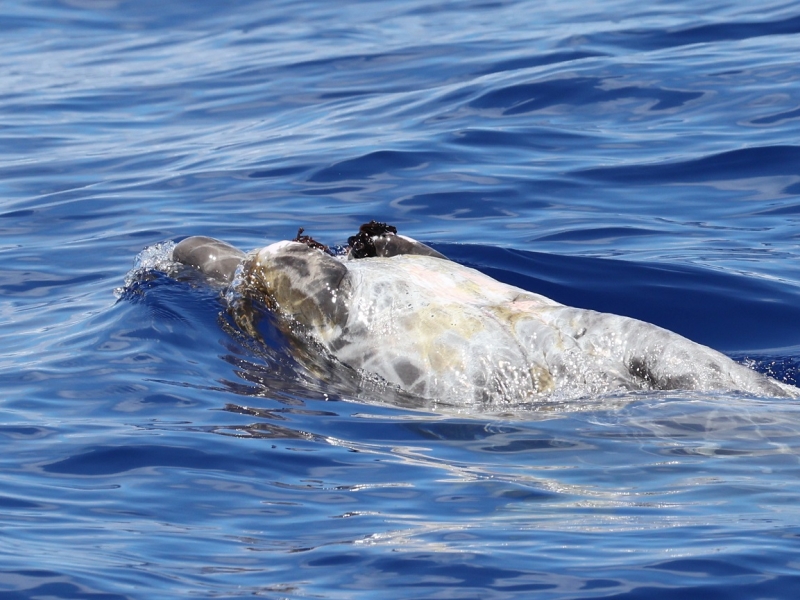
Kaua‘i field project - August 2026
August 25, 2026
Researchers from Cascadia Research Collective are conducting a 9-day field session off Kaua'i to deploy LIMPET satellite tags on odontocete cetaceans prior to a Submarine Command Course (SCC) to be able to examine their behavior before, during, and after the training event. Click on the image below to see daily updates from the field.
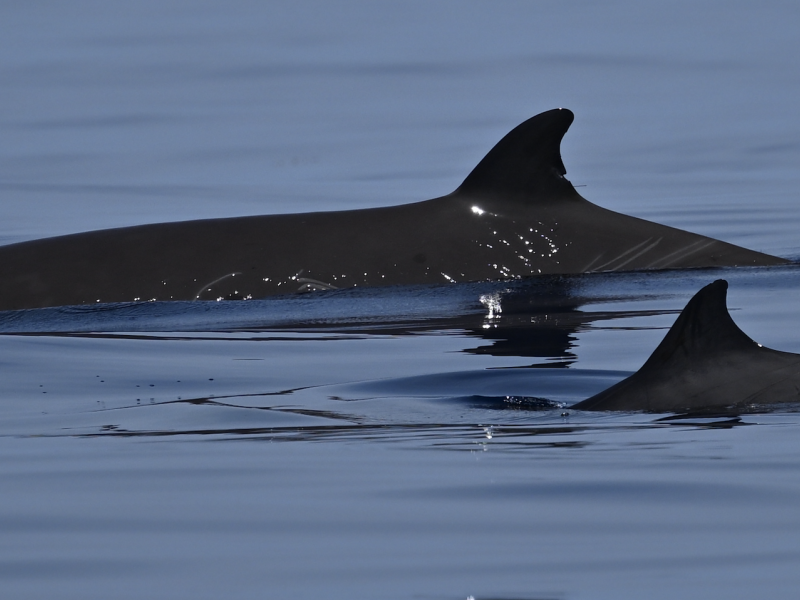
Another CEE Trial – and Gervais’ beaked whales!
August 10, 2026
A second controlled exposure experiment trial with simulated Continuously Active Sonar (CAS) was conducted on August 1. In addition to the usual goose-beaked whales, we also had a sighting of less common Gervais' beaked whales.
Killer Whale Ecotype Study (KWEST) kicks off
July 27, 2026
Research scientists from the University of Washington and NOAA recently departed from Kodiak, AK aboard the R/V Aquila for a 2-month research cruise focused on distinct groups of killer whales, or ecotypes, that hunt different prey and travel in different parts of the Gulf of Alaska.
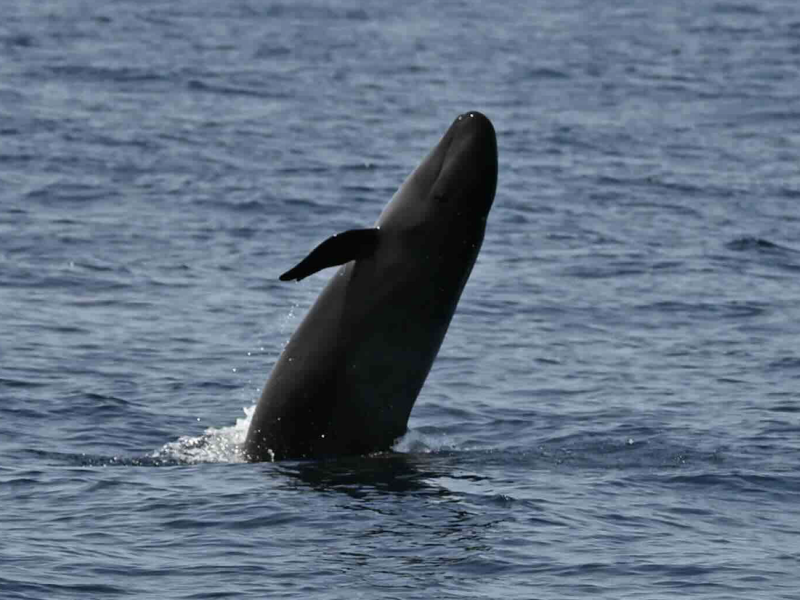
First CEE Trial of 2026 – and False Killer Whales
July 23, 2026
The Atlantic BRS team had an extremely productive day on Friday, July 17th with tags deployed on both false killer whales and goose-beaked whales, as well as a successful controlled exposure experiment with simulated Continuous Active Sonar signals.
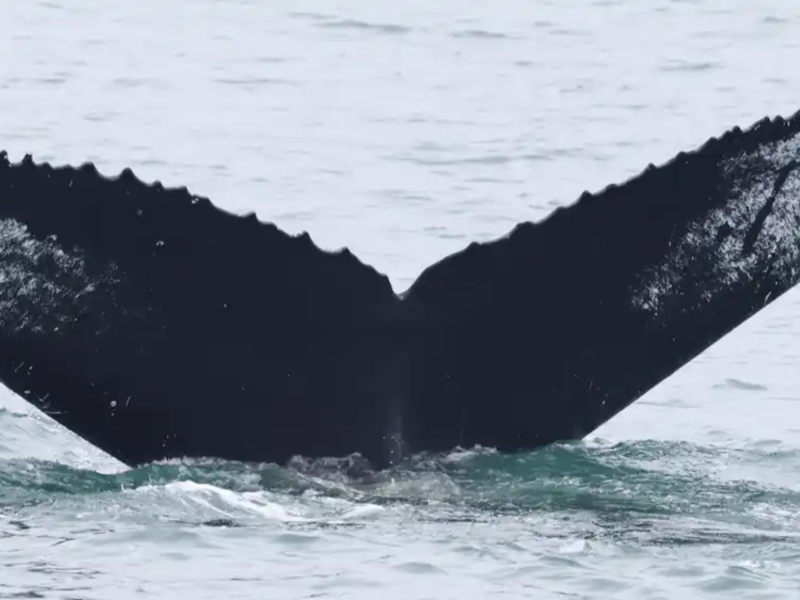
Happy Whale Humpback Happenings
June 22, 2026
A few interesting matches have come out of our Mid-Atlantic Humpback Whale Catalog efforts and partnership with Happy Whale!
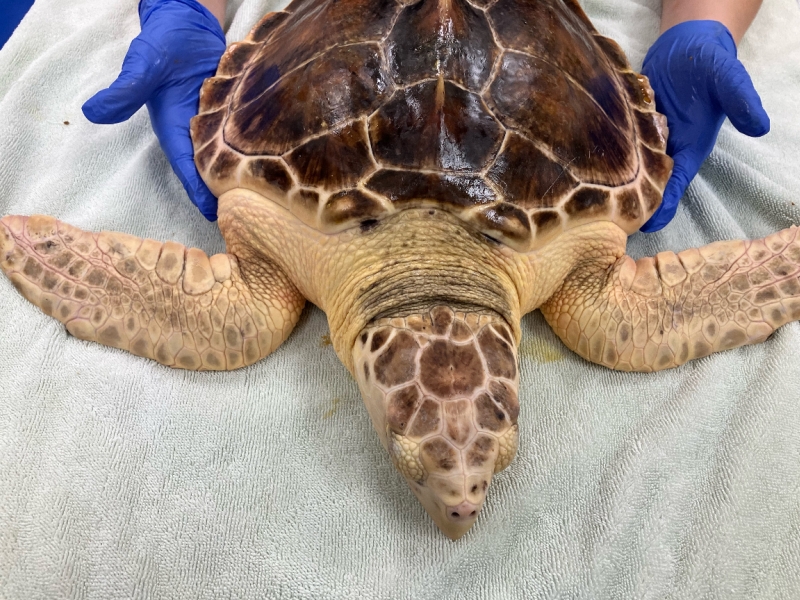
Kemp’s ridley / Loggerhead Hybrid Turtle Tagged at Jekyll Island
June 15, 2026
Researchers were surprised by an unusual turtle that stranded in Georgia-- a Kemp’s ridley / Loggerhead Hybrid Turtle, and were able to tag the animal for release.
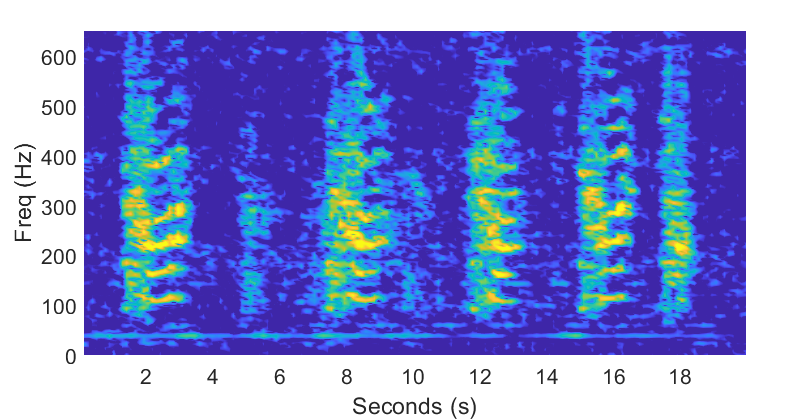
Western gray whale detections in western Pacific
June 8, 2026
Gray whale vocalizations are well-known and have been detected on mobile U.S. Navy passive acoustic monitoring (PAM) systems for decades. Gray whales produce highly variable and complex signals. Given some historical and conservation interest in the overall distribution and migratory patterns and behaviors of gray whales in the north Pacific, the Navy has conducted systematic monitoring for the calls of gray whales in times and areas that would inform species distribution patterns.
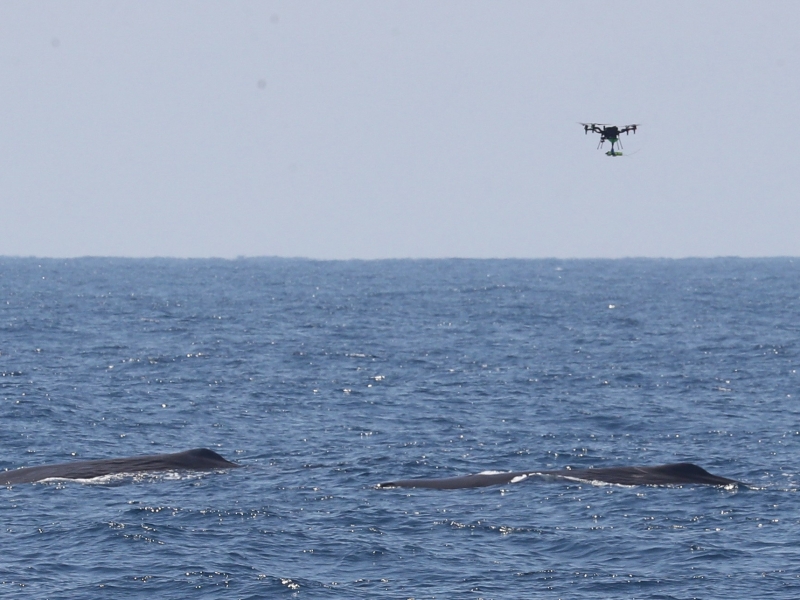
A Macrocephalus Mother's Day Tradition
May 27, 2026
HDR-lead team encountered a group of mainly female sperm whales with calves on Mother's Day for the 2nd year in a row, and successfully deployed a tag from a drone. We believe it's the first CATS tag deployed on a sperm whale via drone.
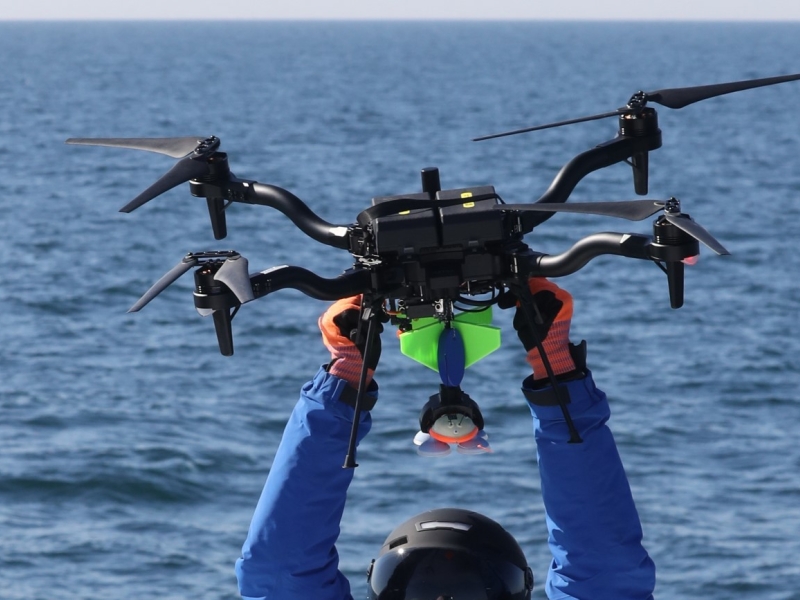
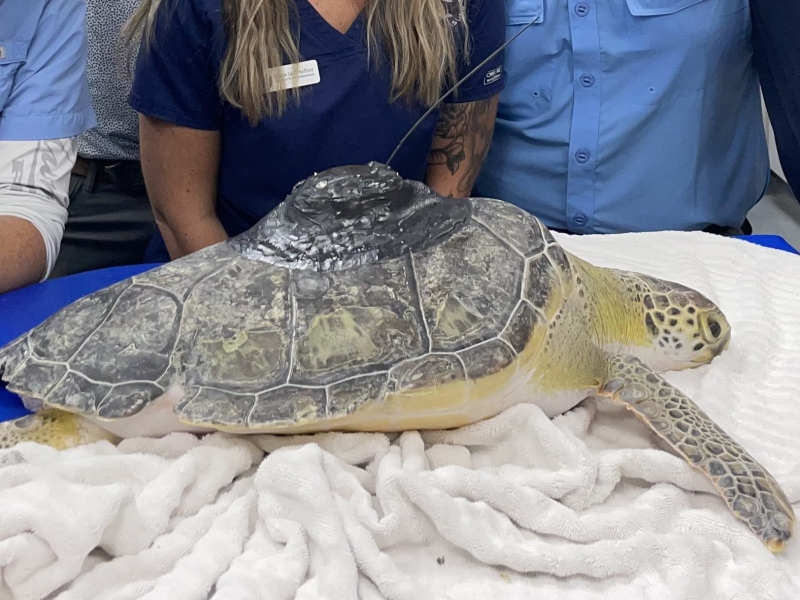
First Tagged Sea Turtle Released from Jekyll Island, Georgia
October 17, 2025
Collaborators at the Jekyll Island Authority in Georgia have released the first satellite-tagged green turtle in Georgia waters under the Navy’s “Green and Kemp's Ridley Turtle Tagging for Availability Bias Estimates” Project.
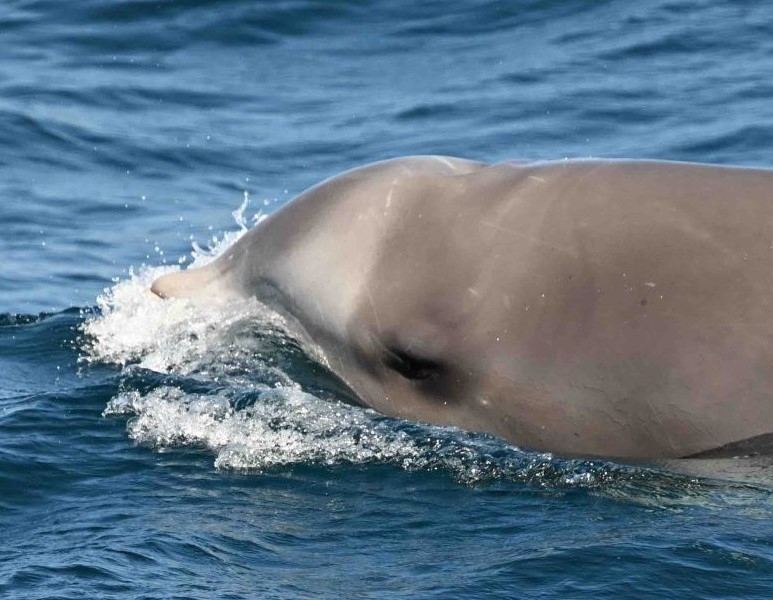
Controlled Exposure Experiment Trial with Simulated CAS Signals
October 1, 2025
On Friday, September 19th, the project team led by Duke University and Southall Environmental Associates conducted a Controlled Exposure Experiment (CEE) trial with goose-beaked whales Ziphius cavirostris in our study area off Cape Hatteras. They generated simulated Continuous Active Sonar (CAS) signals with a brand-new sound source built specifically for this purpose.
Atlantic BRS - successful CEE trial with the USS Donald Cook
July 22, 2025
The Atlantic BRS team just completed a successful controlled exposure experiment with the Arleigh Burke-class guided-missile destroyer USS Donald Cook (DDG 75) involving eight satellite-tagged beaked whales off Cape Hatteras.
Green turtles are back on the Space Coast
July 21, 2025
A field team led by co-Principle Investigator Dr. Kate Mansfield of the Marine Turtle Research Group at the University of Central Florida kicked off the second year of tagging for our “Kemp’s Ridley and Green Sea Turtle Tagging for Availability Bias Analysis” project.

Atlantic BRS - field work update
July 16, 2025
You never know what you will see offshore, and this weekend was no exception.
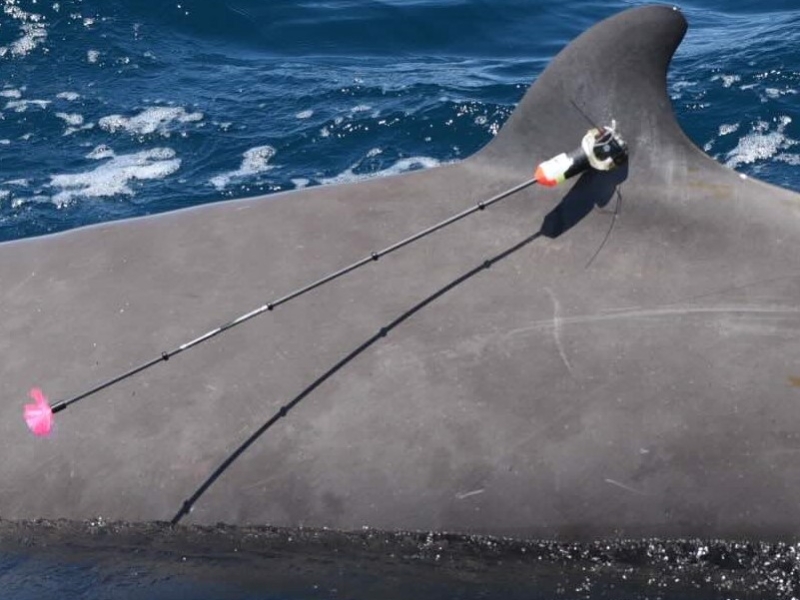
Atlantic BRS 2025 - Old Friends & Baby Beaked Whales
June 26, 2025
Field work recently kicked off for the Atlantic BRS project field season and we're happy to say that things appear much more "normal" compared to 2024 when Ziphius were relatively scarce at the Hatteras study site.
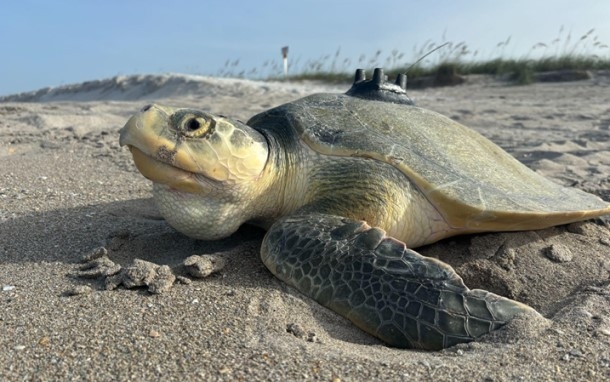
Kemp's on the move!
May 19, 2025
Five Kemp’s ridley turtles satellite tagged on the east coast of Florida have moved out of Florida waters.
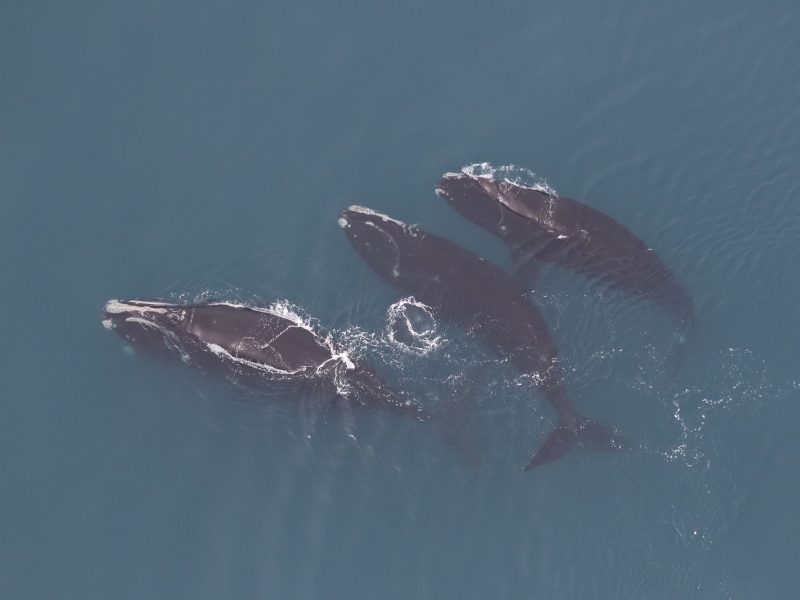
2024-2025 Large Whale Season Summary
March 24, 2025
We have two separate efforts focusing on cetaceans off the coast of Virginia. The first is our Offshore (Outer Continental Shelf) Cetacean Study, which focuses primarily on deep diving odontocetes like sperm whales. The second effort is our Nearshore and Mid-Shelf Baleen Whale Monitoring Project.
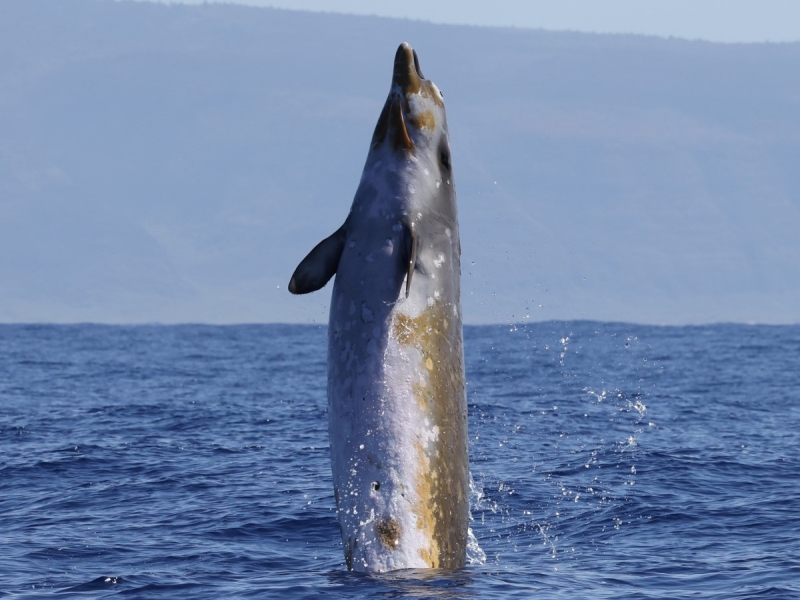
Kaua'i Field Work Updates
February 20, 2025
Scientists from Cascadia Research Collective recently completed a ~9-day field project off Kaua’i that started on February 9th. This project is timed to occur prior to a Submarine Command Course (SCC) training event. The primary goal is to deploy satellite telemetry tags on multiple species of odontocete cetaceans prior to the SCC, to be able to examine their behavior before, during, and after the event. This approach has been very successful in the past as a way of examining how different species respond to Navy training activities including mid-frequency active sonar (MFAS). Click through the picture below to see daily updates.
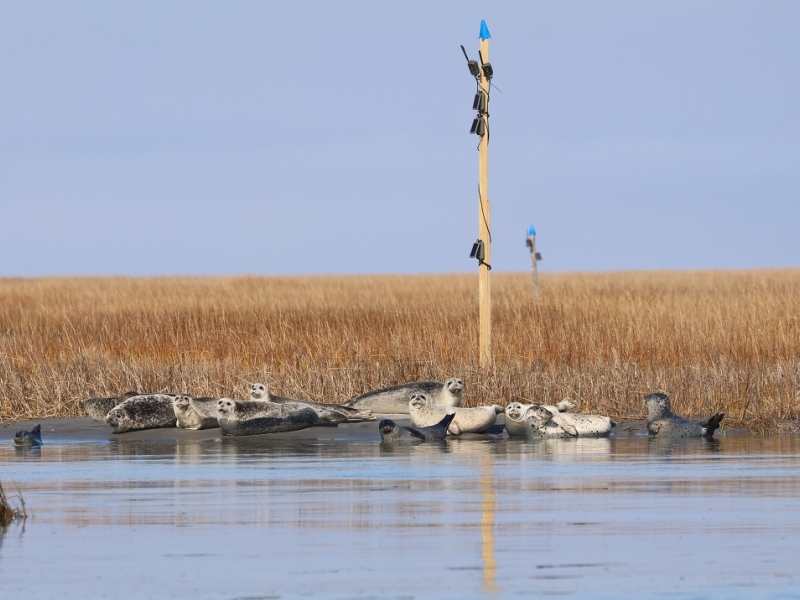
Winter is here in Virginia, and so are the seals!
January 21, 2025
NAVFAC LANT researchers are back at it for the 11th field season of monitoring gray and harbor seals at two major haul-out locations in southeastern Virginia.
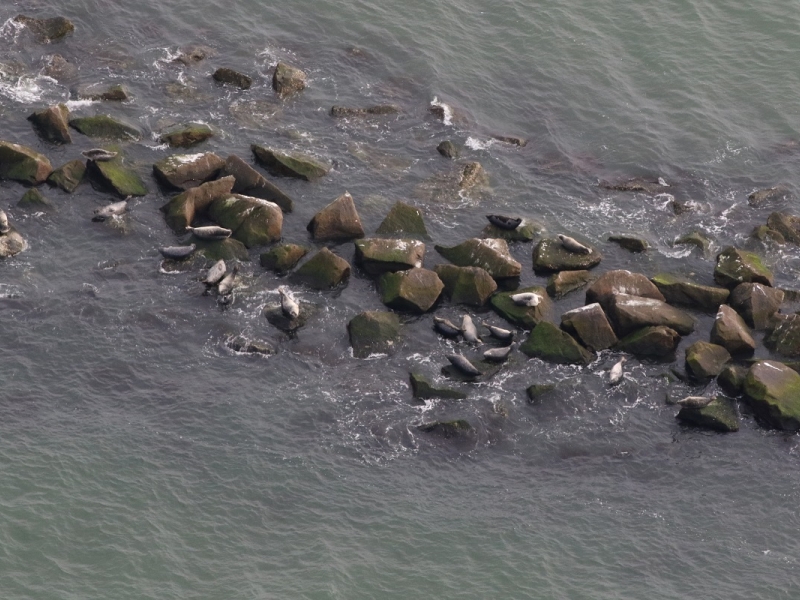
Aerial Surveys to Confirm Seal Haul-out Sites in Virginia
January 14, 2025
Each fall/winter, some portion of the Northwest Atlantic harbor seal population that summers in New England make their way south to Virginia.
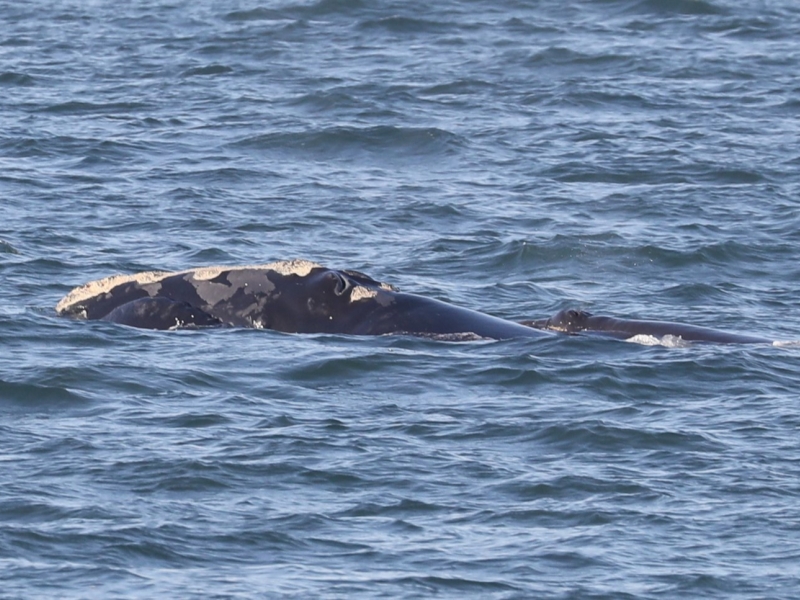
Right whale calf sighted off Virginia!
December 20, 2024
On December 18, 2024, during a survey off Virginia Beach, researchers from HDR Inc. and NAVFAC LANT observed North Atlantic right whale #4540 with her first known calf. This sighting is notable as it's the earliest recorded instance of a newborn right whale calf in Virginia waters, suggesting a possible shift in calving locations northward from the typical areas off Florida and Georgia.
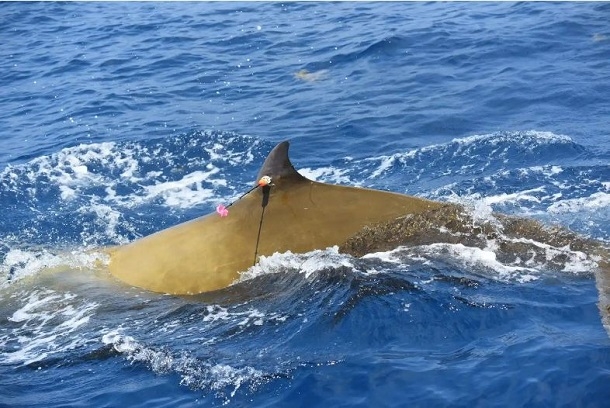
Successful CEE Trial with the USS Thomas Hudner
July 24, 2024
In July 2024, the Atlantic Behavioral Response Study, led by Duke University, conducted a successful controlled exposure experiment (CEE) involving the USS Thomas Hudner and tagged goose-beaked whales off Cape Hatteras. The study assessed the whales' behavioral responses to Continuous Active Sonar (CAS) signals, utilizing a High Frequency Recording Package (HARP) for sound recordings and coordination with the USS Thomas Hudner for sonar signal transmission. Preliminary observations suggested minimal behavioral changes in the focal whale, Zc150, during the experiment.
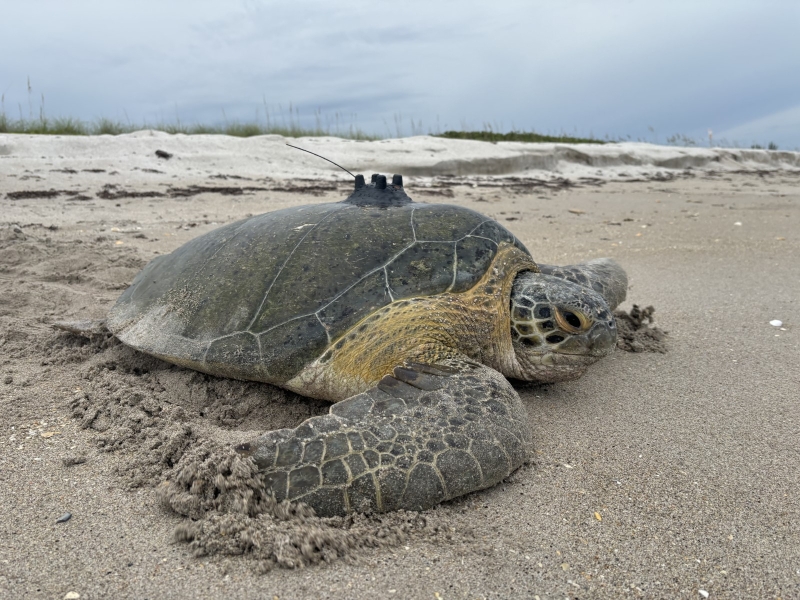
Males have joined the turtle tagging party
July 15, 2024
Researchers from Inwater Research Group (IRG), supported by Dr. Kate Mansfield of the UCF Marine Turtle Research Group and Andrew DiMatteo of CheloniData LLC, have deployed a satellite-linked data logger on an adult male green sea turtle in St. Lucie County, Florida. This initiative aims to study the diving behavior and habitat use of male green turtles along the U.S. east coast.
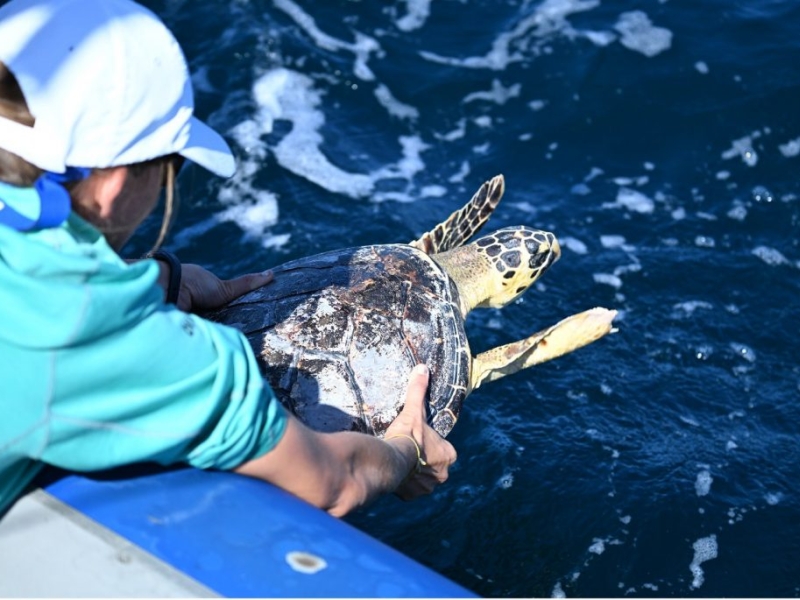
First Satellite Tag Deployments for Atlantic BRS 2024
July 8, 2024
In June 2024, a Duke University team initiated the Atlantic Behavioral Response Study (BRS) by deploying satellite-linked dive recorders on goose-beaked whales (Cuvier's beaked whales) off the coast of North Carolina. These tags collect data on the whales' diving behavior and locations, enhancing understanding of their baseline activities. Additionally, the team released a rehabilitated hawksbill sea turtle named Bagheera back into the Atlantic Ocean.
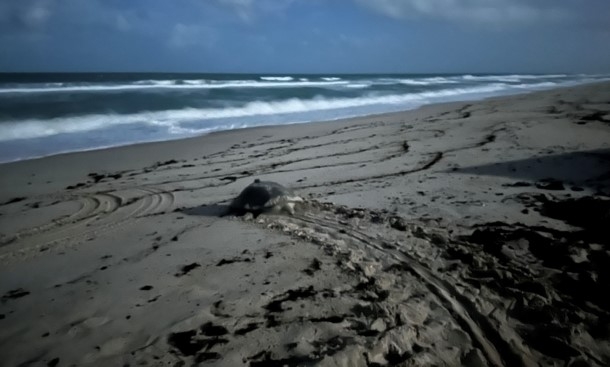
Back in the turtle tagging business
June 28, 2024
Researchers at the University of Central Florida (UCF), led by Dr. Kate Mansfield and supported by the UCF Marine Turtle Research Group and Andrew DiMatteo of CheloniData LLC, deployed five satellite-linked data loggers on adult nesting green turtles at the Archie Carr National Wildlife Refuge in Florida during the week of June 17th.
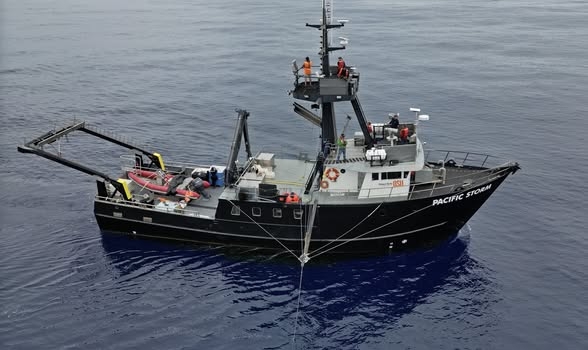
Mesoplodon mysterioso
June 13, 2024
We are thrilled to be part of the "Mystery Mesoplodon Expedition" off the west coast of Baja California searching for an elusive new species of beaked whale. Read about the initial discovery and stay tuned for updates on this exciting expedition!
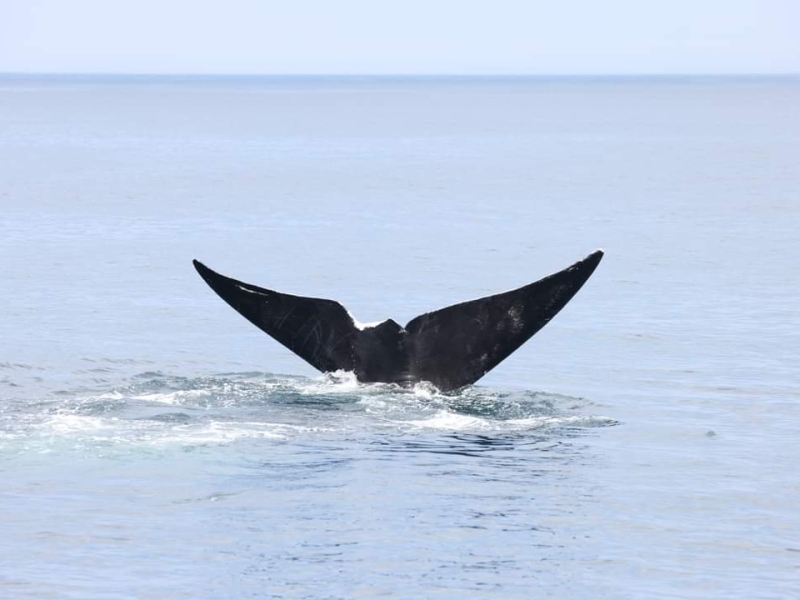
Whales of Summer
June 10, 2024
In the mid-Atlantic, baleen whale sightings typically occur during the colder months, with peak activity in December and January. Sightings of humpback and right whales usually decrease by late March through April. While occasional baleen whale sightings, particularly of fin whales, happen during warmer months, large groups are uncommon as summer approaches. Pelagic surveys during this time often focus on odontocetes like sperm whales and beaked whales.
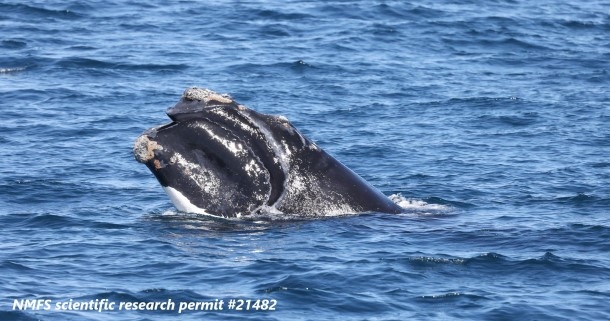
New Right Whale Calf Seen Off Virginia!
June 3, 2024
On Saturday 01 June 2024 during one of our offshore surveys 60 miles southeast of Virginia Beach, we encountered North Atlantic right whale Pico (Catalog #3270) and her calf!
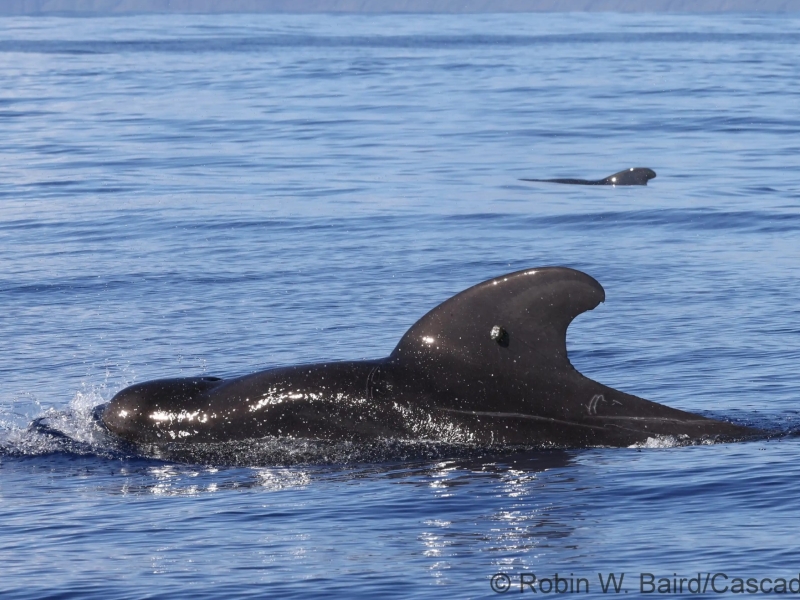
Kauai' Field Work Updates
February 16, 2024
Scientists from Cascadia Research Collective are leading a ~9-day field project off Kaua’i that started on February 11th.
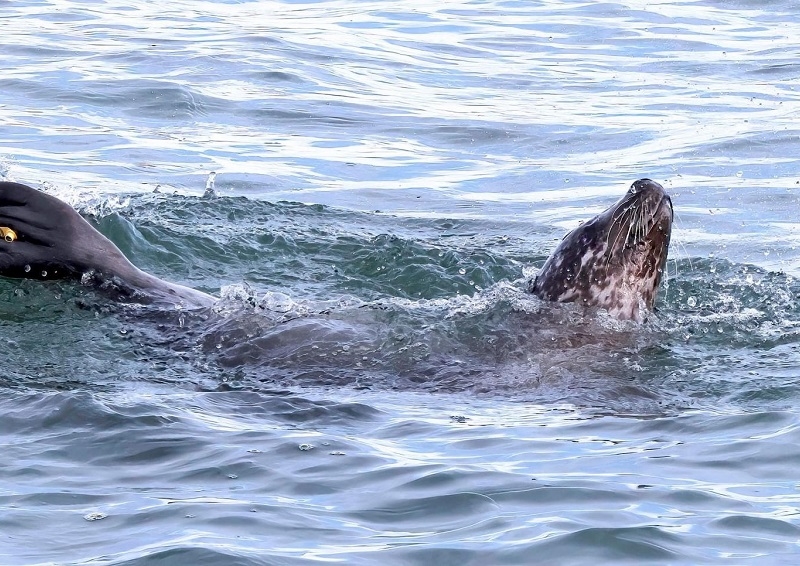
Seal Tagged in 2022 is Back Again!
February 14, 2024
On 10 February 2024, a local wildlife enthusiast, Caroline Prevost, was out on the Chesapeake Bay when she observed some harbor seals enjoying time in the water near island 4 of the Chesapeake Bay Bridge Tunnel.
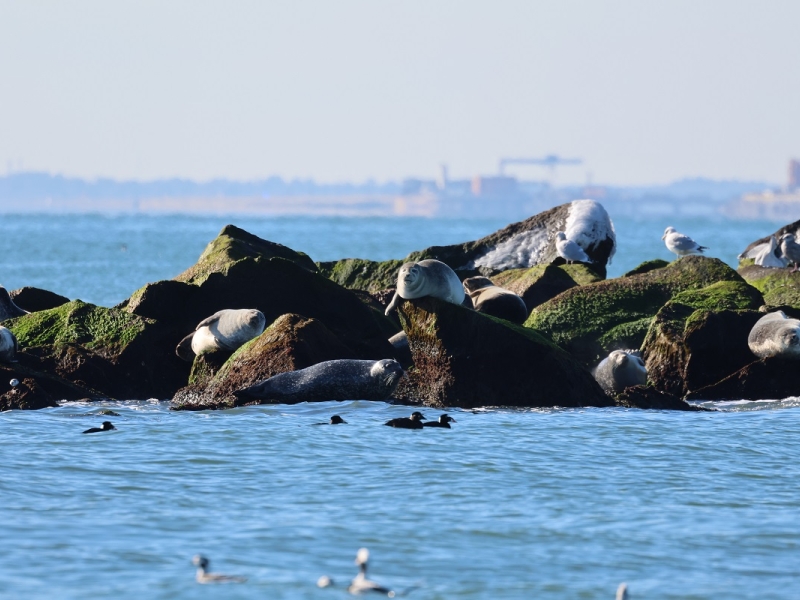
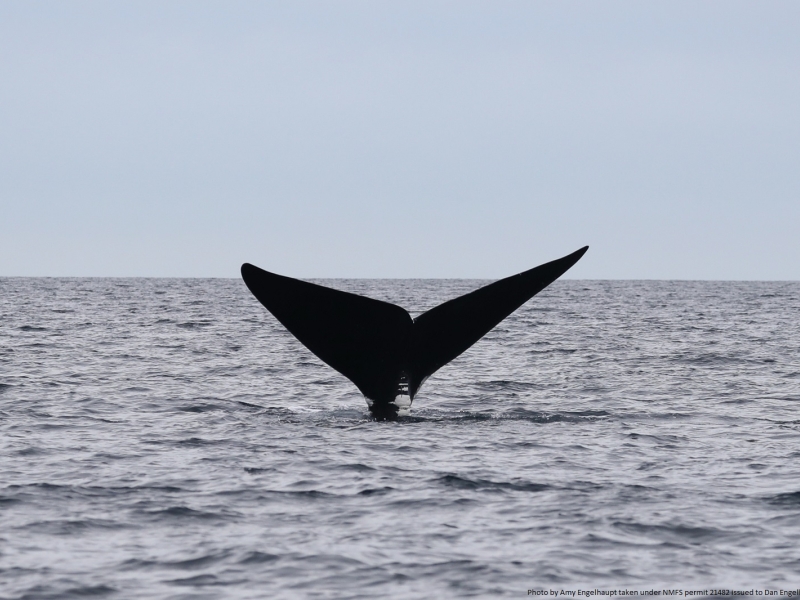
Large Whale Action in the Mid-Atlantic
January 30, 2024
After a relatively slow start to the 2023-2024 large whale season, things are picking up here in the Mid-Atlantic. Last week was the busiest we’ve had so far this season for several of our projects as well as adjacent colleagues.
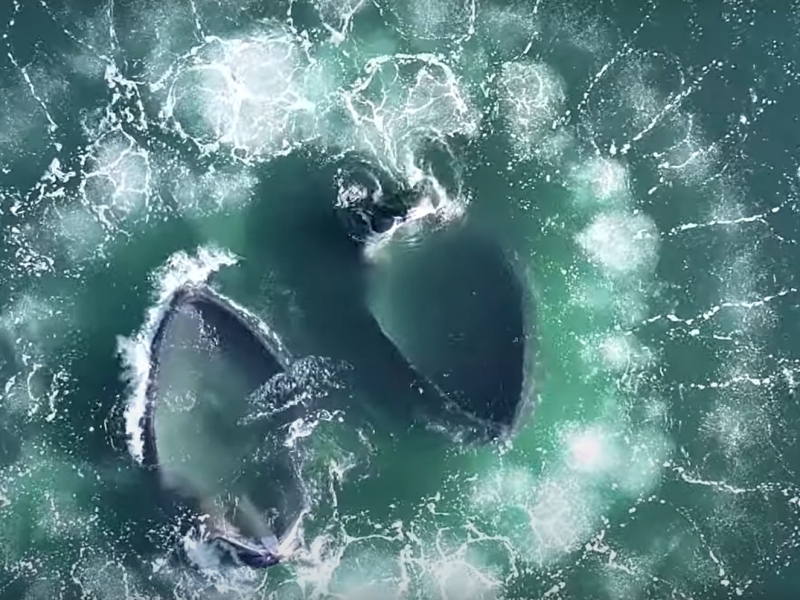
Using drones to study whales from a new perspective
November 21, 2023
Small unmanned aircraft systems (sUAS) or “drones” are increasingly being used to study marine mammals from a different perspective.
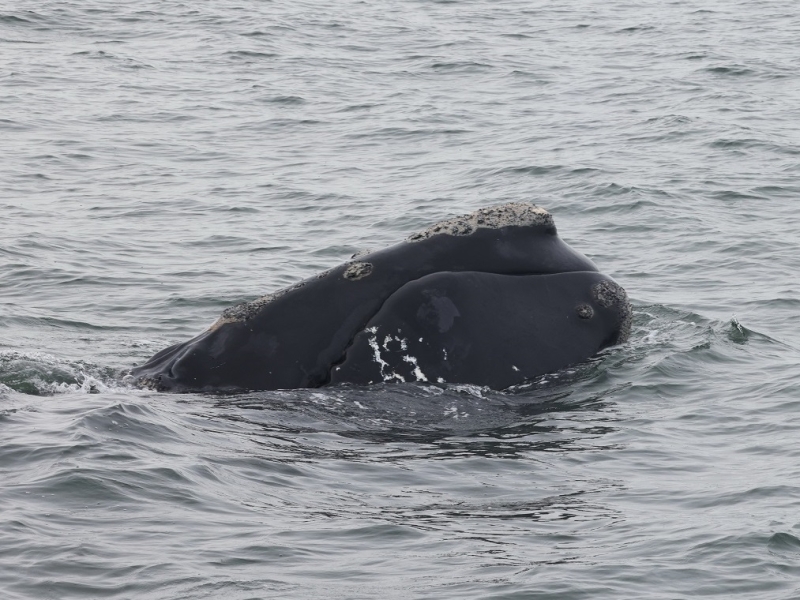
It’s Whale Season in the Mid-Atlantic!
November 20, 2023
Baleen whale season has started in the mid-Atlantic and we have several projects in the region studying their occurrence and behavior.
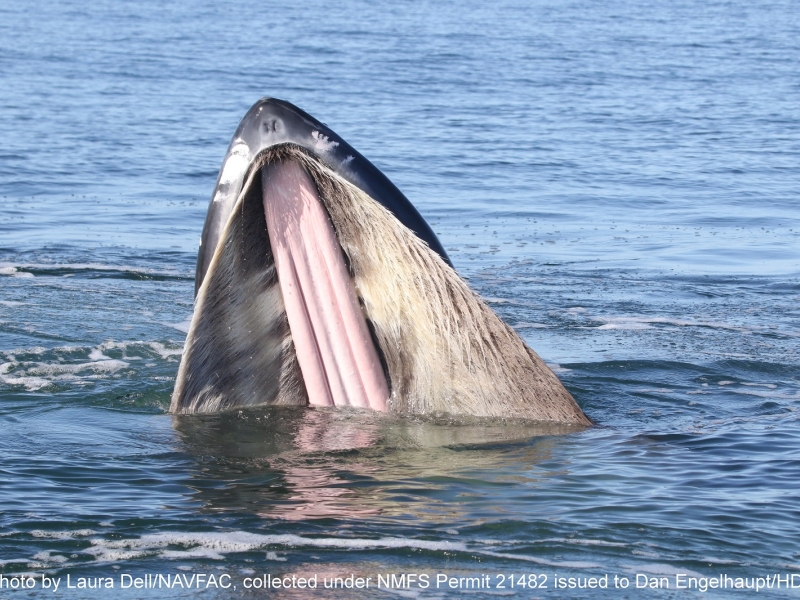
Humpbacks - New visitors and familiar friends in the Mid-Atlantic
November 20, 2023
On 16 November 2023, the weather lined up perfectly for HDR Inc. to go out in their small boat for some large whale survey work under the Mid-Atlantic Nearshore and Mid-shelf Baleen Whale Monitoring Project.
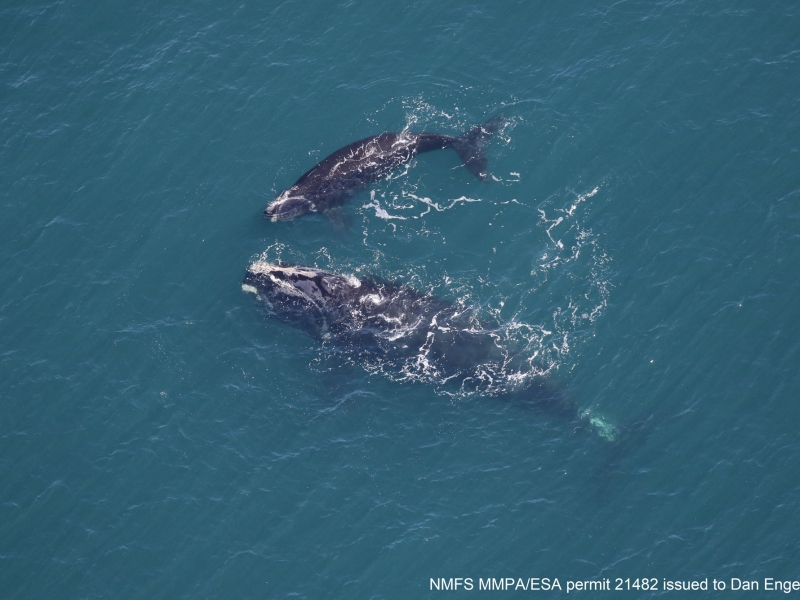
Coming full circle – right whale mom returns with calf
March 15, 2023
Previously CATS tagged Right whale "Smoke" is sighted again in VA with a calf.
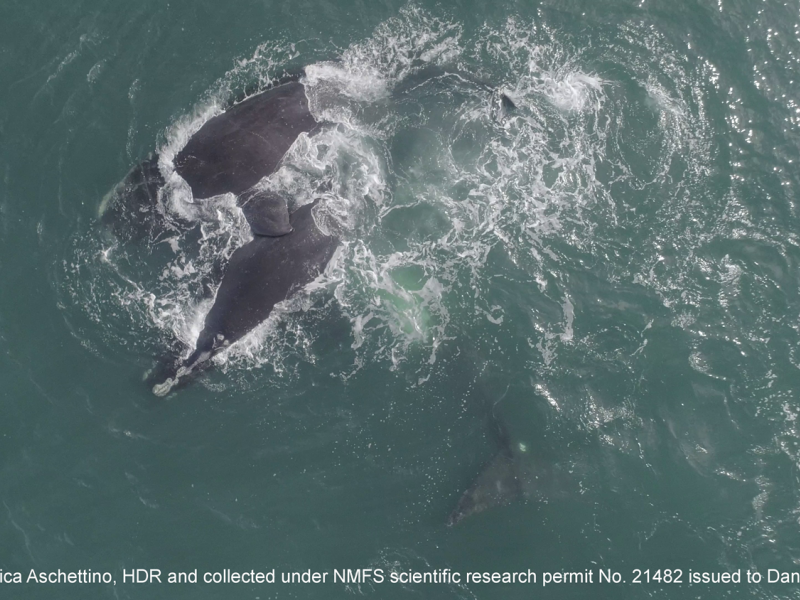
Right Whale Party in the Mid-Atlantic
February 4, 2023
A Surface Active Group of North Atlantic right whales off the coast of Virginia.
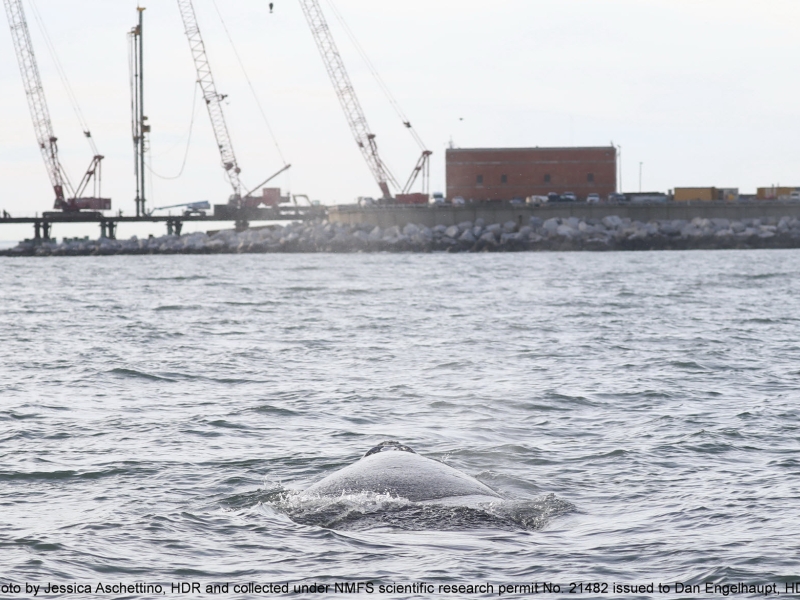
An Urban Whale
February 3, 2023
A juvenile North Atlantic right whale finds itself in a busy area.
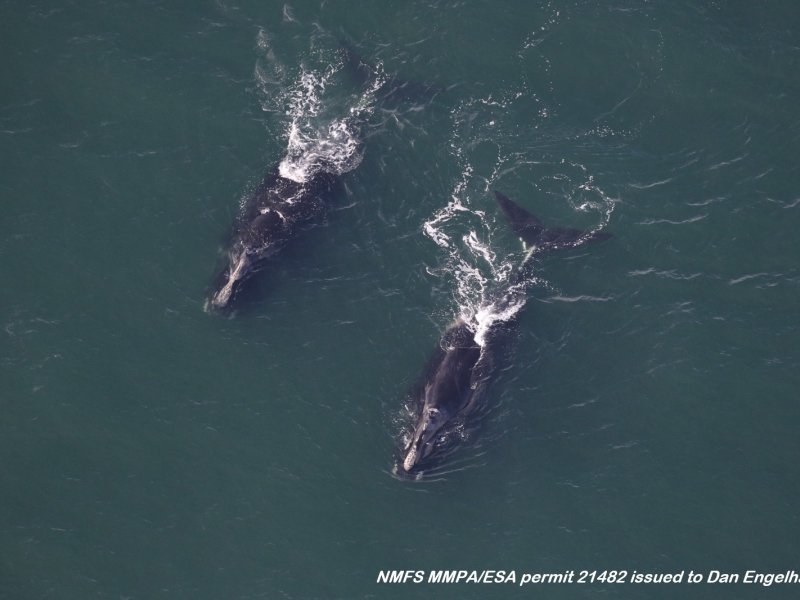
Right whales are on the move!
November 23, 2022
Two female right whales were sighted off Virginia during their southbound migration.
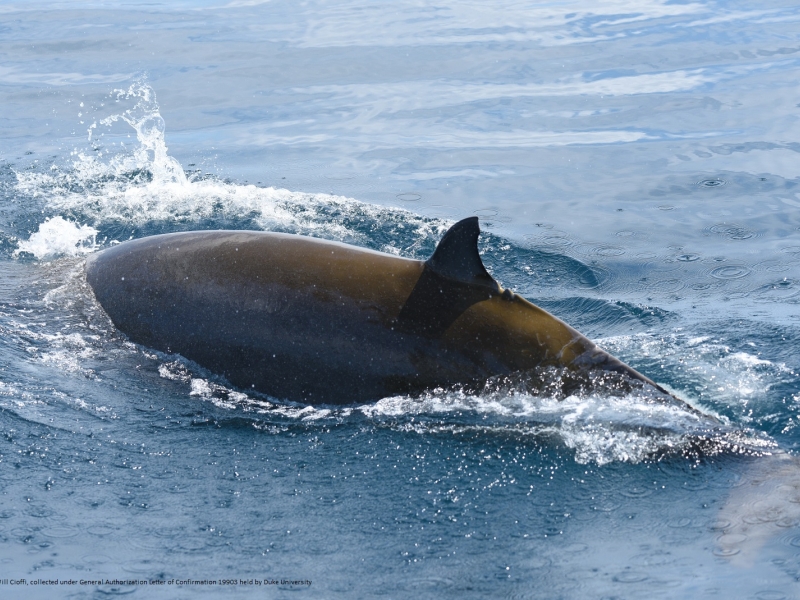
Cuvier's from Cape to Canyon
September 16, 2022
Photo ID match of a Goose-beaked whale between Cape Hatteras and Virginia Beach after two years.
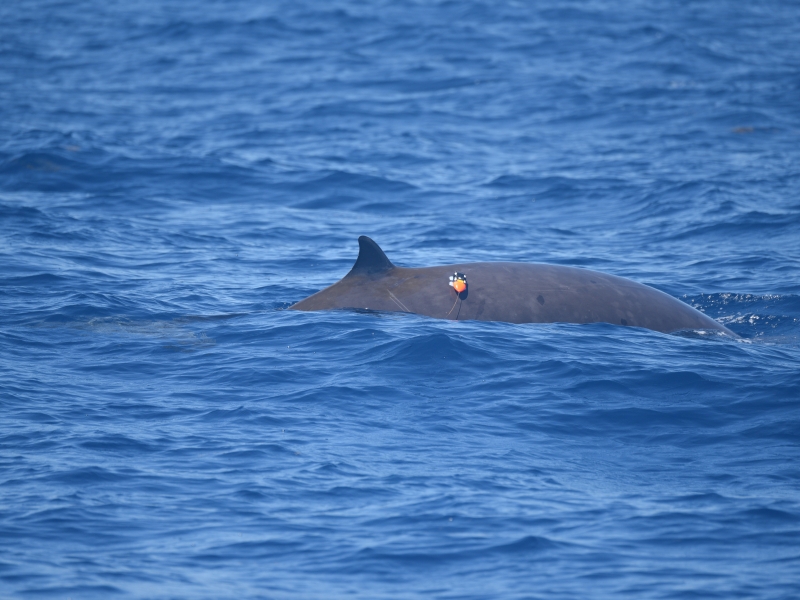
Atlantic BRS – 2022 CEE with the USS Farragut
August 26, 2022
A controlled exposure success story using a Navy ship.
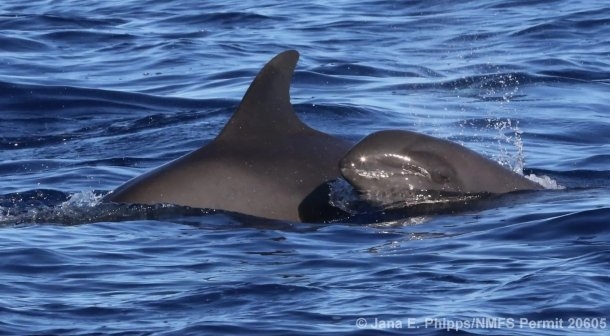
August 2022 Kaua‘i Field Project
August 18, 2022
Cascadia Research Collective began an 8-10 day field project off Kaua’i starting on August 16th. This project is timed to occur prior to a Submarine Command Course (SCC). Their primary goal is to deploy LIMPET satellite tags on one or more species of odontocete cetaceans prior to the SCC, to be able to examine their behavior before, during, and after the SCC. This approach has been very successful in the past as a way of examining how different species respond to Navy training activities including mid-frequency active sonar.
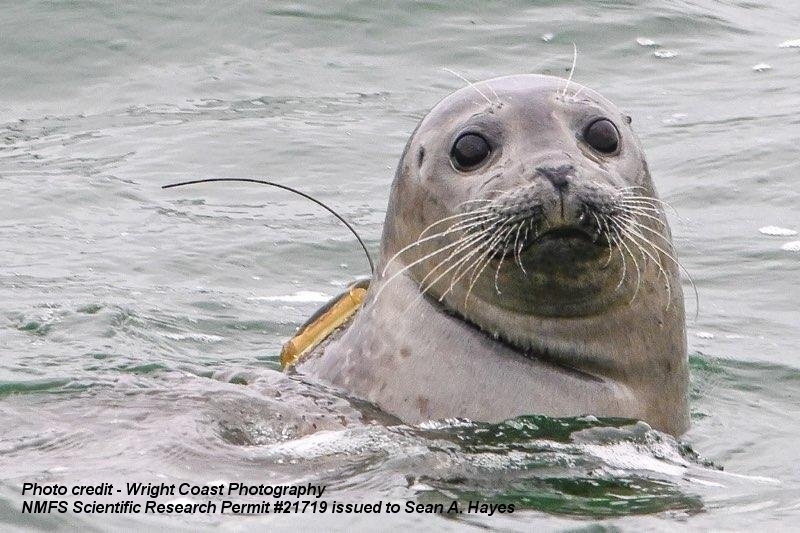
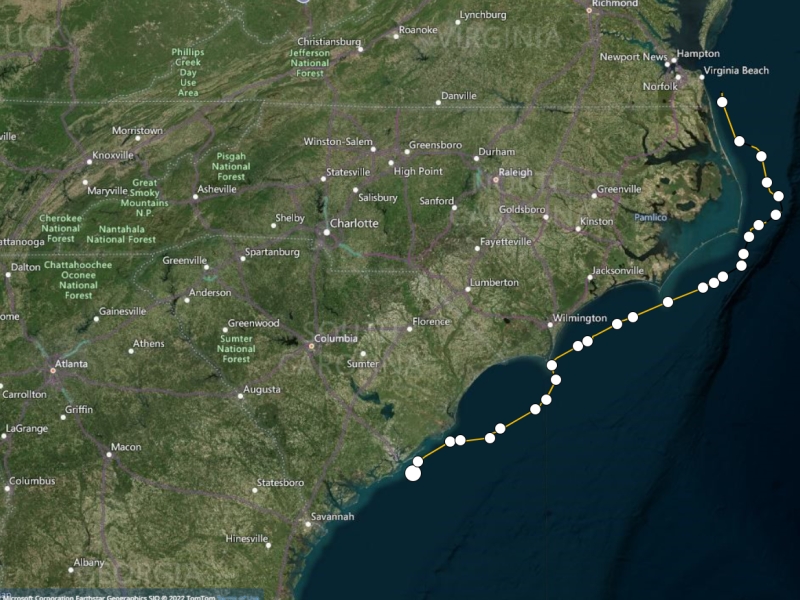
NARW tagged off VA Beach!
March 2, 2022
A yearling right whale was tagged off Virginia.
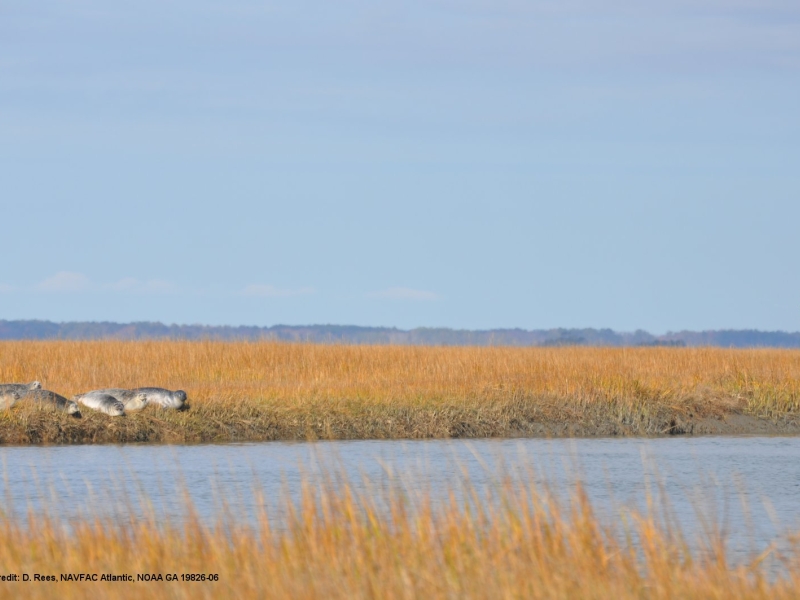
Pinniped season has begun in SE Virginia
October 27, 2021
Camera traps have been installed to track seals in Virginia.
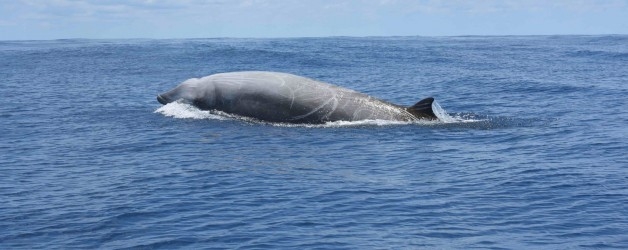
Atlantic BRS - First CEE of 2021
August 9, 2021
A team of researchers and Navy staff recently completed the first controlled exposure experiment of the 2021 field season for the Atlantic Behavioral Response Study.
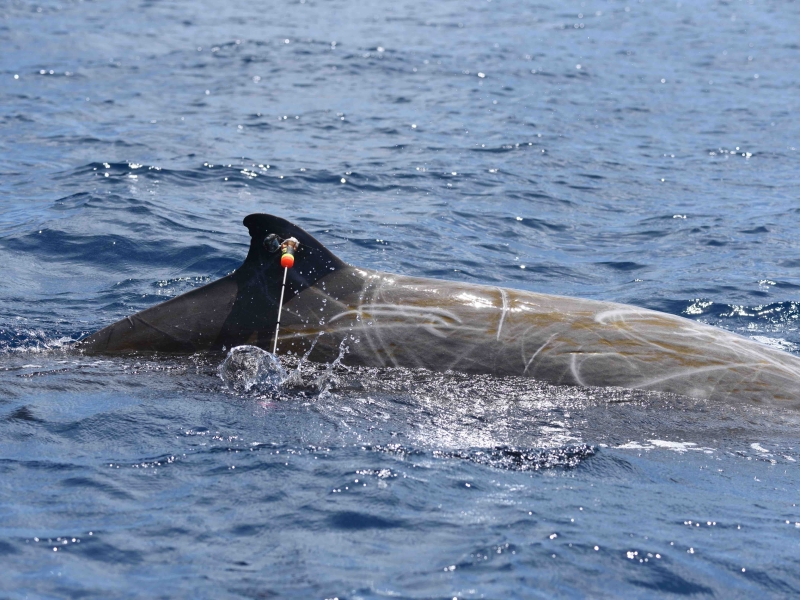
Atlantic Behavioral Response Study kicks off 2021 field season
July 13, 2021
The Atlantic Behavioral Response Study kicked off the 2021 field season last week by deploying the first round of satellite-linked telemetry tags on Cuvier's beaked whales.
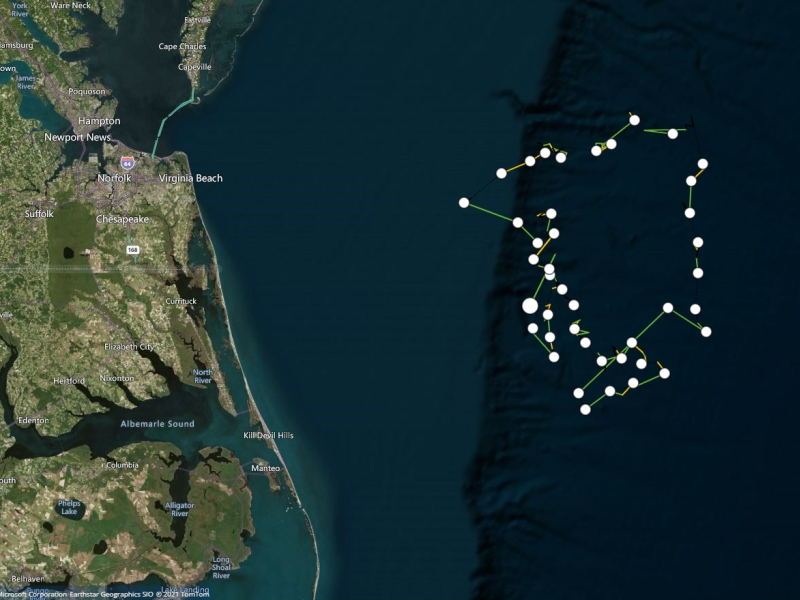
Blue whale tagged off the coast of Virginia
April 26, 2021
Details on the first blue whale tagged in the region.
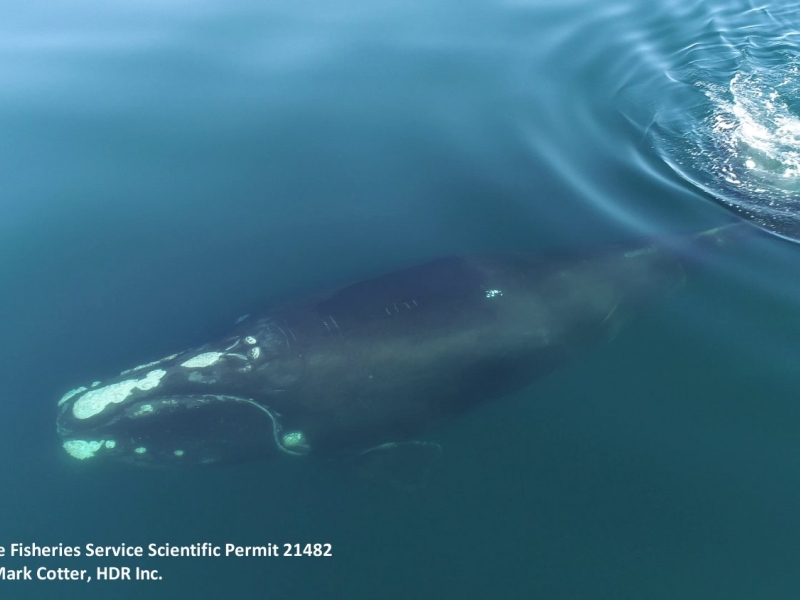
Tracking an endangered North Atlantic right whale
March 15, 2021
A yearling right whale was tagged off the coast of VA and tracked for 12 days.
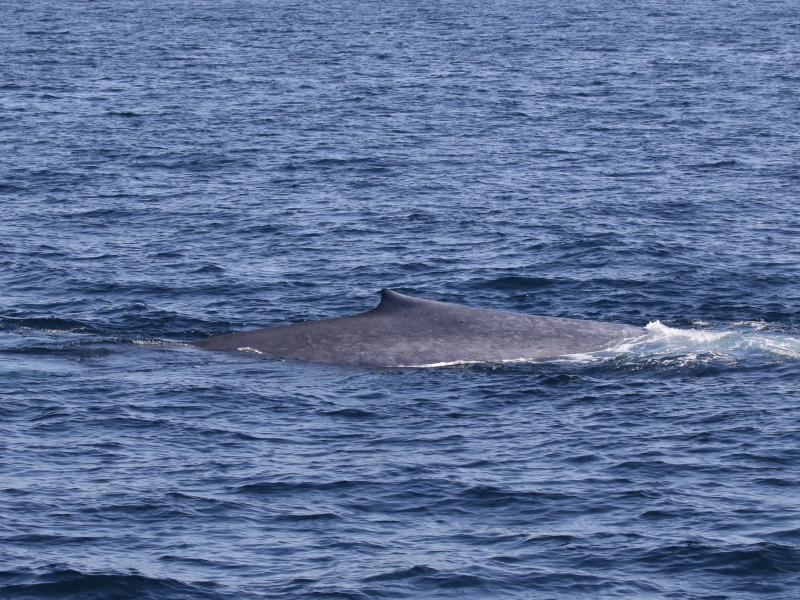
Drone footage of a blue whale off the coast of Virginia!
March 14, 2021
Blue whale footage from Virginia
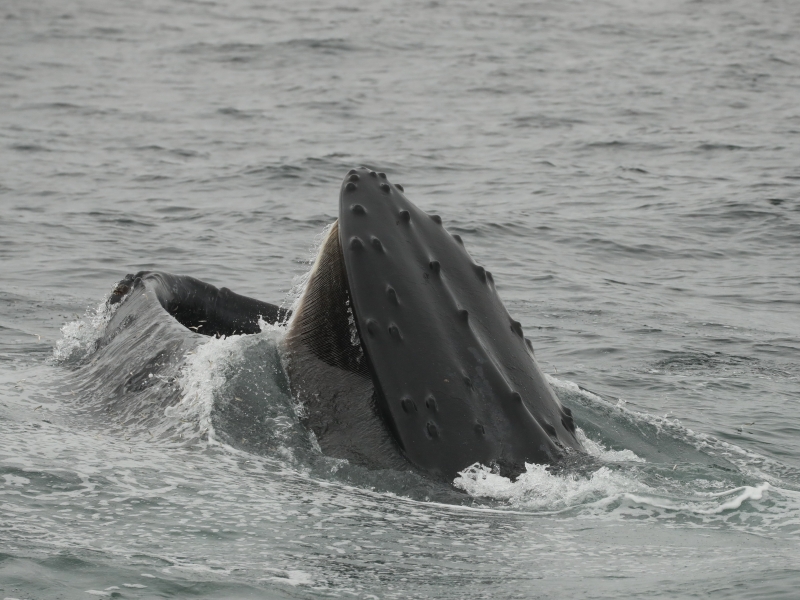
Drone footage of humpback whale bubble-net feeding off the coast of Virginia
February 18, 2021
Humpback whale "Tobin" bubblenet feeding off VA.
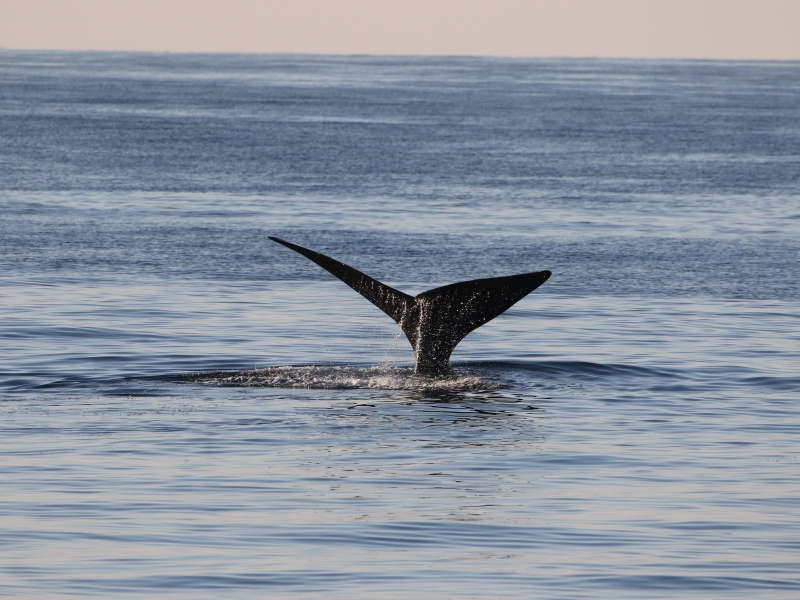
Fantastic video of an encounter with North Atlantic right whales off the coast of Virginia Beach
January 27, 2021
Footage of three right whales off Virginia.
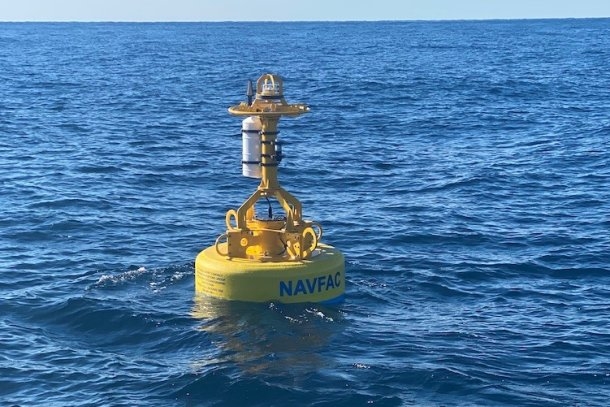
New acoustic monitoring buoy helps researchers study and protect North Atlantic Right Whales
January 19, 2021
A new buoy to listen for protected whales.
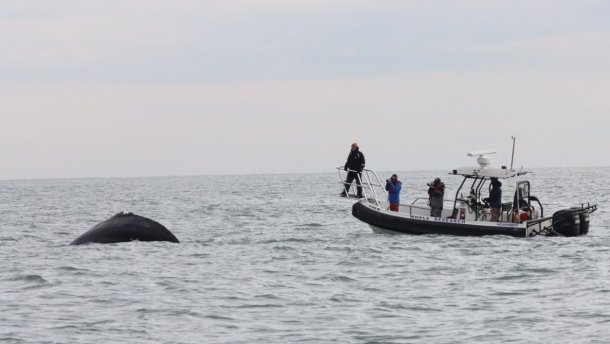
Entangled humpback whale
January 8, 2021
Our team assisted with the disentanglement efforts of a young humpback whale.
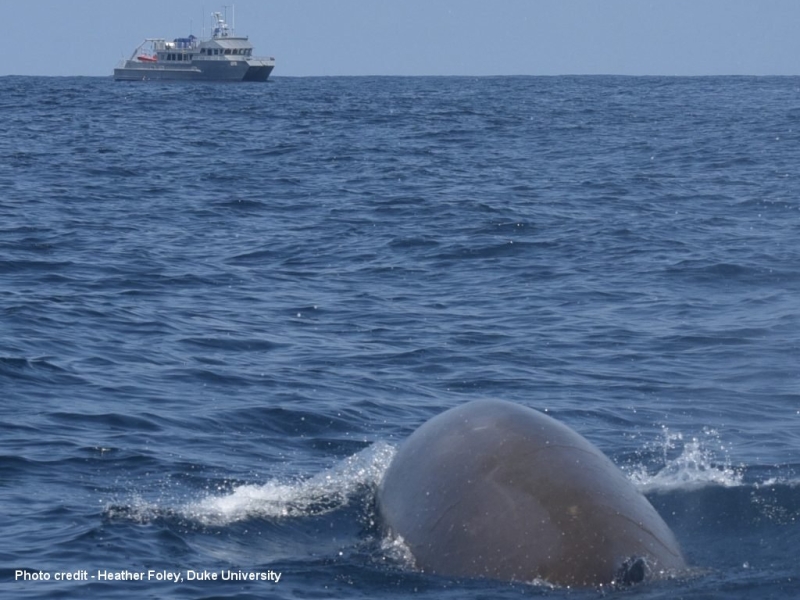
Atlantic BRS - First CEE of 2020
July 17, 2020
The first CEE of 2020 overcame the challenges of COVID-19.
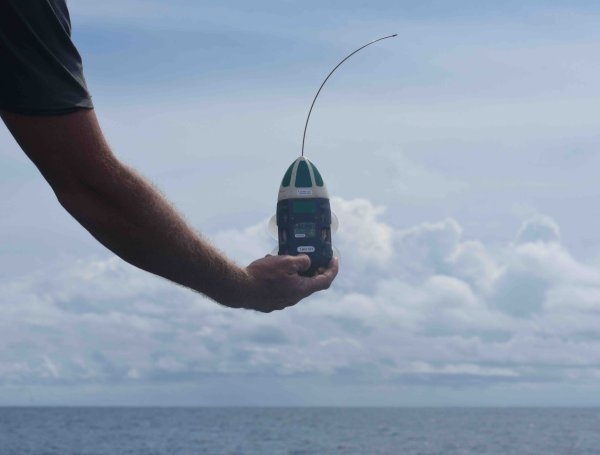
Atlantic BRS - Multi-scale CEE Success!
August 15, 2019
The first CEE while two different tag types were deployed.
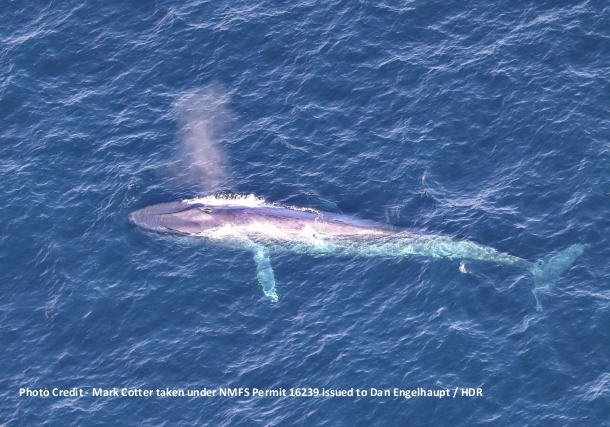
Fin and blue whale feeding aggregation observed in Norfolk Canyon study area
March 26, 2019
Baleen whale feeding assemblage offshore of Virginia.
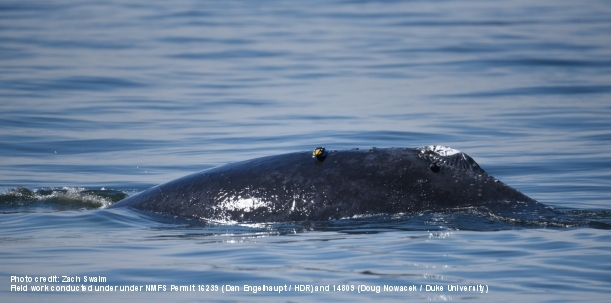
One whale tagged twice.
March 8, 2019
D-tag and limpet tag on a humpback whale.
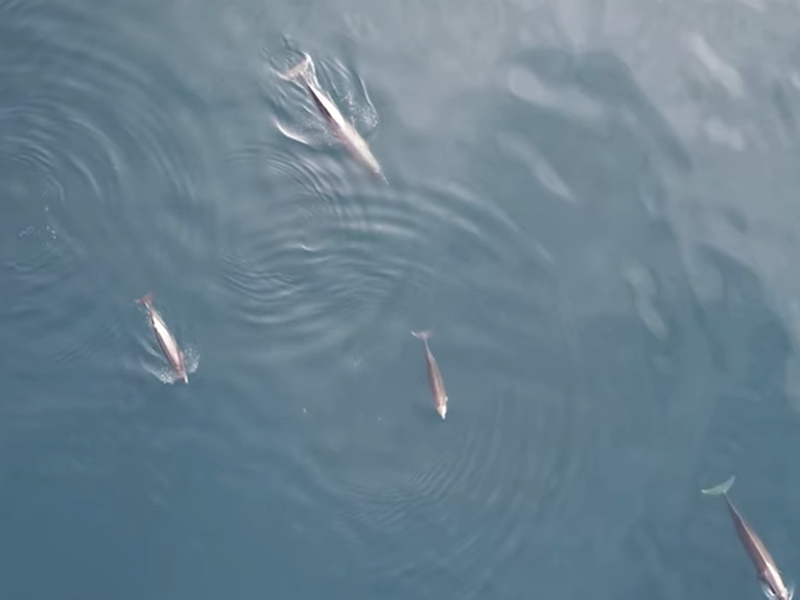
Sowerby's beaked whales encountered at Norfolk Canyon
January 7, 2019
Excellent drone footage of a group of rarely seen beaked whales.
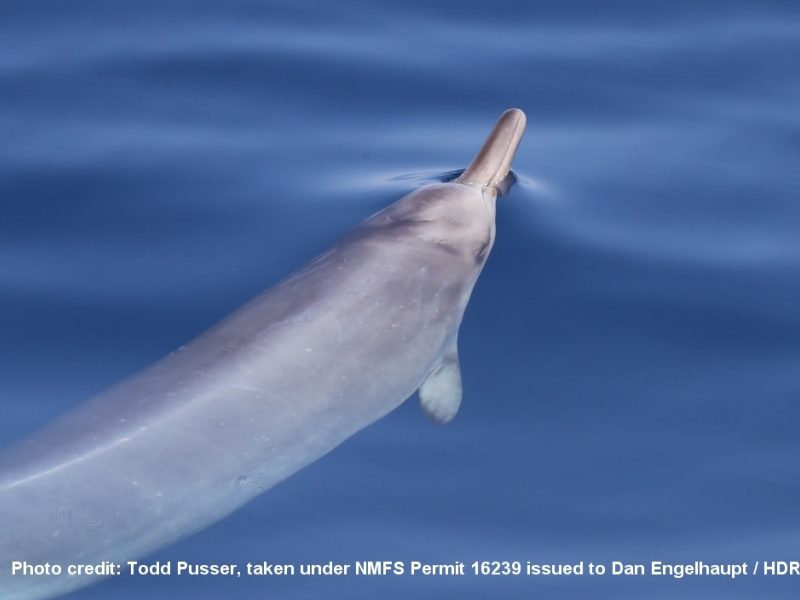
Sowerby's beaked whale tagged offshore of Virginia
September 12, 2018
A rarely seen beaked whale was tracked offshore.
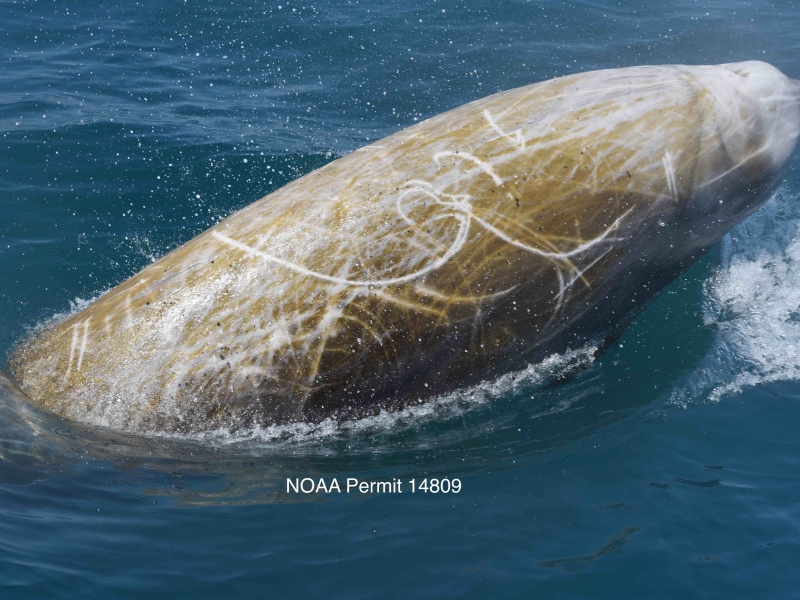
Atlantic BRS 2018 Field Work is Underway
May 18, 2018
The 2nd year of Atlantic BRS has begun.
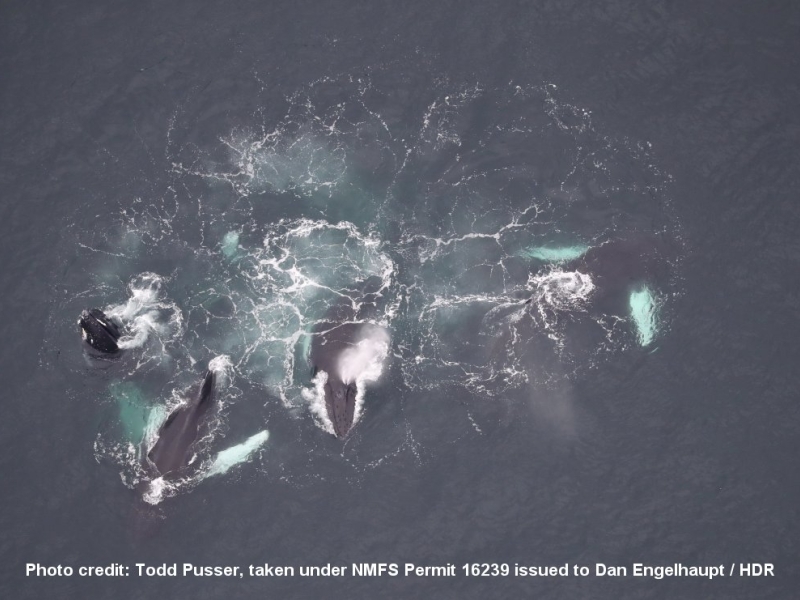
Blue whales and sei whales and right whales - OH MY!!!
April 18, 2018
A spring aggregation of endangered whales offshore.
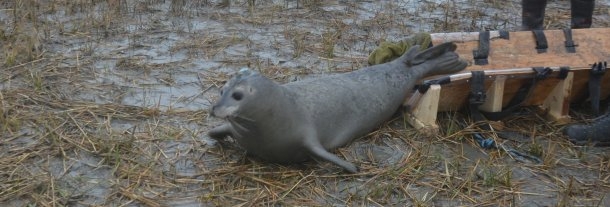
Seal Tagging Team Win!
February 6, 2018
Successful seal tag deployment on the Eastern Shore of VA.
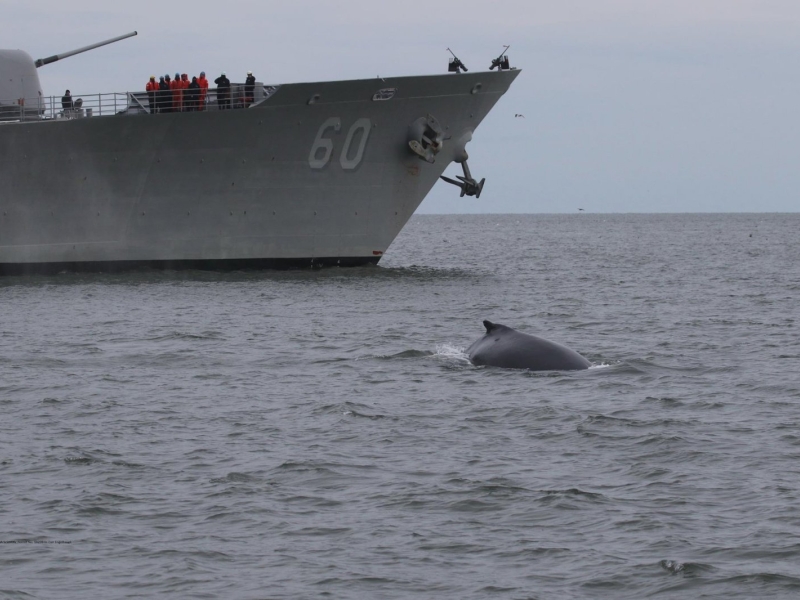
Repeat tagging customers to humpback monitoring project
January 30, 2018
Some interesting notes on site fidelity in Humpack whales.
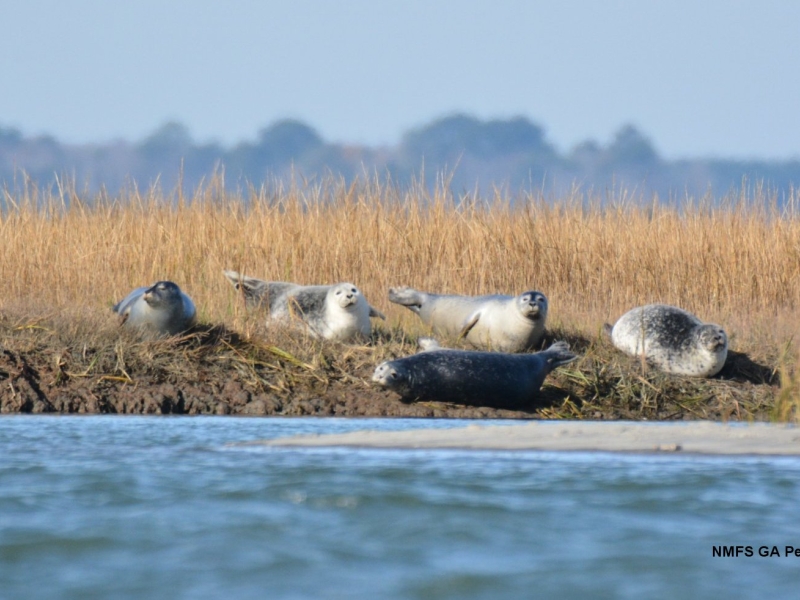
First Harbor Seal Haul-Out Survey of the Season in Virginia
December 19, 2017
Seals have arrived in Virginia
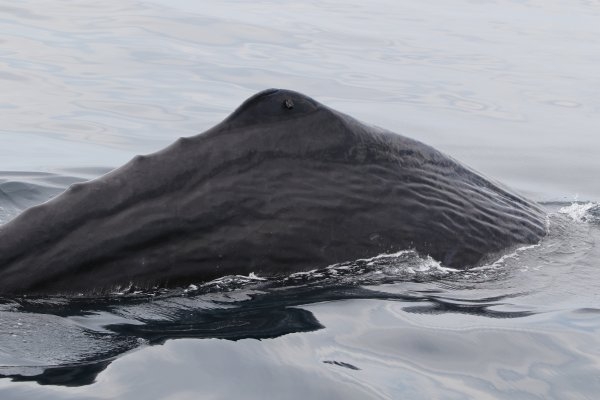
Sperm whales tagged off Virginia Beach
August 25, 2017
Several groups of sperm whales were sighted offshore of VA.
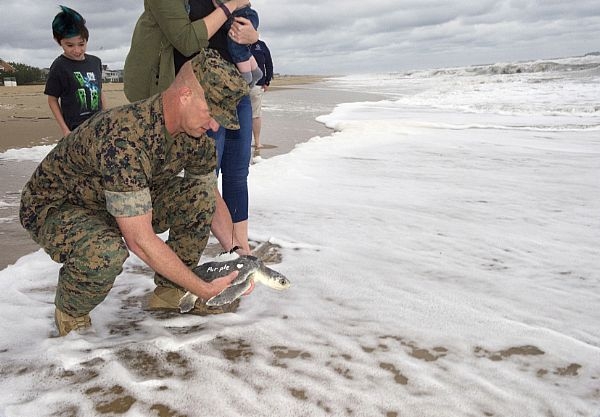
"Purple Heart" sea turtle released back into the ocean
June 12, 2017
Rescued sea turtle is tagged and released by a retired Marine.
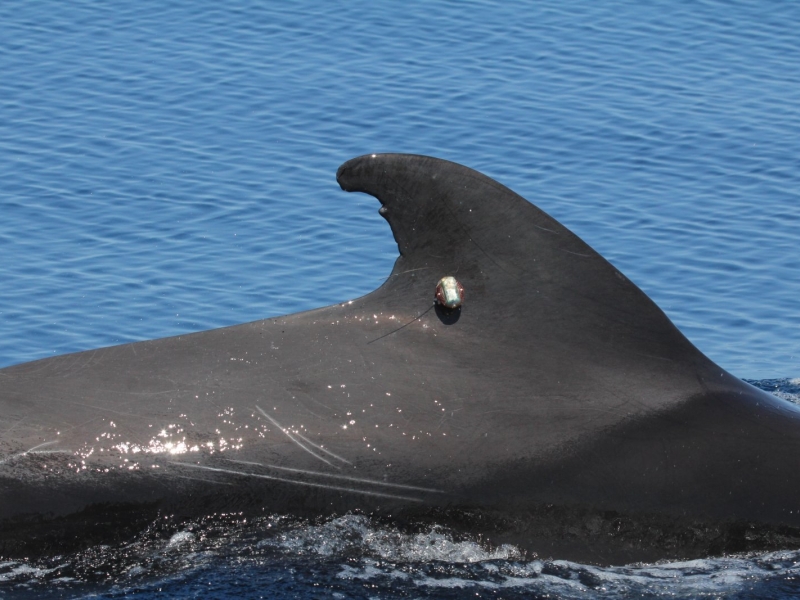
Atlantic BRS 2017!
May 22, 2017
The Atlantic BRS efforts are underway.
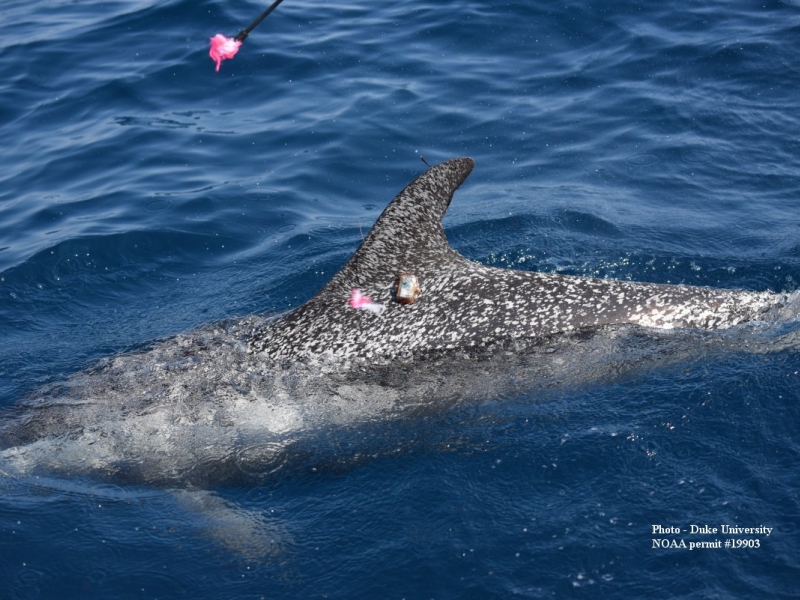
Bonus tagging in JAX
June 15, 2016
Odontocete tagging in Florida.
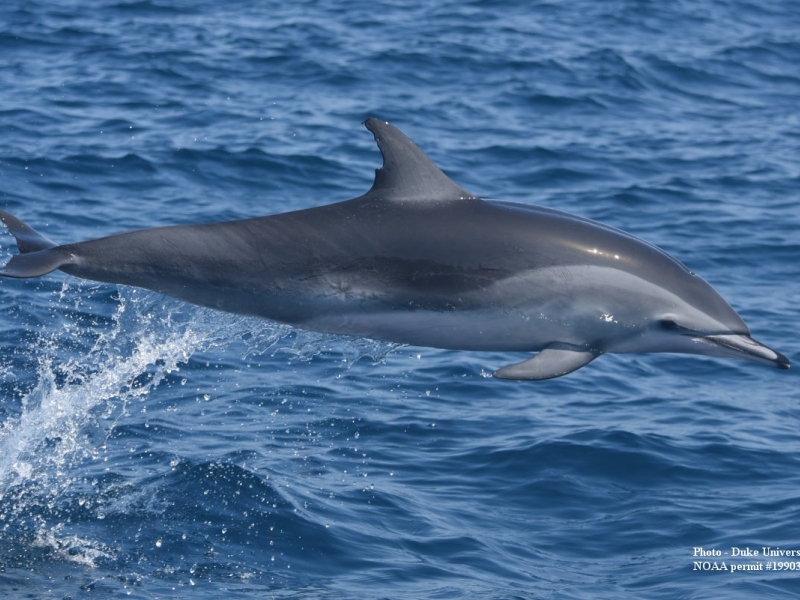
Banner day tagging odontocetes at Hatteras!
June 1, 2016
A busy field day in NC.
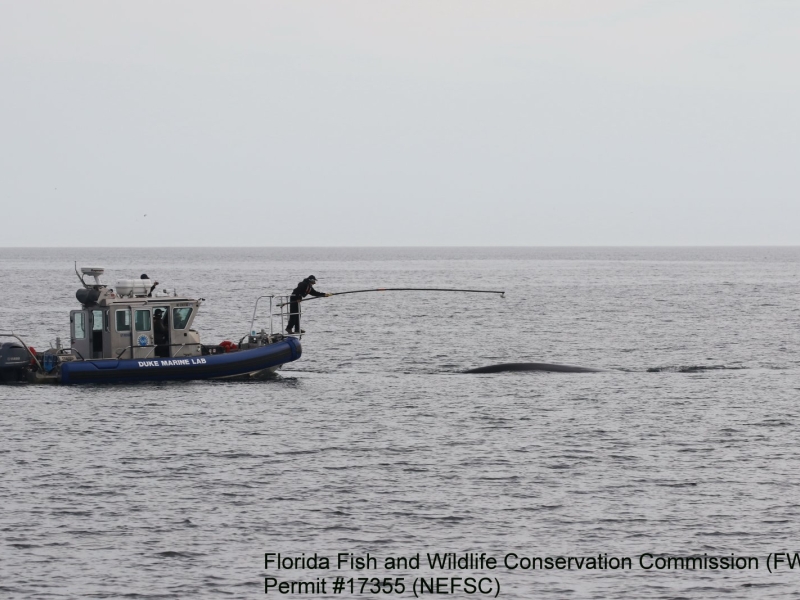
Tagging North Atlantic Right Whales
May 9, 2016
Southeast US tagging project has successful season.
Seals of Rhode Island and Virginia
February 17, 2016
Two projects studying harbor seals on the east coast.
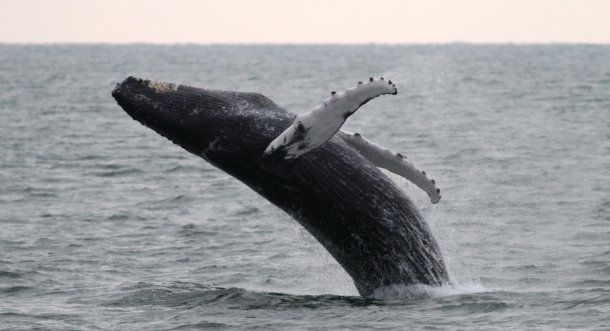
Tagging Atlantic Humpbacks
January 8, 2016
Year two of our Chesapeake Bay humpback whale project has begun!
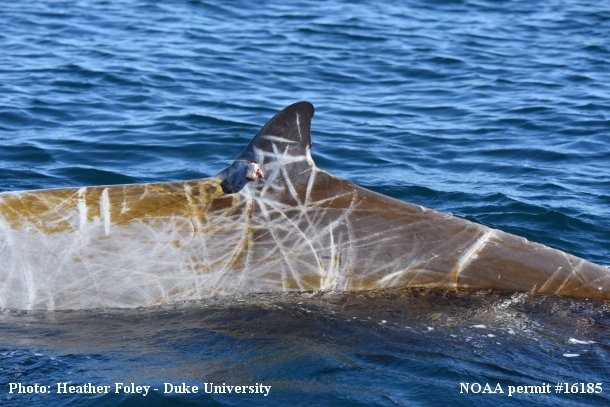
Hatteras tagging wraps up for 2015
November 10, 2015
The finale of a successful field season.
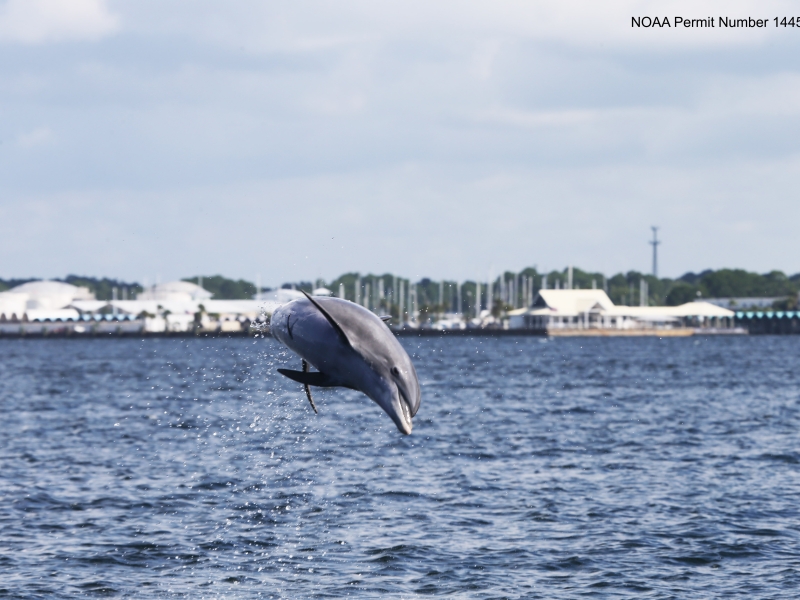
Panama City Dolphin Survey Complete!
August 12, 2015
Bottlenose dolphin photo ID efforts in Florida
Turtle Tagging Season Has Begun!
May 18, 2015
Tagging loggerhead and Kemp's ridley sea turtles off Virginia.
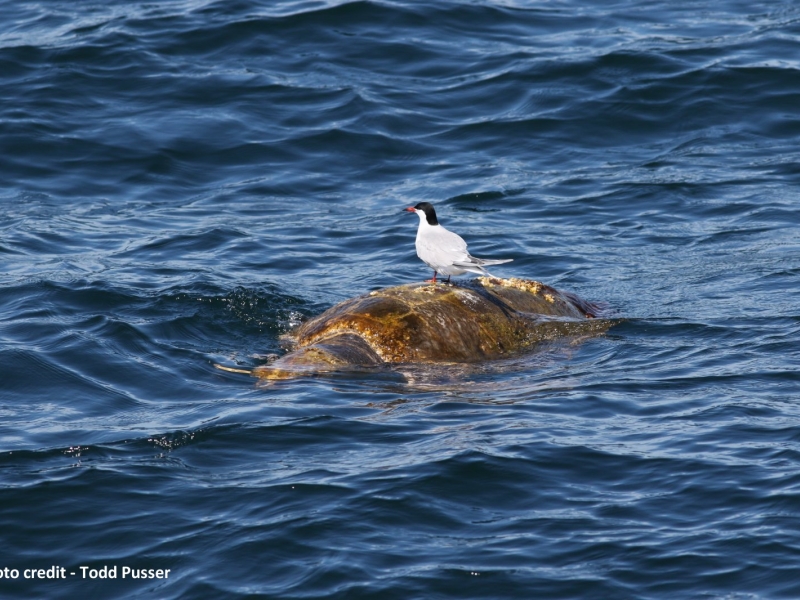
Great Day for a Mid-Atlantic Offshore Survey
April 20, 2015
Pelagic cetaceans and sea turtle sightings.
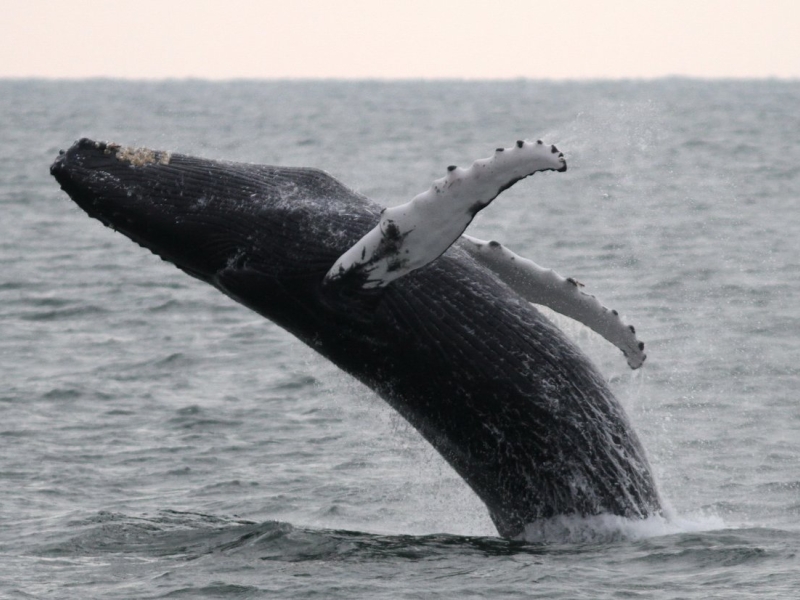
Humpbacks Have Arrived!
December 30, 2014
It's winter in Virginia and that means whales!
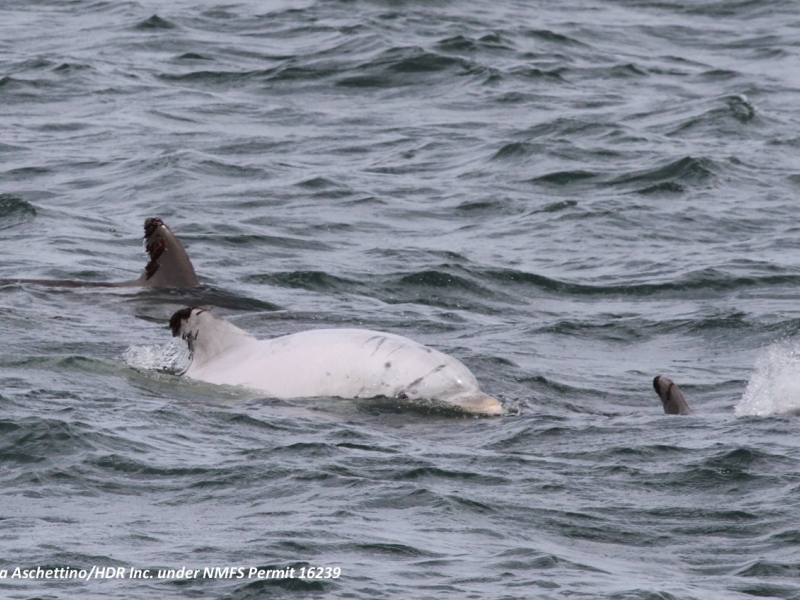
White “Leucistic” Bottlenose Dolphin Seen on Marine Mammal Survey
October 30, 2014
Leucism, like albinism, is a genetic condition that results in a lack of pigmentation in the skin.
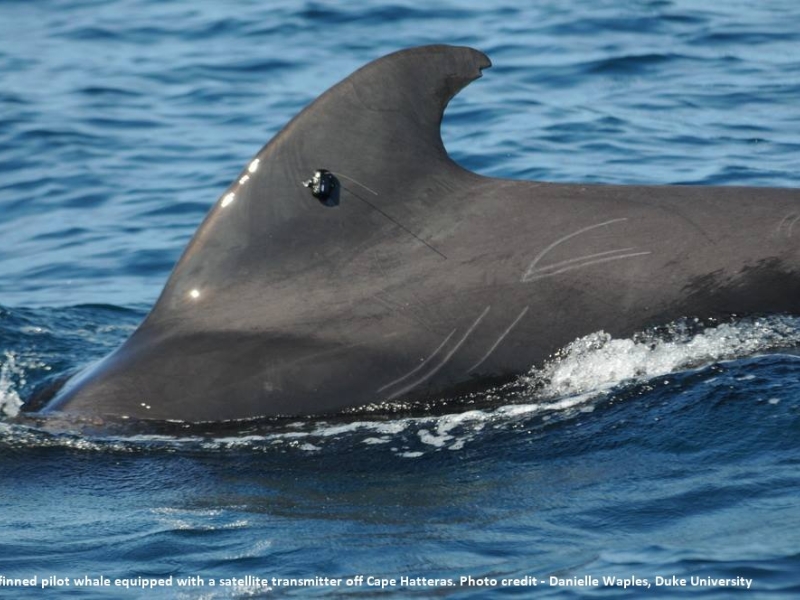
Tagging Deep Diving Odontocetes Off Cape Hatteras - Part 3
September 26, 2014
Details on the 3rd field session for the year.
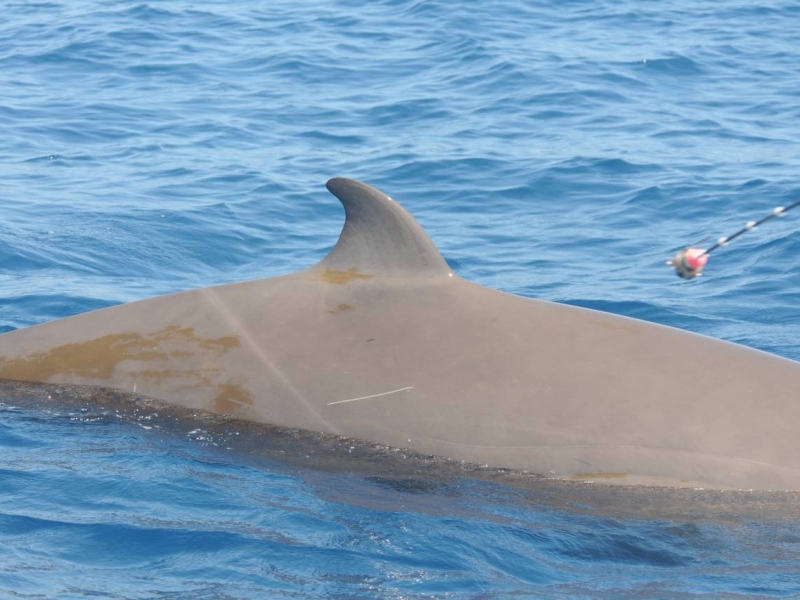
Tagging Whales Off Cape Hatteras
May 21, 2014
Learning about the movements of odontocetes.
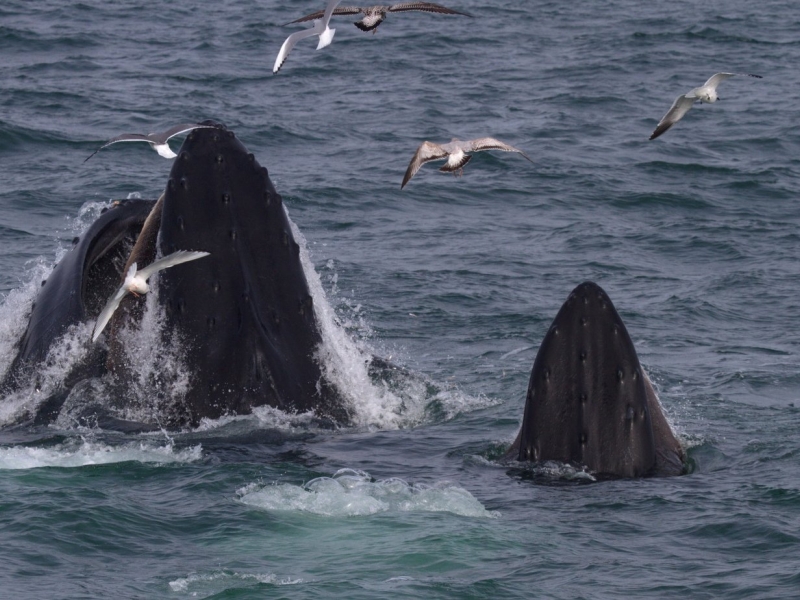
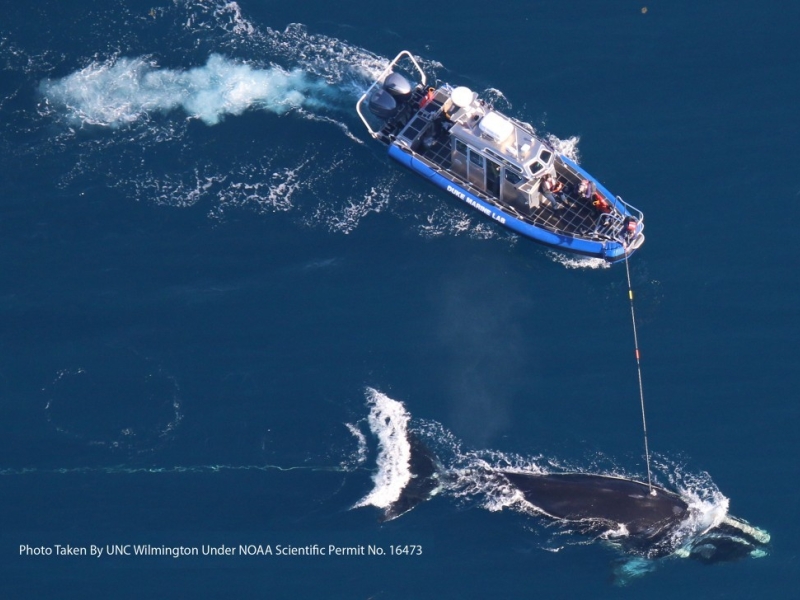
North Atlantic Right Whale Disentanglement
March 3, 2014
Our team provided assistance to a disentanglement effort.
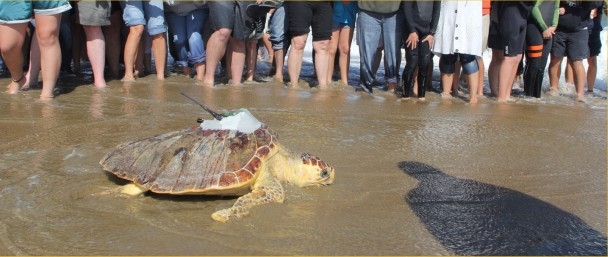
Sea Turtle Rehabilitation and Release
November 26, 2013
Tagging rescued sea turtles.
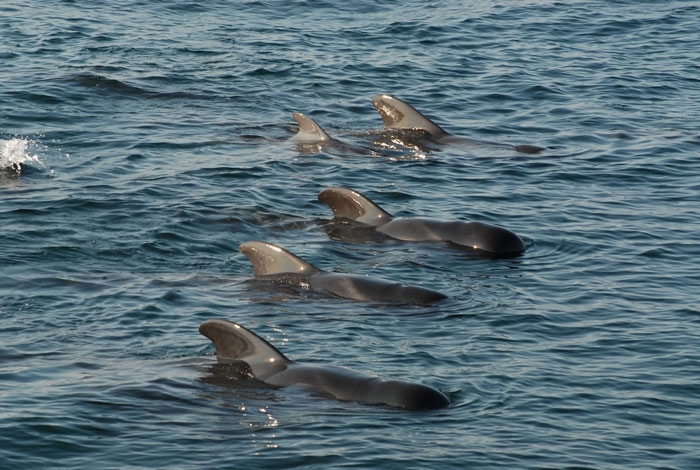
Cape Hatteras Field Work Update
October 28, 2013
Calm days at sea off NC.
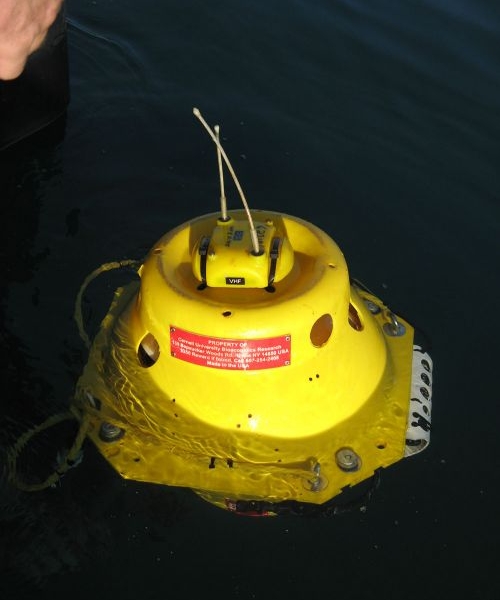
Passive acoustic monitoring for right whales off Cape Hatteras
October 21, 2013
MARUs off NC
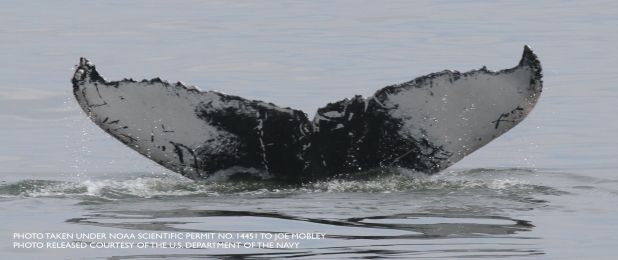
Spinnaker sighted off Virginia Beach
September 25, 2013
A well known whale makes a visit.
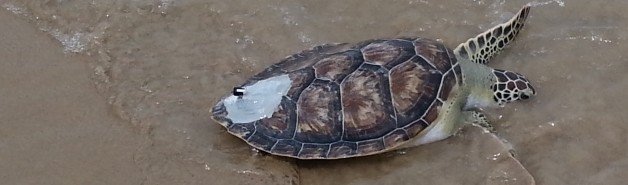
Atlantic sea turtle tagging project is underway!
July 17, 2013
The start of a new turtle project.
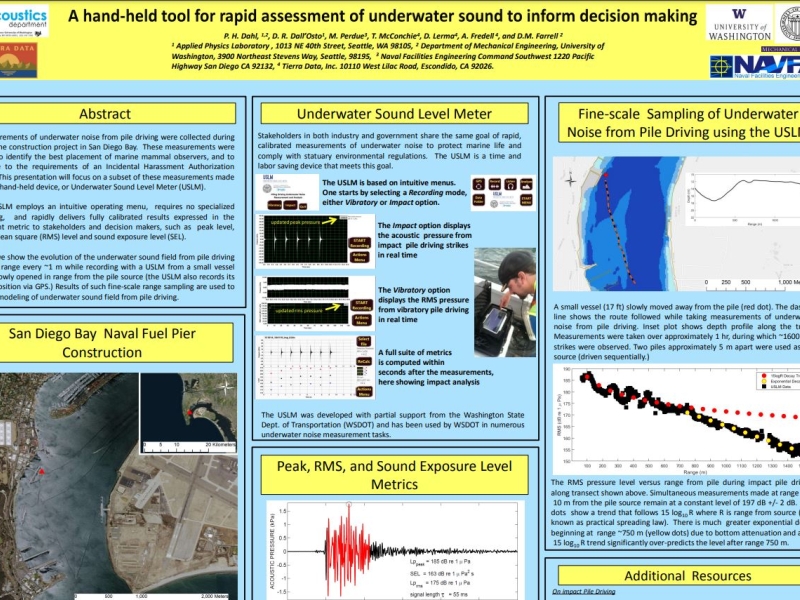
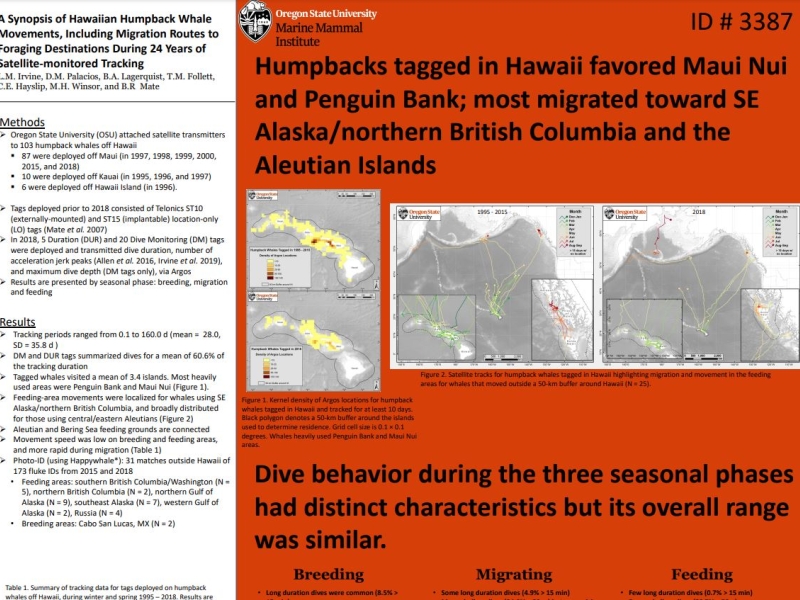
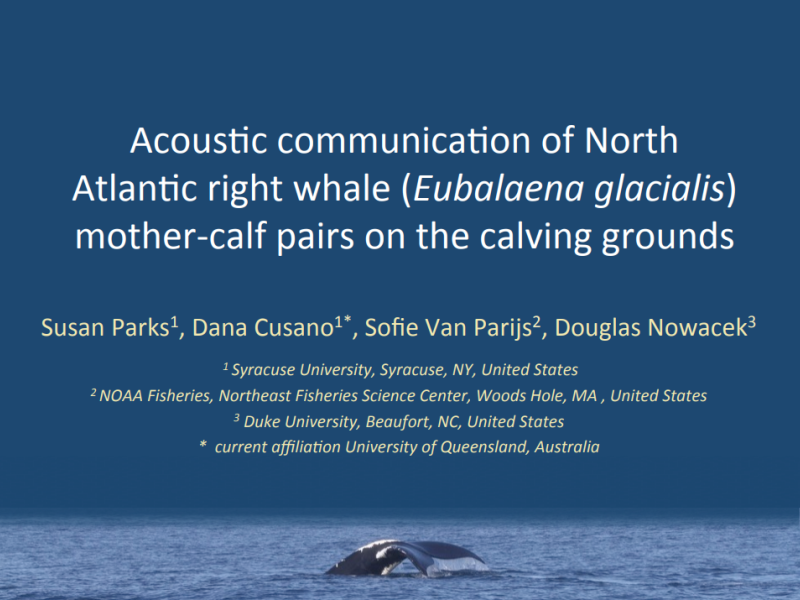
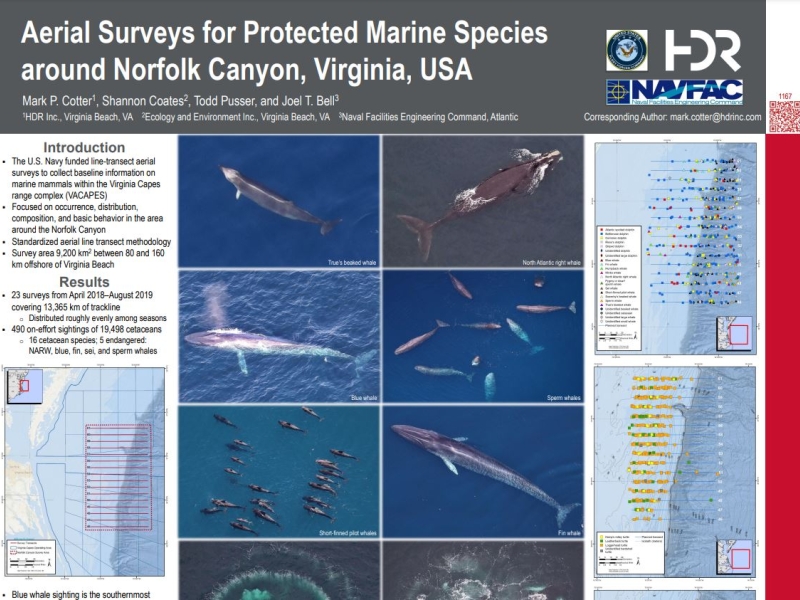
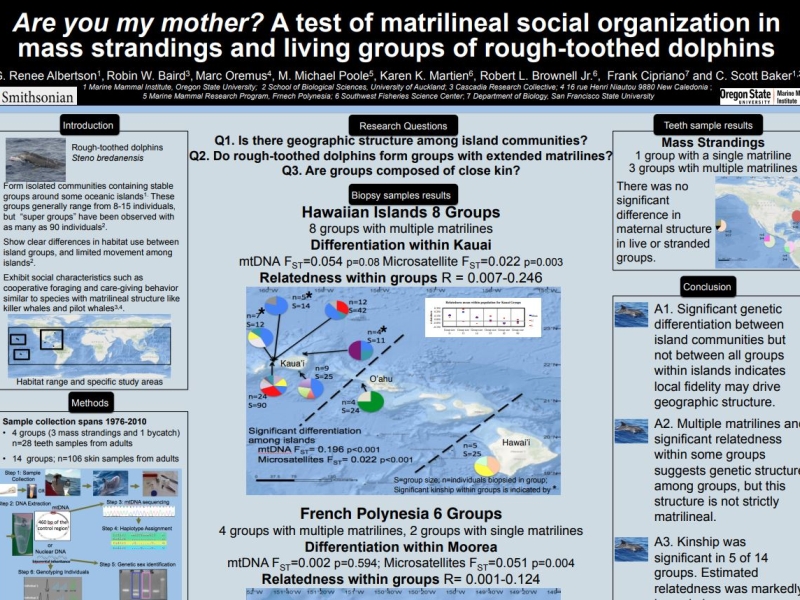
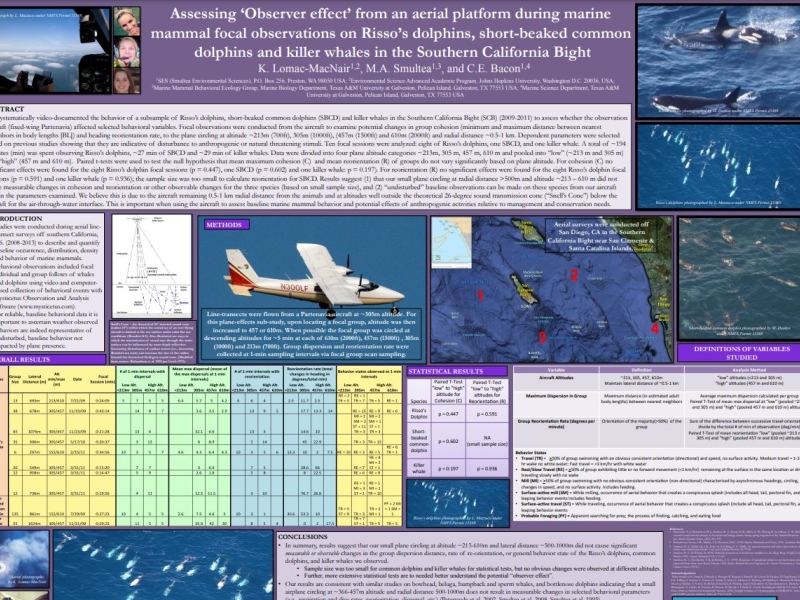
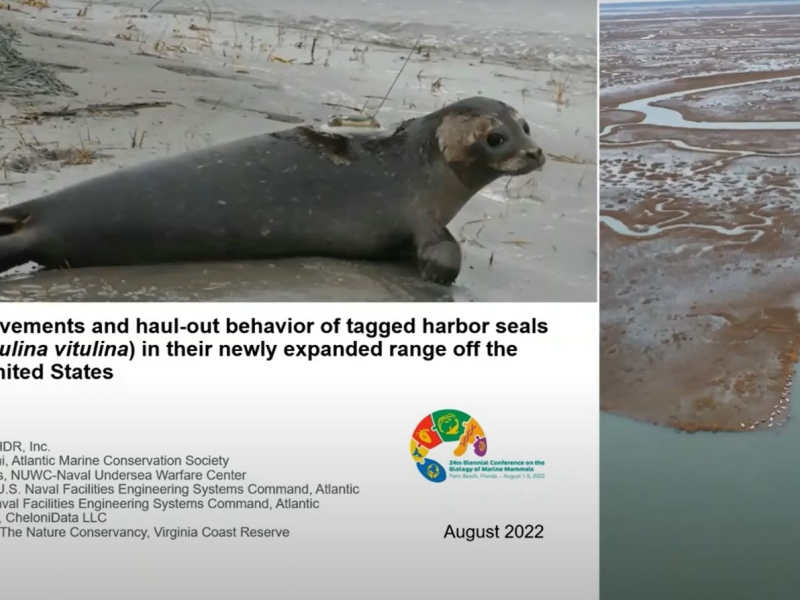
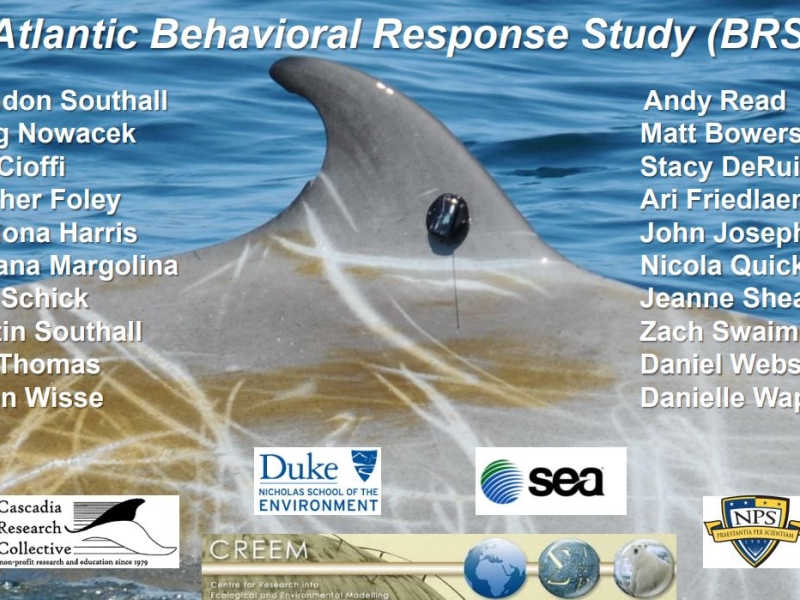
Beaked whale distribution and seasonality in Southern California
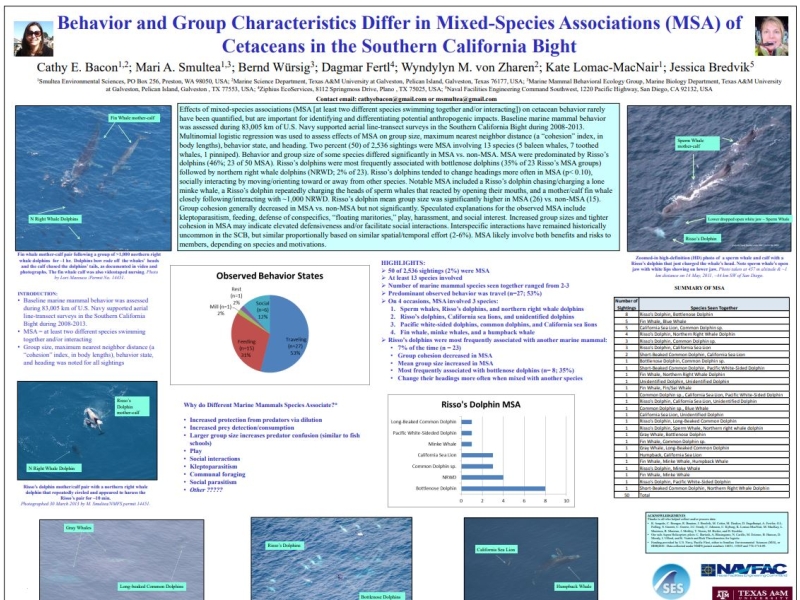
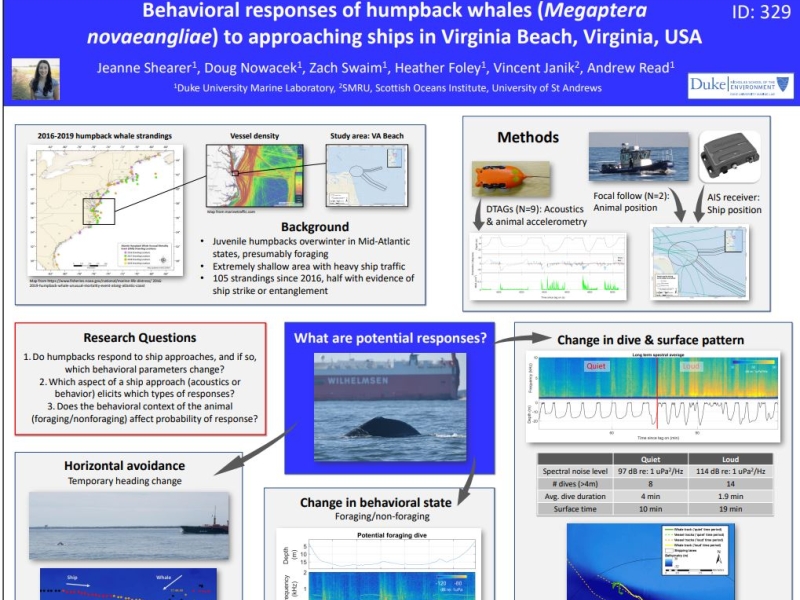
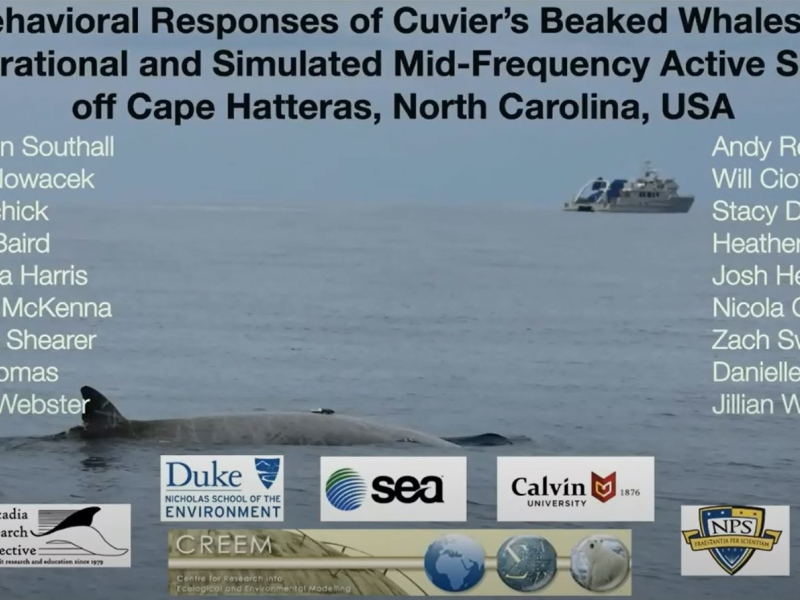
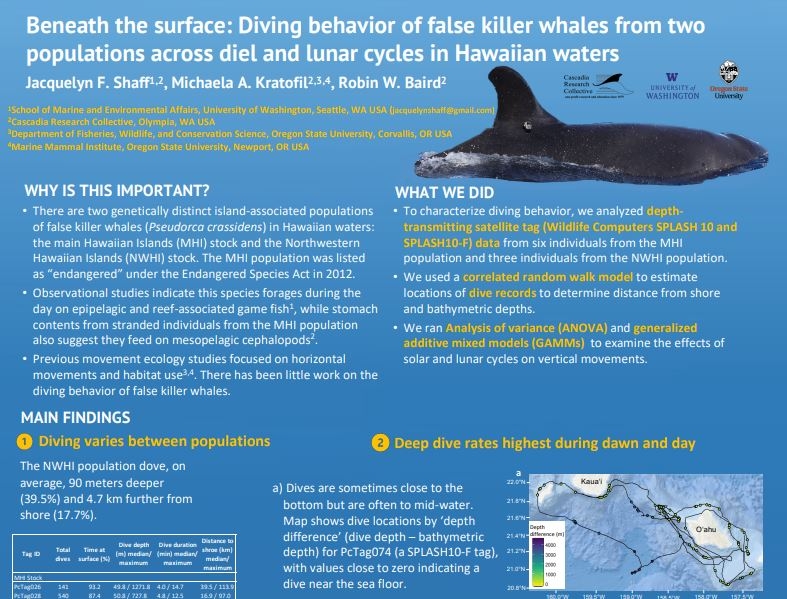
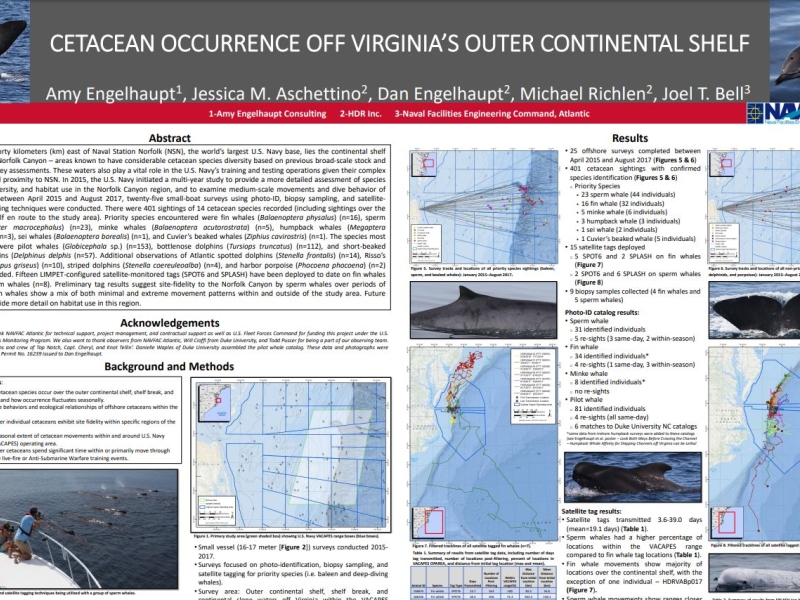
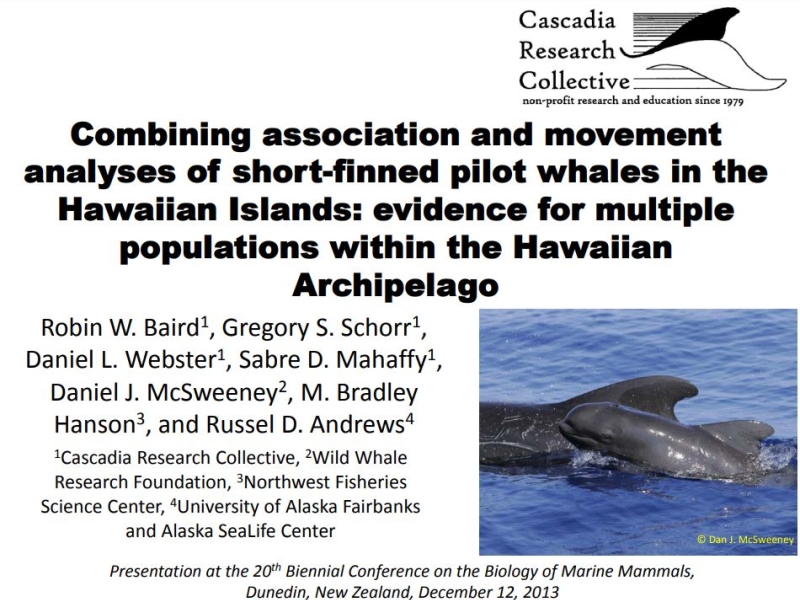
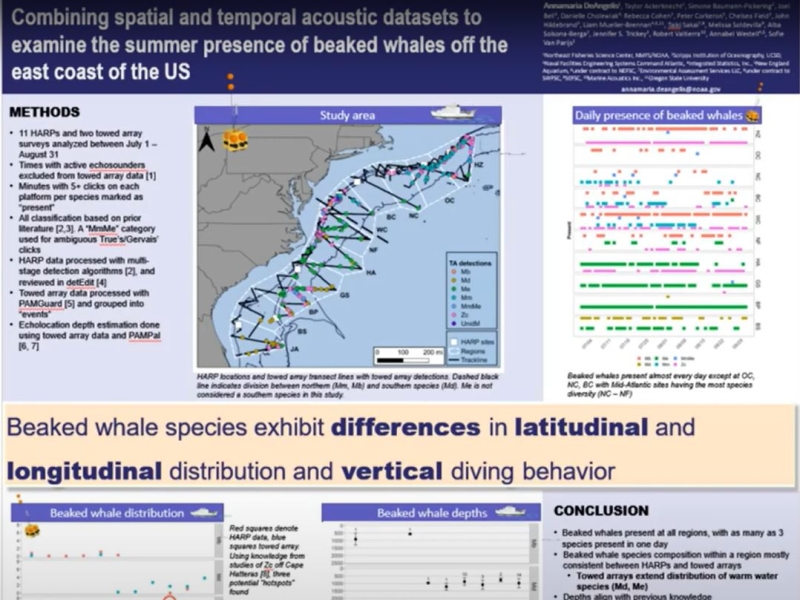
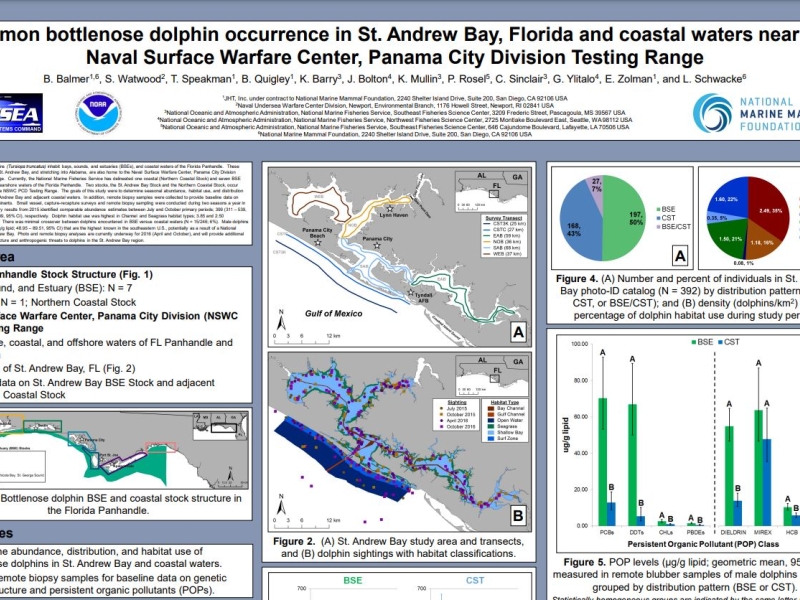
The goals of this study were to determine seasonal abundance, habitat use, and distribution patterns of dolphins in St. Andrew Bay and adjacent coastal waters.
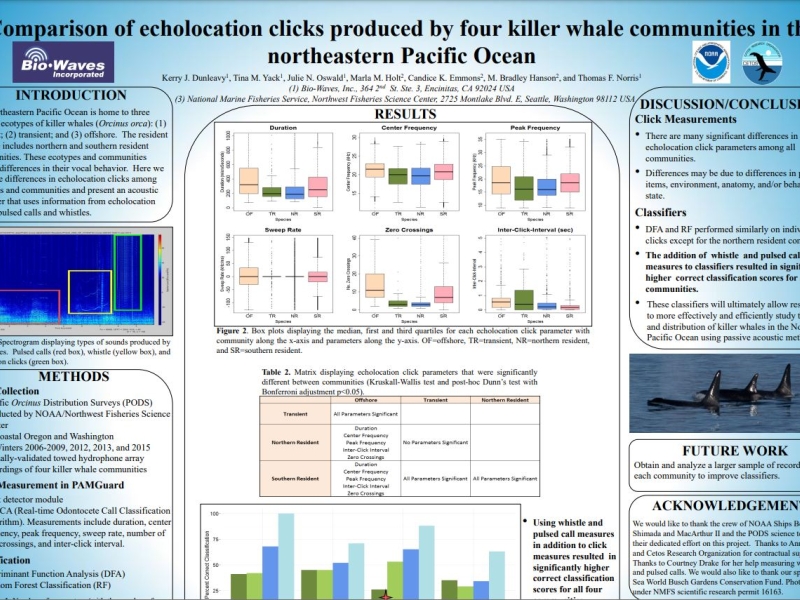
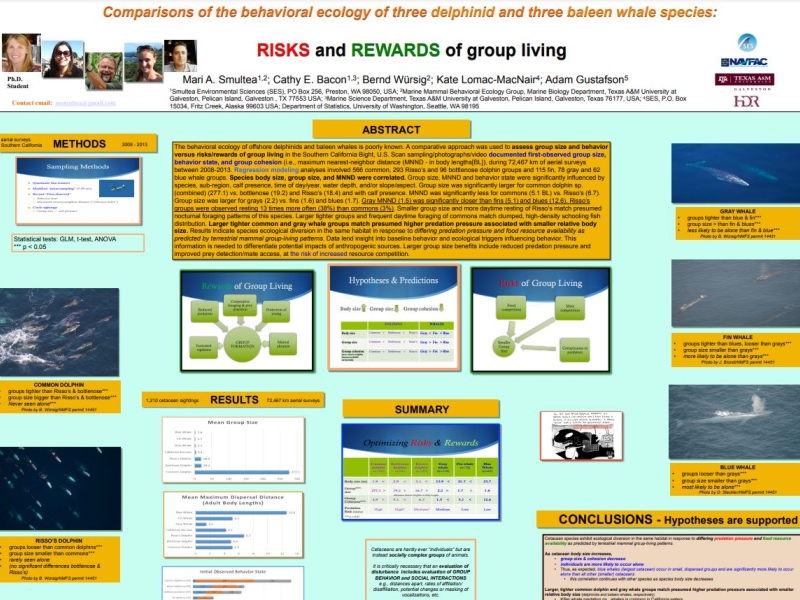
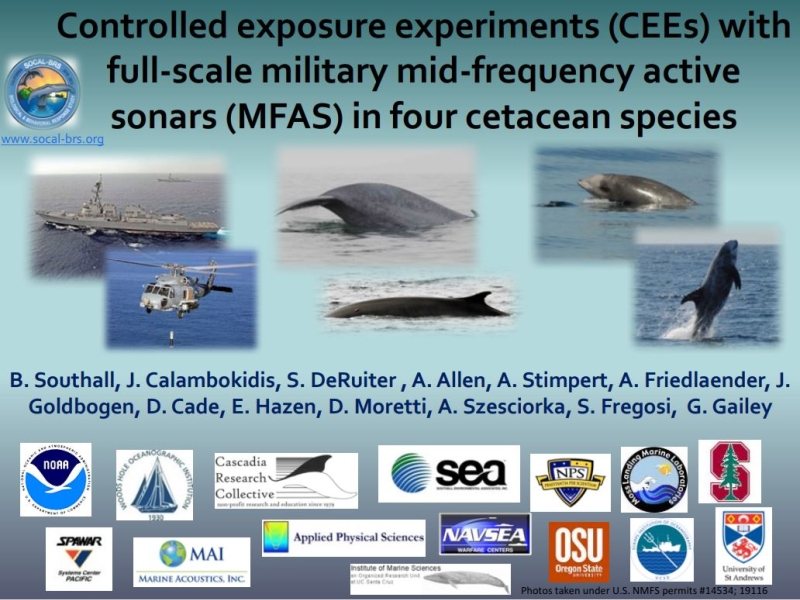
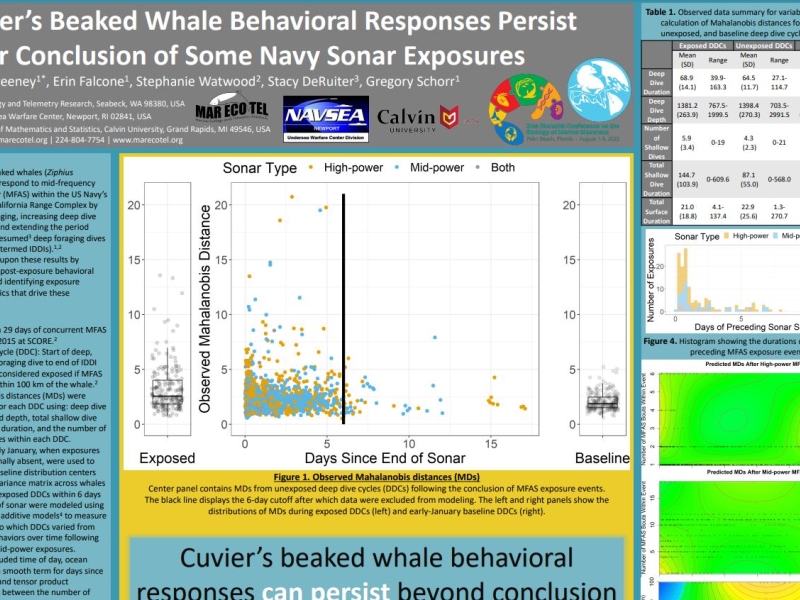
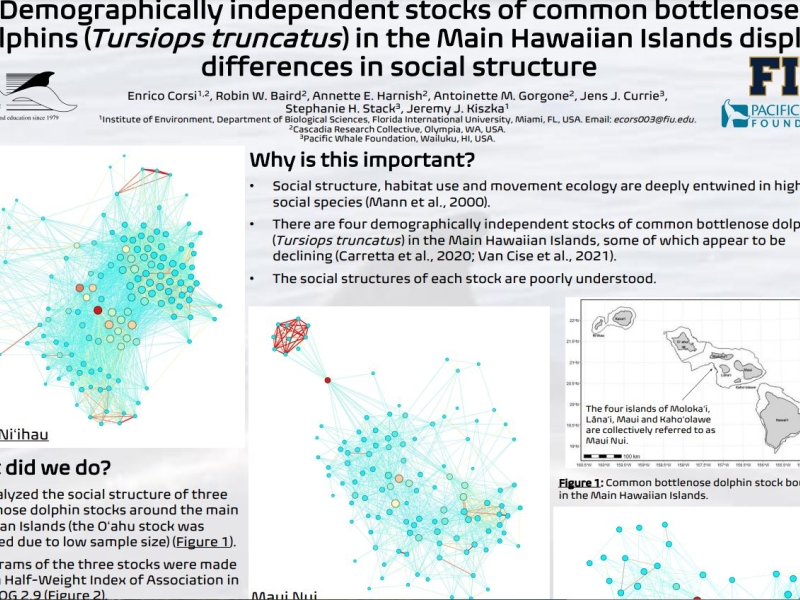
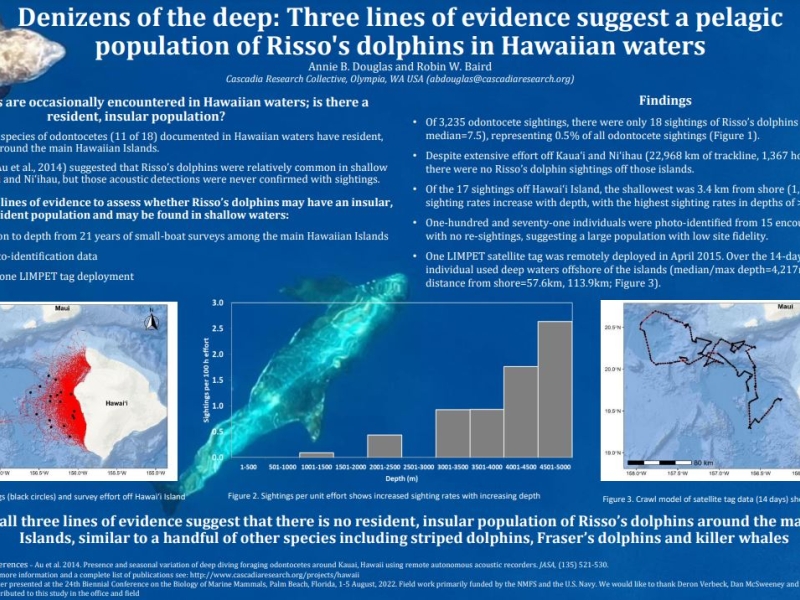
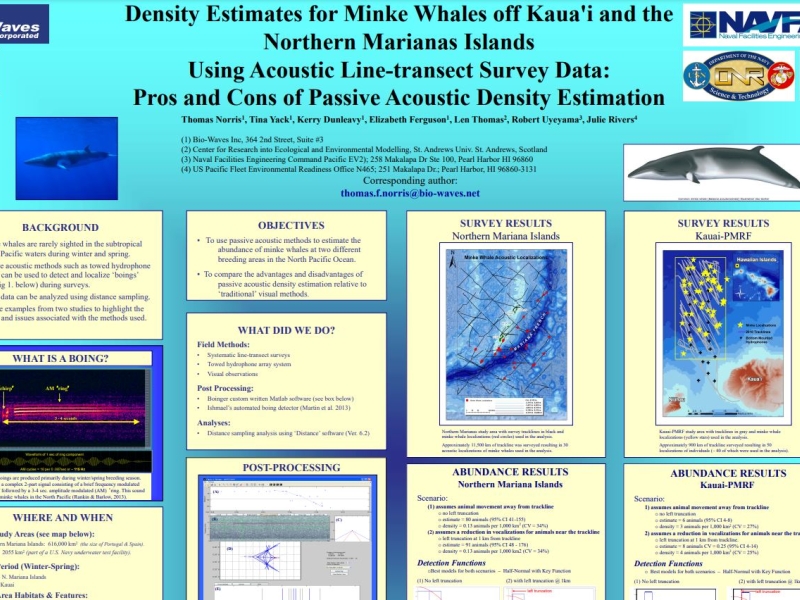
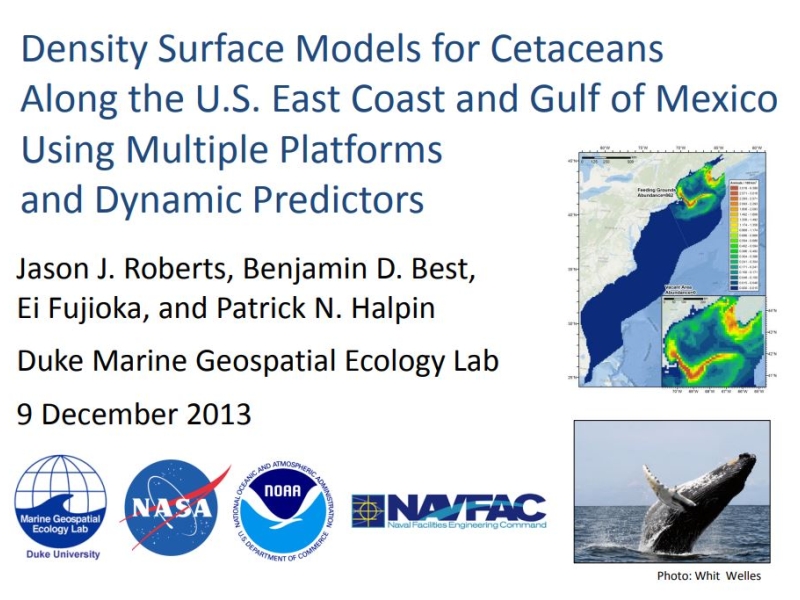
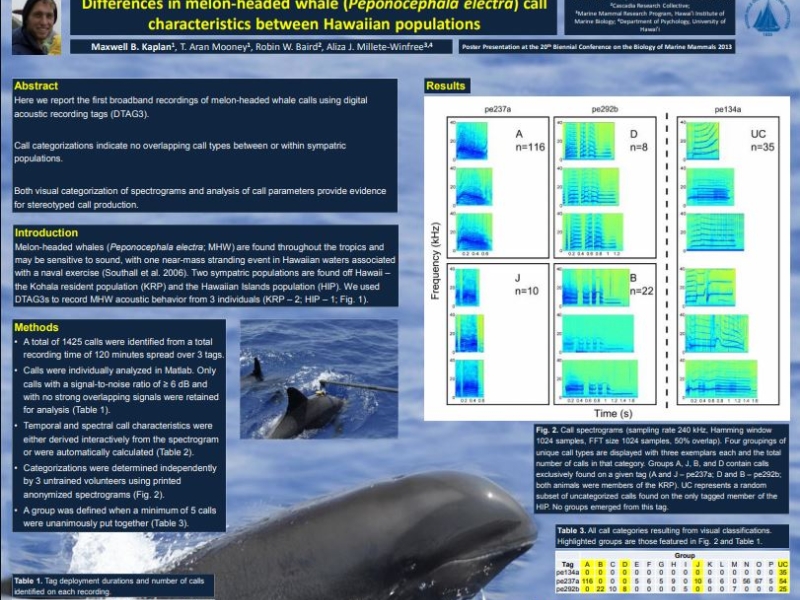
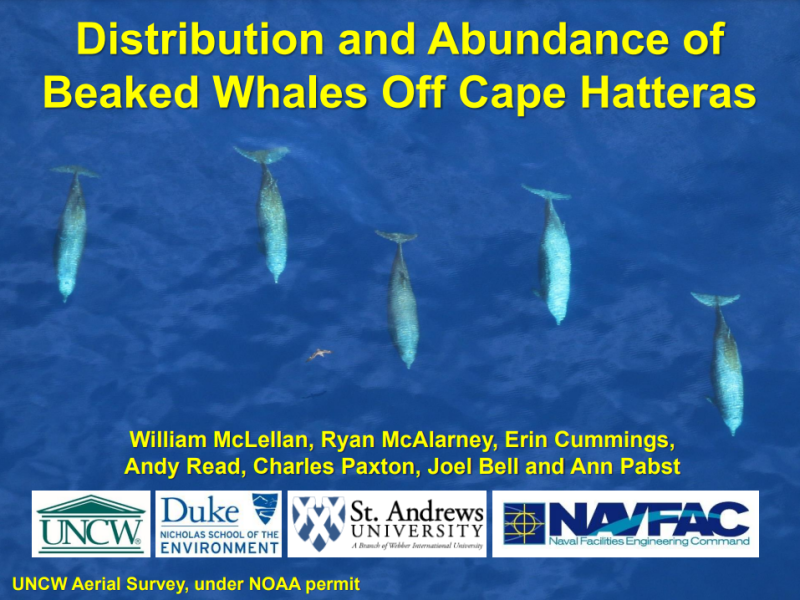
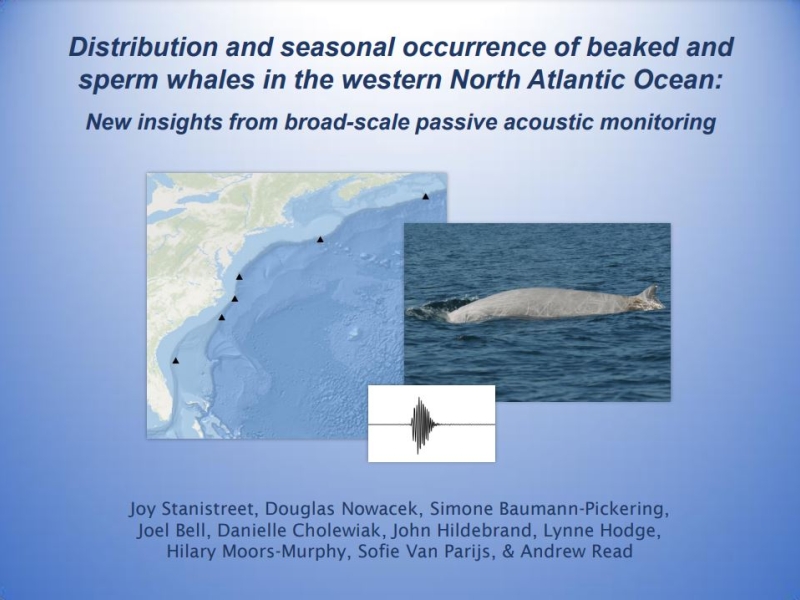
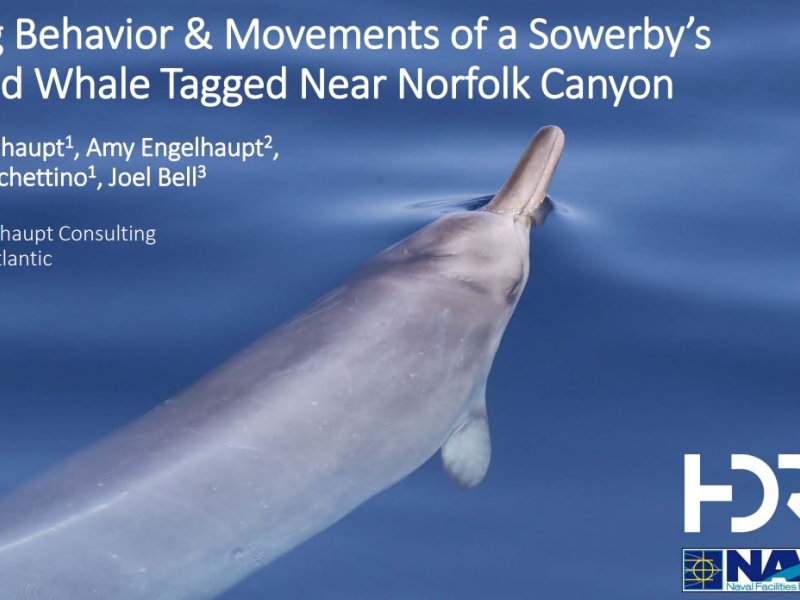
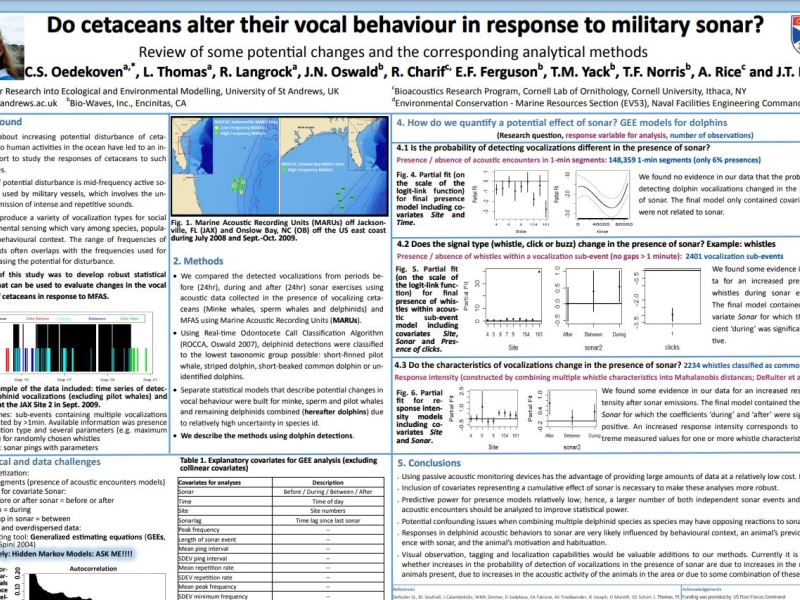
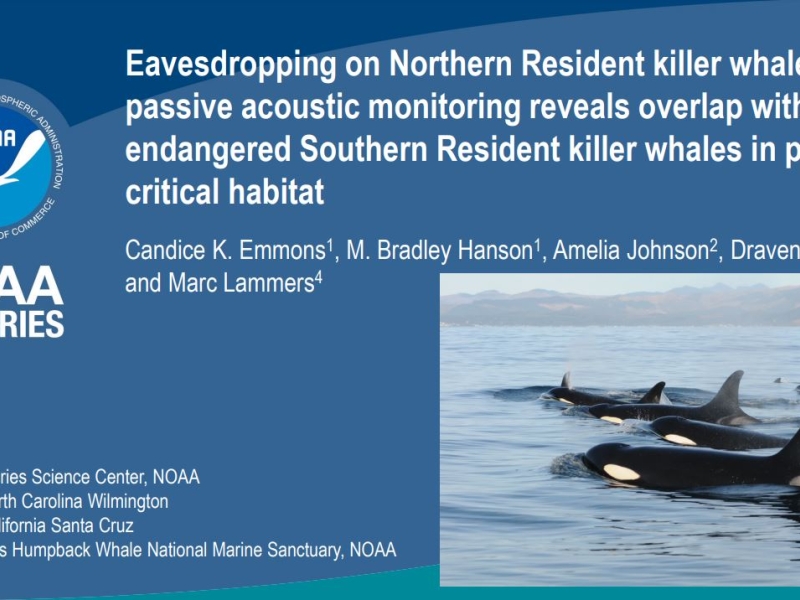
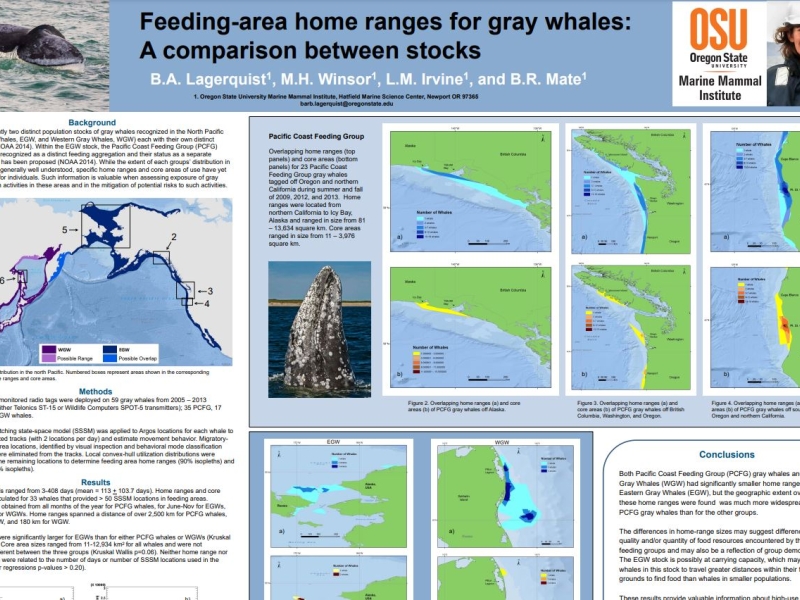
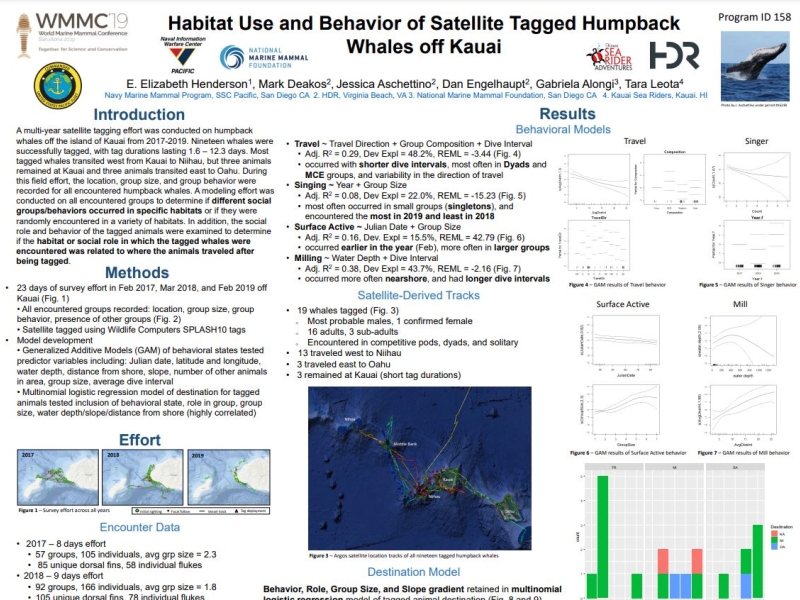
Harbor seal distribution along the United States (U.S.) Atlantic coast appears to be expanding. During the fall of 2014, we began an investigation of harbor seal presence in the lower Chesapeake Bay, VA (Figure 1). The study is ongoing
in 2017-2018…
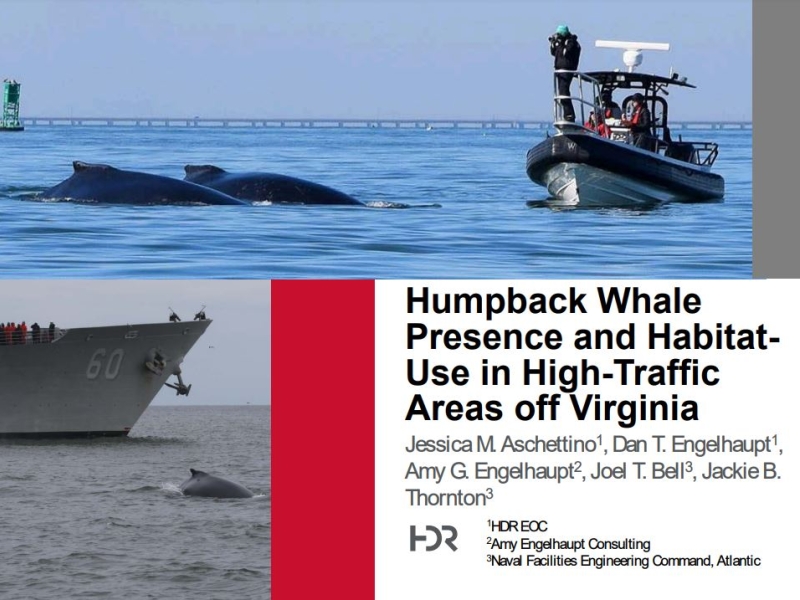
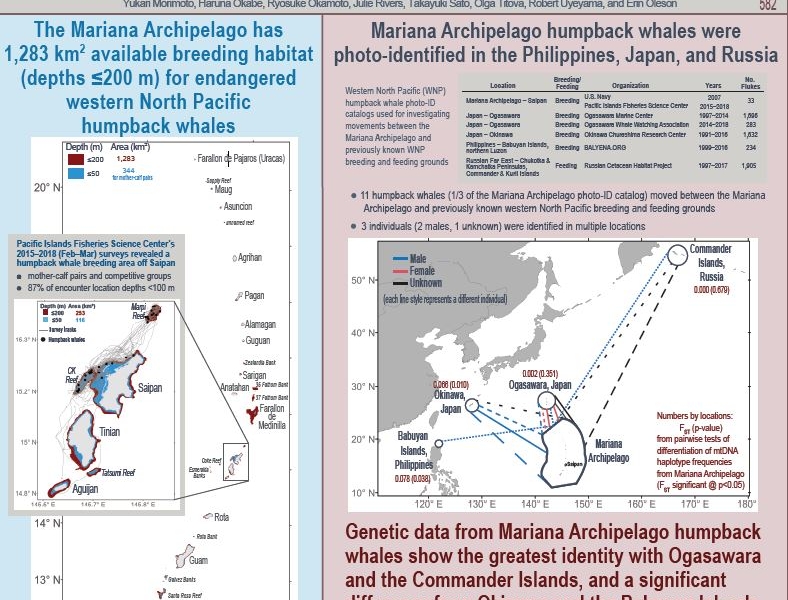
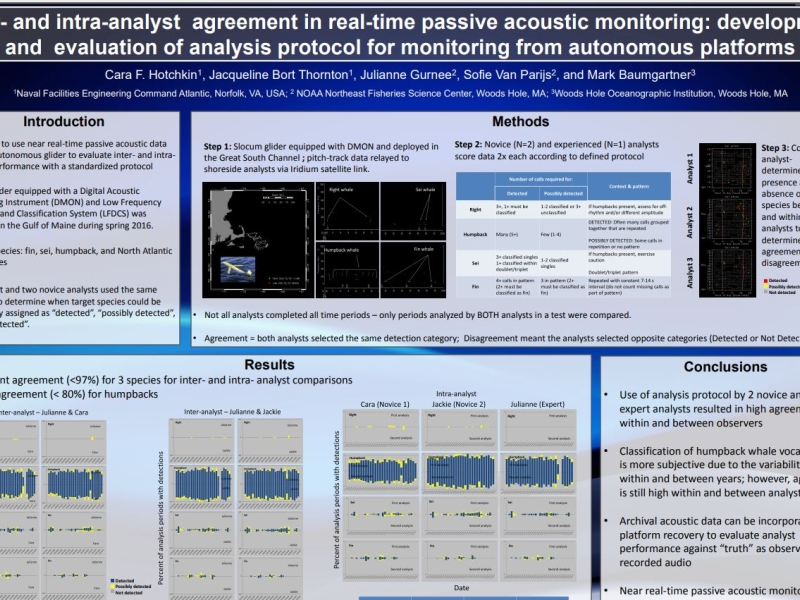
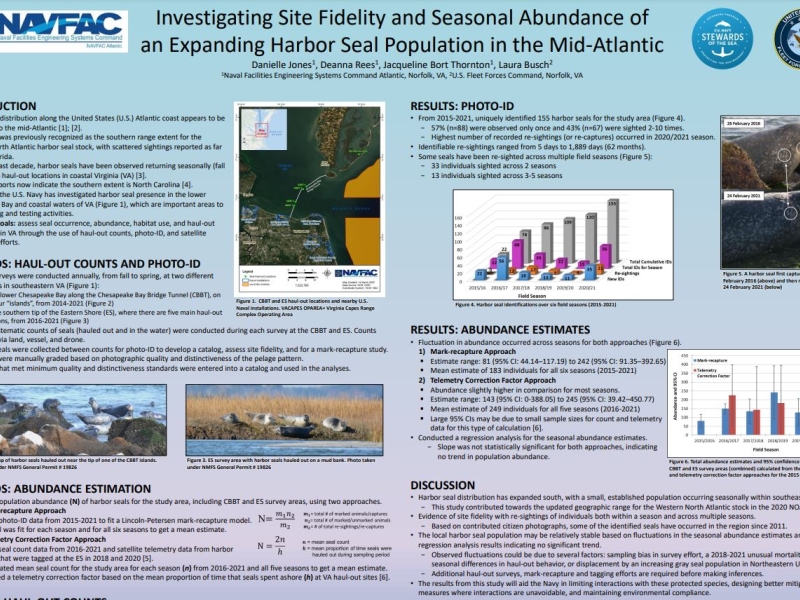
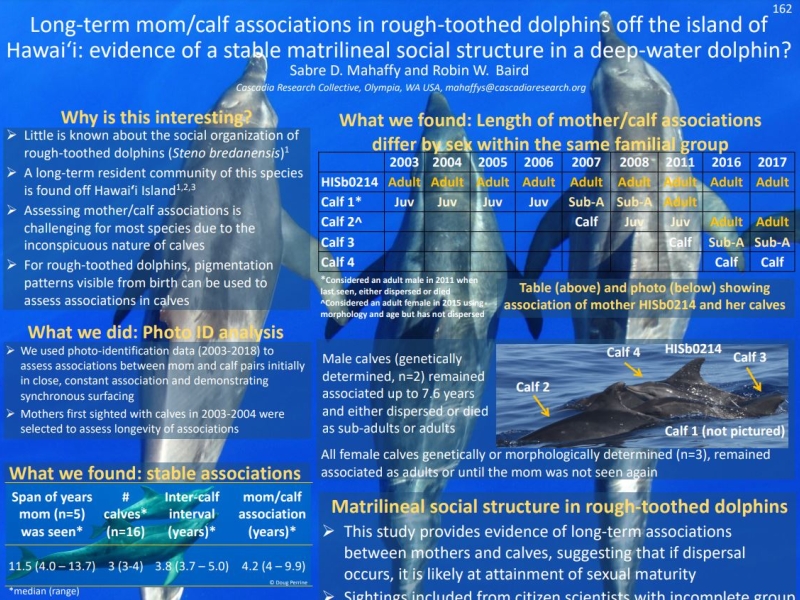
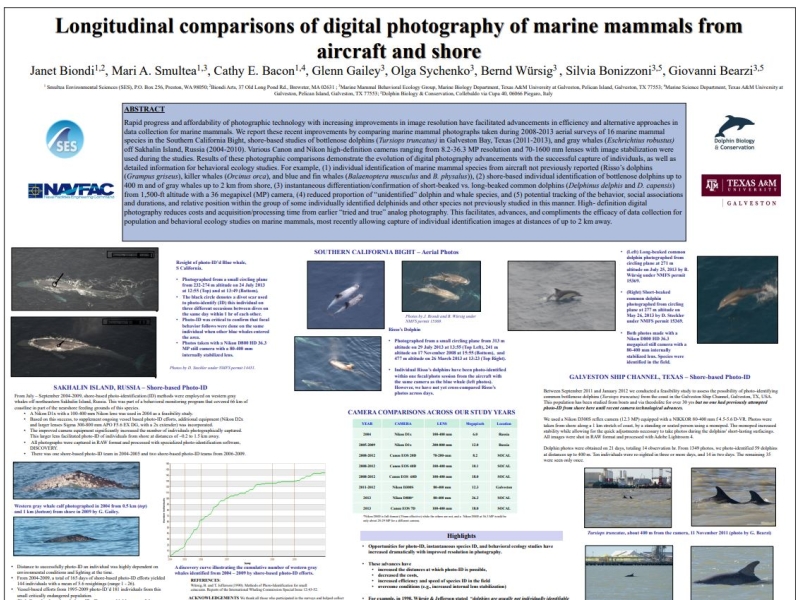
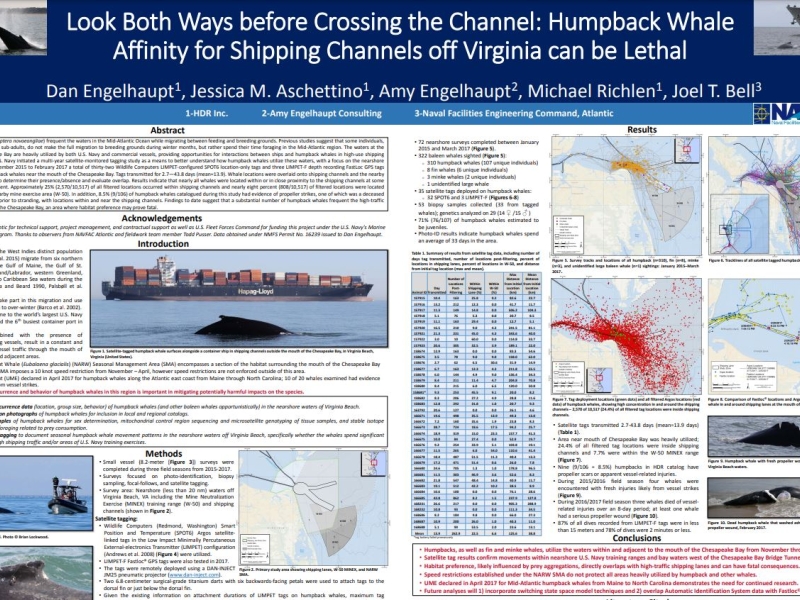
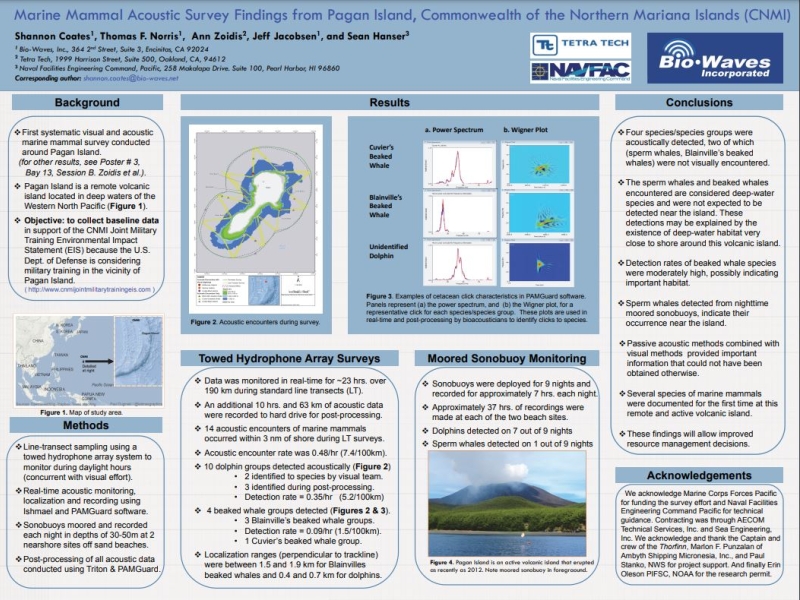
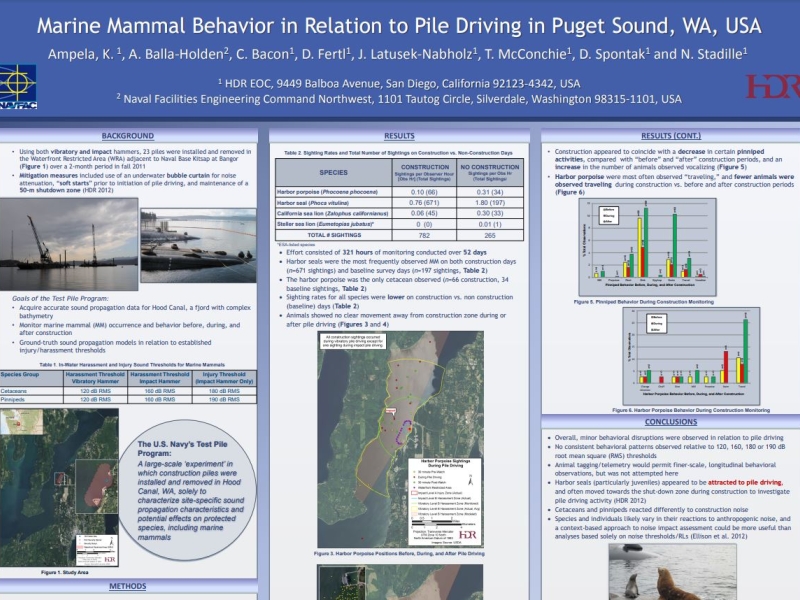
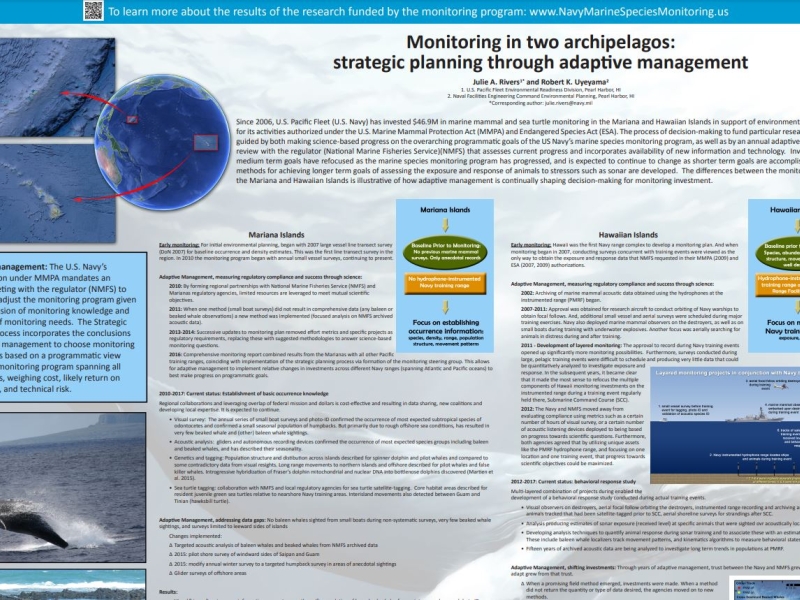
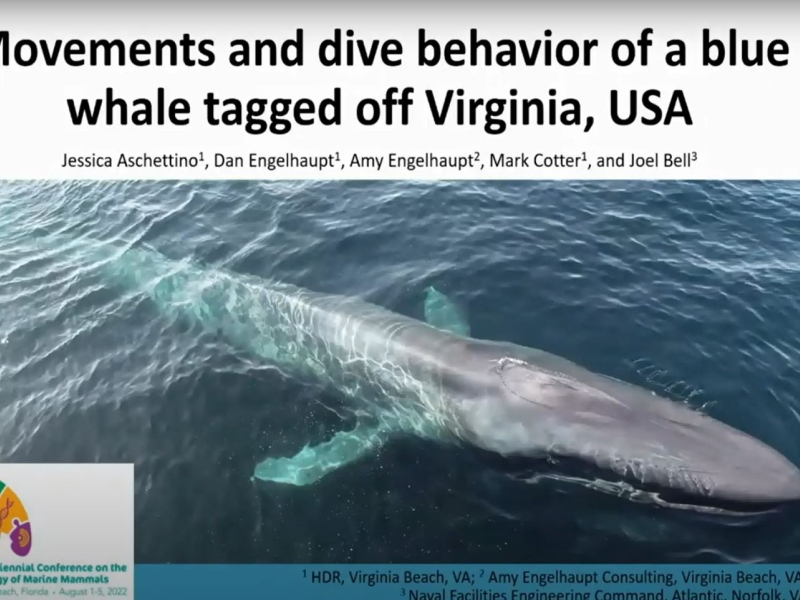
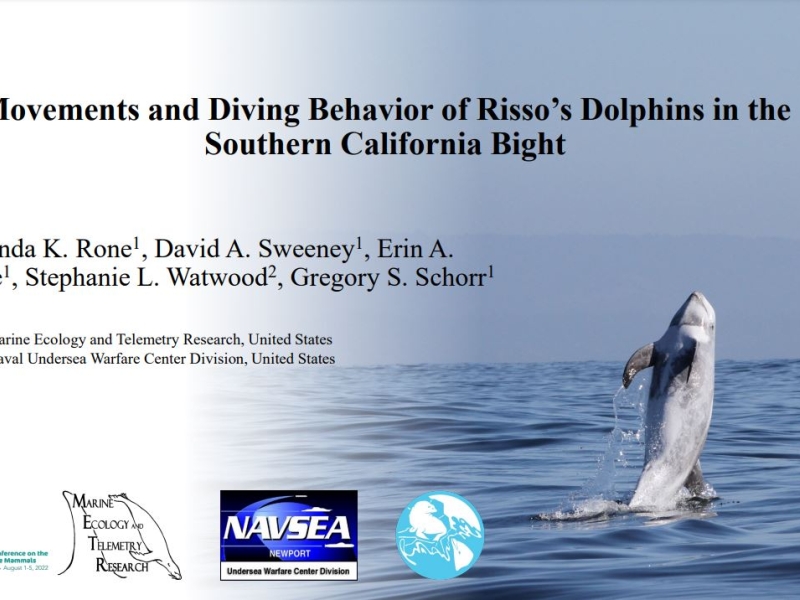
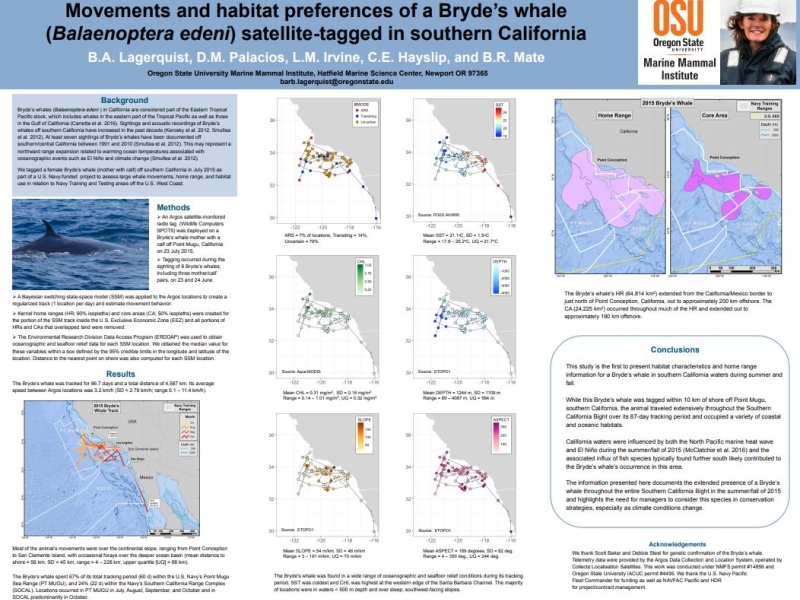
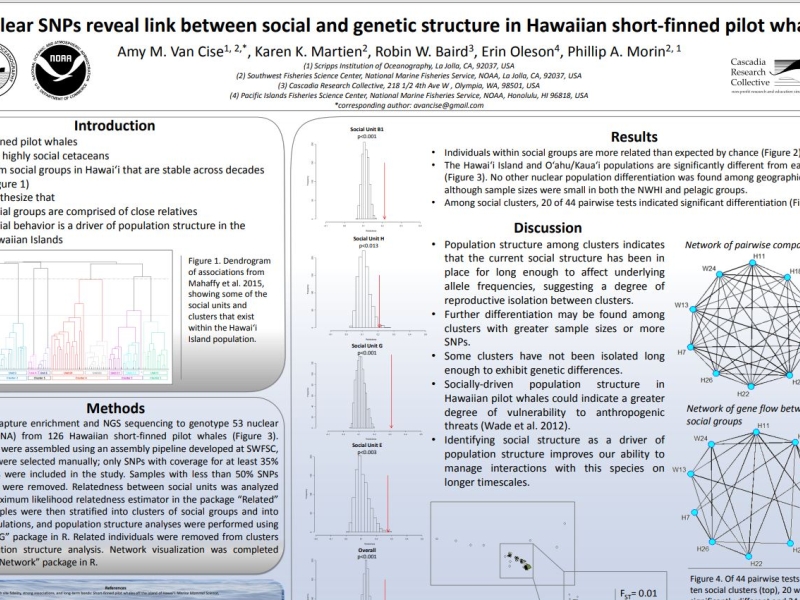
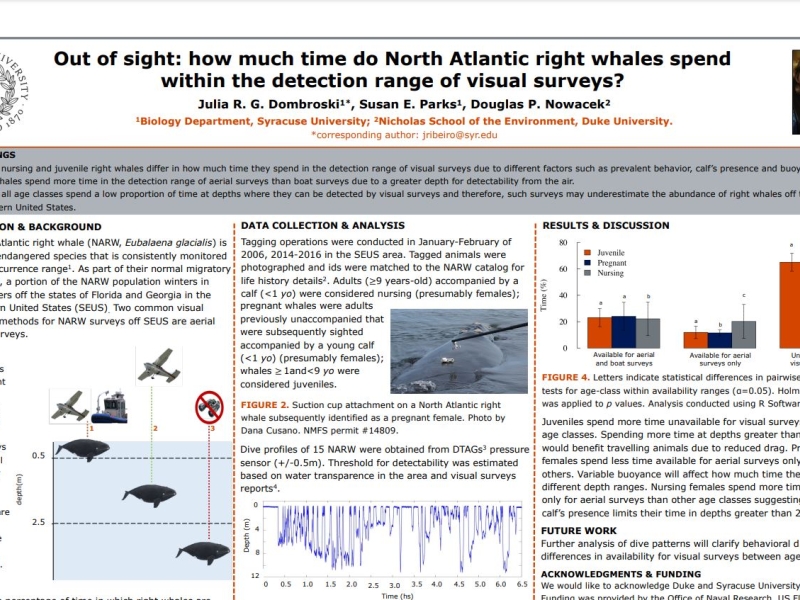
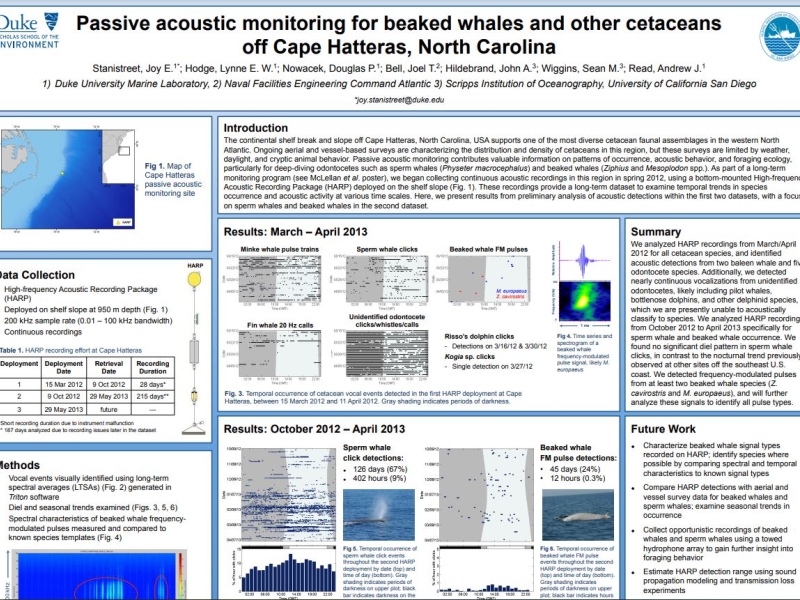
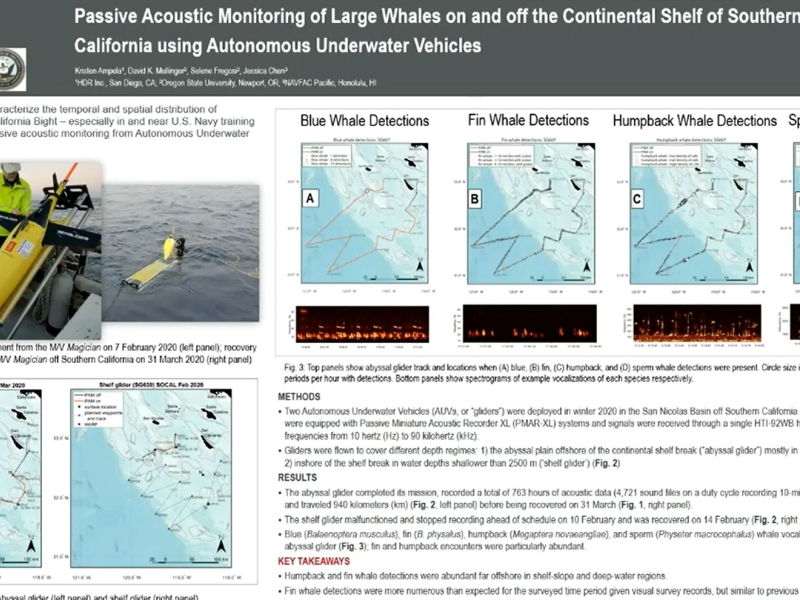
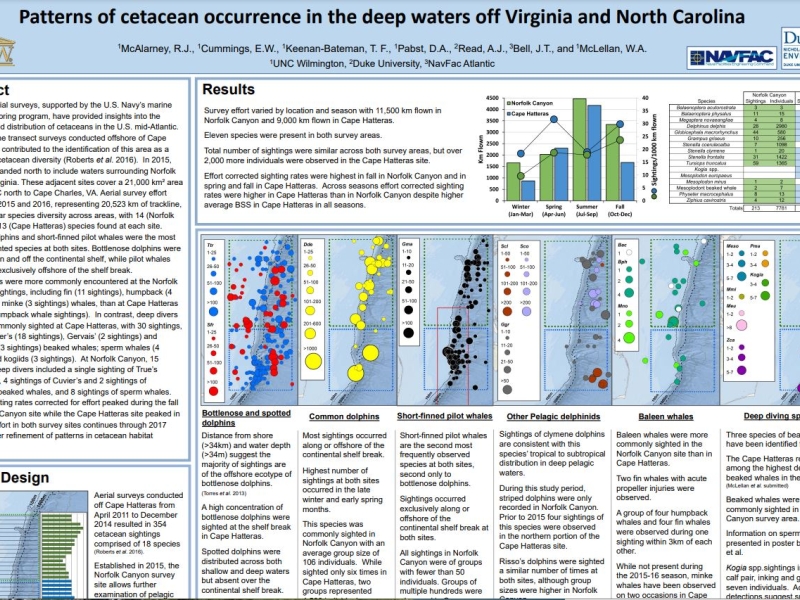
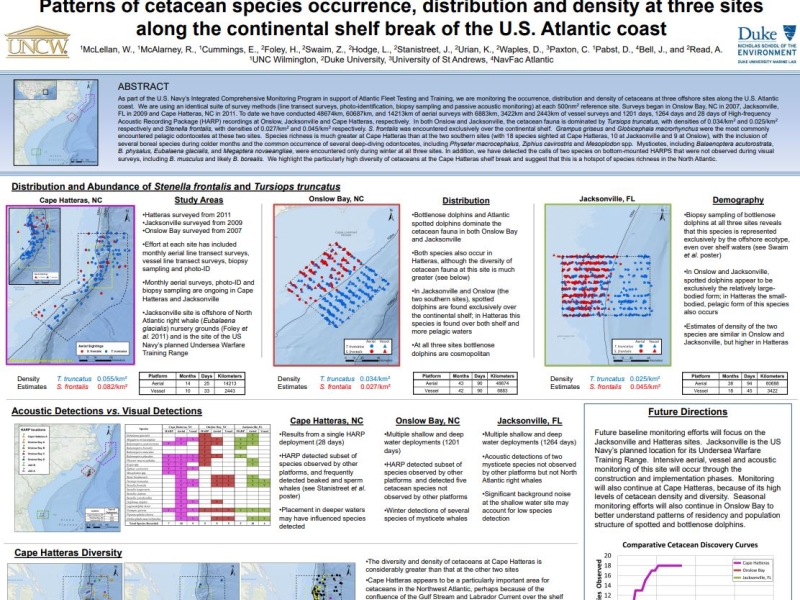
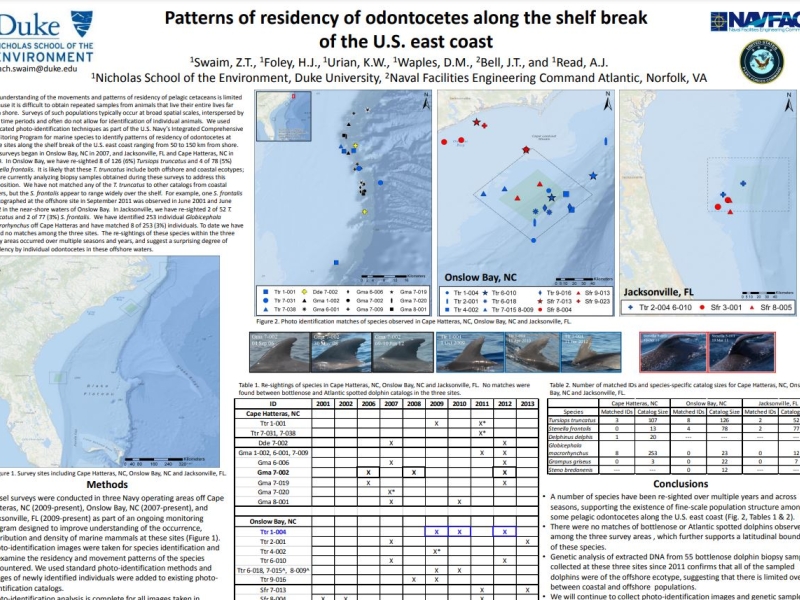
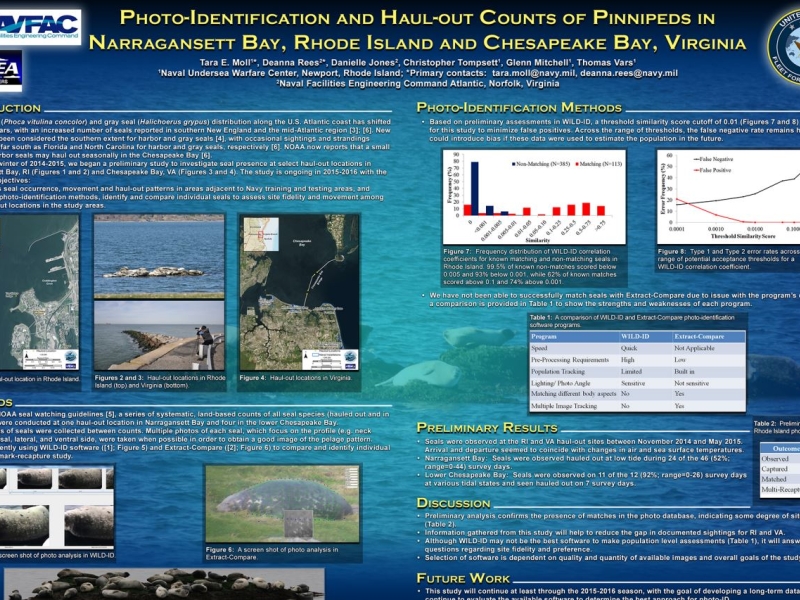
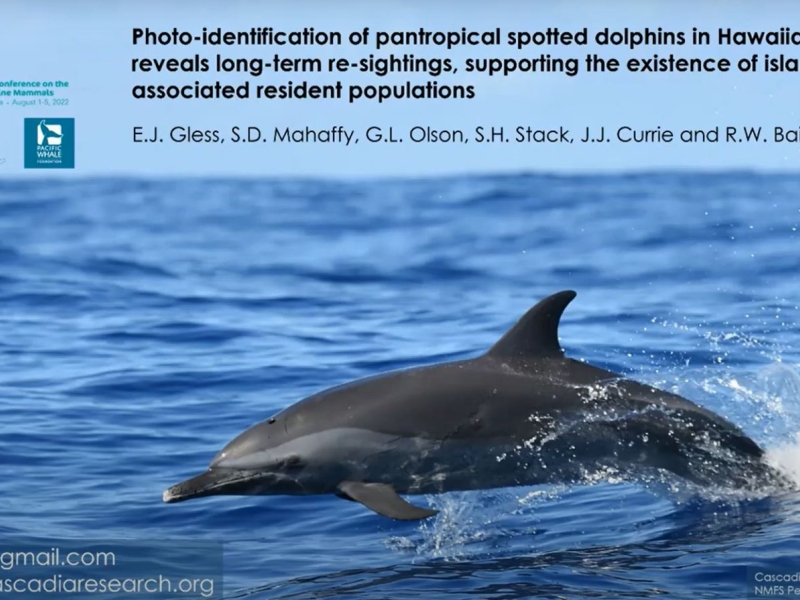
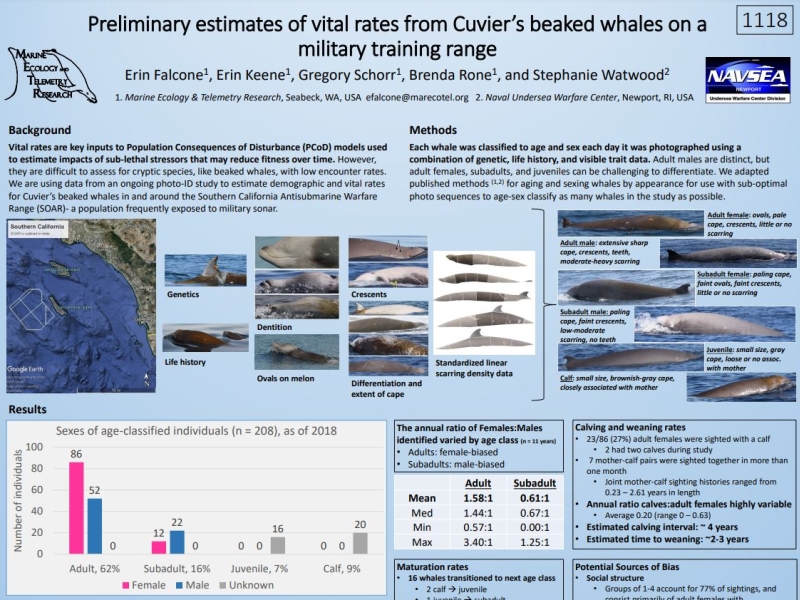
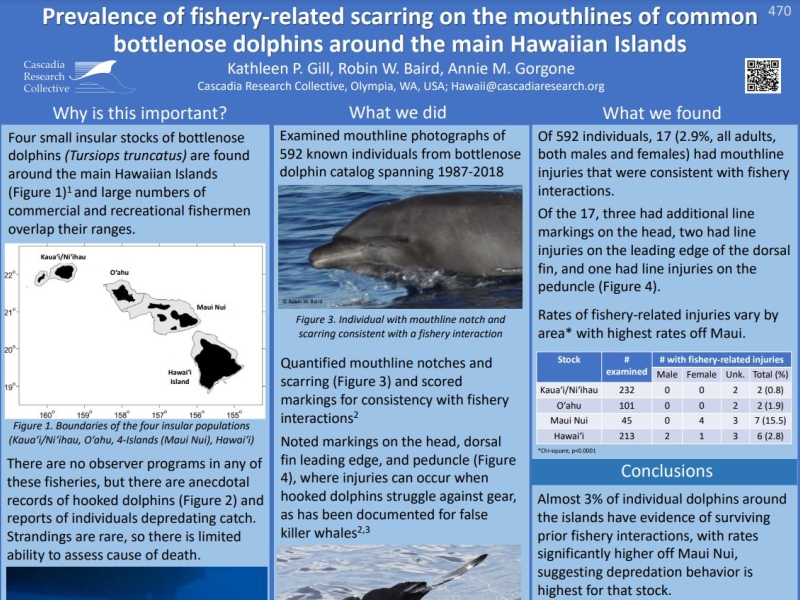
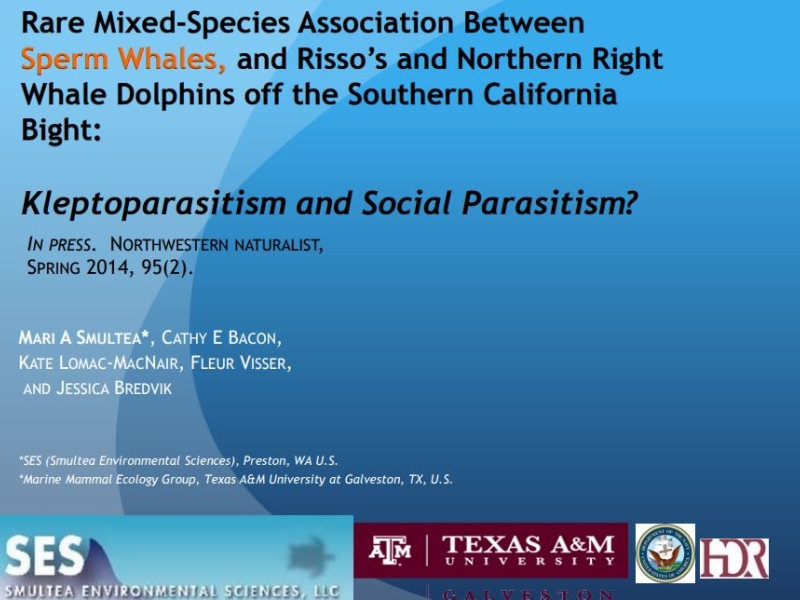
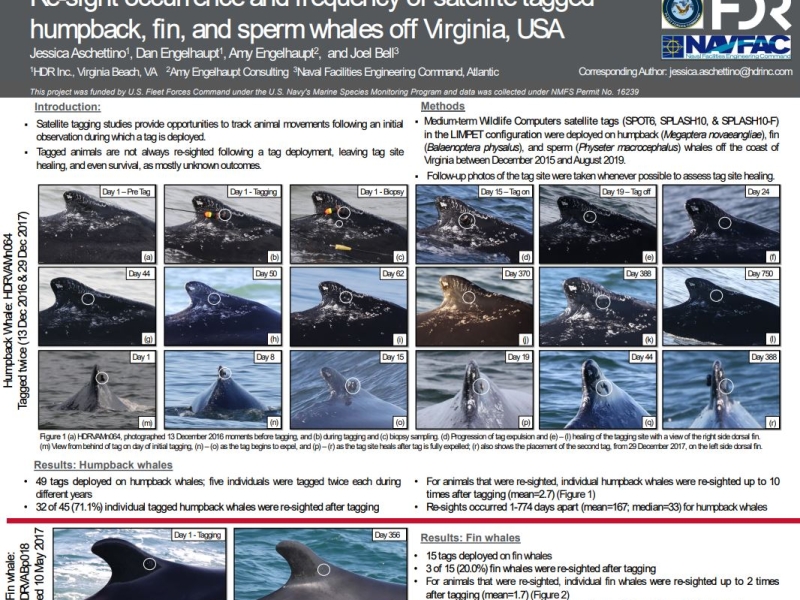
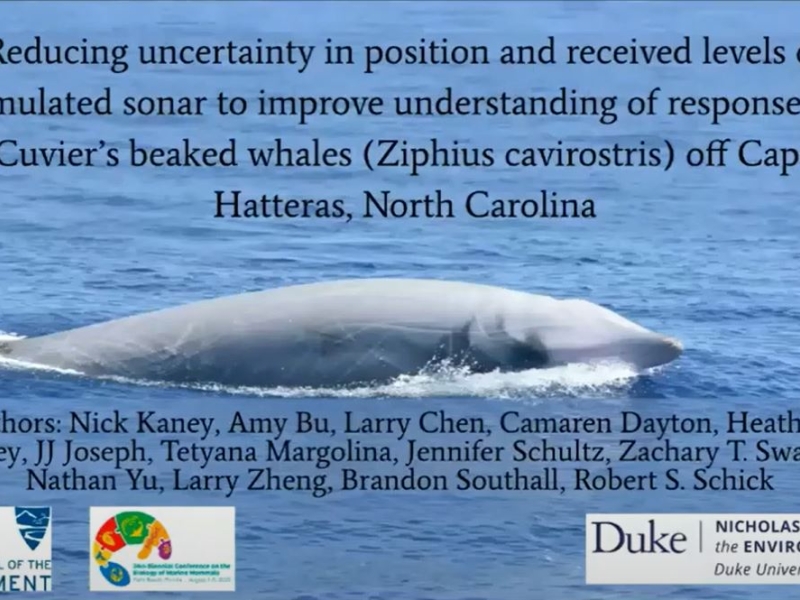
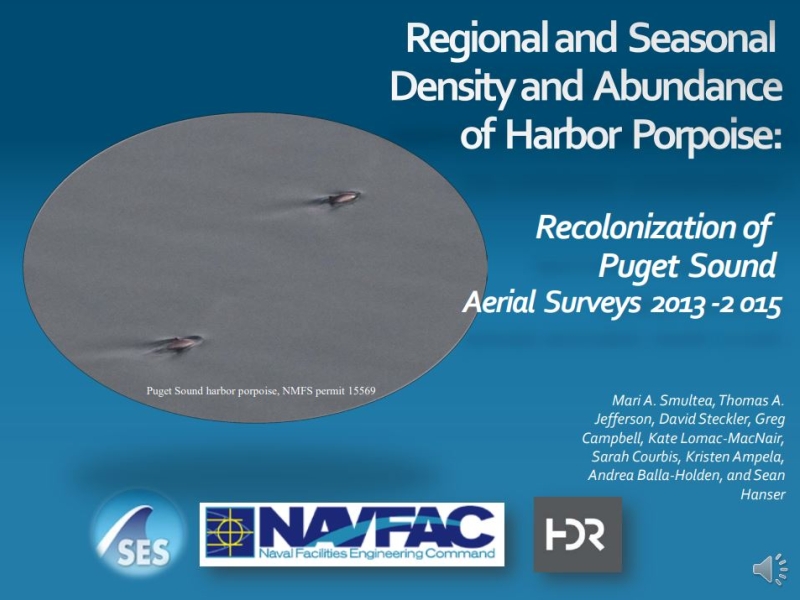
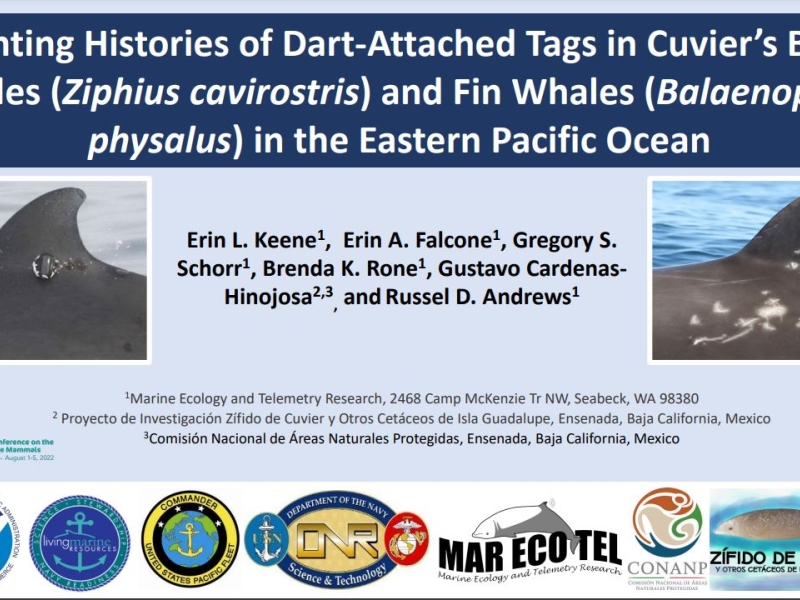
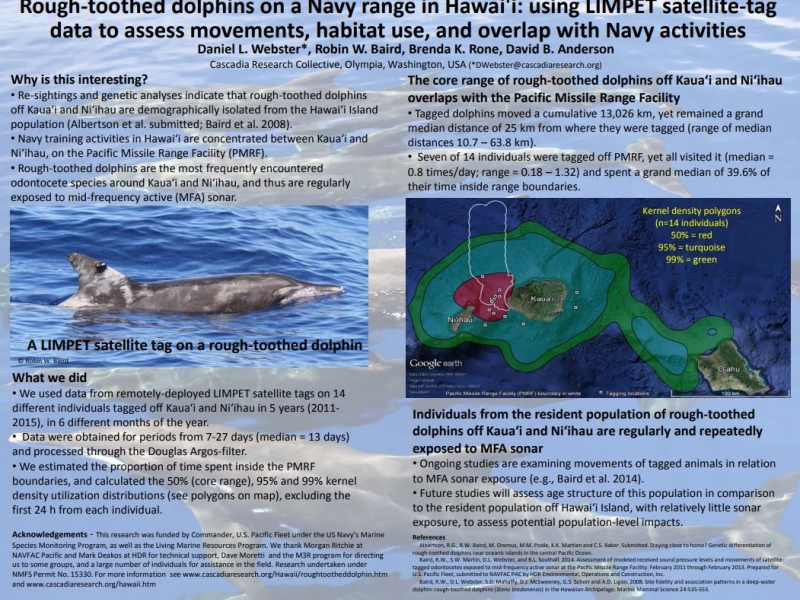
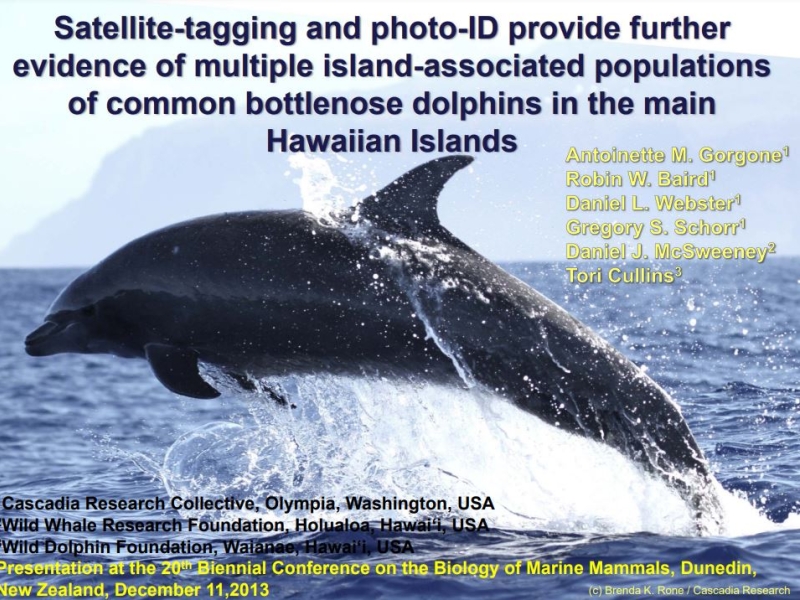
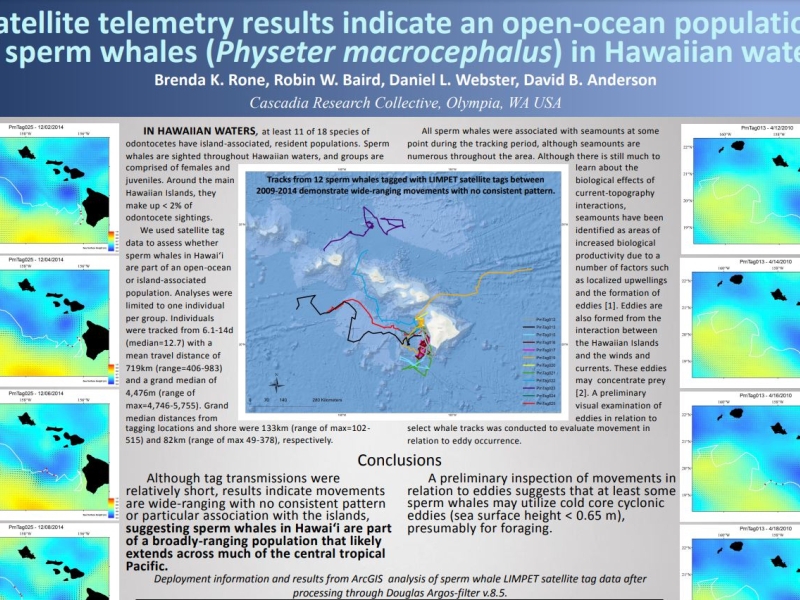
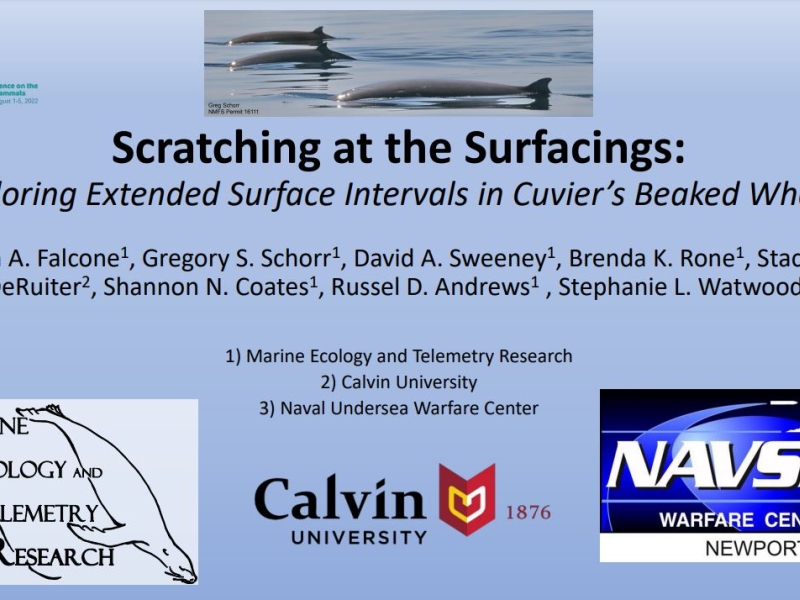
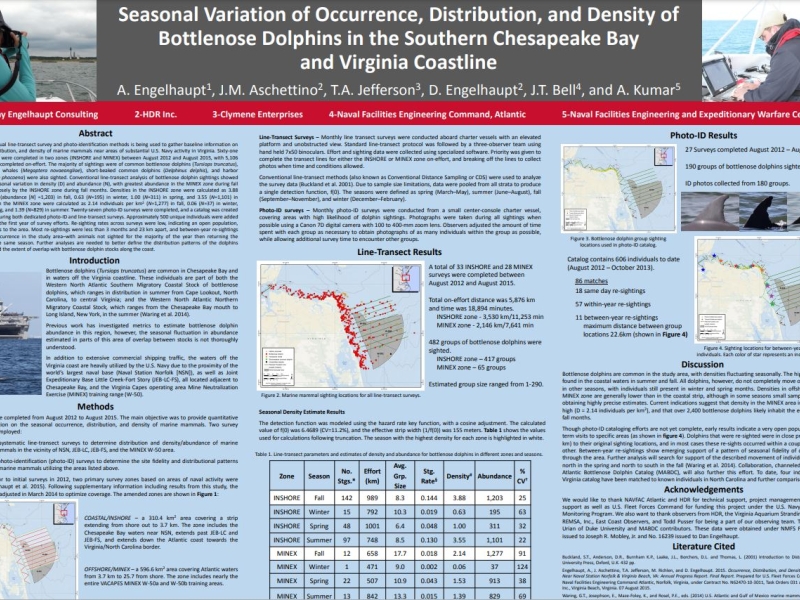
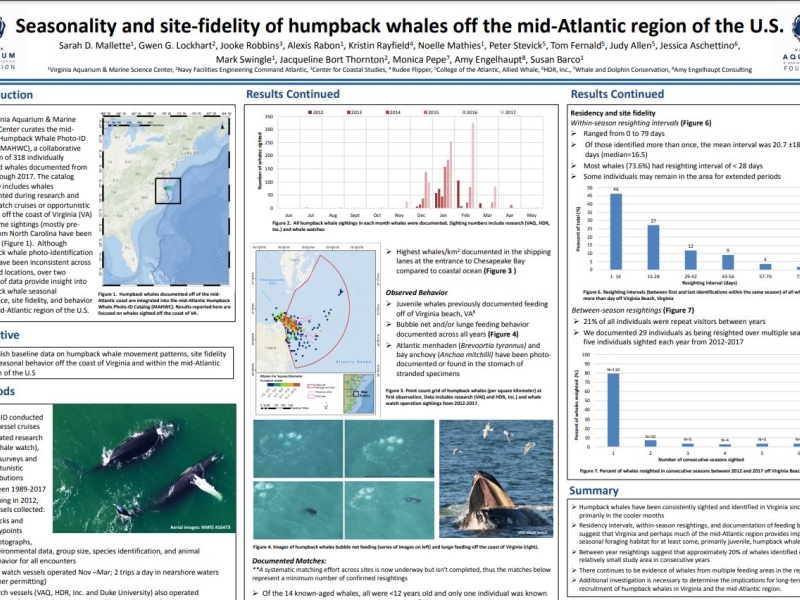
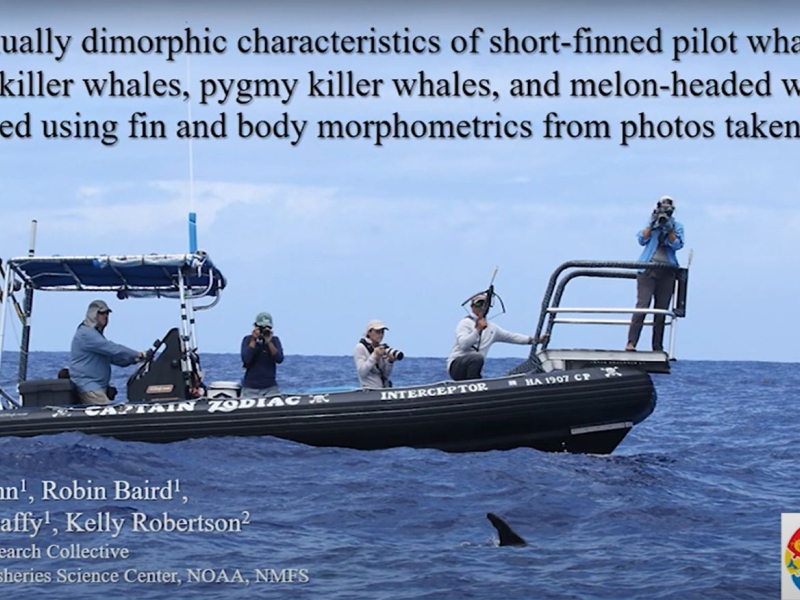
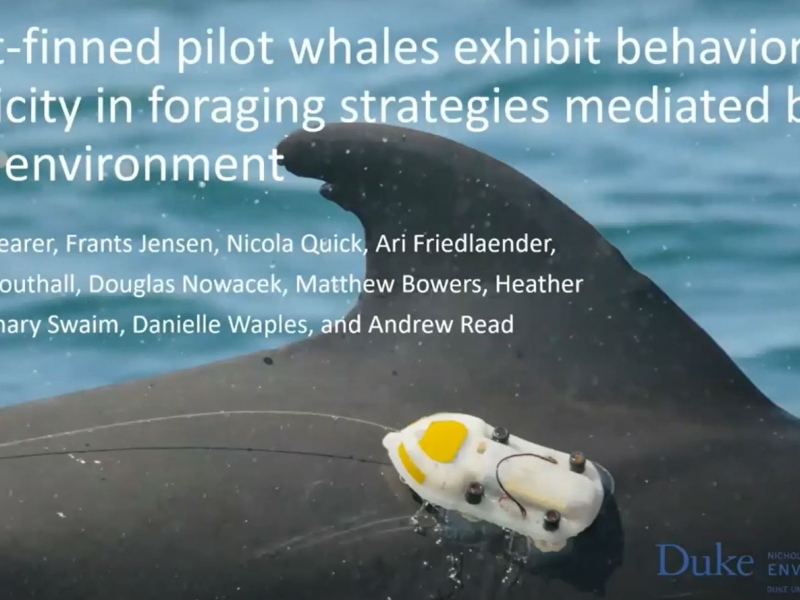
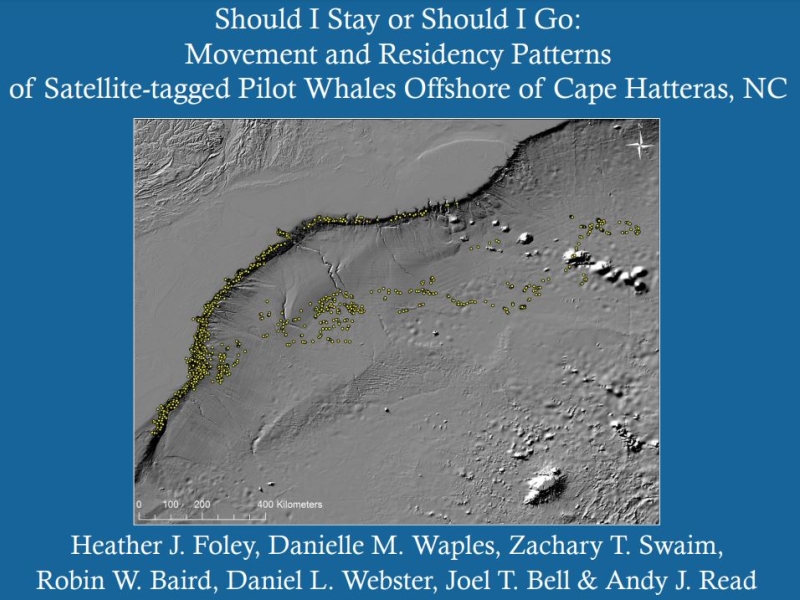
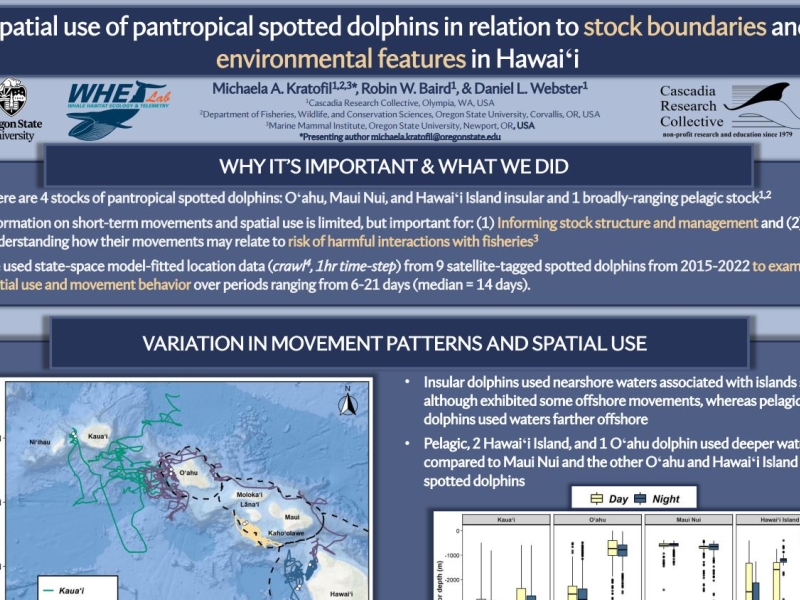
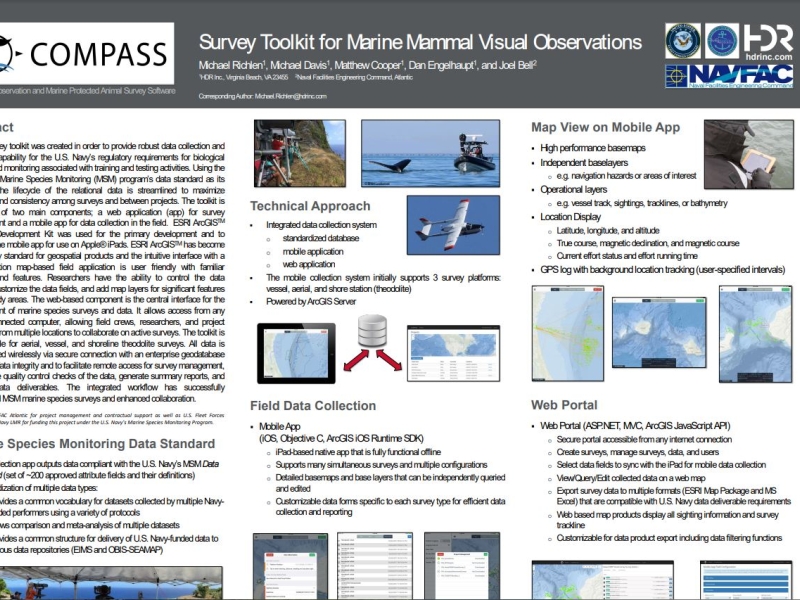
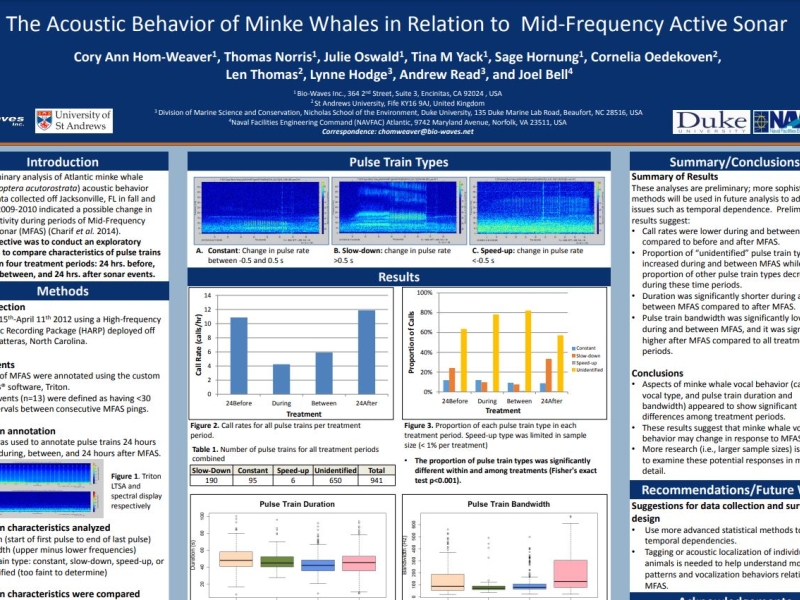
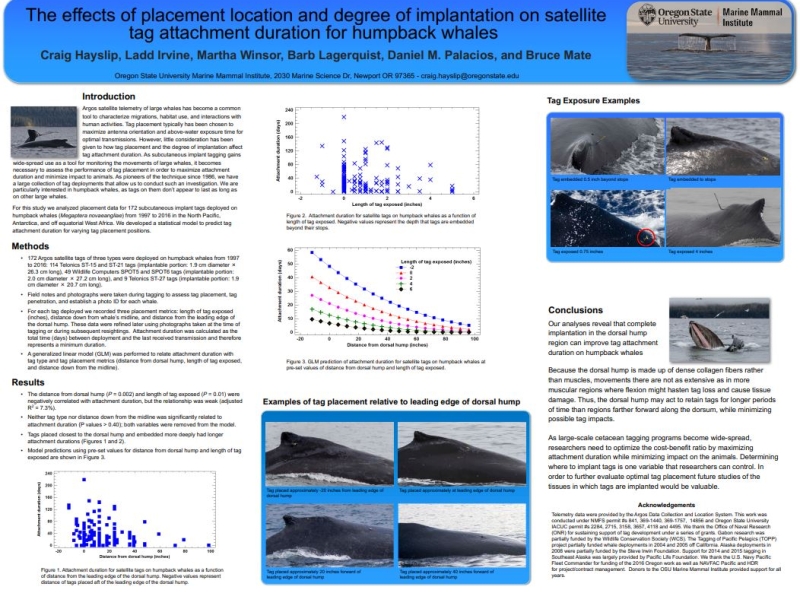
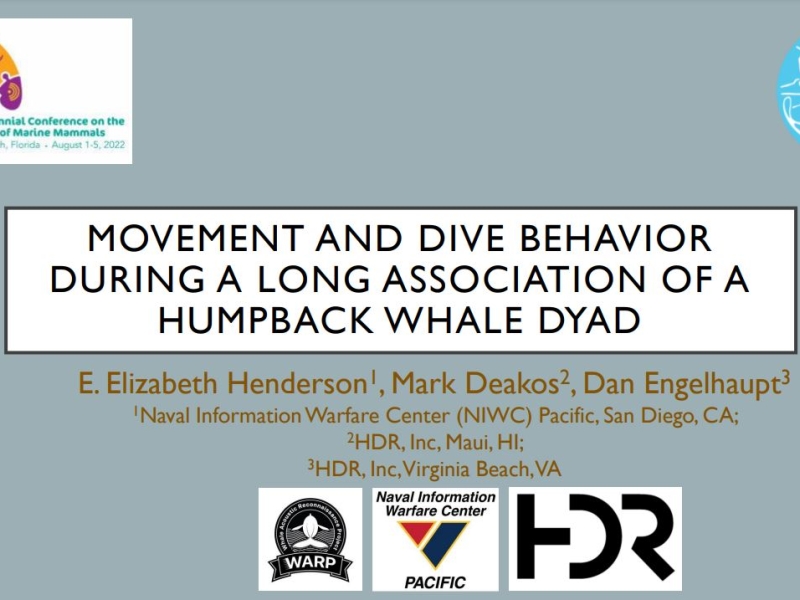
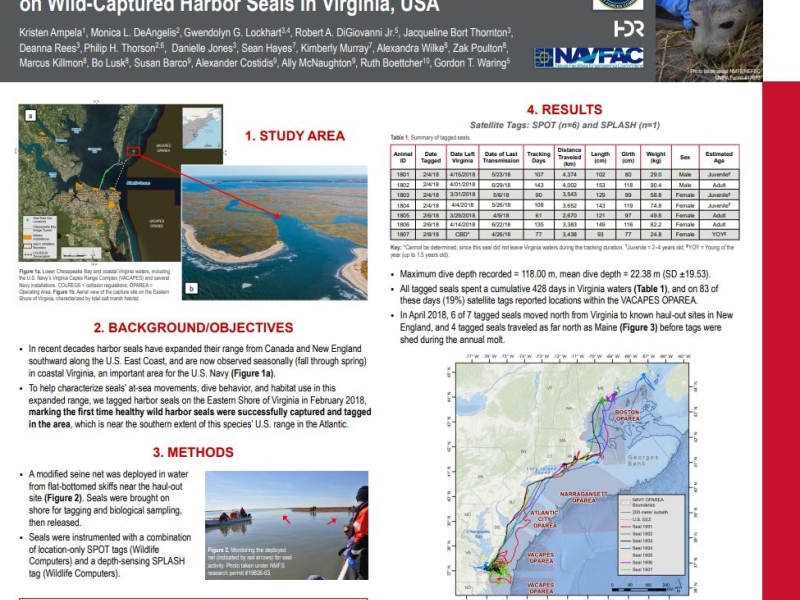
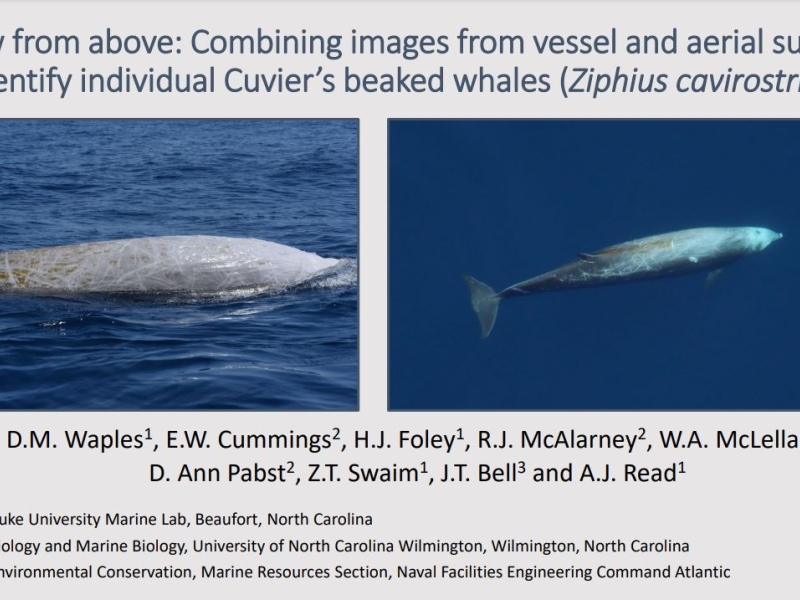
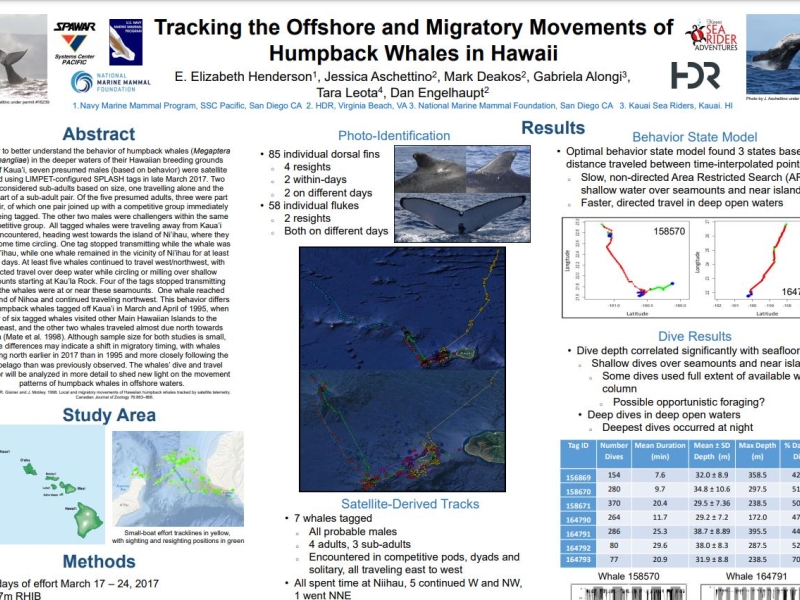
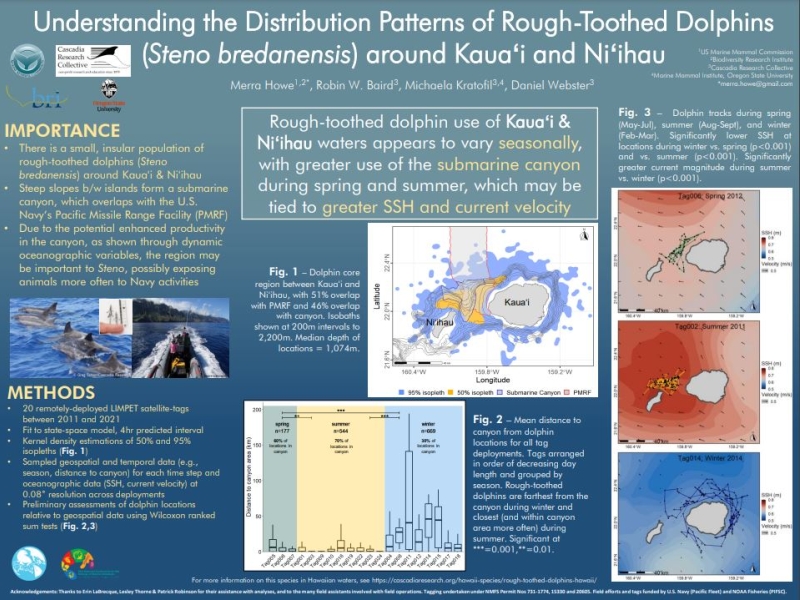

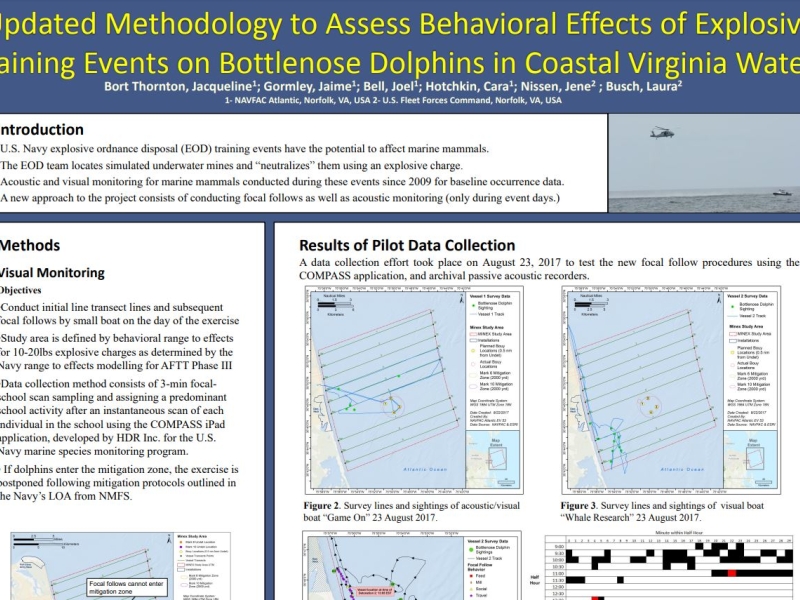
U.S. Navy explosive ordnance disposal (EOD) training events have the potential to affect marine mammals. The EOD team locates simulated underwater mines and “neutralizes” them using an explosive charge. Acoustic and visual monitoring for marine…