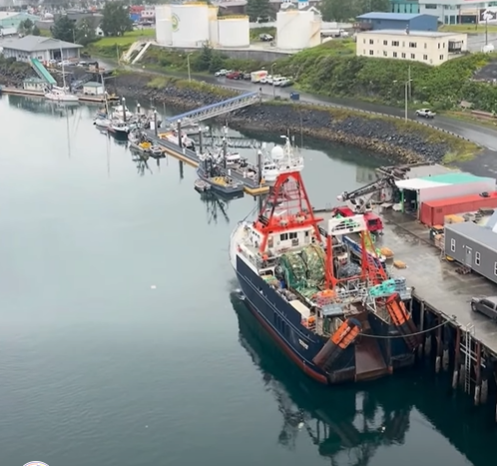
Killer Whale Ecotype Study (KWEST) kicks off
July 27, 2026
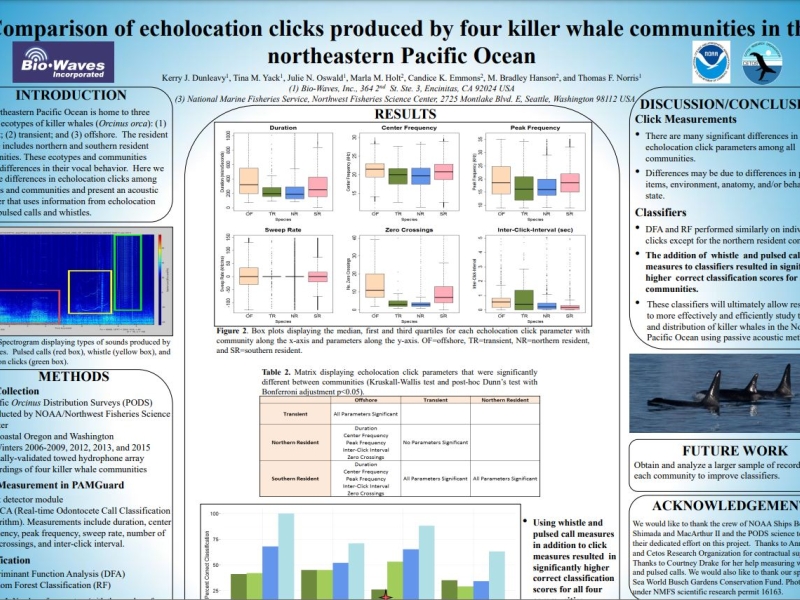
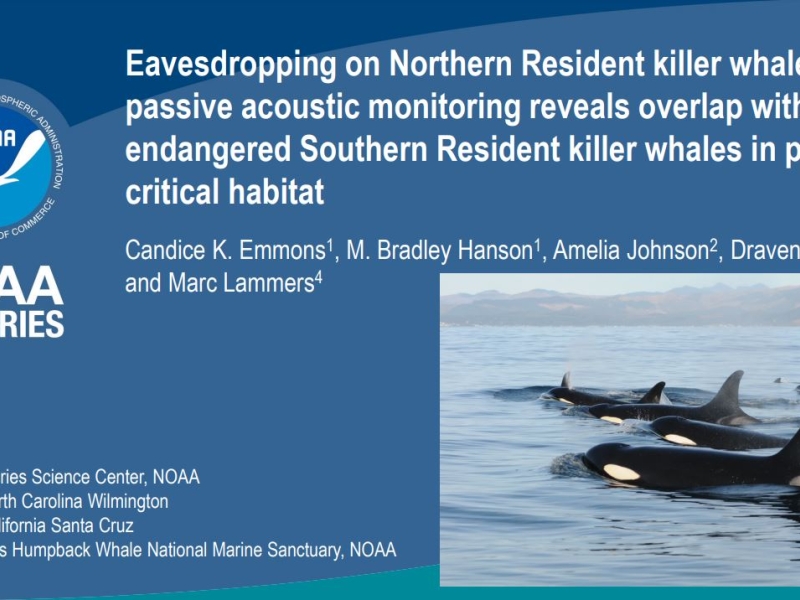
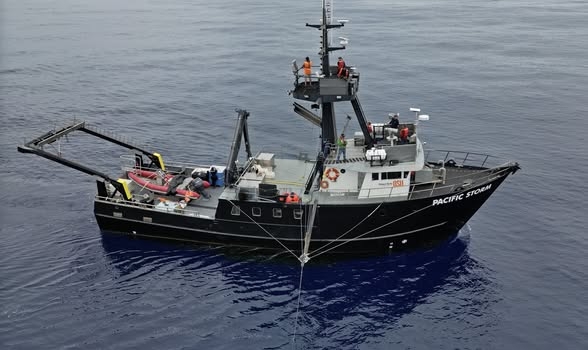
Research scientists from the University of Washington and NOAA recently departed from Kodiak, AK aboard the R/V Aquila for a 2-month research cruise focused on distinct groups of killer whales, or ecotypes, that hunt different prey and travel in different parts of the Gulf of Alaska.
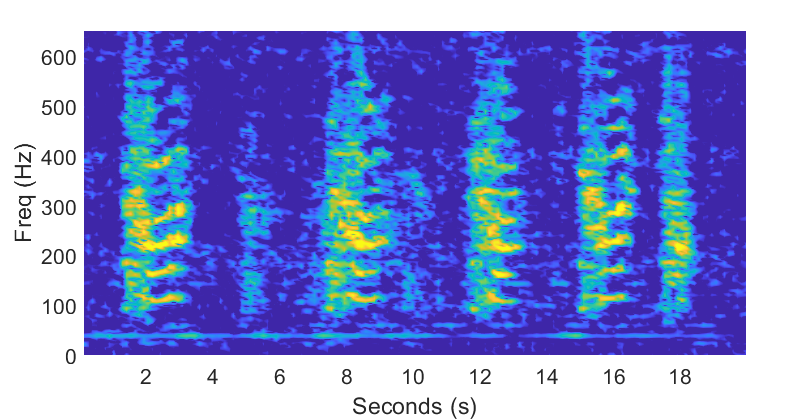
Western gray whale detections in western Pacific
June 8, 2026
Gray whale vocalizations are well-known and have been detected on mobile U.S. Navy passive acoustic monitoring (PAM) systems for decades. Gray whales produce highly variable and complex signals. Given some historical and conservation interest in the overall distribution and migratory patterns and behaviors of gray whales in the north Pacific, the Navy has conducted systematic monitoring for the calls of gray whales in times and areas that would inform species distribution patterns.
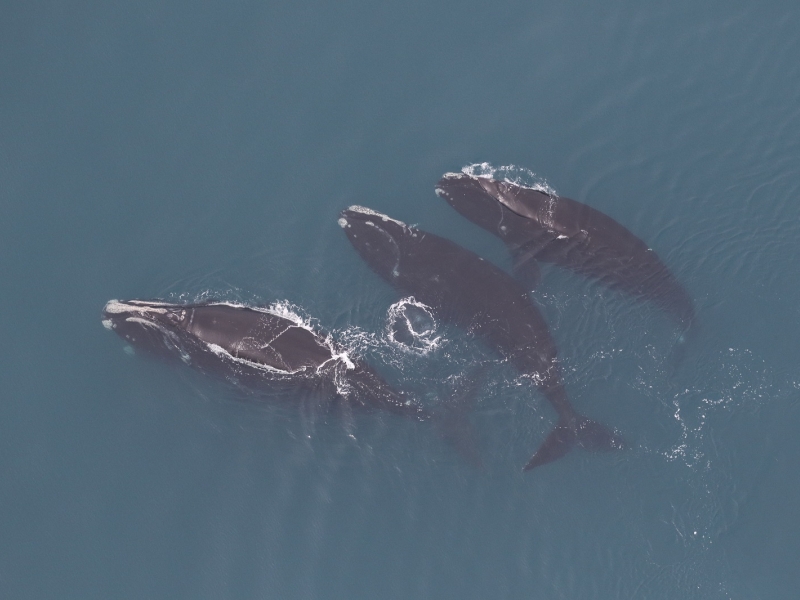
2024-2025 Large Whale Season Summary
March 24, 2025
We have two separate efforts focusing on cetaceans off the coast of Virginia. The first is our Offshore (Outer Continental Shelf) Cetacean Study, which focuses primarily on deep diving odontocetes like sperm whales. The second effort is our Nearshore and Mid-Shelf Baleen Whale Monitoring Project.
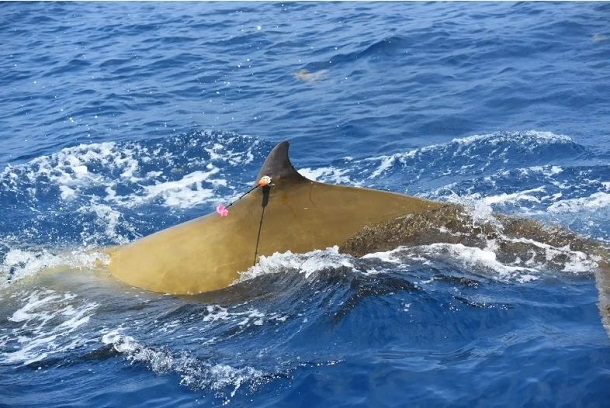
Successful CEE Trial with the USS Thomas Hudner
July 24, 2024
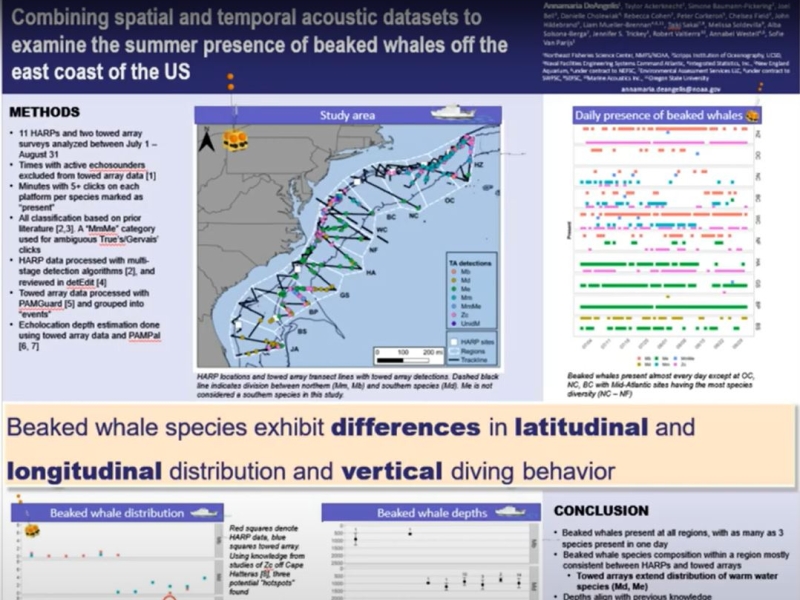
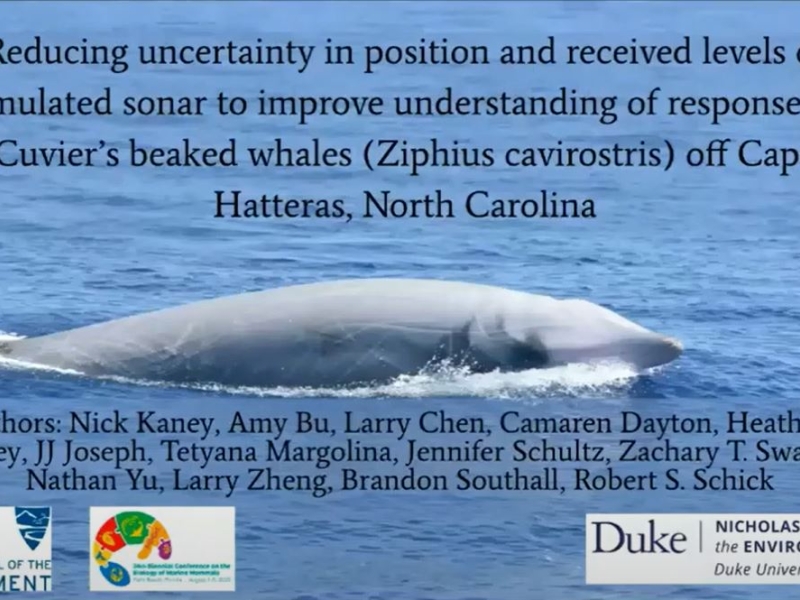
In July 2024, the Atlantic Behavioral Response Study, led by Duke University, conducted a successful controlled exposure experiment (CEE) involving the USS Thomas Hudner and tagged goose-beaked whales off Cape Hatteras. The study assessed the whales' behavioral responses to Continuous Active Sonar (CAS) signals, utilizing a High Frequency Recording Package (HARP) for sound recordings and coordination with the USS Thomas Hudner for sonar signal transmission. Preliminary observations suggested minimal behavioral changes in the focal whale, Zc150, during the experiment.
Mesoplodon mysterioso
June 13, 2024
We are thrilled to be part of the "Mystery Mesoplodon Expedition" off the west coast of Baja California searching for an elusive new species of beaked whale. Read about the initial discovery and stay tuned for updates on this exciting expedition!
Whales of Summer
June 10, 2024
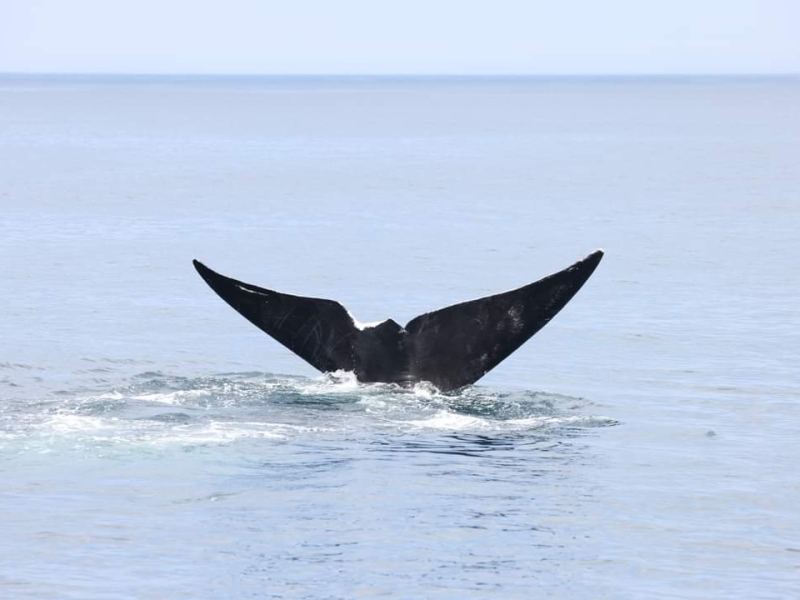
In the mid-Atlantic, baleen whale sightings typically occur during the colder months, with peak activity in December and January. Sightings of humpback and right whales usually decrease by late March through April. While occasional baleen whale sightings, particularly of fin whales, happen during warmer months, large groups are uncommon as summer approaches. Pelagic surveys during this time often focus on odontocetes like sperm whales and beaked whales.
Large Whale Action in the Mid-Atlantic
January 30, 2024
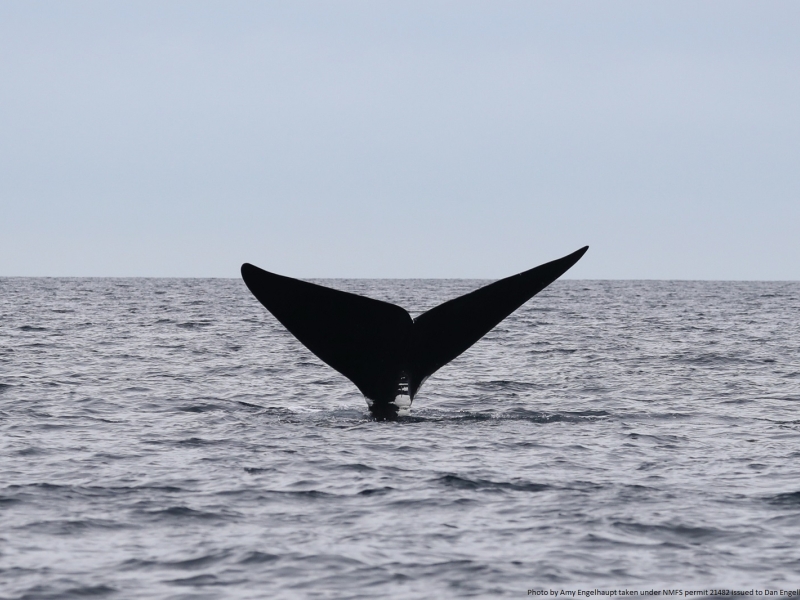
After a relatively slow start to the 2023-2024 large whale season, things are picking up here in the Mid-Atlantic. Last week was the busiest we’ve had so far this season for several of our projects as well as adjacent colleagues.
It’s Whale Season in the Mid-Atlantic!
November 20, 2023
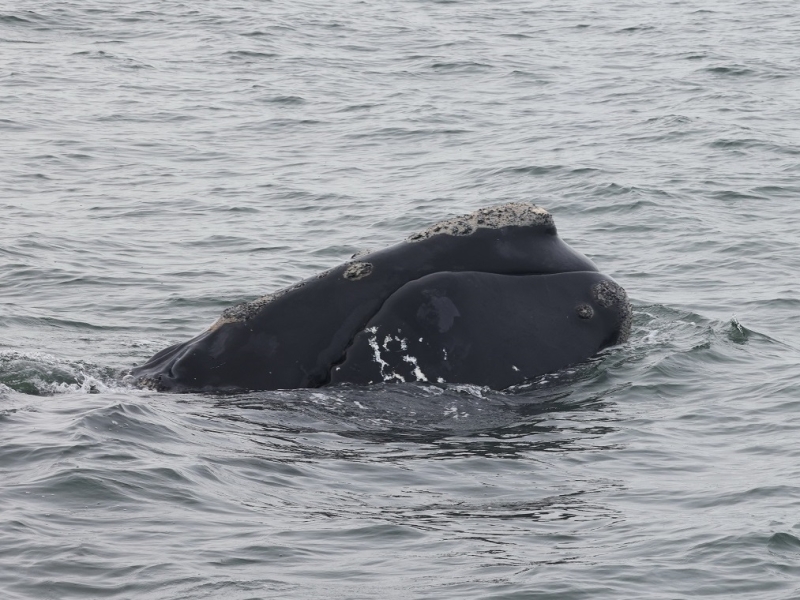
Baleen whale season has started in the mid-Atlantic and we have several projects in the region studying their occurrence and behavior.
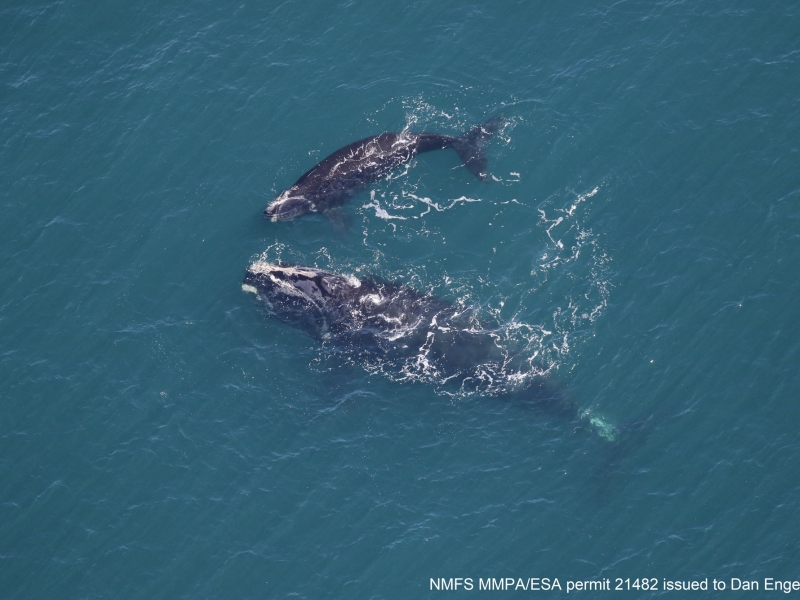
Coming full circle – right whale mom returns with calf
March 15, 2023
Previously CATS tagged Right whale "Smoke" is sighted again in VA with a calf.
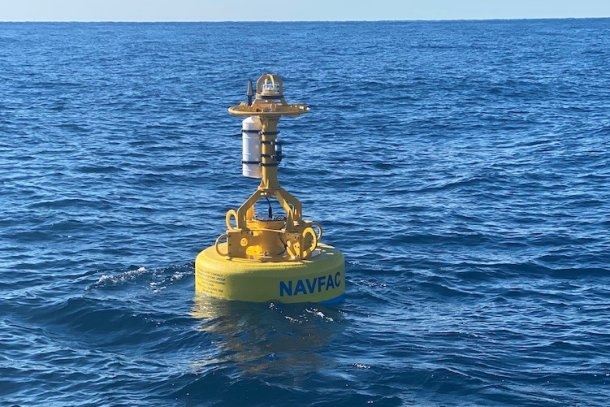
New acoustic monitoring buoy helps researchers study and protect North Atlantic Right Whales
January 19, 2021
A new buoy to listen for protected whales.
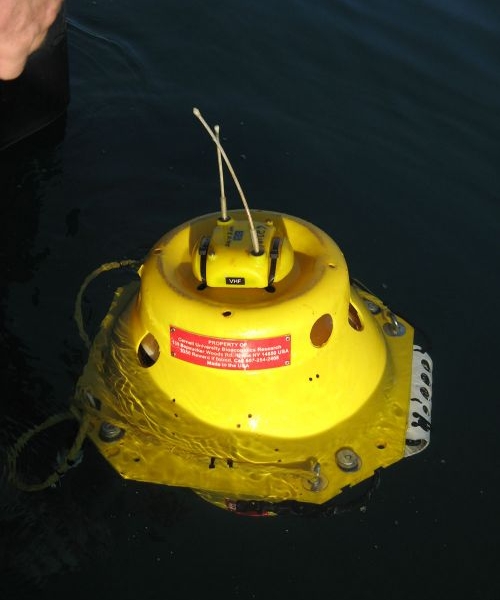
Passive acoustic monitoring for right whales off Cape Hatteras
October 21, 2013
MARUs off NC
Current
Visual Survey and Tagging of Hawaiian Odontocetes
Project Objectives
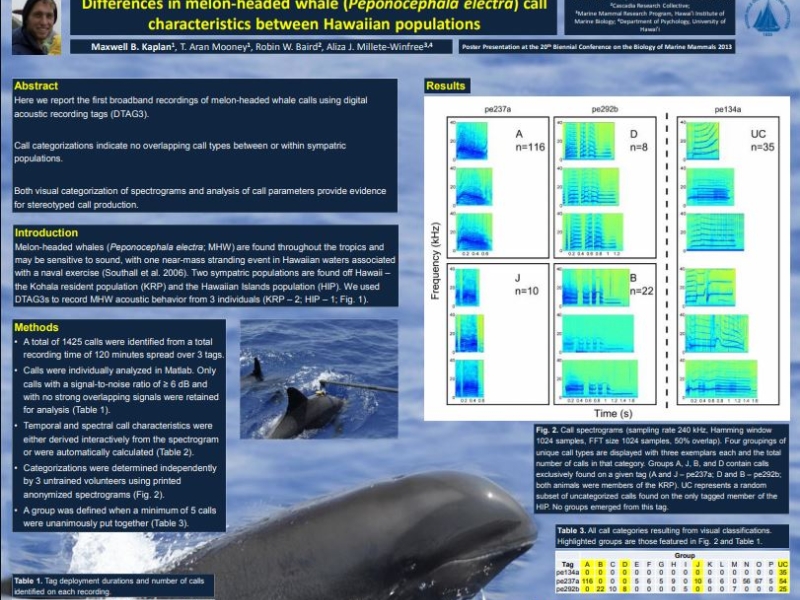
(1) define the spatial movement and habitat use patterns of species that are exposed to mid-frequency active (MFA) sonar (2) determine how these patterns influence exposure and potential responses
Current
Salmonid and Southern Resident Killer Whale Distribution in the Pacific Northwest
Project Objectives
1) Determine the occurrence of bull trout within and near the boundaries of the NWTT; 2) Determine the spatiotemporal occurrence of killer whale and baleen whale in the NWTT; 3) Characterize the occurrence of endangered fish species within the NWTT
Complete
Passive Acoustic Monitoring of Marine Mammals Using Autonomous Underwater Vehicles in Southern California
Project Objectives
Explore presence of marine mammals in less-surveyed, offshore areas
Complete
Passive Acoustic Monitoring in the Mariana Islands: Density Estimation of Beaked Whales along the West Coast of Guam
Project Objectives
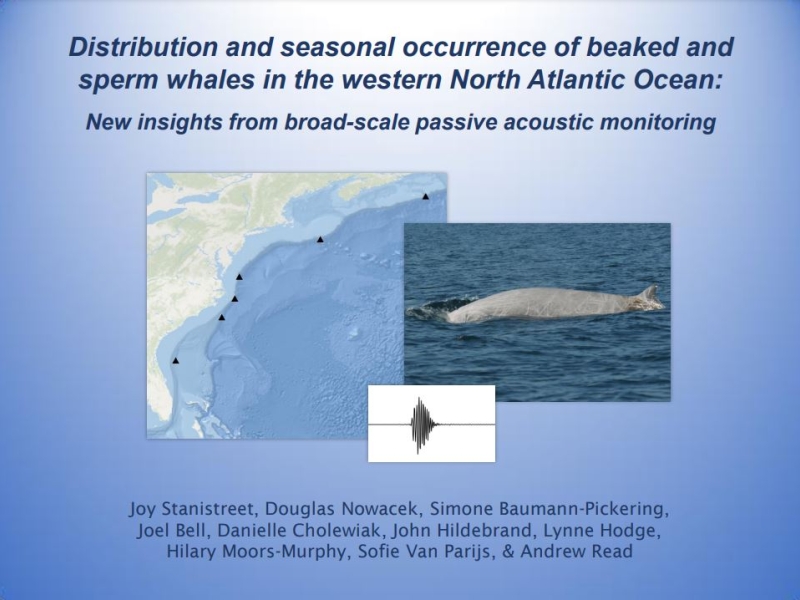
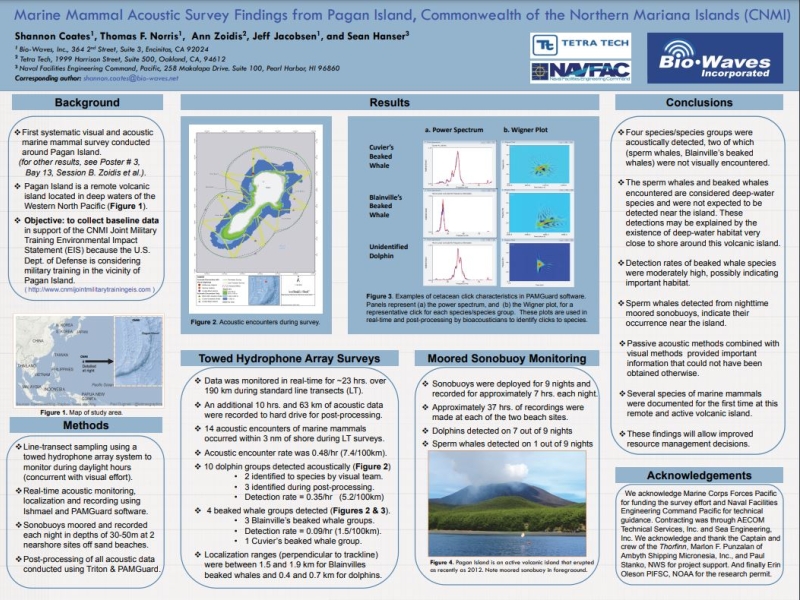
Determine what species of marine mammals, specifically beaked whales, are present in the Marianas and examine their spatial and temporal patterns of acoustic behavior. Calculate acoustic abundance and density of beaked whales in surveyed area. Analyze sonar detections in area.
Complete
Historical Data Analysis for Humpback Whales in the Mariana Islands
Project Objectives
Determine if humpback whales were present in archival acoustic recordings from 2009-2010 nearshore to Pagan and Maug
Current
Gulf of Alaska Acoustic Moorings and Analysis
Project Objectives
Conduct systematic line transect survey for marine mammals for density estimates; conduct survey to determine ecotype identity of killer whales; analyze existing and newly collected data for seasonal occurrence, abundance, and density of cetacean
Current
Monitoring Cetaceans in Hood Canal
Project Objectives
This 12‑month integrated pilot project combines three complementary components: (A) shore‑based theodolite monitoring of harbor porpoises, (B) high‑bandwidth passive acoustic monitoring and soundscape characterization, and (C) suction‑cup multi‑sensor tag deployments on Bigg’s (transient) killer whales. Together, these data streams will quantify occurrence, movement, diving, and behavioral context for these two key species in relation to the local soundscape—including operational signals near the Dabob Bay Range Complex (DBRC) and the Bangor Trident Base. Results can provide an empirical foundation and inform the study design of future cetacean behavioral response studies (BRS) in Hood Canal.
Current
Passive Acoustic Monitoring of Harbor Porpoises in Hood Canal
Project Objectives
This project was jointly funded through NAVSEA and the NUWC Keyport NISE program to address the Navy’s need for multi-year data on harbor porpoise occurrence and spatiotemporal distribution patterns in Hood Canal using passive acoustic monitoring (PAM).
Complete
Behavioral Response Research Evaluation Workshop II (BRREW II)
Project Objectives
Response
Current
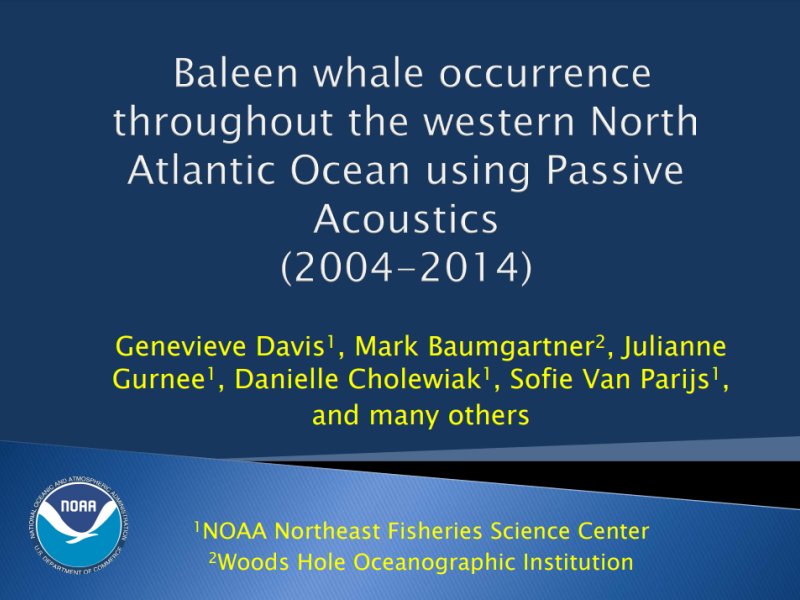
Passive Acoustic Monitoring for Mid-Atlantic Baleen Whales
Project Objectives
Monitor large whale occurrence in the Mid-Atlantic
Complete
Passive Acoustic Monitoring of Marine Mammals Using Gliders in Marianas
Project Objectives
Identify acoustically distinct species of beaked whales, odontocetes, and baleen whales that occur in the Mariana Islands; develop a better understanding of marine mammal distribution, habitat use, and abundance
Complete
Small vessel visual surveys in the Mariana Islands Range Complex
Project Objectives
Identify species of beaked whales, odontocetes, and baleen whales that occur in the Mariana Islands; Monitor marine mammal and sea turtle presence, distribution, and diversity in nearshore waters during key seasons (summer and winter); Develop a better understanding of marine mammal distribution, movement patterns, habitat use, population structure, and abundance; Develop reference library of visually-validated acoustic recordings of marine mammals.
Current
Marine Mammal Monitoring on Navy Ranges (M3R)
Project Objectives
Improve understanding of the long term trends in occurrence of marine mammals on the PMRF and SOAR ranges.
Current
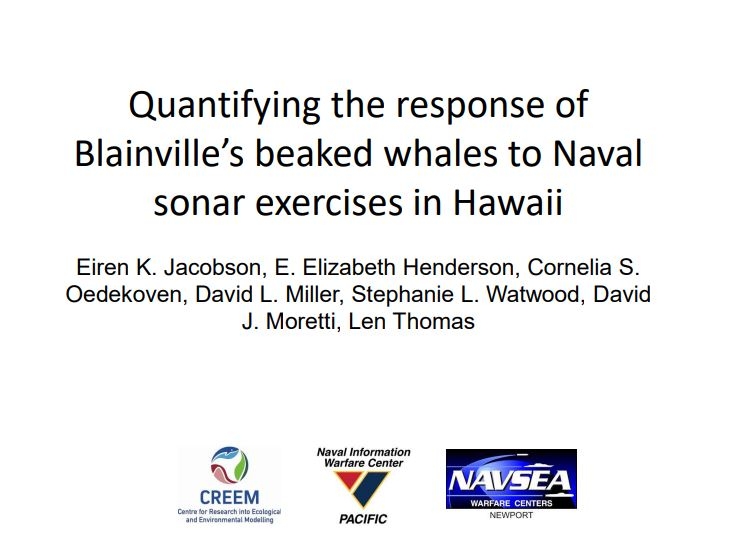
Estimation of Received Levels of MFAS and Behavioral Response of Marine Mammals at PMRF
Project Objectives
Further our understanding of the Monitoring Questions: 1) What is the occurrence and estimated received levels of MFAS on 'blackfish', humpback, minke, sperm and Blainville's beaked whales within the PMRF instrumented range? and 2) What, if any, are the short term behavioral responses of 'blackfish,' humpback, minke, sperm and Blainville's beaked whales when exposed to MFAS/explosions at different levels/conditions at PMRF?
Complete
Passive Acoustic Monitoring of Marine Mammals in the Gulf of Alaska
Project Objectives
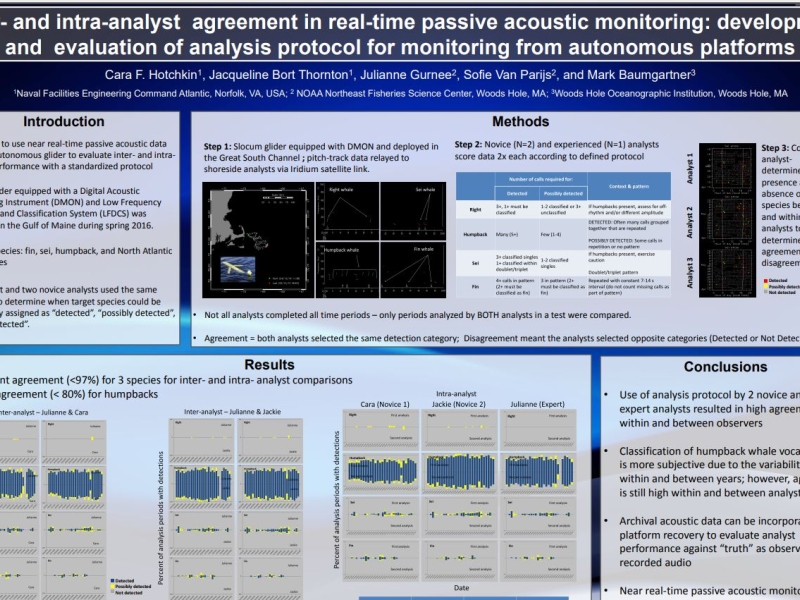
Determine the spatial distribution and occurrence of beaked whales, other odontocetes, and baleen whales in offshore areas using bottom-mounted passive acoustic recorders and deep-diving autonomous gliders
Current
Goose-Beaked Whale and Fin Whale Population Dynamics and Impact Assessment at the Southern California Offshore Antisubmarine Warfare Range (SOAR)
Project Objectives
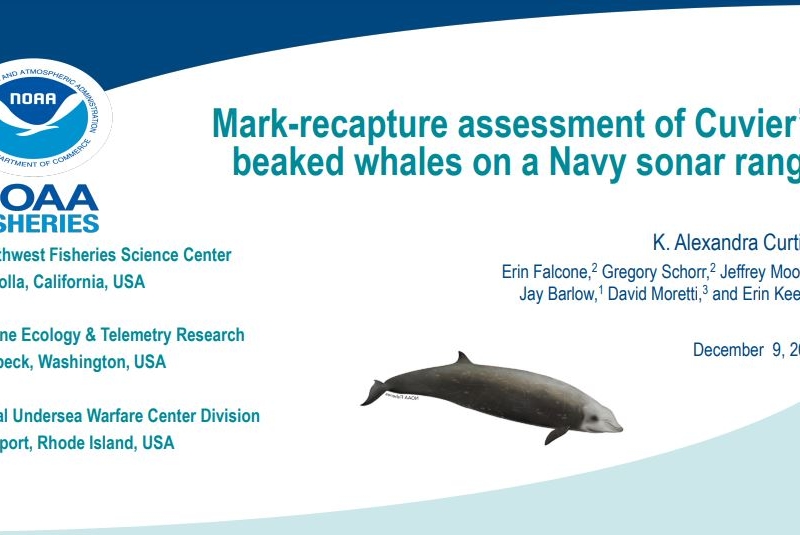
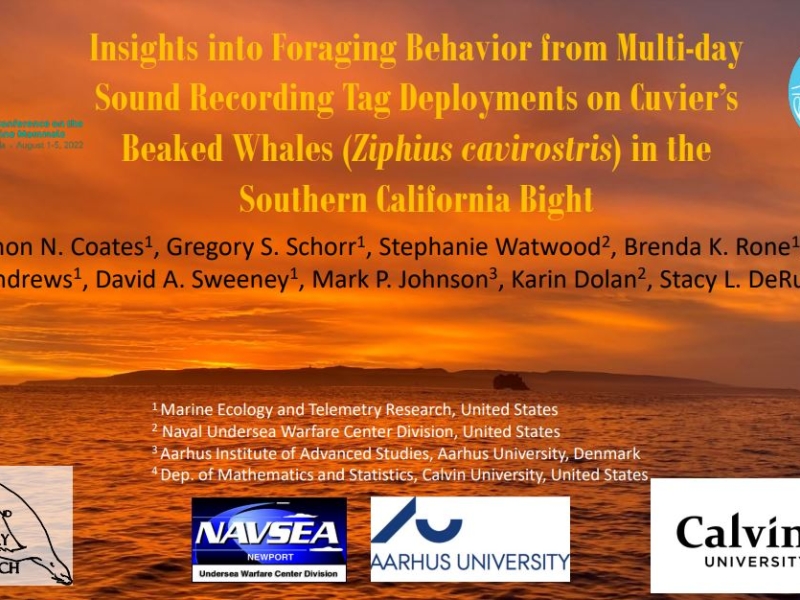
Improve knowledge of baseline population demographics, vital rates, and movement patterns of Cuvier’s beaked whales and fin whales. Examine what, if any, short term behavioral and/or vocal responses occur when exposed to sonar or explosions at different levels and conditions. Determine if exposure to sonar or explosives impact the long term fitness and survival of individuals or the population, species, or stock
Current
Southern California Beaked Whale Occurrence (formerly "Passive Acoustic Monitoring of Marine Mammals in Southern California Range Complex (SOCAL)")
Project Objectives
Determine the distribution and temporal patterns of beaked whale occurrence in the waters within and outside the Southern California Range Complex (SOCAL). Use passive acoustic monitoring to determine what species are present in SOCAL and examine spatial and temporal patterns.
Complete
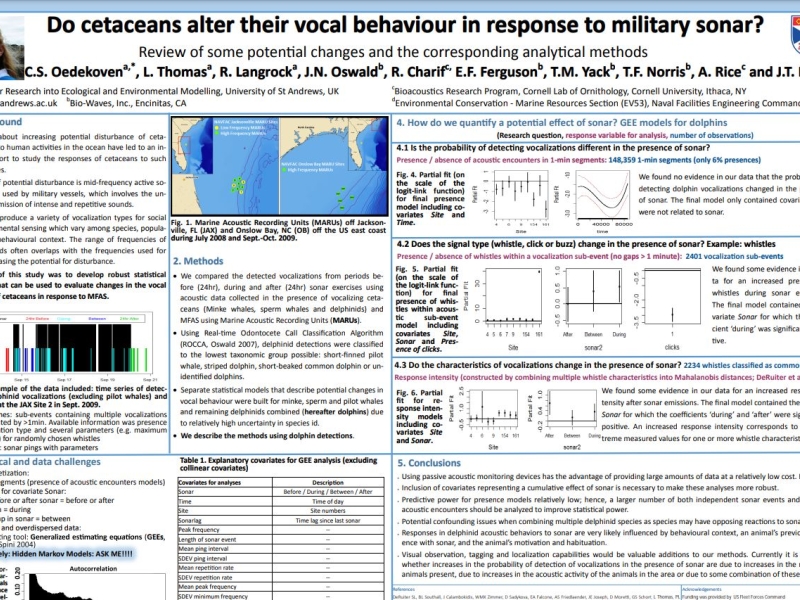
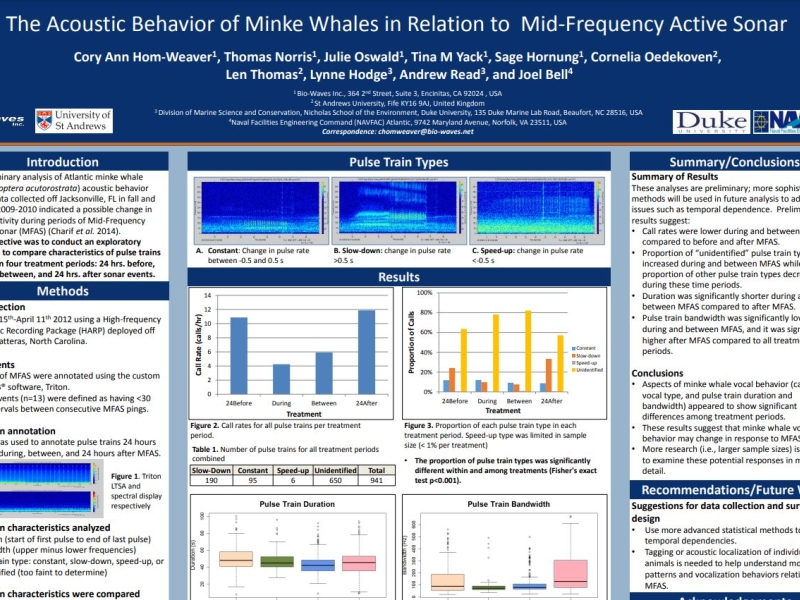
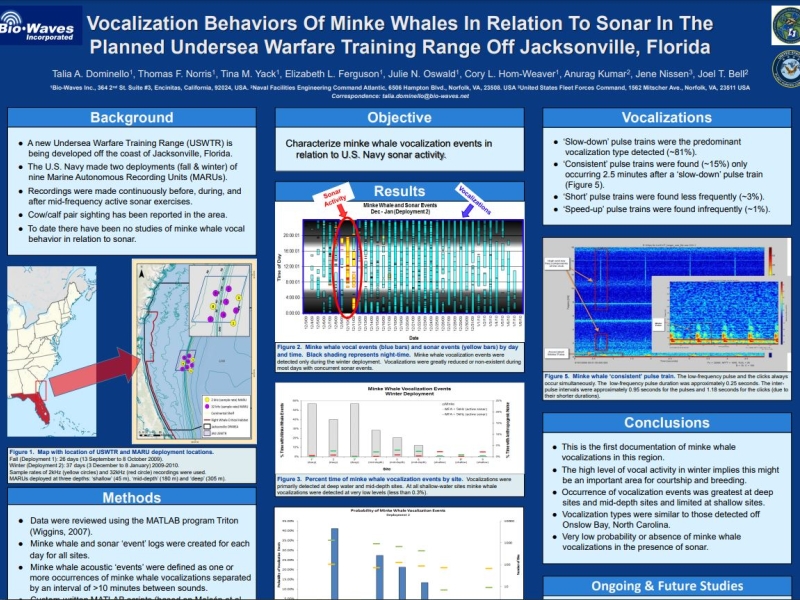
Assessment of Marine Mammal Vocal Response to Sonar
Project Objectives
Develop analytic methods to evaluate the vocal response of odontocetes and mysticetes to sonar from navy training activities
Complete
Passive Acoustic Monitoring for North Atlantic Right Whales off Cape Hatteras, North Carolina
Project Objectives
Investigate the timing of right whale migration through the Mid-Atlantic region, as well as the relative distance from shore and acoustic behavior of migrating whales
Complete
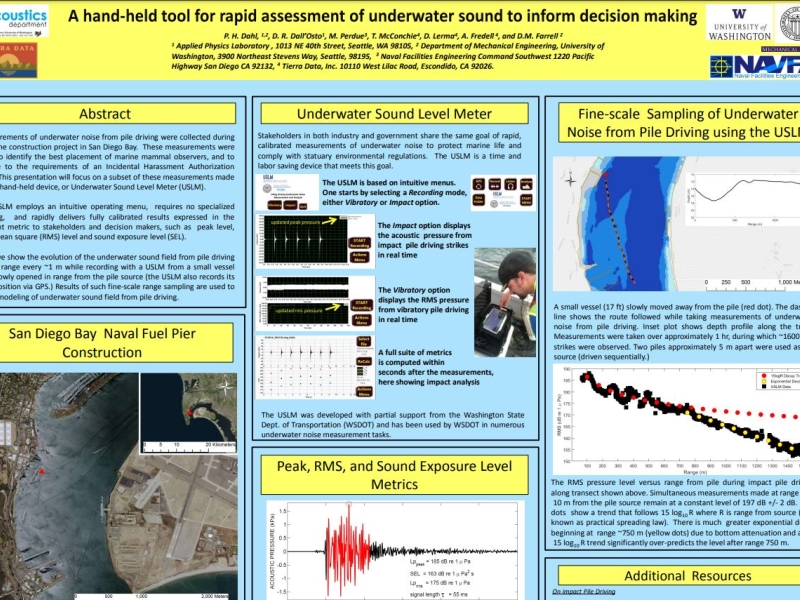
Sound source measurements from pile driving
Project Objectives
Determine the source levels produced by impact and vibratory driving of different size and material piles during construction projects
Complete
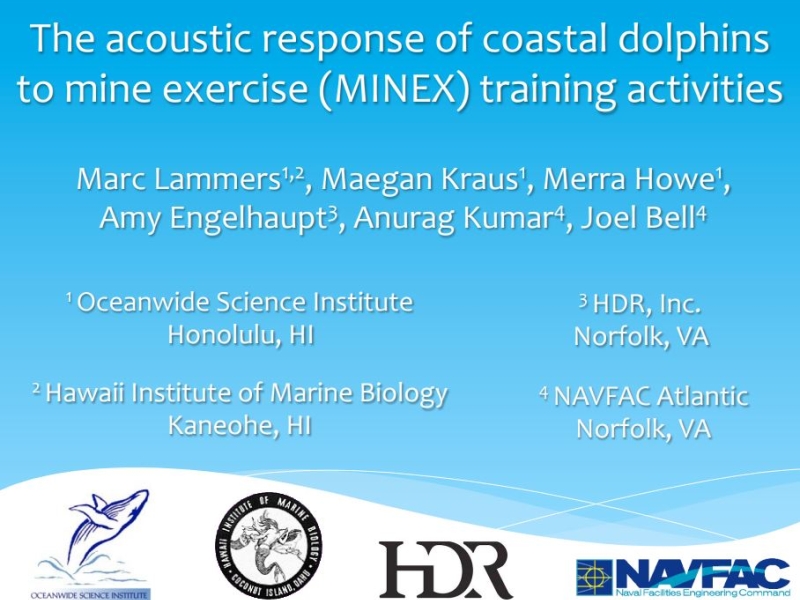
Acoustic Monitoring and Evaluation of Tursiops Response to MINEX Training activities
Project Objectives
Assess ocurrence of Tursiops in the vicinity of the W-50 MINEX range. Assess vocal response of Tursiops to underwater explosions
Complete
NAS Patuxent River Marine Species Surveys
Project Objectives
Assess occurrence, seasonality, and abundance of Tursiops in the waters near NAS PAX River
Complete
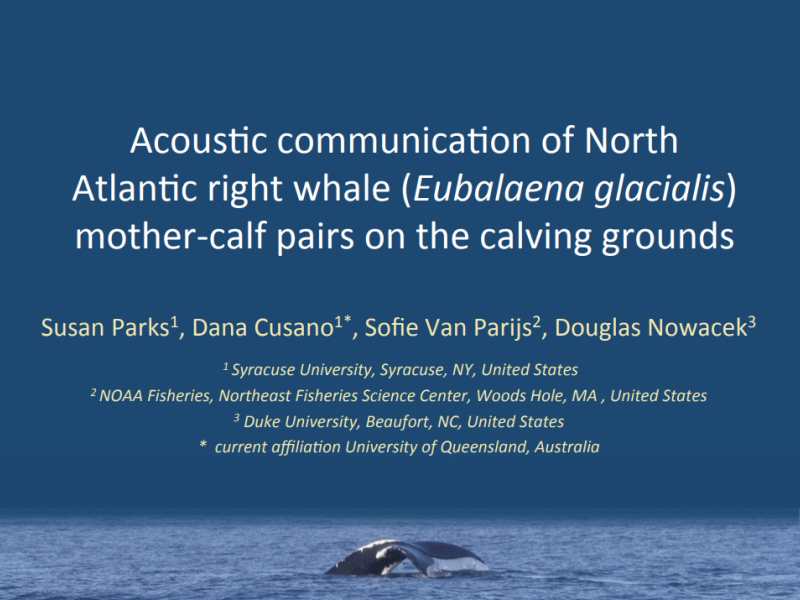
North Atlantic Right Whale Monitoring in the Southeast Calving Area
Project Objectives
Assess behavior of right whales in coastal waters of the Southeast calving grounds, including rates of travel of individuals, dive behavior, and rates of sound production
Complete
Baseline Monitoring for Marine Mammals in the East Coast Range Complexes (passive acoustics)
Project Objectives
Assess occurrence, density, and vocal activity of marine mammals and sea turtles in key areas of Navy range complexes
Complete
Occurrence, Ecology, and Behavior of Deep-diving Odontocetes
Project Objectives
Establish behavioral baseline and foraging ecology. Assess behavioral response to acoustic stimuli and Navy training activities
Complete
Autonomous Real-Time Passive Acoustic Monitoring of Baleen Whales for Mitigating Interactions with Naval Activities
Project Objectives
Demonstrate near real-time passive acoustic detection and classification hardware/software systems
Complete
Behavioral Response of Humpback Whales to Vessel Traffic
Project Objectives
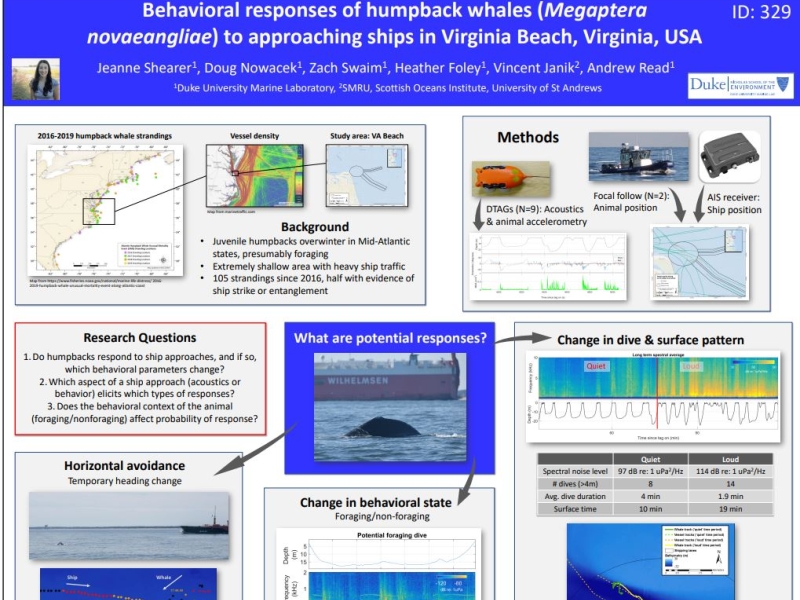
Understand the behavioral response of humpback whales to approaching vessels in the shipping channels at the mouth of the Chesapeake Bay.
Current
Marine Mammal Sightings During CalCOFI Cruises
Project Objectives
Determine what species and populations of marine mammals are present in Southern California and estimate the abundance and density across seasons
Current
Long Term Acoustic Monitoring of Marine Mammals Utilizing the Instrumented Range at Pacific Missile Range Facility (PMRF)
Project Objectives
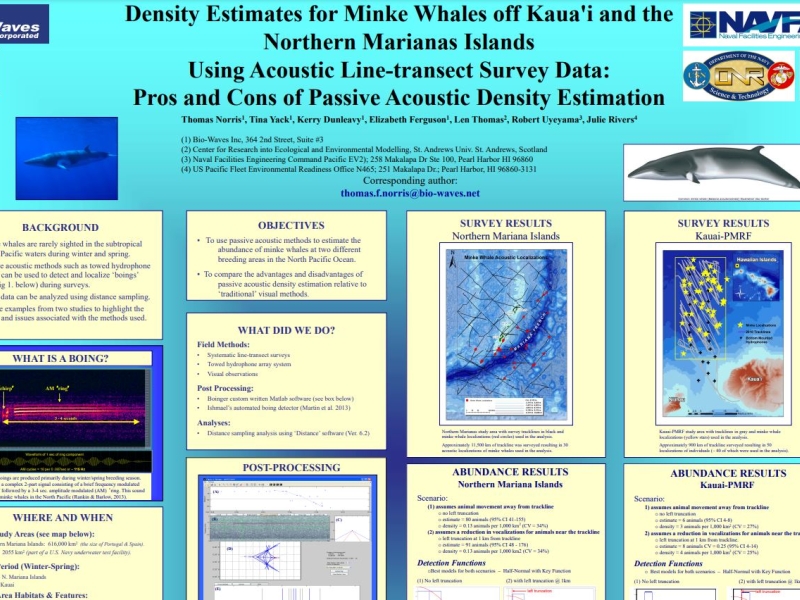
Improve understanding of the long term trends in occurrence of marine mammals (e.g., minke, humpback, fin, Bryde's, Blainville's) on the PMRF range. Examine what, if any, acoustic and physical behavioral responses occur to Navy activities.
Complete
Offshore Distribution of Southern Resident Killer Whales in the Pacific Northwest
Project Objectives
1) Identify and classify Southern Resident killer whale (SRKW) detections from acoustic recorders and satellite tag tracking; 2) Develop a model to estimate the seasonal and annual occurrence patterns of southern resident killer whales relative to offshore Navy training ranges. 3) Characterize occurrence of anthropogenic sounds in potential SRKW habitat. 4) Develop state space habitat model for SRKW prey, based on fall Chinook salmon tagged released from California to British Columbia between 1977 and 1990 to estimate seasonal distribution along the west coast.
Complete
Characterizing the Distribution of ESA-listed Salmonids in Washington and Alaska
Project Objectives
Use acoustic tagging technology to provide critical information on spatial and temporal distribution of salmonids to inform salmon management, U.S. Navy activity, and Southern Resident Killer Whale (SRKW) conservation. The study seeks to 1) determine the occurrence and timing of salmonids within the Navy training ranges, 2) describe the influence of environmental covariates on salmonid occurrence; and, 3) describe the occurrence of salmonids in relation to SRKW distribution.
Complete
Acoustic and Visual Survey for Cetaceans in Behm Canal and Southern Clarence Strait, Alaska
Project Objectives
Conduct visual line-transect surveys and passive acoustic monitoring for cetaceans, and other marine mammals, to determine species occurrence, and to estimate density within Navy’s testing range. Acoustic monitoring devices will be deployed during the vessel based survey, and long-term passive acoustic hydrophones will be monitored for year-round detection of rare and/or cryptic cetacean species.
Current
Pacific Marine Assessment Program for Protected Species (PACMAPPS) survey
Project Objectives
Identify species of beaked whales, odontocetes, and baleen whales that occur in the surveyed areas; Monitor marine mammal and sea turtle presence, distribution, and diversity in offshore waters; Develop a better understanding of marine mammal distribution, movement patterns, habitat use, population structure, and abundance; Develop reference library of visually-validated acoustic recordings of marine mammals.
Current
Behavioral Response Analysis of Two Populations of Short-Finned Pilot Whales to Mid-Frequency Active Sonar
Project Objectives
Utilize newly developed statistical methods from the Atlantic BRS project and apply them to all the satellite-tagged pilot whales from both the Atlantic and Pacific studies.
Current
Jacksonville Shallow Water Training Range Vessel Surveys and M3R Species Verifications
Project Objectives
Monitor species composition and distribution on JSWTR, support M3R species verifications
Current
Occurrence of Rice's Whale in the Northern Gulf of Mexico
Project Objectives
Assess occurrence and distribution of Rice's whale throughout the northern Gulf of Mexico
Current
Distribution of Gulf Sturgeon in the Panama City Testing Range
Project Objectives
Assess Gulf Sturgeon distribution and habitat use through a multi-phase biotelemetry approach
Current
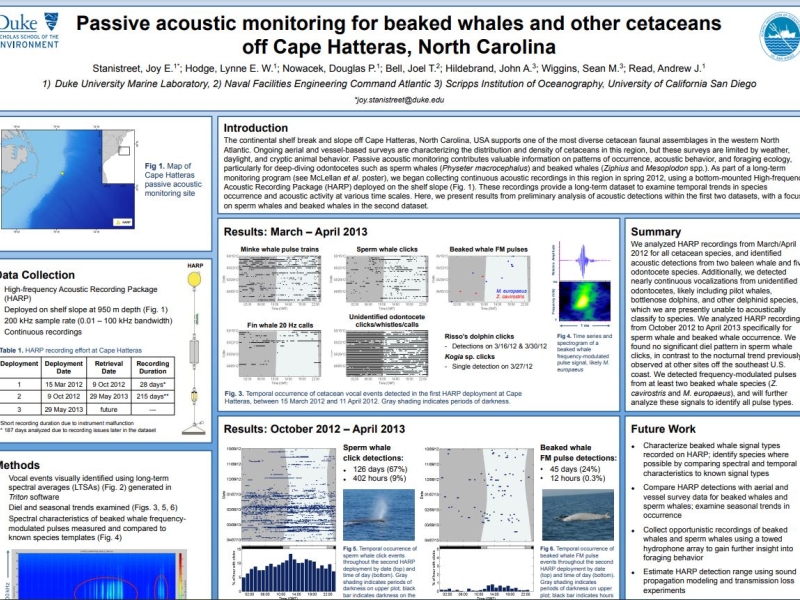
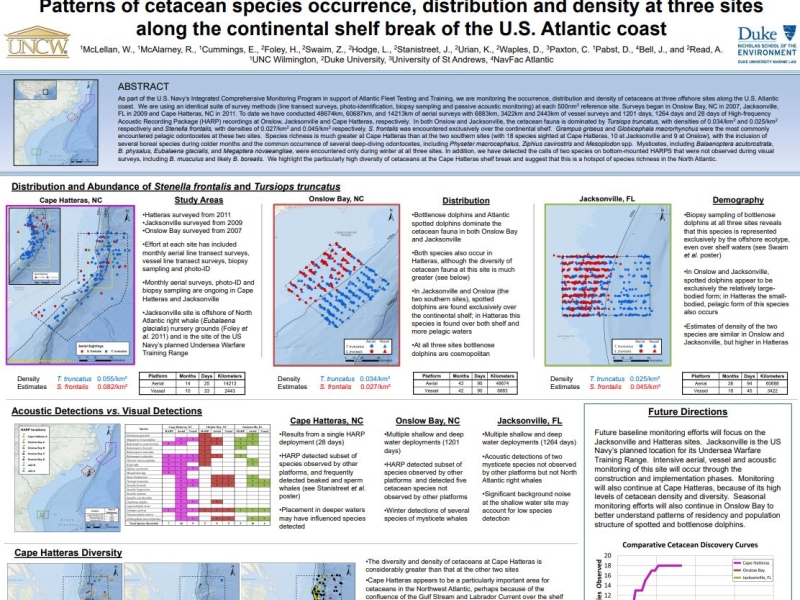
Acoustic Ecology of Northwest Atlantic Shelf Break Cetaceans and Effects of Anthropogenic Noise Impacts
Project Objectives
Assess the acoustic niche of marine mammal species and anthropogenic contributors to disturbance
Complete
Atlantic Marine Assessment Program for Protected Species (AMAPPS)
Project Objectives
Assess the abundance, distribution, ecology, and behavior of marine mammals, sea turtles, and seabirds in U.S. Atlantic EEZ
Current
North Atlantic Right Whale Monitoring, Conservation, and Protection
Project Objectives
Assess occurrence, habitat use, and behavior of North Atlantic right whales in the mid-Atlantic region
Current
Atlantic Behavioral Response Study
Project Objectives
Assess behavioral response of beaked and pilot whales to mid-frequency tactical sonar
Complete
Mid-Atlantic Autonomous Passive Acoustic Monitoring
Project Objectives
Monitor large whale occurrence in the mid-AtlanticNo related documents to display