Complete
Project Objectives
Conduct visual line-transect surveys and passive acoustic monitoring for cetaceans, and other marine mammals, to determine species occurrence, and to estimate density within Navy’s testing range. Acoustic monitoring devices will be deployed during the vessel based survey, and long-term passive acoustic hydrophones will be monitored for year-round detection of rare and/or cryptic cetacean species.
Complete
Project Objectives
Develop analytic methods to evaluate the vocal response of odontocetes and mysticetes to sonar from navy training activities
Complete
Project Objectives
Demonstrate near real-time passive acoustic detection and classification hardware/software systems
Complete
Project Objectives
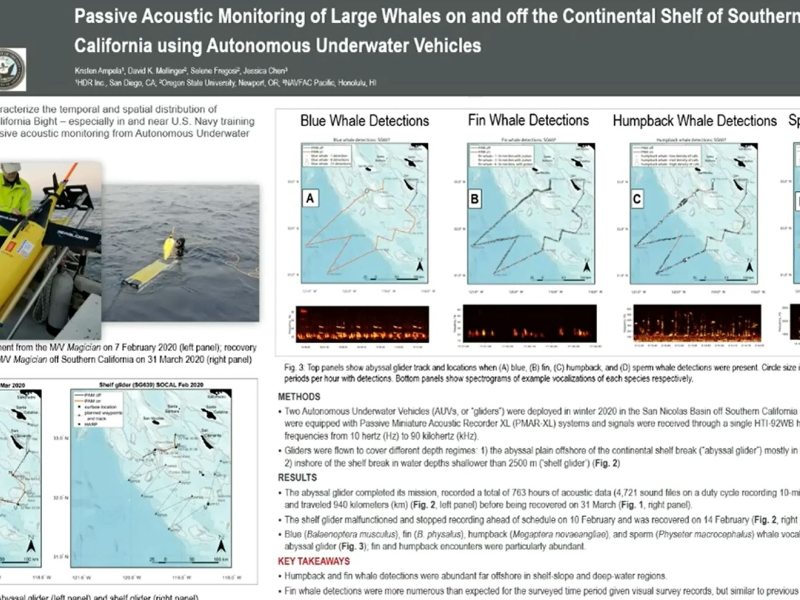
Determine the movement patterns, occurrence, and residence times of blue whales and fin whales within U.S. Navy training and testing areas as well as Biologically Important Areas along the U.S. West Coast
Current
Project Objectives
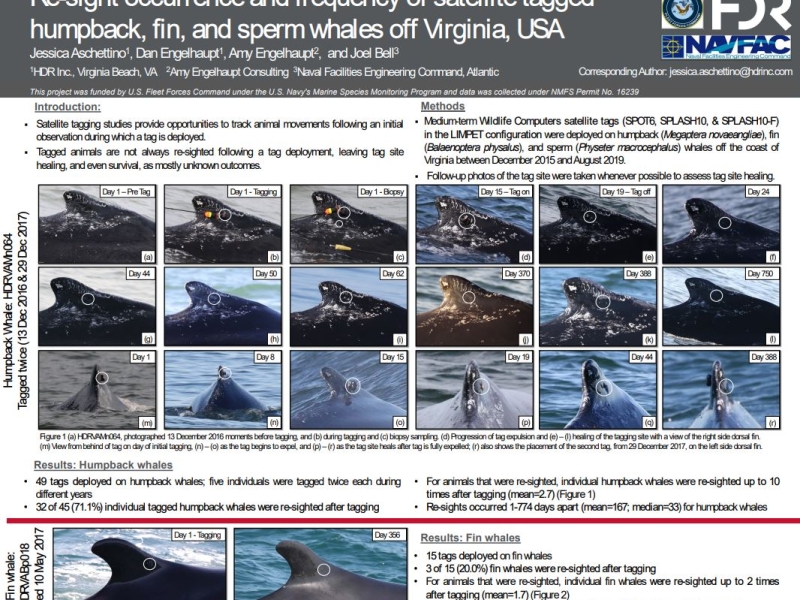
Improve knowledge of baseline population demographics, vital rates, and movement patterns of Cuvier’s beaked whales and fin whales. Examine what, if any, short term behavioral and/or vocal responses occur when exposed to sonar or explosions at different levels and conditions. Determine if exposure to sonar or explosives impact the long term fitness and survival of individuals or the population, species, or stock
Current
Project Objectives
Conduct systematic line transect survey for marine mammals for density estimates; conduct survey to determine ecotype identity of killer whales; analyze existing and newly collected data for seasonal occurrence, abundance, and density of cetacean
Current
Project Objectives
Improve understanding of the long term trends in occurrence of marine mammals (e.g., minke, humpback, fin, Bryde's, Blainville's) on the PMRF range. Examine what, if any, acoustic and physical behavioral responses occur to Navy activities.
Current
Project Objectives
Determine what species and populations of marine mammals are present in Southern California and estimate the abundance and density across seasons
Current
Project Objectives
Assess occurrence, habitat use, and baseline behavior of baleen whales in the mid-Atlantic region
Current
Project Objectives
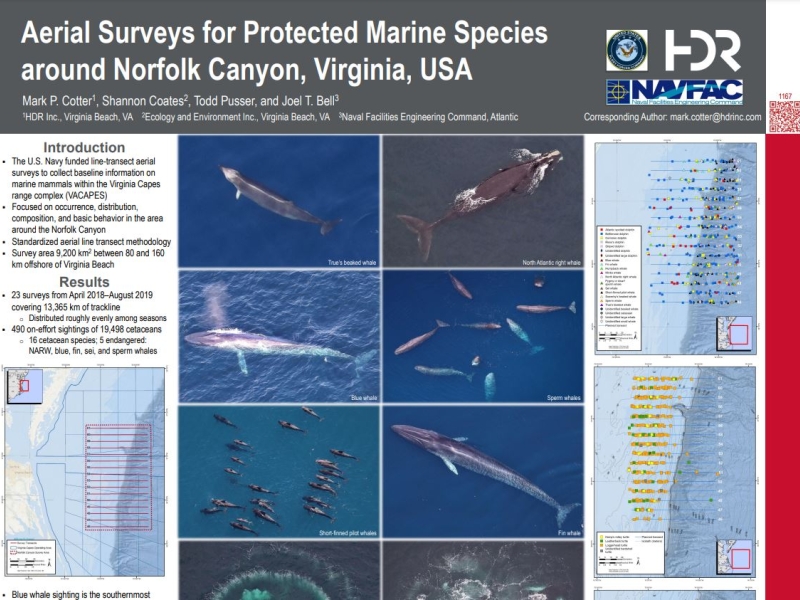
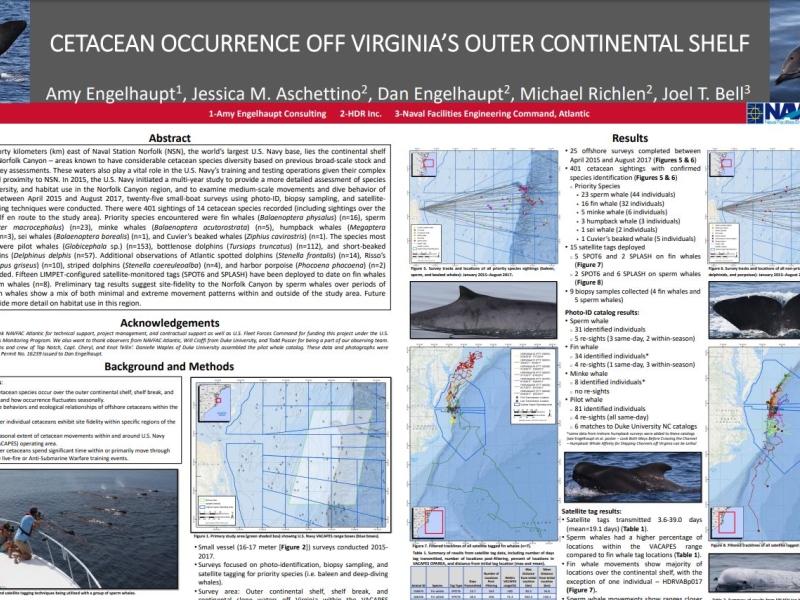
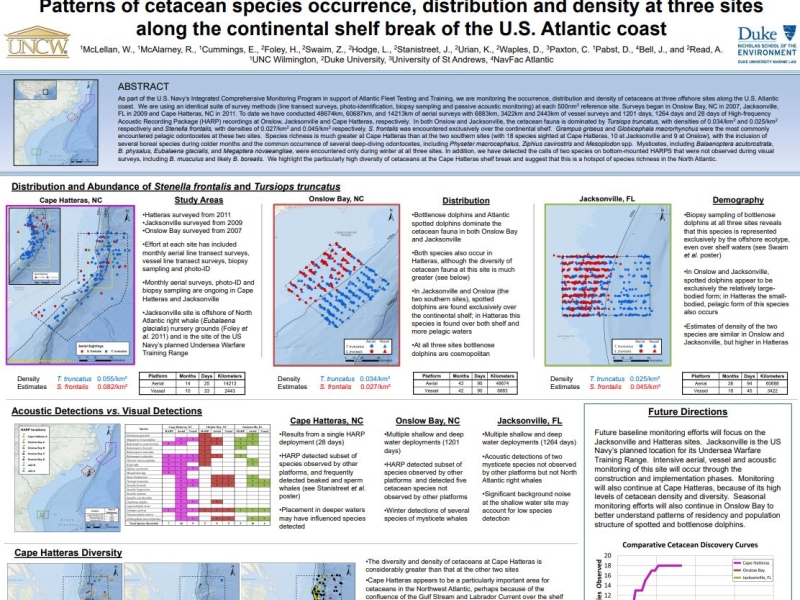
Assess occurrence, habitat use, and baseline behavior of cetaceans in the offshore and continental shelf break region of the VACAPES OPAREA
Current
Project Objectives
Identify species of beaked whales, odontocetes, and baleen whales that occur in the surveyed areas; Monitor marine mammal and sea turtle presence, distribution, and diversity in offshore waters; Develop a better understanding of marine mammal distribution, movement patterns, habitat use, population structure, and abundance; Develop reference library of visually-validated acoustic recordings of marine mammals.
Current
Project Objectives
Monitor large whale occurrence in the Mid-Atlantic
Complete
Project Objectives
Determine the spatial distribution and occurrence of beaked whales, other odontocetes, and baleen whales in offshore areas using bottom-mounted passive acoustic recorders and deep-diving autonomous gliders
Complete
Project Objectives
Explore presence of marine mammals in less-surveyed, offshore areas
Complete
Project Objectives
Identify acoustically distinct species of beaked whales, odontocetes, and baleen whales that occur in the Mariana Islands; develop a better understanding of marine mammal distribution, habitat use, and abundance
Current
Project Objectives
Determine the distribution and temporal patterns of beaked whale occurrence in the waters within and outside the Southern California Range Complex (SOCAL). Use passive acoustic monitoring to determine what species are present in SOCAL and examine spatial and temporal patterns.
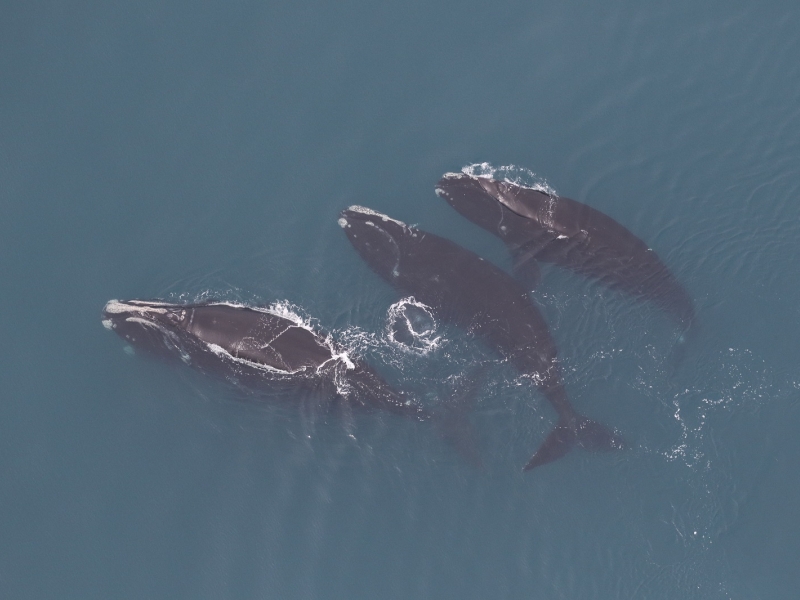
2024-2025 Large Whale Season Summary
March 24, 2025
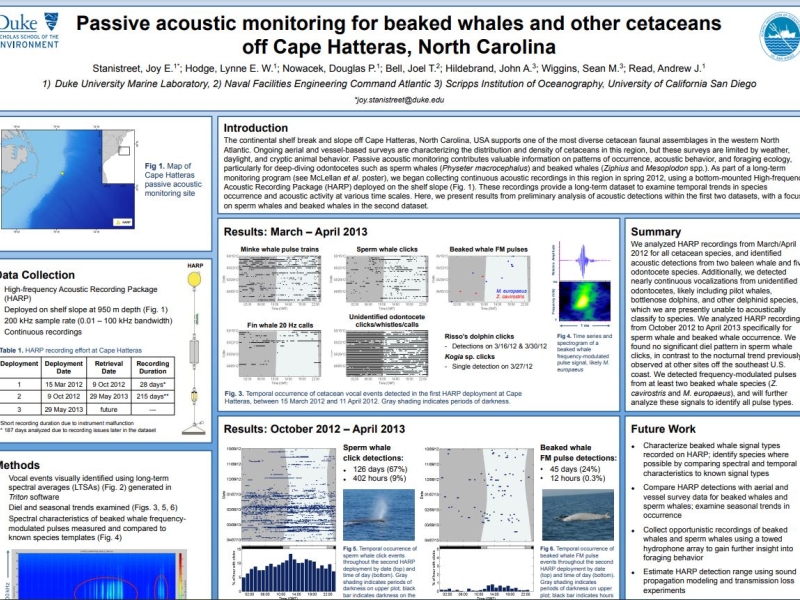
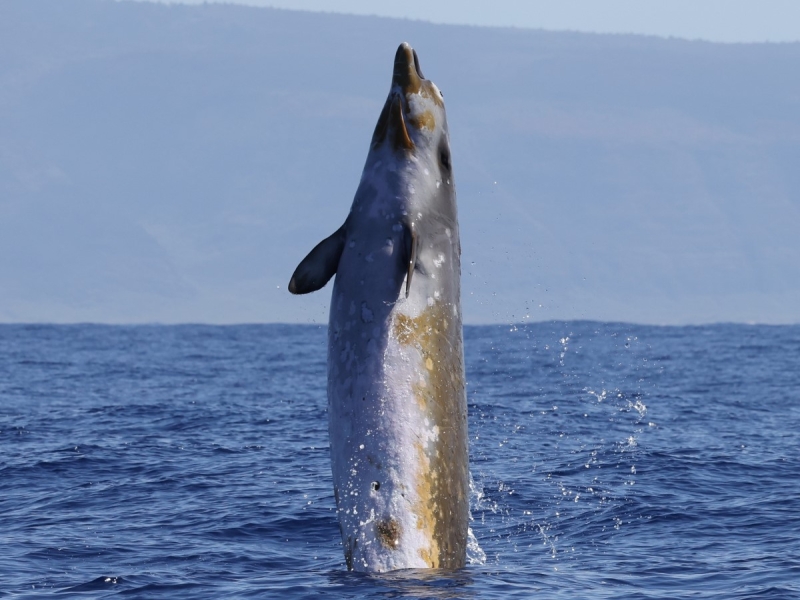
We have two separate efforts focusing on cetaceans off the coast of Virginia. The first is our Offshore (Outer Continental Shelf) Cetacean Study, which focuses primarily on deep diving odontocetes…
Kaua'i Field Work Updates
February 20, 2025
Scientists from Cascadia Research Collective recently completed a ~9-day field project off Kaua’i that started on February 9th. This project is timed to occur prior to a Submarine Command Course (SCC)…
Whales of Summer
June 10, 2024
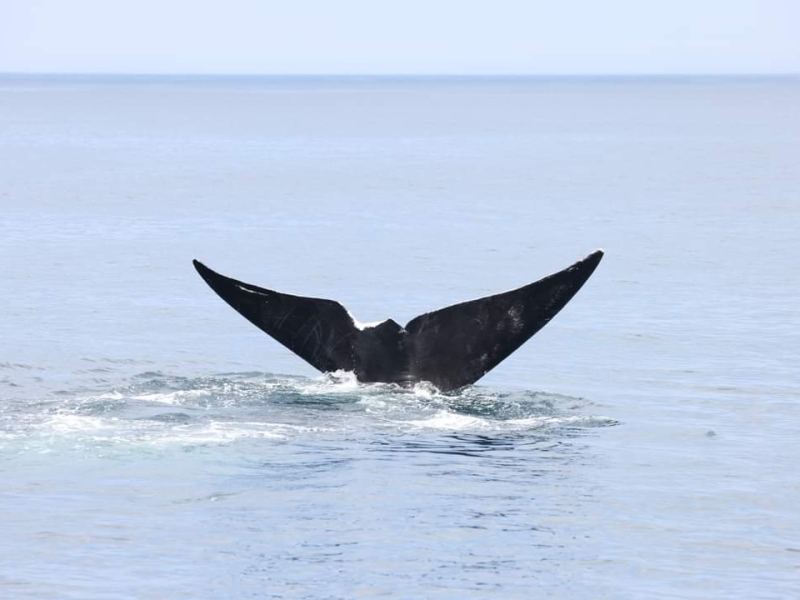
In the mid-Atlantic, baleen whale sightings typically occur during the colder months, with peak activity in December and January. Sightings of humpback and right whales usually decrease by late March…
Large Whale Action in the Mid-Atlantic
January 30, 2024
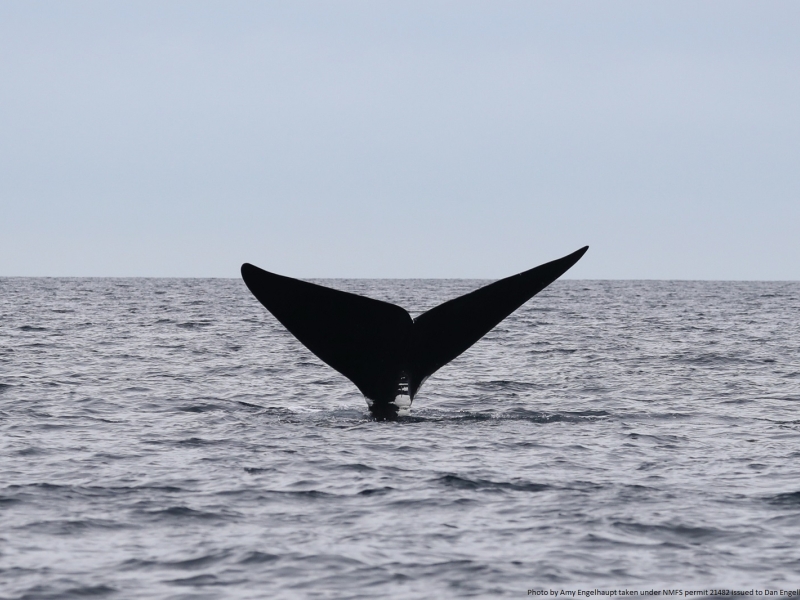
After a relatively slow start to the 2023-2024 large whale season, things are picking up here in the Mid-Atlantic. Last week was the busiest we’ve had so far this season for several of our projects as…
New acoustic monitoring buoy helps researchers study and protect North Atlantic Right Whales
January 19, 2021
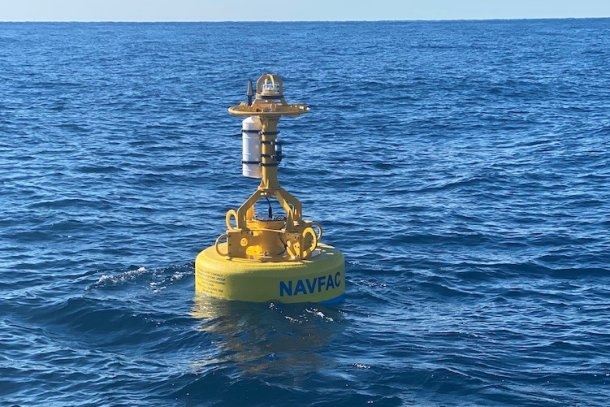
A new buoy to listen for protected whales.
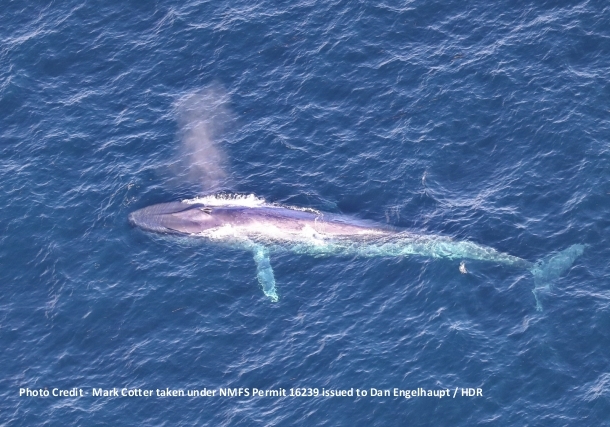
Fin and blue whale feeding aggregation observed in Norfolk Canyon study area
March 26, 2019
Baleen whale feeding assemblage offshore of Virginia.
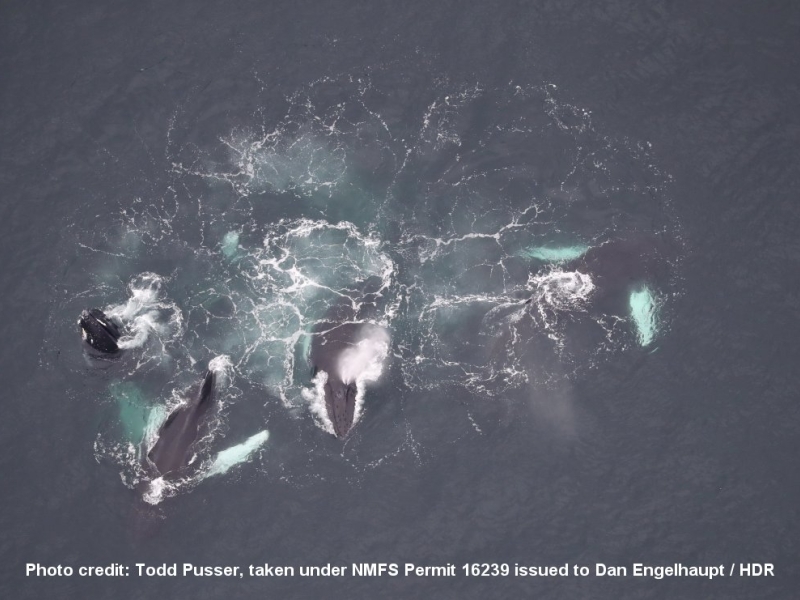
Blue whales and sei whales and right whales - OH MY!!!
April 18, 2018
A spring aggregation of endangered whales offshore.
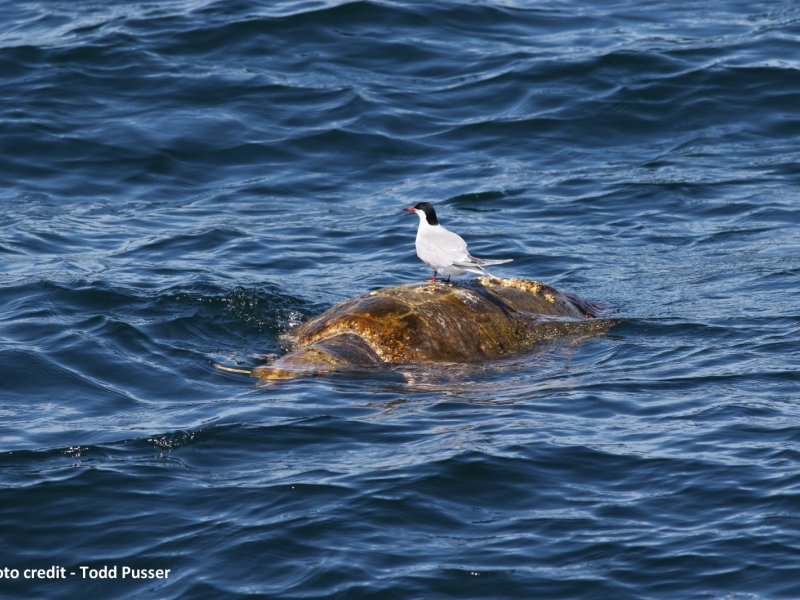
Great Day for a Mid-Atlantic Offshore Survey
April 20, 2015
Pelagic cetaceans and sea turtle sightings.
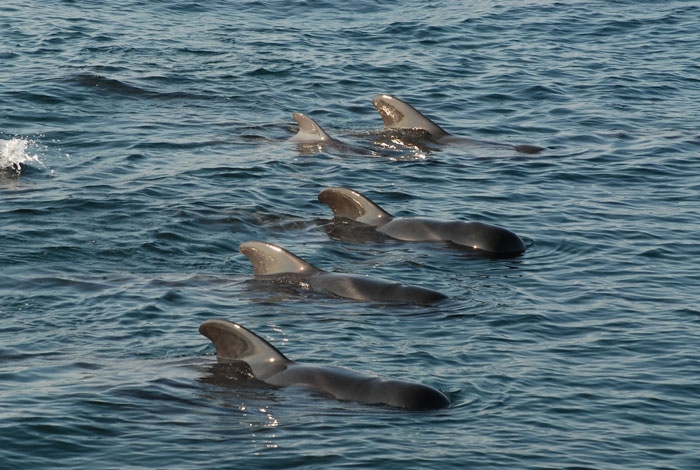
Cape Hatteras Field Work Update
October 28, 2013
Calm days at sea off NC.
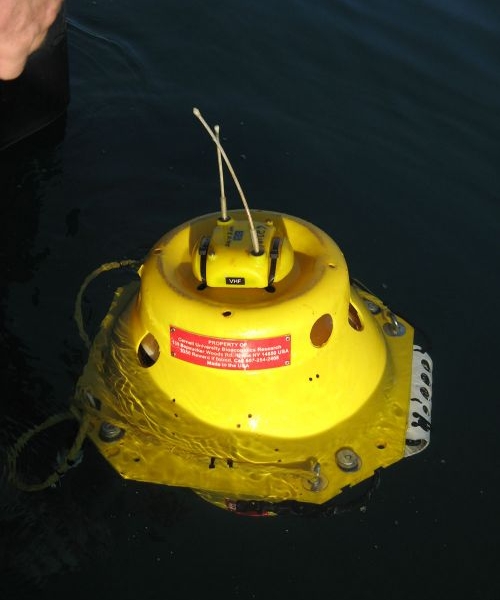
Passive acoustic monitoring for right whales off Cape Hatteras
October 21, 2013
MARUs off NC
More details
Collapse details
Date Published:
Filesize:
- January 24, 2024
The telemetry and survey studies managed by the Naval Undersea Warfare Center, Division Newport (NUWCDIVNPT) was initiated in winter 2021 to collect data on harbor seals (Phoca vitulina) and gray seals (Halichoerus grypus) along the U.S. East Coast. The purpose of this field season’s research was to collect baseline data to inform a proposed pinniped behavioral response study and continue long-term pinniped surveys, specifically in the Navy OPAREAS along the northwestern Atlantic coast. A summary of the data collected in previous field seasons can be found in DeAngelis (2023).
- 369.36 KB
More details
Collapse details
Date Published:
Filesize:
- January 1, 2023
The aim of the 2021-2022 field season’s research, Phase II of the Pinniped BRS, was to continue to obtain data to measure baseline behavior to understand the physical or biotic factors that influence the movement and foraging tactics of harbor and gray seals; the amount of time seals spend in specific areas, paying particular attention to Navy OPAREAS; and, the anthropogenic risks (e.g., noise-producing military activities) seals potentially encounter in nearshore and offshore areas.
- 2,724.17 KB
More details
Collapse details
Date Published:
Filesize:
- January 2, 2025
For this project, time-lapse trail cameras were placed at two survey areas in southeastern Virginia in order to monitor all of the known haul-out sites in the region. Wildlife “trail” cameras are cost effective tools for collecting large amounts of data while limiting the impact to the animals as compared to traditional visual surveys (Koivuniemi et al., 2016; Wearn & GloverKapfer, 2019). Trail cameras are especially effective for monitoring wildlife in remote locations and sampling multiple sites for extended periods of time. The use of these cameras offer the ability to monitor haul-out sites in adverse marine and weather conditions with relatively low personnel demands. Objectives for this study are to: 1) improve the understanding of local haul-out patterns; 2) monitor seasonal patterns and the numbers of seals hauled out; 3) investigate any haul-out patterns in relation to environmental factors; and 4) investigate differences between vessel and drone-based surveys and time-lapse camera data collection.
- 2,162.44 KB
More details
Collapse details
Date Published:
Filesize:
- December 5, 2024
The goal of this study is to document the presence and abundance of seals in Virginia and to gain an increased understanding of the seasonal occurrence, habitat use and haul-out patterns of seals near several important U.S. Navy installations, training and testing areas, and vessel transit routes. This report discusses the survey results for the 2022/2023 and 2023/2024 field seasons as well as the analyses conducted using data from the 2014-2024 field seasons.
- 3,004.15 KB
More details
Collapse details
Date Published:
Filesize:
- February 1, 2021
The goal of this study is to document the presence and abundance of seals in Virginia and to gain an increased understanding of the seasonal occurrence, habitat use and haul-out patterns Pinniped Haul-out Counts and Photo-ID, Virginia: 2019/2020 Annual Progress Report Final February 2021| 2 of seals near several important U.S. Navy installations, testing and training areas, and vessel transit routes. This report discusses the survey results for the 2019/2020 field season as well as the analyses conducted using data from all six field seasons.
- 2,545.03 KB
More details
Collapse details
Date Published:
Filesize:
- March 1, 2022
The goal of this study is to document the presence and abundance of seals in Virginia and to gain an increased understanding of the seasonal occurrence, habitat use and haul-out patterns of seals near several important U.S. Navy installations, testing and training areas, and vessel transit routes. This report discusses the survey results for the 2020/2021 field season as well as the analyses conducted using data from all seven field seasons.
- 3,227.31 KB
More details
Collapse details
Date Published:
Filesize:
- June 1, 2023
The goal of this study is to document the presence and abundance of seals in Virginia and to gain an increased understanding of the seasonal occurrence, habitat use and haul-out patterns of seals near several important U.S. Navy installations, training and testing areas, and vessel transit routes. This report discusses the survey results for the 2021/2022 field season as well as the analyses conducted using data from all eight field seasons.
- 8,159.35 KB
More details
Collapse details
Date Published:
Filesize:
- December 21, 2018
The goal of this study is to document the presence and abundance of seals in Virginia and to gain an increased understanding of the seasonal occurrence, habitat use and haul-out patterns of seals near several important U.S. Navy installations, testing and training areas, and vessel transit routes.
- 2,359.32 KB
More details
Collapse details
Date Published:
Filesize:
- March 5, 2020
The goal of this study is to document the presence and abundance of seals in Virginia and to gain an increased understanding of the seasonal occurrence, habitat use and haul-out patterns of seals near several important U.S. Navy installations, testing and training areas, and vessel transit routes. This report discusses the survey results for the 2018/2019 field season as well as the analyses conducted using data from all five field seasons.
- 2,501.73 KB
More details
Collapse details
Date Published:
Filesize:
- July 28, 2026
Annual technical progress report on pinniped haul-out counts and photo-ID analyses.
- 3,202.08 KB
More details
Collapse details
Date Published:
Filesize:
- December 1, 2017
Harbor seal (Phoca vitulina concolor) distribution along the U.S. Atlantic coast has shifted in recent years, with an increased number of seals reported in southern New England. Narragansett Bay is an ecosystem with a substantial seasonal harbor seal presence and extensive commercial and recreational boating traffic, shoreline development pressure, and Navy activities. To better understand harbor seal haulout usage in this system we have been conducting regular, opportunistic observations of seal abundance, seal behavior, potential disturbance, and environmental conditions at a haulout site off Naval Station Newport, from 2010 - 2017.
- 1,499.83 KB
Photo-identification and haulout counts of pinnipeds in Narragansett Bay, Rhode Island and Chesapeake Bay, Virginia.
21st Biennial Conference on the Biology of Marine Mammals .
More details
Collapse details
Date Published:
Filesize:
- December 13, 2015
Harbor seal (Phoca vitulina concolor) and gray seal (Halichoerus grypus) distribution along the U.S. Atlantic coast has shifted in recent years, with an increased number of seals reported in southern New England and the mid-Atlantic region (Kenney 2014; Waring et al. 2014). Data from NOAA surveys have previously shown New Jersey as the southern extent for harbor and gray seals (NOAA 2015a), with occasional sightings and strandings reported as far south as Florida and North Carolina for harbor and gray seals, respectively (Waring et al. 2014). NOAA now reports that a small group of harbor seals (
- 92.14 KB
More details
Collapse details
Date Published:
Filesize:
- November 15, 2016
The goal of this survey is to document the presence of seals and gain an increased understanding of the occurrence and behavior of seals near Navy installations in the lower Chesapeake Bay (i.e. Joint Expeditionary Base Little Creek-Fort Story and Naval Station Norfolk), the Virginia Capes Operating Area (VACAPES), and important vessel transit routes.
- 1,337.07 KB
More details
Collapse details
Date Published:
Filesize:
- April 1, 2022
Objectives for this study are to 1) improve the understanding of local, seasonal haul-out patterns, numbers of seals hauled out during daylight hours; 2) to investigate any haul-out patterns in relation to environmental factors; and 3) to investigate differences between vessel and time-lapse camera survey data collected. The data and results of this effort will further improve the assessment of potential impacts from Navy training and testing activities, installation construction (e.g. pile driving) and vessel transiting activities as required under the Marine Mammal Protection Act and National Environmental Policy Act for Commander, U.S. Fleet Forces Command (USFF) and Commander, Navy Installations Command projects in Virginia. These data may also provide important baseline information for the assessment of potential future impacts from climate change or anthropogenic activities.
- 3,768.09 KB